Modern Dentistry, Timeless Smiles.

Dental Implant Procedure Step by Step: What to Expect in the Philippines
Dental implants can be an excellent way to replace missing teeth while restoring your ability to chew, speak, and smile with confidence. But many patients understandably want to know: What actually happens during a dental implant procedure?
The process usually involves several carefully planned stages, from your initial consultation and 3D imaging to implant placement and the final restoration.
Every patient is different, so your dentist will create a treatment plan based on your bone health, medical history, bite, number of missing teeth, and overall oral condition.
1. Initial Dental Implant Consultation
Your journey typically begins with a comprehensive consultation.
Your dentist will examine your teeth, gums, jawbone, and bite. They may also ask about your medical history, medications, previous dental treatments, and expectations.
The goal is to determine whether dental implants are appropriate for you.
Your dentist may recommend:
- A clinical examination
- Digital dental X-rays
- 3D CBCT scanning
- Digital impressions or intraoral scanning
- Evaluation of your gums
- Assessment of available jawbone
- Bite and tooth-position analysis
- Review of your overall treatment goals
A detailed examination is important because an implant should not simply be placed where a tooth is missing. Its position needs to work with your bone, gums, neighboring teeth, bite, and final restoration.
2. 3D Scanning and Treatment Planning
Modern implant dentistry can use 3D imaging to provide a more detailed view of your jaw.
A CBCT scan can help your dentist evaluate:
- Bone height and width
- Jaw anatomy
- Location of important nerves
- Sinus areas
- Existing teeth and roots
- Potential infection or other concerns
Your dentist can then use this information to develop an implant treatment plan.
In some cases, digital planning software can help determine the appropriate implant position and angulation before surgery.
3. Treating Existing Dental Problems
Before implant placement, your dentist may need to address other oral-health problems.
For example, treatment may be recommended for:
- Gum disease
- Dental infections
- Damaged neighboring teeth
- Tooth decay
- Inadequate bone volume
- Other conditions that could affect healing
If there is significant bone loss, your dentist may discuss bone grafting or other procedures before or during implant treatment.
4. Implant Placement
The next stage is the surgical placement of the dental implant.
The implant is generally a small titanium or titanium-alloy fixture that is placed into the jawbone. It serves as the artificial tooth root.
Local anesthesia is commonly used, although sedation options may be available depending on the patient, procedure, and dental clinic.
During surgery, your dentist carefully prepares the implant site and places the implant into the planned position.
The gum tissue is then managed appropriately while the area begins to heal.
5. Healing and Osseointegration
After implant placement, the implant needs time to integrate with the surrounding bone.
This biological process is called osseointegration.
During this period, bone gradually forms around the implant, helping create a stable foundation for the future tooth.
Healing time varies from patient to patient. Factors such as bone quality, implant location, overall health, smoking, oral hygiene, and whether additional procedures were performed can influence the timeline.
Your dentist will tell you when the implant is ready for the next stage.
6. Abutment Placement
Once the implant has adequately healed, an abutment may be attached to the implant.
The abutment acts as the connection between the dental implant and the final crown, bridge, or other restoration.
In some treatment approaches, the abutment can be placed during the initial implant surgery. In other cases, it is attached during a later appointment.
Your dentist will determine which approach is appropriate.
7. Digital Impression or Intraoral Scan
Your dentist or dental team will need accurate information to create your final restoration.
Modern dental practices may use an intraoral scanner to capture digital information about your teeth, gums, bite, and implant position.
This information can be used by a dental laboratory to design the final restoration.
The goal is to create a tooth that fits properly with your bite and looks natural alongside your existing teeth.
8. Custom Dental Crown or Restoration
For a single missing tooth, the final restoration is often an implant-supported crown.
Depending on your treatment plan, the restoration may be made from materials such as:
- Zirconia
- Porcelain
- Ceramic
- Porcelain-fused-to-metal
- Other dental materials selected for the specific case
Your dentist will consider appearance, strength, location of the tooth, bite forces, and other factors when selecting the restoration.
9. Final Fitting and Bite Adjustment
Your dentist will check the completed restoration before finalizing treatment.
They may evaluate:
- Tooth color
- Shape and appearance
- Fit
- Contact with neighboring teeth
- Bite
- Comfort
- Gum appearance
- Ability to clean around the implant
Small adjustments may be made to help ensure the restoration functions comfortably.
10. Long-Term Implant Maintenance
Getting the implant is not the end of treatment.
Dental implants require ongoing care, just like natural teeth.
Your dentist may recommend:
- Brushing twice daily
- Cleaning between teeth
- Using appropriate interdental brushes or other cleaning aids
- Regular dental examinations
- Professional dental cleanings
- Monitoring the implant and surrounding gums
Good oral hygiene is important because the tissues surrounding an implant can still develop inflammation and disease.
How Long Does the Dental Implant Procedure Take?
There is no single timeline that applies to every patient.
A straightforward case may take several months from initial consultation to final restoration because the implant needs time to heal and integrate with the jawbone.
Treatment can take longer when additional procedures are necessary, such as:
- Tooth extraction
- Bone grafting
- Sinus-related procedures
- Treatment of gum disease
- Multiple implants
- Full-mouth rehabilitation
Your dentist should provide a personalized treatment timeline after evaluating your specific situation.
Is Dental Implant Surgery Painful?
Many patients are concerned about pain.
During implant surgery, anesthesia is used to keep you comfortable. After the procedure, it is normal to experience some soreness, swelling, or sensitivity while the tissues heal.
Your dentist will provide specific post-operative instructions and explain which pain-relief options are appropriate for you.
If you experience severe or worsening pain, significant swelling, persistent bleeding, fever, or other concerning symptoms, contact your dental provider promptly.
Things to Ask Your Dentist Before Getting Dental Implants
A dental implant is a significant treatment decision. Don't be afraid to ask questions.
Here are important questions to discuss with your dentist.
About Your Treatment
- Am I a good candidate for dental implants?
- Why do you recommend an implant for my situation?
- Are there alternatives to dental implants?
- Do I need a tooth extraction first?
- Do I have enough bone for an implant?
- Will I need bone grafting?
- Do I have gum disease that needs treatment first?
About the Procedure
- What type of implant are you recommending?
- Where will the implant be positioned?
- Will you use 3D CBCT imaging?
- Will digital implant planning be used?
- What type of anesthesia or sedation is available?
- How long will the surgery take?
- What should I expect during recovery?
About the Final Tooth
- What material will be used for my crown?
- Who will manufacture the crown?
- How will you match the crown to my natural teeth?
- How will you check my bite?
- How long should the restoration normally last?
About Cost
- What is included in the total implant cost?
- Does the price include the implant, abutment, and crown?
- Are X-rays or 3D scans included?
- Is bone grafting included if I need it?
- Are temporary teeth included?
- Are there possible additional costs I should know about?
About Your Dentist and Clinic
- How often do you perform dental implant procedures?
- What implant system do you use?
- Who will perform each stage of my treatment?
- What happens if there is a complication?
- What follow-up care is included?
Don't Choose an Implant Based on Price Alone
Dental implant treatment is more than the cost of an implant fixture.
A complete treatment may involve diagnostic imaging, treatment planning, surgery, the implant, abutment, temporary restoration, laboratory work, final crown, and follow-up care.
When comparing dental implant prices in the Philippines or elsewhere, ask for a complete written treatment plan so you can understand exactly what is included.
A very low advertised price may represent only one component of the treatment rather than the complete cost.
Dental Implants in the Philippines
The Philippines has become a destination for patients seeking dental treatment, including dental implants. However, patients should still carefully evaluate the dentist, clinic, treatment plan, materials, laboratory work, and aftercare.
If you are considering dental implants in Cebu, start with a proper consultation rather than choosing a clinic based solely on an advertised price.
The best treatment plan is the one that considers your oral health, bone condition, functional needs, appearance, long-term maintenance, and overall budget.
Frequently Asked Questions
How many appointments are needed for a dental implant?
It depends on the complexity of the case. Treatment may involve separate appointments for consultation, imaging, implant surgery, healing checks, impressions or scanning, and final crown placement.
Can a dental implant be placed immediately after extraction?
Sometimes. An immediate implant may be possible in carefully selected cases, but it depends on factors such as infection, bone quality, gum condition, and the position of the tooth.
What if I have bone loss?
Bone loss does not automatically mean you cannot receive implants. Your dentist may recommend bone grafting or another approach depending on the amount and location of bone available.
How long do dental implants last?
Dental implants can provide long-term tooth replacement, but their longevity depends on factors including oral hygiene, gum health, bite forces, smoking, overall health, implant position, and regular professional care.
Can I get dental implants for several missing teeth?
Yes. Depending on your situation, treatment may involve individual implants, an implant-supported bridge, or an implant-supported denture.
What is the most important thing to ask my dentist?
One of the most important questions is:
“Can you explain my complete treatment plan, including every stage and the total expected cost?”
Understanding the complete plan can help you make a more informed decision and avoid unexpected expenses.
Final Thought
Dental implants are a process, not a single appointment. Careful diagnosis, precise planning, proper implant placement, adequate healing, a well-designed restoration, and long-term maintenance all contribute to successful treatment.
Before moving forward, take time to understand your options and ask your dentist questions. A good dental professional should be willing to explain what will be done, why it is recommended, what materials will be used, how long treatment may take, and what the total cost is expected to be.
Related Clinical Cases
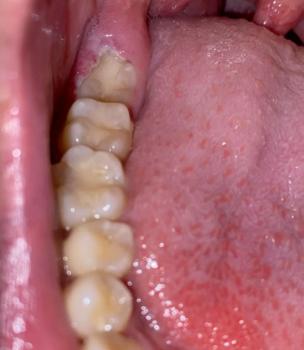
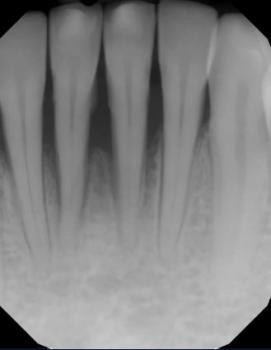
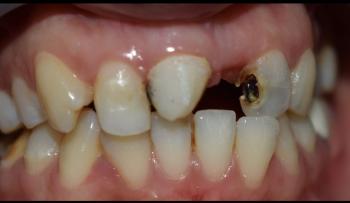
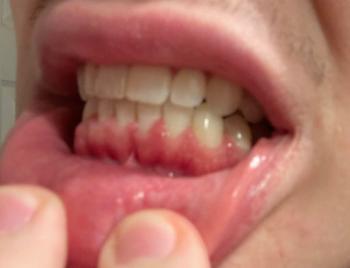
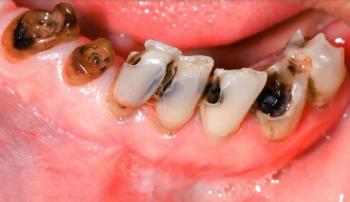
Patients with lower front gum inflammation may also experience tartar buildup, periodontal disease, gum abscesses, or tooth decay. Explore these related clinical case studies.