Your Smile, Perfected with Precision.

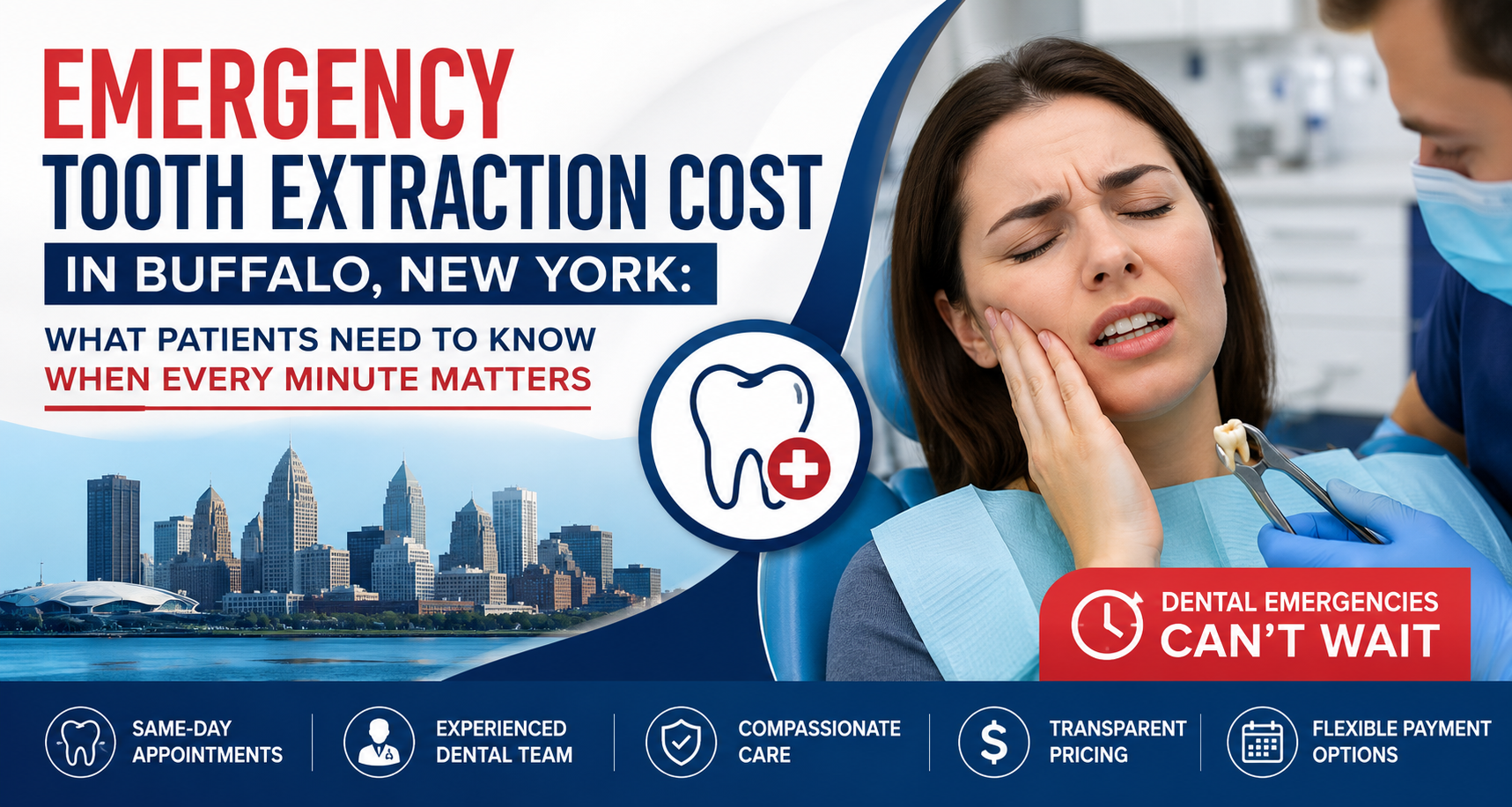
Emergency Tooth Extraction Cost in Buffalo, New York: What Patients Need to Know When Every Minute Matters
Language :
Topics:
A dental emergency can strike without warning. One moment you are enjoying your day, and the next you are dealing with severe tooth pain, facial swelling, a broken tooth, or a dental infection that makes it difficult to eat, sleep, or even concentrate. When pain becomes unbearable, many patients begin searching online for answers, especially regarding how much an emergency tooth extraction will cost and how quickly treatment can be provided.
If you are facing a dental emergency in Buffalo, New York, understanding the costs involved can help you make faster decisions and receive treatment before the condition worsens. While every case is unique, most emergency tooth extractions in Buffalo typically range between $175 and $450 per tooth. However, the final cost depends on several important factors including the complexity of the extraction, the condition of the tooth, imaging requirements, anesthesia options, and whether surgical treatment is necessary.
This guide explains emergency tooth extraction costs in Buffalo, what affects pricing, warning signs that require immediate treatment, financing options, and how to prepare for your emergency dental visit.
Why Emergency Tooth Extractions Are Sometimes Necessary
Dentists always try to save natural teeth whenever possible. Treatments such as fillings, crowns, root canal therapy, and periodontal treatment are often considered before extraction.
However, there are situations where removing the tooth becomes the safest and fastest solution.
Common reasons for emergency tooth extraction include:
- Severe tooth decay beyond repair
- Advanced dental infection
- Large abscess formation
- Fractured teeth below the gumline
- Trauma from accidents or sports injuries
- Impacted wisdom teeth causing severe pain
- Loose teeth due to advanced gum disease
- Failed root canal treatment
- Cracked teeth involving the root
- Significant bone loss around a tooth
In emergency situations, delaying treatment can lead to worsening pain and potentially serious health complications.
Signs You May Need an Emergency Tooth Extraction
Many patients hope that tooth pain will disappear on its own. Unfortunately, serious dental problems rarely resolve without professional treatment.
You should seek immediate dental care if you experience:
Severe Tooth Pain
Persistent throbbing pain often indicates infection, nerve damage, or extensive decay.
Facial Swelling
Swelling in the cheeks, jaw, or neck may indicate an active infection spreading through surrounding tissues.
Dental Abscess
An abscess is a pocket of infection that can produce:
- Swelling
- Fever
- Bad taste in the mouth
- Pus drainage
- Severe pain
Dental abscesses should never be ignored.
Broken or Fractured Tooth
A broken tooth can expose nerves and create a pathway for bacteria to enter deeper tissues.
Difficulty Swallowing
Swelling associated with dental infections can sometimes interfere with swallowing and breathing.
Fever Associated With Tooth Pain
When fever accompanies dental pain, it often signals an infection requiring urgent attention.
Emergency Tooth Extraction Cost in Buffalo, New York
One of the first questions patients ask is:
"How much will an emergency tooth extraction cost?"
While there is no single fixed price, Buffalo dental offices generally charge according to the complexity of the procedure.
Typical Cost Range
Most emergency extractions in Buffalo range from:
$175 to $450 per tooth
This estimate usually varies based on:
- Tooth location
- Extraction difficulty
- Infection severity
- Imaging requirements
- Type of anesthesia used
Simple Tooth Extraction Costs
Simple extractions involve teeth that:
- Are fully erupted
- Are visible above the gumline
- Have intact crowns
- Can be removed using standard dental instruments
These procedures are generally quicker and less expensive.
Typical Cost
Simple extractions often range between:
$175 to $300 per tooth
The procedure typically includes:
- Clinical examination
- Local anesthesia
- Tooth removal
- Post-operative instructions
Many patients can return to normal activities within a day or two.
Surgical Tooth Extraction Costs
Surgical extractions are more complicated and require additional procedures.
These extractions may involve:
- Impacted teeth
- Broken teeth
- Severely decayed teeth
- Teeth fractured at the gumline
- Wisdom teeth trapped beneath bone
Typical Cost
Surgical extractions commonly range between:
$300 to $450 or more per tooth
Additional costs may apply depending on complexity.
Impacted Wisdom Teeth Emergencies
Wisdom teeth frequently cause emergency dental visits.
Problems may include:
- Infection
- Gum swelling
- Jaw pain
- Crowding
- Difficulty opening the mouth
When wisdom teeth become impacted, surgical extraction is often necessary.
Because impacted teeth require more time and expertise, treatment costs are usually higher than standard extractions.
What Determines the Final Cost?
Several factors influence the total bill.
1. Complexity of the Extraction
The more difficult the procedure, the higher the cost.
Factors include:
- Tooth position
- Root shape
- Bone density
- Infection severity
Complex extractions require additional time and surgical expertise.
2. Diagnostic Imaging
Before removing a tooth, dentists must accurately diagnose the condition.
Diagnostic tools may include:
- Digital X-rays
- Panoramic imaging
- 3D CBCT scans
These images help identify:
- Root anatomy
- Bone levels
- Infection spread
- Nerve locations
Advanced imaging can increase overall treatment costs but significantly improves treatment planning.
3. Local Anesthesia
Local anesthesia is usually included in extraction fees.
It allows patients to remain comfortable during treatment.
Patients remain awake but should not feel pain.
4. Sedation Options
Some patients experience significant anxiety during dental treatment.
Additional sedation options may include:
- Nitrous oxide
- Oral sedation
- IV sedation
While sedation improves comfort, it also increases treatment costs.
5. Infection Severity
Severe infections may require:
- Antibiotics
- Additional drainage procedures
- Follow-up visits
These treatments can affect the overall expense.
Why Delaying Treatment Can Be Dangerous
Many patients attempt to postpone dental treatment because of cost concerns.
Unfortunately, waiting often results in:
- Increased pain
- More extensive infections
- Additional treatment costs
- Bone loss
- Hospital visits
Dental infections can spread beyond the tooth into:
- Jawbone
- Facial tissues
- Neck
- Bloodstream
Prompt treatment can prevent serious complications.
What Happens During an Emergency Dental Visit?
Knowing what to expect can reduce anxiety.
Step 1: Examination
The dentist evaluates:
- Pain location
- Swelling
- Tooth condition
- Signs of infection
Step 2: Diagnostic Imaging
X-rays are taken to determine:
- Root structure
- Infection extent
- Bone condition
Step 3: Treatment Discussion
The dentist explains:
- Whether extraction is necessary
- Alternative treatment options
- Costs
- Recovery expectations
Step 4: Tooth Removal
Once consent is obtained, the extraction procedure begins.
Local anesthesia ensures patient comfort.
Step 5: Post-Operative Instructions
Patients receive guidance regarding:
- Bleeding control
- Pain management
- Diet modifications
- Oral hygiene
How Long Does Recovery Take?
Most patients recover quickly following extraction.
First 24 Hours
Patients should:
- Rest
- Avoid smoking
- Avoid drinking through straws
- Keep pressure on gauze
First Week
Healing progresses steadily.
Patients should:
- Eat soft foods
- Avoid vigorous rinsing
- Follow medication instructions
Full Healing
Bone and gum tissues continue healing for several weeks or months.
Recovery depends on:
- Patient health
- Extraction complexity
- Infection severity
Insurance Coverage for Emergency Extractions
Dental insurance often helps reduce out-of-pocket expenses.
Coverage varies according to:
- Policy type
- Deductibles
- Annual maximums
- Waiting periods
Patients should contact their insurance provider before treatment whenever possible.
Having insurance information available when calling an emergency dental office can help streamline the process.
What If You Do Not Have Dental Insurance?
Many Buffalo residents seek emergency treatment without insurance.
Fortunately, many practices offer solutions such as:
CareCredit
CareCredit allows patients to finance healthcare expenses through monthly payments.
In-House Payment Plans
Some dental offices offer flexible installment arrangements.
Third-Party Financing
Additional healthcare financing programs may be available.
Never assume treatment is impossible due to financial concerns.
Most emergency dental offices will discuss available options.
Questions to Ask Before Scheduling
To avoid unexpected costs, ask:
What Is Included In The Emergency Exam?
Some clinics bundle:
- Examination
- X-rays
- Consultation
Others charge separately.
Is The Extraction Included In The Estimate?
Clarify whether the quoted fee covers:
- Extraction
- Imaging
- Anesthesia
- Follow-up care
Are Additional Surgical Fees Possible?
Complex extractions may require additional treatment fees.
Understanding this beforehand helps prevent surprises.
What Financing Options Are Available?
Ask specifically about:
- CareCredit
- Payment plans
- Insurance participation
How To Find Emergency Dental Care Quickly
When pain becomes severe, time matters.
Look for dental offices that offer:
- Same-day appointments
- Emergency walk-ins
- Extended hours
- Weekend availability
- Surgical extraction services
Calling ahead can often speed up treatment.
Explain:
- Your symptoms
- Pain level
- Swelling
- Any fever or infection
This information helps offices prioritize urgent cases.
Emergency Dental Situations That Should Never Wait
Seek immediate treatment if you have:
- Rapid facial swelling
- Difficulty breathing
- Difficulty swallowing
- Severe dental abscess
- Uncontrolled bleeding
- Fever associated with infection
These symptoms may indicate a potentially serious medical emergency.
Replacing an Extracted Tooth
After extraction, many patients consider replacement options.
Common solutions include:
Dental Implants
Dental implants replace missing tooth roots and provide long-term stability.
Dental Bridges
Bridges use neighboring teeth for support.
Partial Dentures
Removable appliances can replace one or multiple teeth.
Your dentist can discuss the best option once healing is complete.
Final Thoughts
A dental emergency can feel overwhelming, especially when severe pain, swelling, or infection develops unexpectedly. Fortunately, emergency tooth extraction services are widely available throughout Buffalo, New York, and treatment can often be completed on the same day.
While costs generally range between $175 and $450 per tooth, the final amount depends on the complexity of the extraction, diagnostic imaging requirements, anesthesia needs, and overall treatment circumstances.
If you are experiencing severe pain, facial swelling, a broken tooth, or signs of infection, do not delay seeking care. Dental infections can progress quickly and become more difficult and expensive to treat. Contact an emergency dental provider immediately, ask for an all-inclusive estimate, verify insurance or financing options, and receive the treatment necessary to protect your health and restore your comfort.
Fast action during a dental emergency often means less pain, lower treatment costs, and a safer outcome.
Can tooth extraction cause infection? Mild inflammation is normal, but increasing swelling, fever, or severe pain may indicate infection. Learn more about post-extraction infection warning signs in this detailed guide.
Book a consultation with our Cebu dental specialists for proper evaluation and care.
Ready to get expert guidance?
If you’re experiencing severe pain or delayed healing, book a consultation with our Cebu dental specialists to get proper evaluation and care.
Consultation or contact page .
Book a Consultation
For severe discomfort or delayed healing, book a consultation with our Cebu dental specialists today.
Looking for a dentist? Browse our Cebu dental directory to find trusted clinics near you.
Medical Review and Clinical Basis
This article is based on clinical dental guidelines and real patient recovery patterns observed after tooth extraction procedures. The information reflects common post-extraction healing stages, including normal clot formation, gum tissue repair, and signs of possible complications such as dry socket or infection.
While mild discomfort is expected after a dental extraction, worsening pain after Day 3, bad odor, exposed bone, or spreading pain may require professional evaluation. These symptoms are consistent with known post-extraction complications described in standard dental practice.
About Cebu Dental Implants
Cebu Dental Implants provides comprehensive tooth extraction, surgical procedures, and dental implant services in the Philippines. Our team evaluates post-extraction healing, manages complications such as dry socket, and advises patients on proper aftercare to prevent infection and delayed healing.
If you experience severe pain or unusual symptoms after extraction, early professional assessment is recommended to prevent further complications.
Important Medical Disclaimer
This content is for educational purposes only and does not replace professional dental diagnosis. Every patient heals differently. If symptoms worsen or do not improve within a few days, consult a licensed dentist for proper evaluation and treatment.
Author
This article was prepared by the Cebu Dental Implants content team in consultation with licensed dental professionals experienced in tooth extraction and implant procedures.
Related Clinical Cases
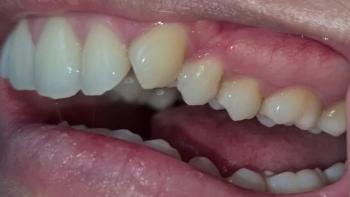
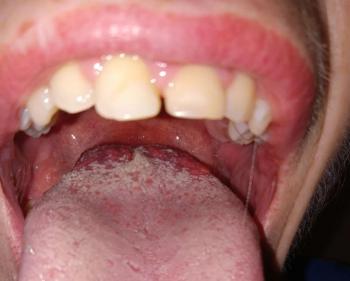
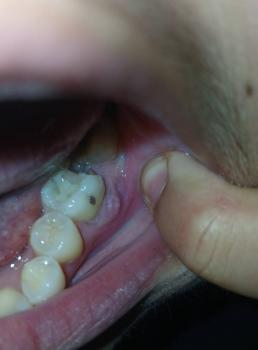
Patients with lower front gum inflammation may also experience tartar buildup, periodontal disease, gum abscesses, or tooth decay. Explore these related clinical case studies.



Other topics:
Other Dental Clinic
 |
 |
 |
 |



