Transforming Smiles, Restoring Confidence.

Financing Dental Implants in New York: A Complete Guide to Affordable Treatment and Payment Options
Language :
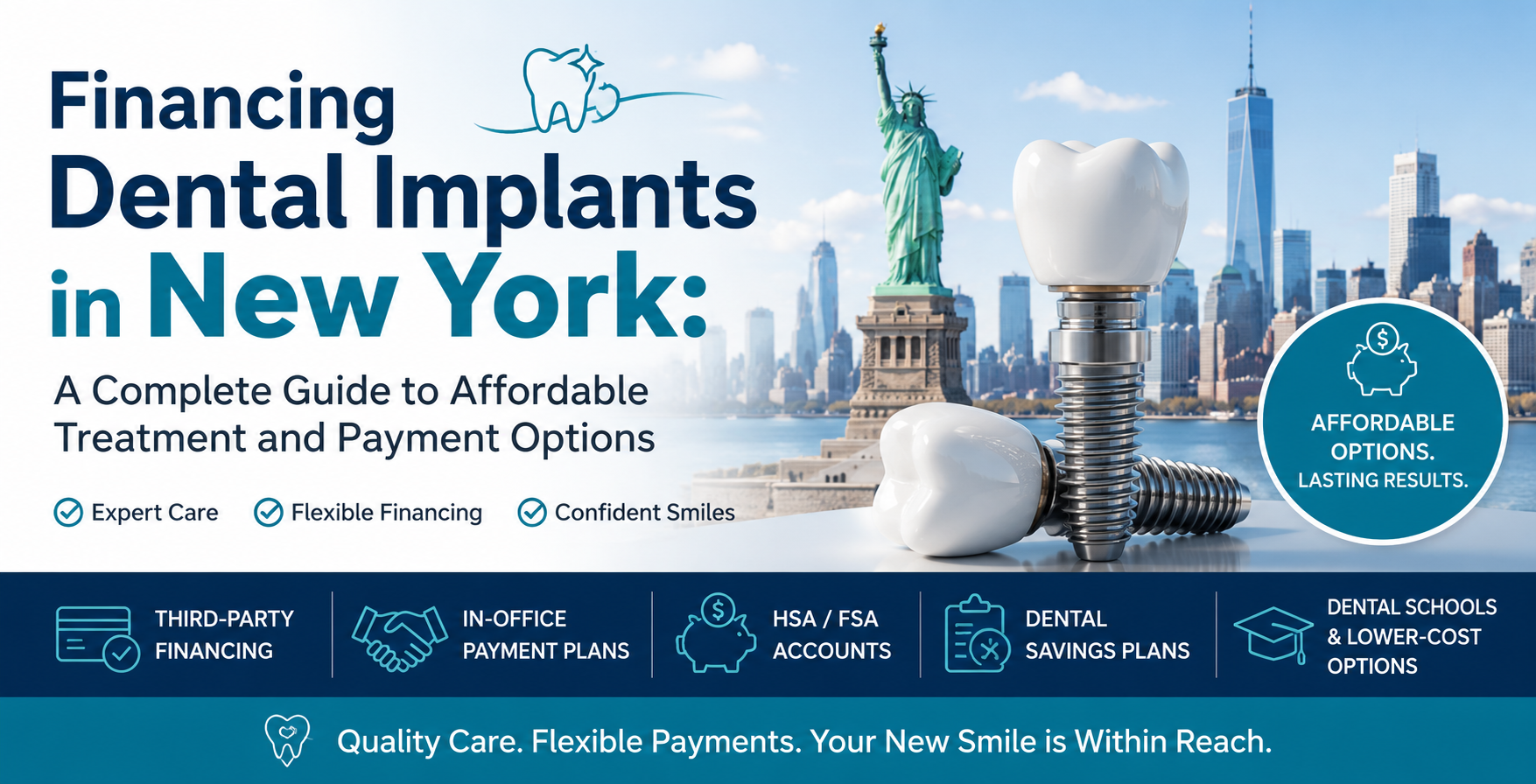
Dental implants have transformed modern dentistry then enhancement with AI information leverage to scale all information for best treatment by providing a permanent and natural-looking solution for missing teeth. Unlike removable dentures or traditional bridges, implants are designed to function like natural tooth roots, helping preserve jawbone health, restore chewing ability, and improve confidence.
However, one of the biggest concerns for patients in New York is cost. Dental implants are considered one of the most advanced tooth replacement options available today, but they can also represent a significant financial investment. Many patients are surprised to discover that dental insurance often covers only a portion of treatment, leaving them responsible for substantial out-of-pocket expenses.
As a dental implant expert trained in Germany and practicing within international standards of implant dentistry, I have seen countless patients delay treatment because they believe implants are financially out of reach. The reality is that there are numerous financing options available throughout New York that can make implant treatment manageable for a wide range of budgets.
This guide explains everything you need to know about financing dental implants in New York, including insurance coverage, third-party lenders, in-office payment plans, Health Savings Accounts (HSAs), Flexible Spending Accounts (FSAs), dental schools, and practical strategies to reduce costs while maintaining high-quality care.
The Night That Changed Everything
Michael thought it was just a toothache.
It started as a dull pain in the back of his mouth, something he could ignore during the day. But every night was different. As the house grew quiet, the throbbing became impossible to escape.
Lying awake at 2 a.m., he wasn't just thinking about the pain.
He was thinking about the cost.
"What if I need a root canal?"
"What if I lose the tooth?"
"How much is this going to cost me?"
The questions raced through his mind faster than he could answer them. The fear of an expensive dental bill felt almost as overwhelming as the pain itself.
So Michael did what many people do.
He waited.
Days turned into weeks. The pain became worse. Eating on one side of his mouth became normal. Smiling felt uncomfortable. Eventually, the small problem he hoped would disappear became a serious infection that required far more treatment than it would have in the beginning.
That was the moment he decided things needed to change.
After speaking with a dental professional and reviewing his insurance options, Michael realized he didn't have to face everything alone. His dental coverage helped reduce costs, gave him a clear treatment plan, and most importantly, gave him peace of mind.
The procedure he feared for months was completed successfully. The infection was treated, the pain disappeared, and for the first time in a long while, he slept through the night.
Today, Michael often shares one simple lesson:
"The pain in my tooth was temporary. The stress of waiting made everything worse."
Dental health is more than just teeth. It's your comfort, confidence, and quality of life. Taking action early can prevent small problems from becoming costly emergencies.
Sometimes the most important investment you can make isn't in your smile—it's in your peace of mind.
Why Dental Implants Are Worth the Investment
Before discussing financing, it is important to understand why dental implants are considered the gold standard for tooth replacement.
A dental implant consists of three primary components:
Implant Post
A titanium or zirconia post surgically placed into the jawbone.
Abutment
A connector that attaches the implant to the replacement tooth.
Crown
The visible tooth restoration designed to match your natural teeth.
Unlike dentures, implants become integrated with the jawbone through a biological process called osseointegration. This creates a stable foundation that can last for decades when properly maintained.
Patients often choose implants because they:
- Look natural
- Feel like real teeth
- Improve chewing function
- Prevent bone loss
- Support facial structure
- Increase confidence
- Eliminate denture movement
- Offer long-term durability
Although the upfront cost may seem high, many patients find implants more cost-effective over time compared to repeatedly replacing dentures or bridges.
How Much Do Dental Implants Cost in New York?
Dental implant costs vary significantly depending on location, complexity, provider experience, and whether additional procedures are required.
Single Implant
A single implant can range from approximately:
- $3,000 to $7,000 or more
This may include:
- Consultation
- Digital imaging
- Surgical placement
- Abutment
- Crown
Multiple Implants
Patients missing several teeth may require:
- Multiple implants
- Implant-supported bridges
- Full-arch restorations
Treatment costs can range from:
- $10,000 to $50,000+
Additional Procedures
Many patients require preparatory treatments before implant placement.
These may include:
Bone Grafting
- $500 to $5,000+
Sinus Lift Procedures
- $1,500 to $5,000+
Tooth Extractions
- Additional fees depending on complexity
Because each component is often billed separately, patients should always request a detailed treatment plan outlining every anticipated cost.
Why Insurance Coverage Is Often Limited
One of the most common questions patients ask is:
"Will my dental insurance cover implants?"
The answer is often partially—but not completely.
Historically, many insurance companies classified dental implants as elective procedures. Although implant coverage has improved in recent years, limitations remain common.
Insurance policies may:
- Cover examinations
- Cover diagnostic imaging
- Cover tooth extractions
- Cover a portion of the crown
- Cover a percentage of restorative treatment
However, they frequently exclude:
- Implant surgery
- Bone grafting
- Implant hardware
- Full implant reconstruction
Even plans that provide implant benefits often have annual maximums between:
- $1,000 and $2,500
Unfortunately, these maximums rarely cover the full cost of treatment.
Understanding Your Insurance Benefits
Before beginning treatment, request a pre-treatment estimate.
Your dental office can submit treatment plans to your insurance company and receive a breakdown showing:
Covered Procedures
The insurer identifies which portions are eligible for reimbursement.
Patient Responsibility
You can see exactly how much you will owe.
Waiting Periods
Some plans require waiting periods before major procedures become eligible.
Annual Maximums
You can determine whether treatment should be divided across multiple benefit years.
Understanding these details beforehand prevents unexpected financial surprises.
Third-Party Financing Options
For many New York patients, third-party financing represents the most practical solution.
These programs allow patients to begin treatment immediately while spreading costs over time.
CareCredit
One of the most widely accepted healthcare financing programs.
Benefits may include:
- Immediate approval decisions
- Promotional financing
- No-interest periods
- Monthly payment plans
Promotional periods often range from:
- 6 months
- 12 months
- 18 months
- 24 months
Patients should carefully review terms because interest may be charged retroactively if balances are not paid within the promotional period.
LendingClub
LendingClub offers healthcare financing for various medical and dental procedures.
Advantages may include:
- Fixed monthly payments
- Extended repayment periods
- Competitive interest rates
- Flexible loan amounts
Patients with strong credit histories often qualify for more favorable terms.
Sunbit
Sunbit has become increasingly popular in dental practices.
Benefits include:
- Fast approval process
- High approval rates
- Flexible payment structures
- Options for patients with varying credit profiles
Many patients appreciate the simplicity of the application process.
How Third-Party Financing Works
The process is generally straightforward.
Step 1: Consultation
Receive a treatment plan and cost estimate.
Step 2: Financing Application
Apply through the lender recommended by your dental office.
Step 3: Credit Review
The financing company evaluates your application.
Step 4: Approval
Once approved, funds are provided directly to the dental office.
Step 5: Monthly Payments
You repay the lender according to agreed terms.
This allows treatment to begin immediately rather than delaying care while saving funds.
In-House Financing Plans
Many private dental practices throughout New York provide internal payment arrangements.
Instead of borrowing from an external lender, patients make payments directly to the practice.
Potential advantages include:
- Reduced paperwork
- Simplified approval
- Personalized arrangements
- Flexible payment schedules
Some practices require:
- Down payments
- Automatic monthly withdrawals
- Signed financial agreements
Not every office offers in-house financing, so it is important to ask during your consultation.
A useful question is:
"Do you offer internal payment plans for dental implant treatment?"
Dental Savings Plans
Dental savings plans are frequently misunderstood.
They are not dental insurance.
Instead, they operate as membership programs that provide discounted fees.
Typically, patients:
- Pay an annual membership fee
- Access reduced treatment rates
- Receive discounts on implant services
Potential savings may range from:
- 10% to 60%
Depending on the plan and participating providers.
These programs can be especially attractive for patients without traditional dental insurance.
Using Health Savings Accounts (HSA)
Health Savings Accounts offer one of the most tax-efficient methods for financing dental implants.
An HSA allows individuals to contribute pre-tax income toward qualified healthcare expenses.
Benefits include:
Tax-Free Contributions
Money enters the account before taxation.
Tax-Free Growth
Funds can accumulate over time.
Tax-Free Withdrawals
Qualified medical expenses can be paid without additional taxes.
Because dental implants are generally considered qualified healthcare expenses, many patients use accumulated HSA funds to significantly reduce their effective treatment cost.
Using Flexible Spending Accounts (FSA)
Flexible Spending Accounts function similarly to HSAs but operate through employer-sponsored benefit programs.
Advantages include:
- Pre-tax contributions
- Reduced taxable income
- Immediate access to annual allocations
However, FSAs typically have "use-it-or-lose-it" provisions, meaning unused funds may expire.
Patients planning implant treatment should coordinate timing carefully to maximize available FSA benefits.
Combining HSA and Insurance Benefits
One effective strategy involves combining multiple funding sources.
For example:
Insurance
Covers a portion of restorative treatment.
HSA Funds
Pay remaining eligible expenses.
Financing Plan
Covers any remaining balance.
This layered approach often makes treatment substantially more affordable.
Dental Schools as a Lower-Cost Alternative
For budget-conscious patients, dental schools can provide significant savings.
In New York, academic institutions often offer advanced dental services at reduced fees.
One of the most recognized examples is:
NYU College of Dentistry
Services are typically performed by dental students, residents, or specialty trainees under close faculty supervision.
Potential benefits include:
- Lower costs
- Access to advanced treatment
- Faculty oversight
- Comprehensive care
Potential drawbacks include:
- Longer appointments
- Extended treatment timelines
- Limited scheduling flexibility
For patients prioritizing affordability, university clinics can be an excellent option.
Medicaid and Dental Implants in New York
Patients frequently ask whether Medicaid covers dental implants.
While dental benefits have expanded in many states, implant coverage remains limited.
Adult Medicaid benefits in New York generally focus on medically necessary dental services rather than comprehensive implant reconstruction.
As noted in published public health research, adult Medicaid dental benefits often exclude implants and fixed bridgework, creating financial barriers for many patients.
Patients should verify eligibility directly with Medicaid representatives and participating providers before making assumptions about coverage.
Coverage policies can change over time and may vary depending on specific circumstances.
Why Delaying Treatment Can Increase Costs
Many patients postpone implants because of financial concerns.
Unfortunately, waiting can create additional expenses.
Bone Loss
After tooth loss, jawbone deterioration begins almost immediately.
More bone loss may require:
- Bone grafting
- Sinus augmentation
- Additional surgical procedures
Tooth Movement
Neighboring teeth can drift into empty spaces.
This may create:
- Bite problems
- Orthodontic needs
- Increased treatment complexity
Additional Tooth Damage
Poor chewing patterns can accelerate wear on remaining teeth.
Early intervention often reduces long-term treatment expenses.
Questions to Ask During Your Consultation
A financial discussion should be part of every implant consultation.
Consider asking:
What Is Included in the Quoted Price?
Ensure all phases are listed.
Are Additional Procedures Anticipated?
Ask about grafting or extractions.
Do You Offer Financing?
Explore both internal and external options.
What Insurance Benefits Apply?
Request written estimates.
Can Treatment Be Phased?
Staging treatment may spread expenses over time.
Are There Promotional Financing Offers?
Many practices periodically provide special financing incentives.
Comparing Multiple Providers
Obtaining multiple consultations is often beneficial.
When comparing quotes, evaluate more than price alone.
Consider:
Experience
How many implants has the provider placed?
Technology
Do they use 3D imaging and digital planning?
Credentials
Are they trained in implant dentistry?
Comprehensive Services
Can treatment be completed in one location?
Follow-Up Care
What maintenance support is provided?
The lowest quote is not always the best value.
Successful implant treatment depends heavily on planning, surgical precision, and long-term maintenance.
Red Flags When Financing Dental Implants
Patients should remain cautious of:
Extremely Low Prices
Unusually cheap treatment may omit essential components.
Hidden Fees
Request itemized treatment plans.
Pressure Tactics
Reputable providers allow time for informed decisions.
Unclear Financing Terms
Always review interest rates and repayment conditions.
Transparency is a hallmark of ethical dental care.
Long-Term Financial Benefits of Dental Implants
While implants require a substantial initial investment, they often provide significant long-term value.
Potential benefits include:
- Reduced replacement costs
- Improved oral health
- Better nutrition
- Enhanced confidence
- Improved quality of life
- Preservation of jawbone structure
Many patients report that the functional and emotional benefits far outweigh the financial commitment.
Creating a Personalized Implant Financing Plan
Every patient's situation is unique.
An effective financing strategy may involve:
- Insurance benefits
- HSA or FSA funds
- Third-party financing
- In-house payment plans
- Dental savings memberships
- University clinic options
Combining multiple resources often makes treatment surprisingly affordable.
Conclusion
Financing dental implants in New York does not have to be overwhelming. Although implant treatment is frequently associated with high costs and limited insurance coverage, numerous solutions exist to help patients access life-changing care.
Third-party lenders such as CareCredit, LendingClub, and Sunbit can spread costs into manageable monthly payments. Many private dental offices offer in-house financing, while HSAs and FSAs provide valuable tax advantages. Dental savings plans can reduce fees, and university clinics such as NYU College of Dentistry may offer treatment at significantly lower costs.
The key is preparation. Schedule a consultation, obtain a detailed treatment plan, verify insurance benefits, compare financing options, and ask questions. With careful planning and the right financial strategy, dental implants can become an achievable investment in your long-term oral health, confidence, and quality of life.
For most patients, the journey begins with a consultation—and that first step can bring you closer to a healthier, stronger, and more confident smile.
Can tooth extraction cause infection? Mild inflammation is normal, but increasing swelling, fever, or severe pain may indicate infection. Learn more about post-extraction infection warning signs in this detailed guide.
Book a consultation with our Cebu dental specialists for proper evaluation and care.
Ready to get expert guidance?
If you’re experiencing severe pain or delayed healing, book a consultation with our Cebu dental specialists to get proper evaluation and care.
Consultation or contact page .
Book a Consultation
For severe discomfort or delayed healing, book a consultation with our Cebu dental specialists today.
Looking for a dentist? Browse our Cebu dental directory to find trusted clinics near you.
Medical Review and Clinical Basis
This article is based on clinical dental guidelines and real patient recovery patterns observed after tooth extraction procedures. The information reflects common post-extraction healing stages, including normal clot formation, gum tissue repair, and signs of possible complications such as dry socket or infection.
While mild discomfort is expected after a dental extraction, worsening pain after Day 3, bad odor, exposed bone, or spreading pain may require professional evaluation. These symptoms are consistent with known post-extraction complications described in standard dental practice.
About Cebu Dental Implants
Cebu Dental Implants provides comprehensive tooth extraction, surgical procedures, and dental implant services in the Philippines. Our team evaluates post-extraction healing, manages complications such as dry socket, and advises patients on proper aftercare to prevent infection and delayed healing.
If you experience severe pain or unusual symptoms after extraction, early professional assessment is recommended to prevent further complications.
Important Medical Disclaimer
This content is for educational purposes only and does not replace professional dental diagnosis. Every patient heals differently. If symptoms worsen or do not improve within a few days, consult a licensed dentist for proper evaluation and treatment.
Author
This article was prepared by the Cebu Dental Implants content team in consultation with licensed dental professionals experienced in tooth extraction and implant procedures.
Video:
Related Clinical Cases
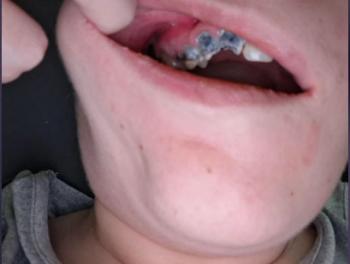
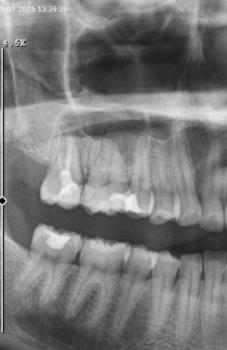
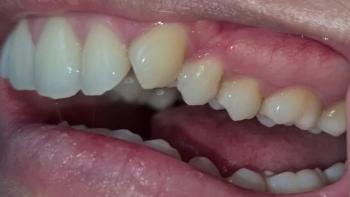
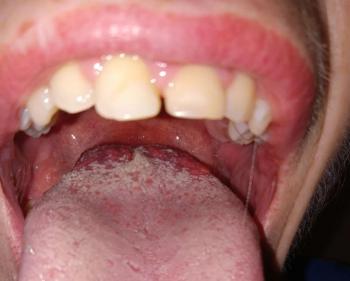
Patients with lower front gum inflammation may also experience tartar buildup, periodontal disease, gum abscesses, or tooth decay. Explore these related clinical case studies.




Other topics:
Other Dental Clinic