From Pain to Perfect — We Care for Your Smile.

Swelling of the Face After a Root Canal in Redding, California: A USA Dentist Explains Causes, Warning Signs, Treatment Options, and Worst-Case Scenarios (2026 Guide)
Language :
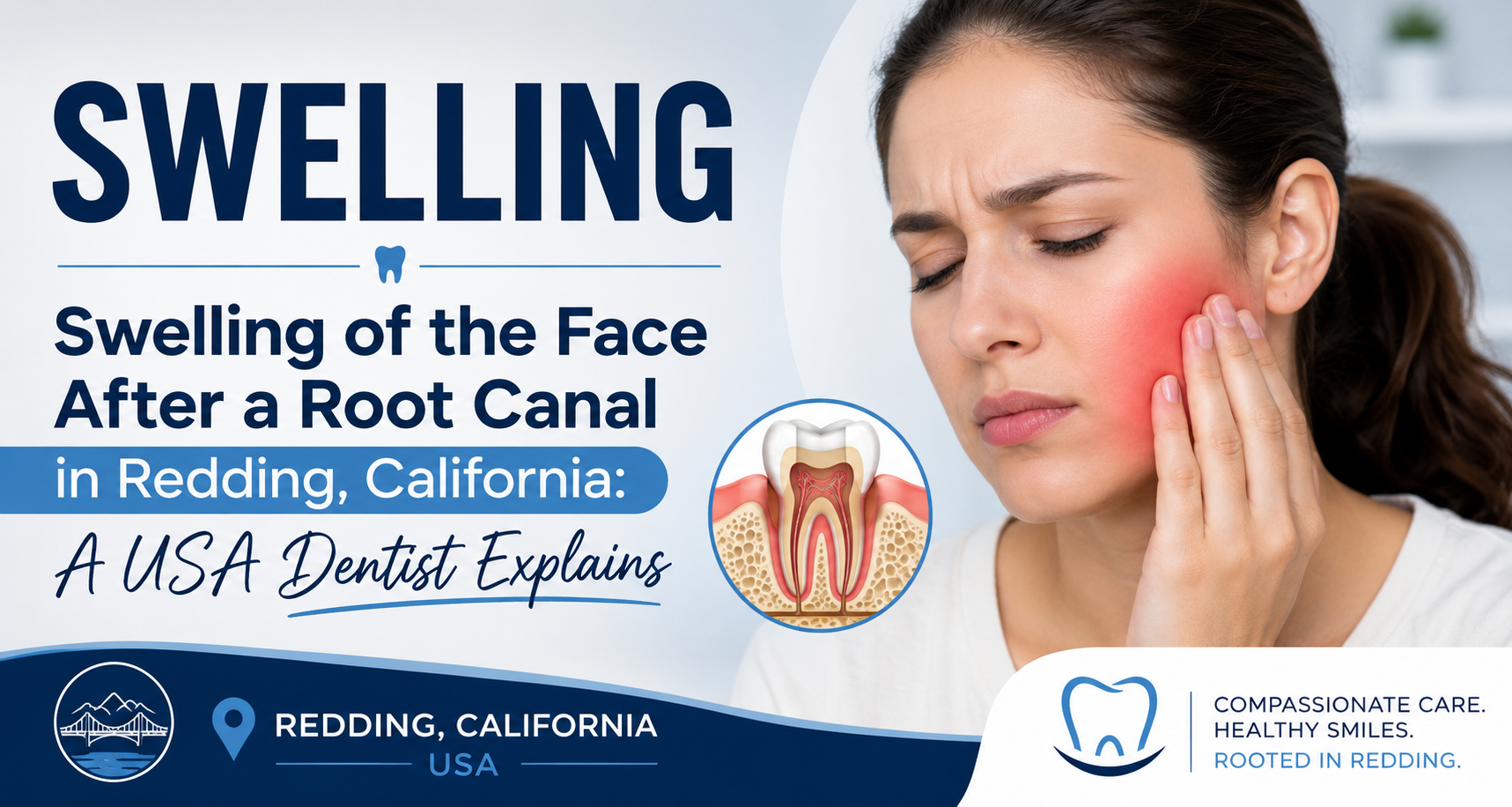
One of the most alarming situations for patients is waking up after a root canal treatment and noticing swelling in the face. Whether the swelling is mild around the cheek or severe enough to affect speaking, eating, or opening the mouth, many patients immediately wonder if something has gone wrong.
As a dentist who has treated complex root canal infections and dental emergencies for many years in the United States, I can tell you that facial swelling after a root canal can range from a normal healing response to a serious infection requiring immediate attention.
For patients in Redding, California, understanding the difference between expected post-treatment inflammation and a dangerous dental infection can help prevent complications and protect both your oral health and your overall health.
This guide explains:
- Why facial swelling occurs after a root canal
- How dentists diagnose the cause
- Which symptoms are normal
- Which symptoms are emergencies
- Worst-case scenarios that can occur
- Treatment options
- Recovery timelines
- Expert advice on preventing complications
Understanding Why Facial Swelling Happens
A root canal is performed to remove infected or inflamed tissue from inside a tooth.
The infected tissue contains:
- Bacteria
- Dead nerve tissue
- Inflammatory toxins
- Pus in severe cases
When a tooth has been infected for a long time, the surrounding bone and gum tissues may already be inflamed before treatment begins.
Even after the root canal is completed, the body must continue healing the damaged tissues around the tooth.
As a result, mild swelling can occur.
However, swelling can also indicate that bacteria remain active or that a new infection is developing.
The key question is not simply:
"Is there swelling?"
The key question is:
"Why is the swelling occurring?"
How a Dentist Diagnoses Facial Swelling After a Root Canal
Proper diagnosis is critical.
A dentist will usually evaluate:
1. Patient History
Questions often include:
- When did the swelling begin?
- Is it getting worse?
- Is there pain?
- Is there fever?
- Was the tooth infected before treatment?
The answers provide valuable clues.
2. Clinical Examination
The dentist checks:
- Gum tissues
- Cheek area
- Jaw movement
- Bite pressure
- Tooth sensitivity
The location of swelling often helps identify the source.
3. Digital X-Rays
Dental radiographs help identify:
- Remaining infection
- Missed canals
- Bone destruction
- Root fractures
- Abscess formation
4. CBCT 3D Imaging
For complex cases, Cone Beam CT scans provide a three-dimensional view of:
- Root anatomy
- Hidden infections
- Cracks
- Bone loss
CBCT technology has dramatically improved diagnosis of failed root canals.
Normal Swelling After a Root Canal
Some swelling is considered normal.
Typical characteristics include:
- Mild puffiness
- Slight tenderness
- Improvement after 48–72 hours
- No fever
- No spreading redness
Patients may notice:
- Slight cheek fullness
- Gum tenderness
- Mild soreness when chewing
These symptoms are generally part of normal healing.
Abnormal Swelling That Requires Attention
You should contact your dentist if swelling:
- Continues increasing
- Becomes painful
- Extends into the face
- Causes difficulty swallowing
- Causes difficulty breathing
- Is associated with fever
These symptoms may indicate active infection.
Common Causes of Facial Swelling After a Root Canal
1. Pre-Existing Dental Infection
This is the most common cause.
Many patients require root canal treatment because infection already exists.
The tooth may have:
- Deep decay
- Dead pulp tissue
- Bone infection
- Abscess formation
Even after treatment begins, the body's immune response continues.
This can temporarily increase swelling.
2. Acute Flare-Up
A flare-up is a sudden inflammatory reaction after treatment.
Symptoms include:
- Significant pain
- Pressure sensation
- Facial swelling
- Tenderness to biting
Although uncomfortable, flare-ups are usually manageable with prompt dental care.
3. Persistent Bacterial Infection
Some bacteria can survive inside:
- Tiny side canals
- Root branches
- Microscopic irregularities
When bacteria remain active, swelling may continue.
Patients often require:
- Additional cleaning
- Root canal retreatment
- Medication
4. Missed Root Canal
Many teeth contain more canals than expected.
For example:
Upper molars often have:
- Three canals
- Four canals
- Occasionally five canals
If one canal remains untreated, bacteria can survive.
The result may be:
- Ongoing infection
- Swelling
- Continued pain
5. Cracked Tooth
Cracks create pathways for bacteria.
Even a perfectly performed root canal cannot eliminate infection if the tooth continues to crack.
Signs include:
- Pain while chewing
- Recurrent swelling
- Unpredictable symptoms
Some cracked teeth ultimately require extraction.
6. Root Fracture
Vertical root fractures are among the most difficult dental problems.
Symptoms may include:
- Gum swelling
- Repeated abscesses
- Persistent infection
Unfortunately, extraction is often the only solution.
Swelling Location and What It May Mean
Cheek Swelling
Often associated with:
- Upper molars
- Lower molars
- Dental abscesses
Patients may notice a visibly enlarged face.
Eye Area Swelling
Upper tooth infections sometimes spread upward.
This situation requires immediate professional evaluation.
Jawline Swelling
Lower molar infections commonly affect:
- Jaw tissues
- Facial muscles
- Submandibular spaces
These infections can become serious quickly.
Neck Swelling
Neck involvement may indicate infection spreading beyond the tooth.
This is considered a medical emergency.
The Most Serious Worst-Case Scenarios
Most root canal patients heal successfully.
However, severe infections can occasionally develop.
Understanding these rare but dangerous complications is important.
Worst Scenario #1: Dental Abscess Expansion
An abscess is a collection of pus.
When pressure builds:
- Facial tissues enlarge
- Pain intensifies
- Swelling spreads
Without treatment, the infection may continue moving through surrounding tissues.
Worst Scenario #2: Cellulitis
Cellulitis occurs when infection spreads into facial soft tissues.
Symptoms include:
- Diffuse swelling
- Redness
- Warm skin
- Fever
Cellulitis requires urgent treatment.
Worst Scenario #3: Deep Facial Space Infection
Certain infections spread through anatomical spaces in the head and neck.
These infections may affect:
- Cheek spaces
- Jaw spaces
- Neck spaces
Hospital treatment may be necessary.
Worst Scenario #4: Airway Compromise
One of the most serious complications occurs when infection spreads toward the throat.
Warning signs include:
- Trouble swallowing
- Trouble speaking
- Difficulty breathing
This is an emergency requiring immediate medical attention.
Worst Scenario #5: Bone Destruction
Long-term infection can damage the jawbone.
Possible consequences include:
- Bone loss
- Tooth mobility
- Difficulty restoring the tooth
The longer infection remains untreated, the greater the risk.
Worst Scenario #6: Systemic Infection
In rare cases, bacteria may spread beyond the mouth.
Patients with compromised immune systems face increased risk.
Potential symptoms include:
- Fever
- Chills
- Fatigue
- Rapid heart rate
Immediate medical evaluation is essential.
How Dentists Treat Facial Swelling After a Root Canal
Treatment depends on the cause.
There is no one-size-fits-all solution.
Option 1: Observation and Monitoring
For mild swelling:
- Rest
- Hydration
- Anti-inflammatory medications
- Follow-up evaluation
Many patients improve within a few days.
Option 2: Antibiotics
Antibiotics may be prescribed when infection is present.
They help:
- Reduce bacterial activity
- Limit spread
- Support healing
However, antibiotics alone rarely solve the underlying dental problem.
The source of infection must also be addressed.
Option 3: Drainage of Infection
When pus accumulates, drainage may be necessary.
This relieves:
- Pressure
- Pain
- Swelling
Patients often experience immediate improvement afterward.
Option 4: Root Canal Retreatment
If infection remains inside the tooth:
The existing filling material is removed.
The dentist then:
- Re-cleans the canals
- Disinfects the canals
- Refills the canals
Retreatment can save many teeth that would otherwise be lost.
Option 5: Apicoectomy
An apicoectomy is a surgical procedure performed near the root tip.
It may be recommended when:
- Infection persists
- Traditional retreatment is insufficient
The infected root end is removed and sealed.
Option 6: Tooth Extraction
Sometimes the tooth cannot be saved.
Reasons include:
- Severe fractures
- Extensive bone loss
- Untreatable infection
Extraction removes the source of infection and protects overall health.
How Long Does Swelling Usually Last?
Typical healing follows this pattern:
First 24 Hours
- Mild swelling possible
- Tenderness common
Days 2–3
- Swelling often peaks
- Inflammation begins declining
Days 4–7
- Significant improvement
Two Weeks
- Most swelling resolved
Persistent swelling beyond this period should be evaluated.
Warning Signs That Require Immediate Attention
Contact your dentist immediately if you experience:
- Rapidly increasing swelling
- Fever
- Pus drainage
- Severe pain
- Difficulty opening your mouth
- Difficulty swallowing
- Difficulty breathing
These symptoms may indicate a serious infection.
Why Some Root Canal Cases Become More Complicated
Several factors increase risk.
Delayed Treatment
Waiting months or years allows infection to spread.
Large Abscesses
Extensive infections require longer healing.
Complex Root Anatomy
Hidden canals may be difficult to locate.
Cracked Teeth
Structural damage complicates treatment.
Medical Conditions
Certain conditions affect healing:
- Diabetes
- Immune disorders
- Autoimmune diseases
Can Facial Swelling Be Prevented?
Although not every case is preventable, patients can reduce risk by:
- Seeking treatment early
- Completing recommended procedures
- Taking medications as directed
- Maintaining excellent oral hygiene
- Attending follow-up visits
Early intervention remains the best strategy.
Advice for Patients in Redding, California
Patients often ask:
"Should I wait a few days and see if it improves?"
The answer depends on severity.
Mild swelling without fever may simply require monitoring.
However, swelling that is worsening, spreading, or affecting normal function should never be ignored.
One of the biggest mistakes patients make is assuming antibiotics alone will solve the problem. Antibiotics may reduce symptoms temporarily, but if infection remains inside the tooth, the issue usually returns.
The sooner a dentist identifies the cause, the easier and more predictable treatment becomes.
A USA Dentist's Final Thoughts
Facial swelling after a root canal can be frightening, but it does not automatically mean the treatment has failed.
In many cases, mild swelling is simply part of the body's healing response. However, persistent or worsening swelling can signal a deeper problem such as a remaining infection, missed canal, root fracture, abscess, or spreading bacterial disease.
The most important step is accurate diagnosis. Modern digital imaging, CBCT scans, and careful clinical evaluation allow dentists to identify the true cause and recommend the most effective treatment.
For patients in Redding, California, never ignore facial swelling that is increasing, painful, or accompanied by fever, swallowing difficulty, or breathing problems. While most cases are manageable, severe dental infections can become medical emergencies if left untreated.
Early treatment protects your tooth, your jawbone, and most importantly, your overall health. When in doubt, contact your dentist promptly and have the swelling professionally evaluated before a small problem becomes a much larger one.
Can tooth extraction cause infection? Mild inflammation is normal, but increasing swelling, fever, or severe pain may indicate infection. Learn more about post-extraction infection warning signs in this detailed guide.
Book a consultation with our Cebu dental specialists for proper evaluation and care.
Ready to get expert guidance?
If you’re experiencing severe pain or delayed healing, book a consultation with our Cebu dental specialists to get proper evaluation and care.
Consultation or contact page .
Book a Consultation
For severe discomfort or delayed healing, book a consultation with our Cebu dental specialists today.
Looking for a dentist? Browse our Cebu dental directory to find trusted clinics near you.
Medical Review and Clinical Basis
This article is based on clinical dental guidelines and real patient recovery patterns observed after tooth extraction procedures. The information reflects common post-extraction healing stages, including normal clot formation, gum tissue repair, and signs of possible complications such as dry socket or infection.
While mild discomfort is expected after a dental extraction, worsening pain after Day 3, bad odor, exposed bone, or spreading pain may require professional evaluation. These symptoms are consistent with known post-extraction complications described in standard dental practice.
About Cebu Dental Implants
Cebu Dental Implants provides comprehensive tooth extraction, surgical procedures, and dental implant services in the Philippines. Our team evaluates post-extraction healing, manages complications such as dry socket, and advises patients on proper aftercare to prevent infection and delayed healing.
If you experience severe pain or unusual symptoms after extraction, early professional assessment is recommended to prevent further complications.
Important Medical Disclaimer
This content is for educational purposes only and does not replace professional dental diagnosis. Every patient heals differently. If symptoms worsen or do not improve within a few days, consult a licensed dentist for proper evaluation and treatment.
Author
This article was prepared by the Cebu Dental Implants content team in consultation with licensed dental professionals experienced in tooth extraction and implant procedures.
Related Clinical Cases
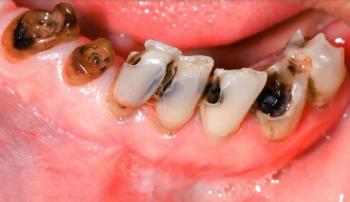
Patients with lower front gum inflammation may also experience tartar buildup, periodontal disease, gum abscesses, or tooth decay. Explore these related clinical case studies.



Other topics:
Other Dental Clinic
 |
|
 |
 |