Where Bright Smiles Begin.

Severe Oral Abscess With Bleeding: Warning Signs, Emergency Treatment, and Recovery
Image:
Severity:
Teeth Problems:
When Bleeding Gums May Signal a Serious Dental Infection
Bleeding inside the mouth can result from inflamed gums, periodontal disease, trauma, or an infected dental lesion. When bleeding occurs together with pus, significant swelling, severe pain, or damaged tissue, a serious dental infection must be considered.
A dental abscess is a collection of pus caused by a bacterial infection. It may develop around a tooth root or within the gum tissues. Without appropriate treatment, the infection can spread into nearby facial spaces and, in severe cases, become a medical emergency.
An important clinical distinction: bleeding alone does not establish the diagnosis of an abscess. A dentist must examine the affected tissues and teeth, and may need dental X-rays to identify the source of infection.
What Causes an Oral Abscess to Bleed?
Several conditions can cause bleeding around an infected tooth or gum.
-
Advanced gum inflammation: Inflamed gum tissue may bleed easily when touched or brushed.
-
Periodontal abscess: Bacteria can become trapped in a periodontal pocket, producing localized swelling, tenderness, and sometimes pus.
-
Tooth-root infection: Deep tooth decay, a cracked tooth, or an injured tooth may allow bacteria to infect the dental pulp and surrounding tissues.
-
Trauma to infected tissue: Chewing, brushing, or accidental injury may cause fragile, inflamed tissue to bleed.
-
Other oral lesions: Persistent ulcers, abnormal tissue growths, and other conditions can resemble an infection and may require further examination.
The amount of bleeding does not reliably indicate how deeply an infection has spread. Even a small opening that drains pus may conceal an ongoing infection.
Warning Signs That Require Urgent Attention
Arrange an urgent dental assessment if you experience suspected oral abscess symptoms, particularly when bleeding occurs with swelling, pus, or increasing pain.
Watch for:
-
Persistent or recurrent bleeding from the gums or an oral wound.
-
A swollen, red, or tender gum area.
-
Pus, an unpleasant taste, or persistent bad breath.
-
Pain when biting or chewing.
-
A tooth that feels loose or unusually sensitive.
-
Facial swelling, fever, or swollen lymph nodes.
When Is It a Medical Emergency?
Seek emergency medical care immediately if you have difficulty breathing or swallowing, rapidly spreading swelling of the face or neck, swelling around the eye with visual symptoms, or severe difficulty opening your mouth. Heavy bleeding that does not stop with gentle, continuous pressure also requires emergency assessment.
In the United States, call 911 for life-threatening symptoms.
Do not wait for a routine dental appointment if these warning signs are present.
How Dentists Diagnose and Treat a Bleeding Oral Abscess
A dentist evaluates the location and extent of swelling, the condition of the affected teeth, gum pockets, and possible sources of infection. Dental radiographs may help identify an infection near a tooth root or changes in surrounding bone.
Treatment depends on the diagnosis and may include:
-
Drainage: A dentist may drain accumulated pus when indicated.
-
Root canal treatment: If the tooth can be saved and the infection originates inside it, root canal treatment may remove infected pulp tissue.
-
Tooth extraction: A severely damaged or non-restorable tooth may need to be removed.
-
Periodontal treatment: An abscess originating in the gum pocket may require cleaning and treatment of the affected periodontal tissues.
-
Antibiotics when indicated: Antibiotics may be needed when there is spreading infection, systemic involvement, or another specific clinical indication.
Antibiotics are not a substitute for treating the source of the infection. Many localized dental infections require definitive dental treatment, and antibiotics are not routinely necessary in every case.
What Should You Do Before Reaching a Dentist?
If the area is bleeding, apply gentle, continuous pressure with clean gauze when practical. If bleeding is heavy or does not stop, seek emergency care.
While arranging professional treatment:
-
Rinse gently with lukewarm salt water if you can do so safely.
-
Maintain gentle oral hygiene without scrubbing the affected tissue.
-
Choose soft foods and avoid chewing directly on the painful area.
-
Use an over-the-counter pain reliever only if it is safe for you and according to its label or a clinician's instructions.
-
Do not squeeze, puncture, or attempt to drain the abscess yourself.
-
Do not place aspirin directly on the gum or wound.
-
Do not use leftover antibiotics or stop prescribed medication without appropriate professional advice.
Temporary pain relief does not mean the infection has been cured.
Short Patient Story: A Dental Emergency in California
The following is a fictional educational example, not a real patient case.
Daniel, a 42-year-old office worker in San Jose, California, noticed blood on his toothbrush and a painful swelling beside a lower molar. He assumed that brushing too hard had irritated his gums. Over the next day, the area became more tender, and he noticed an unpleasant taste in his mouth.
Concerned about the worsening symptoms, Daniel contacted an emergency dental clinic instead of waiting for his next scheduled cleaning.
During the examination, the dentist assessed the gum tissue and the affected tooth and obtained dental X-rays. The findings suggested a localized dental infection that required treatment. After determining the source, the dentist explained the appropriate options, including drainage and treatment of the affected tooth.
Daniel was also advised to seek immediate medical attention if he developed facial or neck swelling, fever with worsening illness, or difficulty swallowing or breathing.
The experience taught him an important lesson: bleeding gums should not automatically be dismissed as a minor brushing problem, especially when accompanied by pain, pus, or swelling.
Clinical takeaway: Early assessment can help identify the source of infection and reduce the risk of complications. Patients should not wait for severe pain before seeking care.
Frequently Asked Questions
1. Can a dental abscess cause bleeding?
Yes. An abscess may occur alongside inflamed or damaged gum tissue that bleeds easily. However, bleeding can also result from gingivitis, periodontitis, trauma, or other oral conditions. An examination is necessary to determine the cause.
2. Is a bleeding gum abscess dangerous?
It can be. The level of concern depends on the source of bleeding, the extent of swelling, and whether the infection is spreading. Heavy or uncontrolled bleeding, rapidly increasing swelling, fever with worsening symptoms, or difficulty swallowing or breathing requires urgent evaluation.
3. What if pus comes out and the pain decreases?
Pain may decrease when pressure is relieved, but drainage does not prove that the infection has resolved. The source may remain inside the tooth or periodontal tissues. Arrange prompt dental treatment even if the area feels better.
4. Can I treat an oral abscess at home?
No home remedy can reliably eliminate the source of a dental abscess. Gentle rinsing and appropriate pain relief may provide temporary comfort, but professional treatment is needed. Never cut, squeeze, or puncture the affected area.
5. Will antibiotics stop the bleeding and cure the abscess?
Antibiotics may be appropriate in selected cases, particularly when infection is spreading or causing systemic symptoms. They do not automatically eliminate the infected tooth or periodontal source. Definitive dental treatment remains essential when indicated.
6. Does every dental abscess require tooth extraction?
No. Depending on the condition of the tooth and the extent of damage, root canal treatment may preserve it. Extraction may be necessary when the tooth cannot be predictably restored. A dentist can recommend the appropriate option after examination.
7. Can a dental abscess spread to the face or neck?
Yes. Some dental infections can spread into facial or neck tissues. Rapidly increasing swelling, difficulty swallowing, breathing problems, or severe restriction in opening the mouth warrants immediate emergency medical assessment.
8. What should I do if bleeding continues after brushing?
Stop brushing the immediate area and assess the bleeding. If it is minor, arrange a dental appointment to identify the cause, particularly if it recurs. If bleeding is heavy or does not stop with gentle, continuous pressure, seek emergency care.
9. Can an oral abscess exist without severe pain?
Yes. Pain can vary, and some infections may cause limited discomfort or temporarily become less painful after drainage. Lack of severe pain does not rule out an abscess or eliminate the need for evaluation.
10. How can I reduce the risk of another dental abscess?
Brush twice daily with fluoride toothpaste, clean between teeth daily, attend regular dental examinations, and seek care for persistent toothache, gum swelling, or recurrent bleeding. Treating decay and gum disease early can help prevent some dental infections.
Final Clinical Advice
A suspected oral abscess with bleeding should not be diagnosed from appearance alone. Prompt dental evaluation helps establish whether the problem is a tooth-root infection, periodontal abscess, traumatic wound, or another oral condition.
If you have heavy uncontrolled bleeding, rapidly spreading facial or neck swelling, or difficulty breathing or swallowing, seek emergency medical care immediately.
Medical disclaimer: This educational article does not replace an in-person dental examination, diagnosis, or individualized treatment. Clinical findings and appropriate care vary from patient to patient.
Severe Oral Abscess With Active Bleeding Case Analysis
What Is Seen in This Case
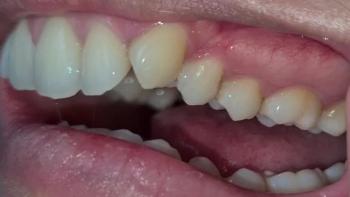
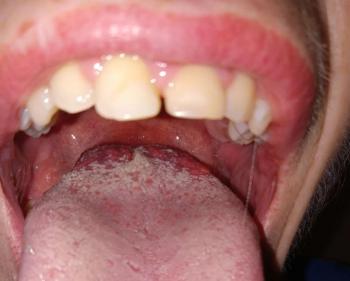
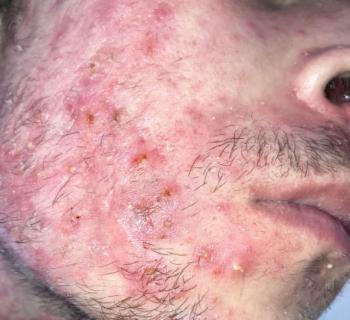
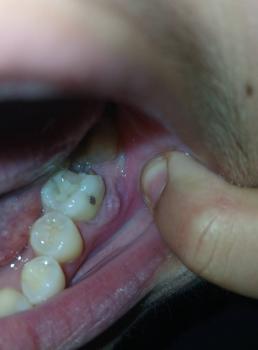
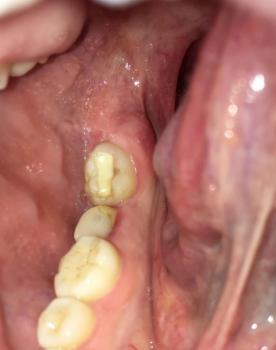
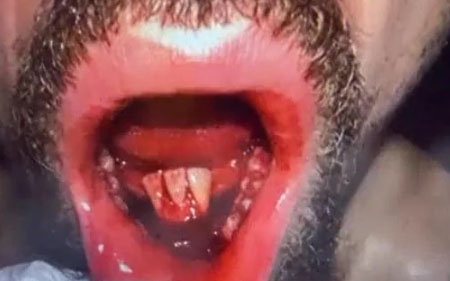
The image shows a severe open oral wound with heavy redness, exposed tissue, and active bleeding inside the mouth. The affected area appears to involve the lower front teeth region, with significant tissue damage and infection. The surrounding lips and oral tissue are highly inflamed.
This presentation indicates a serious and advanced oral infection, likely involving both soft tissue and underlying structures.
Most Likely Diagnosis
Based on visual examination, the most likely conditions include:
-
Severe dental or periodontal abscess
-
Advanced oral soft tissue infection
-
Possible necrotic (dying) tissue
-
Infection involving tooth roots and surrounding bone
-
High risk of systemic infection
This is not a mild dental problem and requires urgent professional care.
What Causes This Level of Infection
Common contributing factors include:
-
Untreated tooth abscess
-
Long-standing severe tooth decay
-
Gum disease left untreated
-
Trauma to infected teeth
-
Delayed or avoided dental care
Once infection reaches this stage, it can spread rapidly.
Is This a Medical Emergency
Yes. This condition is urgent.
If untreated, it may scale up into:
-
Rapid spread of infection to jawbone
-
Facial or neck swelling
-
Fever and systemic infection (sepsis)
-
Difficulty breathing or swallowing
-
Hospital admission
Immediate dental or medical evaluation is critical.
Recommended Treatment Process
Emergency Assessment (Same Day)
-
Urgent dental or hospital evaluation
-
Pain control and bleeding management
-
Imaging to assess bone and tooth involvement
Active Infection Control (Days 1–7)
Treatment may include:
-
Surgical drainage of abscess
-
Removal of severely infected teeth
-
Antibiotic therapy
-
Cleaning of necrotic tissue
Healing and Monitoring Phase (Days 8–14)
-
Reduction in swelling and bleeding
-
Gradual tissue healing
-
Follow-up visits to prevent recurrence
Long-term reconstruction may be needed after infection control.
Expected Healing Time
-
Acute pain relief: 2–4 days after treatment
-
Soft tissue healing: 7–14 days
-
Bone recovery may take longer depending on damage
Early treatment improves outcomes significantly.
What Happens If Treatment Is Delayed
Delaying care can result in:
-
Life-threatening infection
-
Permanent tissue damage
-
Tooth and bone loss
-
Emergency hospitalization
-
Increased treatment cost and complexity
This condition should never be ignored.
What to Do Immediately
-
Seek emergency dental or hospital care
-
Do not attempt home remedies
-
Do not press or drain the area yourself
-
Avoid smoking, alcohol, or irritating foods
Professional Comment
This case represents a severe oral abscess with active bleeding and tissue destruction. Immediate intervention is required to control infection and protect the patient’s overall health. Early treatment can be lifesaving.
Visit a Dental Clinic or Emergency Facility Near You
For urgent dental infection care, find help immediately at:
https://cebudentalimplants.com/map-dental-clinic
Related Clinical Cases
Patients with lower front gum inflammation may also experience tartar buildup, periodontal disease, gum abscesses, or tooth decay. Explore these related clinical case studies.