Transforming Smiles, Restoring Confidence.

Severe Broken and Infected Teeth — Symptoms, Treatment Options, and When to Seek Emergency Care
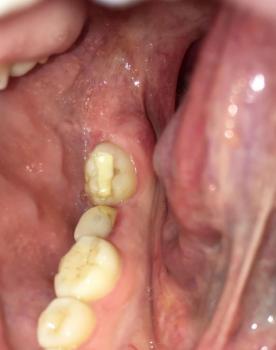
Image:
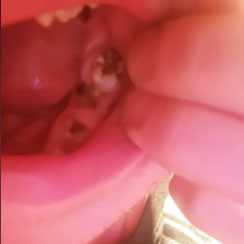
Severity:
Severe Broken Teeth and Dental Infection: An IT Manager’s Story, Warning Signs, and Treatment Options
Understanding Severe Tooth Decay and Infection
Severely broken teeth are more than a cosmetic concern. When extensive tooth decay reaches the dental pulp—the soft tissue containing nerves and blood vessels—bacteria can cause inflammation, pulp death, and infection around the root. In some cases, a dental abscess develops, causing pain, swelling, and possible spread of infection into surrounding tissues.
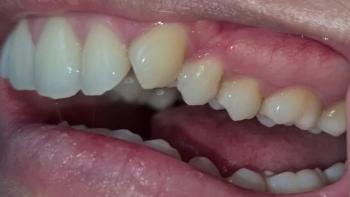
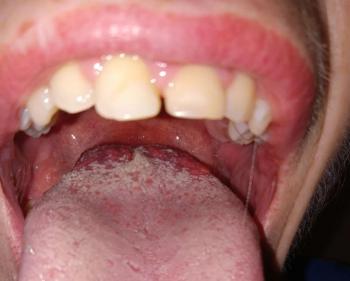
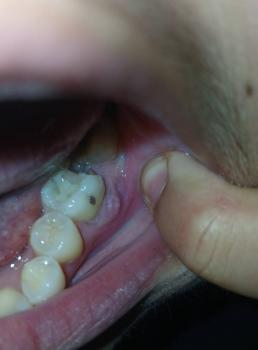
As discussed in the Severe Broken and Infected Teeth Case Analysis, severely damaged teeth require a professional dental examination and, when indicated, dental X-rays. Photographs alone cannot confirm the exact diagnosis or determine whether a tooth can be saved.
Short Story: An IT Manager Who Ignored His Broken Teeth
This is an illustrative fictional story created for educational purposes.
Mark, a 39-year-old IT manager in Cebu, spent most of his working hours troubleshooting server problems, managing cybersecurity alerts, and meeting demanding project deadlines. Unfortunately, he treated his dental problems as something he could postpone.
It began with a small cavity in a lower molar. Whenever he experienced discomfort, he chewed on the opposite side and continued working. Over several months, the tooth became increasingly fragile until a large section broke away.
Mark noticed a persistent bad taste in his mouth and occasional gum swelling. He took these symptoms lightly because the pain sometimes disappeared. He assumed the problem had resolved itself.
One morning, however, he woke up with throbbing tooth pain and swelling around his jaw. Eating breakfast became difficult, and concentrating on work was nearly impossible.
Concerned, Mark finally visited a dentist.
After examining his mouth and taking appropriate dental X-rays, the dentist explained that the broken tooth had extensive decay and might have an infection involving the pulp and tissues around the root. Other teeth also needed evaluation.
The dentist discussed the available options. If the affected tooth retained enough healthy structure and could be predictably restored, root canal treatment followed by suitable restoration might save it. If the tooth was too damaged to restore, extraction could be necessary. Any abscess would need appropriate dental treatment.
Mark was also advised that antibiotics are not a substitute for treating the source of a dental infection. They are prescribed when clinically indicated, rather than automatically for every broken tooth or localized abscess.
Because Mark had a limited budget, the dentist helped him prioritize urgent treatment and plan the remaining dental work in stages.
Mark learned an important lesson: a dental problem does not become harmless simply because the pain temporarily disappears. He began treating preventive dental appointments as essential maintenance, much like maintaining the computer systems he managed every day.
Dental Expert Commentary: Why Broken Teeth Can Become Infected
Severe tooth decay weakens the enamel and dentin until the tooth can fracture. When bacteria reach the pulp, the tissue may become irreversibly inflamed or die. Infection can then extend through the root tip into surrounding tissues, potentially producing a periapical abscess.
Common warning signs include:
-
Persistent or throbbing toothache.
-
Pain when biting or chewing.
-
A broken tooth with a deep cavity.
-
Swollen, tender gums or a gum bump that releases pus.
-
An unpleasant taste or persistent bad breath.
-
Facial swelling, fever, or difficulty opening the mouth.
Not every broken tooth is infected, and not every infected tooth causes severe pain. A tooth with a damaged or dead pulp may sometimes produce little discomfort despite significant disease.
What Treatment May Be Needed?
Treatment depends on the examination, X-ray findings, the amount of remaining healthy tooth structure, and the extent of infection.
1. Root canal treatment and restoration
A restorable tooth with diseased or infected pulp may be treated by removing the affected pulp tissue, cleaning and sealing the root canals, and restoring the tooth. A crown may be needed to protect a severely weakened tooth.
2. Drainage of a dental abscess
When an abscess is present, a dentist may need to drain it and treat the source of infection. Drainage alone may not be sufficient if the infected tooth remains untreated.
3. Tooth extraction
If a tooth is too extensively damaged to restore, extraction may be the safest option. Replacement with a denture, bridge, or dental implant can be considered later, after the patient's oral health and suitability have been assessed.
4. Antibiotics when indicated
Antibiotics may be appropriate when infection is spreading or there are systemic symptoms, depending on the clinical assessment. They do not repair a broken tooth or reliably eliminate the source of infection on their own.
What Can You Do While Waiting for Dental Care?
-
Arrange an urgent dental appointment rather than waiting for the pain to worsen.
-
Rinse gently with warm salt water and spit it out.
-
Brush carefully with a soft toothbrush.
-
Eat soft foods and avoid chewing on the affected side.
-
Avoid very hot, cold, or sugary foods if they trigger pain.
-
Use an appropriate over-the-counter pain reliever according to its label and your health circumstances; ask a pharmacist or clinician if you are unsure.
-
Do not place aspirin directly on the tooth or gum, attempt to drain an abscess, or pull out a tooth yourself.
-
Do not take leftover antibiotics or someone else's prescription.
When Is a Dental Infection an Emergency?
Seek emergency medical care immediately if you develop difficulty breathing or swallowing, rapidly spreading swelling of the face or neck, swelling around the eye with concerning symptoms, or substantial swelling beneath the tongue or in the floor of the mouth.
Facial swelling accompanied by fever, chills, difficulty opening the mouth, or rapidly worsening pain warrants urgent same-day assessment. Do not wait for a routine dental appointment if the infection appears to be spreading.
Frequently Asked Questions
Can a severely broken tooth heal on its own?
No. A fractured or extensively decayed tooth cannot regenerate its lost structure. Symptoms may fluctuate, but the underlying damage generally requires professional treatment.
Can an infected tooth cause facial swelling?
Yes. A dental infection can spread into nearby soft tissues and cause facial swelling. Rapid progression or swelling that affects breathing or swallowing requires emergency medical attention.
Is extraction always necessary for a severely broken tooth?
No. Some teeth can be saved with root canal treatment and a suitable restoration. Extraction is considered when the tooth cannot be predictably restored or when other clinical factors make saving it unsuitable.
Can antibiotics cure a dental abscess without dental treatment?
Usually not. Antibiotics alone do not remove the infected pulp or eliminate the source of infection. Definitive treatment may require drainage, root canal treatment, or extraction.
What if I cannot afford comprehensive dental treatment?
Tell the dentist about your budget. Ask which problems require urgent attention, which teeth may be saved, and whether treatment can be staged. Explore public dental services, dental-school clinics, or other reputable low-cost providers where available. Do not delay emergency assessment because you cannot afford a complete smile restoration.
How can I prevent severe tooth decay?
Brush twice daily with fluoride toothpaste, clean between your teeth daily, limit frequent sugary snacks and drinks, and attend regular dental check-ups. Seek early care for persistent sensitivity, cavities, fractures, or gum swelling.
Final Dental Advice
Severely broken and infected teeth should never be dismissed as merely an appearance problem. Early professional assessment can help control infection, relieve pain, and identify teeth that may still be saved.
As Mark's fictional experience illustrates, protecting your oral health is an important part of protecting your overall well-being. If you have a broken tooth with swelling, pus, or persistent pain, arrange prompt dental care.
Medical disclaimer: This article provides general educational information and is not a diagnosis or a substitute for examination by a licensed dentist. Treatment recommendations depend on individual clinical findings.
Understanding Severe Tooth Fractures and Dental Infection
A severely broken tooth is more than a cosmetic concern. When extensive decay or a fracture exposes the inner pulp, bacteria can reach the nerves and blood vessels inside the tooth, causing inflammation, pulp death, or infection around the root. In some cases, an abscess develops in the surrounding gum or bone.
Common warning signs include:
-
A tooth that has broken close to the gumline.
-
Persistent, throbbing, or biting-related tooth pain.
-
Swollen, red, or tender gums around a damaged tooth.
-
Pus, an unpleasant taste, or persistent bad breath.
-
Sensitivity to hot or cold foods and drinks.
-
Facial swelling, fever, or difficulty opening the mouth in more advanced cases.
Important: A tooth can have a serious infection even when the pain temporarily disappears. If the nerve inside the tooth dies, the tooth may become less sensitive while infection continues around its root. A dental examination and appropriate X-rays are needed to determine the actual condition.
How a Dentist Evaluates a Severely Broken Tooth
A dentist assesses whether the remaining tooth structure can support treatment and whether infection has affected the surrounding tissues.
The evaluation may include:
-
Clinical examination: Checking the fracture, decay, gum condition, tenderness, swelling, and any drainage.
-
Dental X-rays: Assessing the roots, surrounding bone, and possible infection around the root tip.
-
Pulp and tooth-restorability tests: Determining whether the pulp is healthy, inflamed, or non-vital and whether enough sound tooth structure remains for restoration.
-
Medical history review: Considering diabetes, immune-system problems, medications, allergies, and other factors that could affect treatment.
A photograph alone cannot reliably establish the extent of infection or determine whether a tooth must be extracted.
Treatment Options: Can a Severely Broken Tooth Be Saved?
Treatment depends on the fracture depth, remaining healthy tooth structure, root condition, and extent of infection.
Option 1: Root canal treatment and restoration
If the tooth is restorable, a dentist may remove infected or irreversibly damaged pulp, clean and seal the root canals, and restore the tooth. A crown may be necessary to protect a badly weakened tooth from further fracture.
Option 2: Drainage of a dental abscess
If an abscess is present, the dentist may drain it and treat the source of infection. Drainage alone is not always sufficient; the affected tooth may also require root canal treatment or extraction.
Option 3: Tooth extraction
Extraction may be recommended when the tooth is too damaged to restore, the fracture extends into an unfavorable part of the root, or the remaining structure cannot support a predictable restoration. A dentist should assess the tooth before deciding that removal is necessary.
Option 4: Replacement after healing
If a tooth is extracted, replacement may be considered after the infection is controlled and the tissues have been assessed. Options include a removable partial denture, a dental bridge, or a dental implant. Not every patient needs immediate replacement, and implant treatment may require additional healing, bone assessment, or grafting.
Are Antibiotics Enough to Cure an Infected Tooth?
No. Antibiotics alone usually cannot eliminate the source of an infection inside a severely damaged or non-vital tooth. Definitive dental treatment—such as drainage, root canal treatment, or extraction—is often required.
A dentist may prescribe antibiotics when there are signs of spreading infection, systemic involvement, or other specific clinical indications. They are not routinely necessary for every case of toothache or localized dental infection.
Never take leftover antibiotics, share prescription medicines, or change a prescribed course without professional advice.
What If the Patient Cannot Afford Treatment?
Financial difficulties should not prevent someone from seeking an assessment. The safest approach is to explain the budget honestly and ask the dentist to prioritize urgent care.
A practical, cost-conscious plan may include:
-
First priority: Assessing the infection and identifying any emergency risk.
-
Next priority: Treating the source through appropriate drainage, root canal treatment, or extraction.
-
Follow-up: Checking healing and completing any additional necessary treatment.
-
Long-term planning: Discussing preventive care and affordable tooth-replacement options if desired.
Ask local public dental services, dental schools, or community clinics whether they offer lower-cost assessments or treatment. Costs, waiting times, and available services vary.
Do not delay urgent care while saving for a crown or dental implant. Controlling the infection comes before elective restorative or cosmetic treatment.
Safe Home Care While Waiting for a Dental Appointment
Home care can provide temporary comfort, but it cannot repair a fracture or cure a dental abscess.
-
Rinse gently with warm salt water and spit it out.
-
Brush carefully with a soft toothbrush.
-
Eat soft foods and avoid chewing on the affected side.
-
Avoid very hot, cold, or sugary foods if they trigger pain.
-
Use an over-the-counter pain reliever only if it is safe for you and according to its label or a clinician's instructions.
-
Do not place aspirin directly on the tooth or gums.
-
Do not puncture an abscess, pull a tooth yourself, or apply harsh chemicals to the area.
Arrange an urgent dental appointment for suspected infection rather than relying on home remedies.
Emergency Warning Signs
Seek emergency medical care immediately if you experience:
-
Difficulty breathing, swallowing, or speaking.
-
Rapidly increasing swelling of the face, mouth, or neck.
-
Swelling around the eye or changes in vision.
-
Significant difficulty opening the mouth, particularly with worsening swelling or fever.
Fever, facial swelling, or feeling seriously unwell alongside a suspected dental infection also requires urgent same-day assessment. Dental infections can spread beyond the original tooth and may become dangerous.
Key Takeaway
A severely broken and infected tooth needs timely professional assessment. Some teeth can be saved with root canal treatment and restoration, while others require extraction. The safest treatment depends on clinical findings and X-rays—not appearance alone. Early assessment can reduce the risk of complications and help patients make informed decisions about affordable treatment.
Medical disclaimer: This article provides general educational information and does not replace a dental examination, diagnosis, or individualized treatment plan.
Teeth Case – Full Analysis and Provisional Diagnosis (Zoom 100%)
Medical disclaimer:
This assessment is based on a single image and patient statement. A confirmed diagnosis requires an in-person dental examination, radiographs, and professional evaluation. Dental infections can become serious and should not be ignored.
1. Visual Findings (Deep Examination)
-
Severely broken teeth:
-
One or more teeth appear fractured down to the root level.
-
Loss of crown structure with dark, necrotic tissue visible.
-
-
Advanced decay:
-
Extensive caries involving dentin and likely the pulp.
-
Appearance consistent with root caries and long-standing infection.
-
-
Soft tissue condition:
-
Surrounding gums appear inflamed.
-
Possible presence of chronic dental infection or abscess tract.
-
-
Overall condition:
-
Indicates multiple untreated dental problems, likely progressive over months or years.
-
2. Most Likely Diagnosis
-
Advanced dental caries
-
Root caries with crown fracture
-
Chronic pulp infection (likely non-vital teeth)
-
Possible dental abscess
-
High risk for spreading oral infection
3. Client Statement Consideration (Cannot Afford Dentist)
This is a common and valid concern. However, untreated dental infections can become life-threatening if they spread. There are lower-cost and staged treatment options that can reduce risk and pain even with limited funds.
4. What Will Scale Up if Untreated (14–30 Days)
If no intervention occurs, the following may worsen:
-
Increasing tooth pain or constant throbbing
-
Facial or jaw swelling
-
Formation or enlargement of dental abscess
-
Fever, fatigue, difficulty opening mouth
-
Spread of infection to jawbone (osteomyelitis)
-
Systemic infection risk (medical emergency)
-
Eventual complete tooth loss
5. Recommended Treatment Process (Cost-Aware, Step-by-Step)
Phase 1: Infection Control (Days 1–3)
-
Clinical examination and basic X-ray
-
Drainage of abscess if present
-
Prescription antibiotics (only if clinically indicated)
-
Pain management guidance
Goal: Stop active infection first (lowest immediate cost)
Phase 2: Stabilization (Days 4–7)
-
Extraction of non-restorable broken teeth (often cheaper than root canal)
-
Temporary fillings if any tooth can still be saved
-
Antibacterial mouth rinse recommendation
Phase 3: Healing and Planning (Days 8–14)
-
Gum and socket healing
-
Evaluation for:
-
Additional extractions if needed
-
Future low-cost replacement options (when affordable)
-
Estimated healing time:
-
Infection reduction: 3–7 days
-
Soft tissue healing after extraction: 7–14 days
6. If Treatment Takes 14 Days – Warning Signs
Seek immediate care if any of the following appear:
-
Rapid facial swelling
-
Fever or chills
-
Severe pain not relieved by medication
-
Difficulty swallowing or breathing
-
Pus discharge with foul taste
These are medical emergencies, not just dental problems.
7. Interim Home Care (Not a Cure)
These steps do not fix the problem but may reduce risk temporarily:
-
Rinse gently with warm salt water 2–3 times daily
-
Keep area as clean as possible
-
Avoid chewing on the affected side
-
Avoid smoking, alcohol, and sugary foods
-
Do not attempt to pull or break teeth yourself
8. Professional Commentary
This case represents advanced-stage dental disease. While financial limitations are real, delaying treatment increases cost and health risk over time. Many clinics offer basic extractions, public dental services, or staged care plans that prioritize infection control first.
Visit Nearest Dental Clinic
Find nearby dental clinics and lower-cost options using our directory:
https://cebudentalimplants.com/map-dental-clinic
Related Clinical Cases
Patients with lower front gum inflammation may also experience tartar buildup, periodontal disease, gum abscesses, or tooth decay. Explore these related clinical case studies.