We Bring Back the Sparkle in Your Smile.

Gingivitis, Early Gum Recession, and Severe Tartar Buildup: What Busy Professionals Need to Know
Image:
Severity:
Why Plaque and Tartar Require More Than Brushing
Dental plaque is a sticky bacterial film that forms continuously on teeth. When it is not removed effectively, it can harden into calculus, commonly called tartar. Tartar often accumulates near the gumline and behind the lower front teeth, where cleaning can be difficult.
As plaque and tartar accumulate, the gums may become red, swollen, tender, or prone to bleeding during brushing. These symptoms are consistent with gingivitis, an early form of gum disease. If periodontal disease develops and progresses, the tissues and bone supporting the teeth may be damaged.
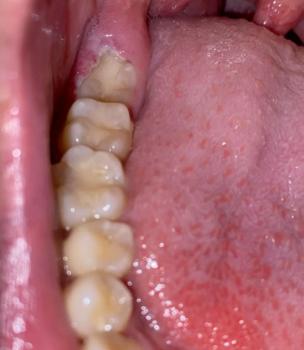
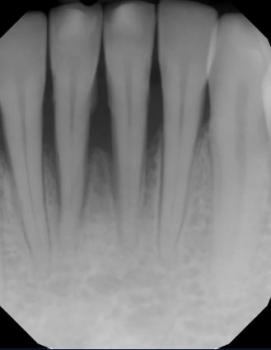
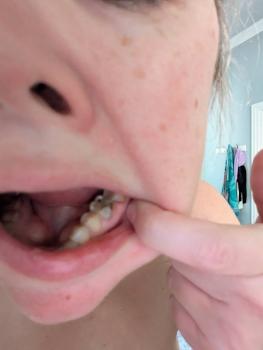
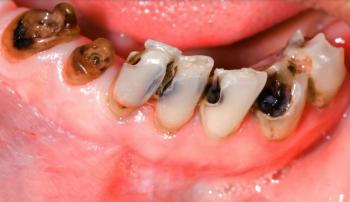
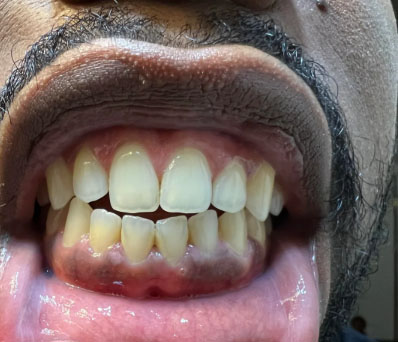
In the referenced dental case, the visible plaque accumulation and gum changes raise concern for plaque-related gingivitis and possible early gum recession. However, a photograph alone cannot establish the severity of periodontal disease or confirm whether supporting bone has been lost. A dentist must assess the gums, measure periodontal pockets, and take dental X-rays when indicated.
Severe Tartar Buildup: Why Professional Cleaning Matters
Brushing twice daily with fluoride toothpaste and cleaning between the teeth help control plaque. However, once plaque hardens into tartar, brushing and flossing cannot reliably remove it.
A dental professional may recommend:
-
Professional scaling: Removes hardened deposits above and, when needed, below the gumline.
-
Periodontal assessment: Checks gum inflammation, recession, pocket depths, tooth mobility, and other signs of disease.
-
Scaling and root planing: A deeper cleaning procedure that may be needed when periodontitis and deposits beneath the gums are present.
-
Personalized oral hygiene instruction: Helps patients improve brushing technique and clean difficult-to-reach areas.
-
Periodontal maintenance: Follow-up visits based on the patient's gum health, risk factors, and response to treatment.
Routine scaling is not the same as deep periodontal cleaning. The appropriate treatment depends on the clinical findings.
Can Early Gum Recession Be Reversed?
Gingivitis caused by plaque can often be reversed with effective daily oral hygiene and professional care. Gum recession is different: when gum tissue has already moved away from the tooth, it generally does not grow back naturally.
Treatment can help control inflammation and prevent further damage. Depending on the cause and severity, a dentist or periodontist may discuss options for protecting exposed roots, managing sensitivity, or treating significant recession.
Do not assume that bleeding gums are harmless simply because they do not hurt. Gum disease can progress with few obvious symptoms.
Short Patient Story: The Businessman Who Always Postponed His Dental Visit
This is an illustrative educational story, not a documented patient case.
Marco was a busy businessman who spent most of his day attending meetings, answering calls, and managing employees. Whenever he noticed blood on his toothbrush, he told himself he would visit the dentist after his next deadline.
Months passed. He began noticing persistent bad breath and yellow-brown deposits behind his lower front teeth. His gums also looked lower around some teeth, making them appear slightly longer. He tried brushing harder, believing that extra pressure would remove the buildup.
Unfortunately, hardened tartar cannot be removed safely at home by brushing harder. Excessive brushing can also irritate the gums and contribute to tooth wear or recession.
Eventually, Marco scheduled a dental appointment during a break in his workweek. The dentist examined his gums, checked the spaces around his teeth, and recommended professional cleaning and further periodontal assessment where necessary.
After treatment, Marco followed a simple daily routine: brushing gently twice a day with fluoride toothpaste, cleaning between his teeth once daily, and arranging follow-up appointments.
He learned an important lesson: protecting his oral health was not a distraction from his work. It was part of taking care of himself.
The takeaway: A busy schedule may explain why dental visits are delayed, but it does not stop plaque from hardening or gum disease from progressing. Scheduling an examination early may help prevent more complicated treatment later.
A Practical Oral Care Routine for Busy Professionals
-
Morning: Brush for two minutes using a soft-bristled toothbrush and fluoride toothpaste.
-
Between meetings or after meals: Drink water and rinse your mouth with water when convenient. Avoid relying on mouthwash as a replacement for brushing.
-
Evening: Brush for two minutes and clean between your teeth with floss or an appropriately sized interdental brush.
-
Avoid tobacco: Smoking and other tobacco use increase the risk of gum disease and can impair healing.
-
Book dental care before symptoms worsen: Arrange a professional examination and cleaning based on your dentist's advice. People with active gum disease may need more frequent maintenance than those with healthy gums.
Never attempt to scrape tartar off your teeth using metal tools, sharp objects, or homemade instruments. These methods can injure the gums and damage tooth surfaces.
When Should You Seek Urgent Dental Care?
Arrange a dental assessment promptly if you have persistent gum bleeding, increasing recession, pus, a persistent unpleasant taste, or teeth that feel loose.
Seek urgent dental or medical care if you develop facial swelling, fever with a suspected dental infection, or rapidly worsening pain. Difficulty swallowing or breathing, or swelling that is spreading quickly, requires emergency care.
Frequently Asked Questions
1. Can severe tartar cause gingivitis?
Yes. Plaque and tartar around the gumline can promote bacterial accumulation and inflammation. Gingivitis commonly causes redness, swelling, and bleeding. A professional examination can determine whether the condition has progressed to periodontitis.
2. Can I remove hardened tartar at home?
No. Brushing, flossing, and mouthwash can help control plaque, but hardened tartar requires professional removal by a dentist or dental hygienist. Avoid scraping your teeth with sharp tools.
3. Why do my gums bleed when I brush?
Bleeding can occur when gums are inflamed by plaque. Brushing too aggressively, trauma, certain medications, and other health conditions can also contribute. Use a soft toothbrush and gentle technique, and arrange a dental assessment if bleeding persists or recurs.
4. Will gum recession grow back after scaling?
Usually not. Scaling removes deposits and can reduce inflammation, but it does not normally regenerate lost gum tissue. The goal is to control disease, protect exposed roots, and prevent additional recession.
5. How long does gingivitis take to improve?
Gum inflammation may begin to improve within days after effective plaque control and appropriate professional treatment. The time needed for recovery varies. Persistent bleeding, swelling, or discomfort warrants reassessment rather than assuming that healing will occur by a particular date.
6. Is regular brushing enough if I have severe tartar?
No. Brushing twice daily and cleaning between teeth are essential for preventing new plaque buildup, but they cannot remove established tartar. Professional cleaning is needed, and deeper treatment may be necessary if periodontitis is present.
7. Can I have gum disease without pain?
Yes. Early gum disease may cause bleeding, redness, or swelling without significant pain. Some forms of periodontitis can progress with limited symptoms, so routine dental examinations remain important.
8. Does everyone need dental scaling every six months?
Not necessarily. The appropriate interval depends on individual risk factors, tartar accumulation, periodontal health, and treatment history. Some people benefit from more frequent periodontal maintenance, while others may need less frequent professional cleaning.
9. Can gum disease cause bad breath?
Yes. Plaque, tartar, inflamed gum pockets, and trapped food can contribute to persistent bad breath. Other causes include dry mouth, tongue coating, tooth decay, and certain medical conditions. Persistent bad breath should be assessed rather than masked with mouthwash alone.
10. When should a busy professional see a dentist?
Do not wait for tooth pain. Arrange an appointment if you notice persistent bleeding, visible tartar, gum recession, ongoing bad breath, sensitivity, or loose teeth. A dental professional can identify the cause and recommend an appropriate treatment plan.
Final Dental Guidance
Gingivitis and early plaque-related inflammation are often manageable when addressed promptly. Severe tartar, however, cannot be removed with home care alone, and established gum recession may be permanent. Professional assessment, appropriate cleaning, consistent oral hygiene, and individualized follow-up provide the best opportunity to preserve gum health and natural teeth.
Medical disclaimer: This article provides general oral-health education and does not replace an examination, diagnosis, or personalized treatment from a licensed dental professional.
Generalized Gingivitis With Early Gum Recession and Plaque Accumulation – Full Dental Case Analysis (100% Zoom)
Medical Disclaimer
This assessment is image-based and for educational purposes only. A definitive diagnosis requires an in-person dental examination, periodontal probing, and dental X-rays. The analysis below is based on visible clinical signs and standard dental guidelines.
Case Overview (Zoom 100%)
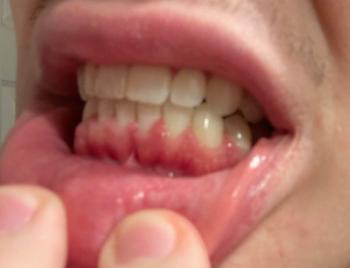
The image shows upper and lower anterior teeth with uneven gum coloration, visible plaque accumulation, and mild-to-moderate gum inflammation, particularly along the lower front teeth. The gum tissue appears darker and swollen in areas, suggesting chronic irritation rather than acute infection.
Tooth alignment is relatively intact, but the gum margin on the lower teeth shows early signs of recession and inflammation, which can progress if not addressed.
Primary Diagnosis
-
Generalized gingivitis (gum inflammation caused by plaque)
-
Early gingival recession on lower anterior teeth
-
Plaque and early calculus accumulation near the gum line
-
Increased risk for progression to periodontitis if untreated
Deep Clinical Examination (Image-Based Findings)
-
Red-to-darkened gum coloration indicating chronic inflammation
-
Slight swelling of gingival margins
-
Plaque deposits visible along lower front teeth
-
No obvious abscess or pus formation
-
Likely contributing factors:
-
Inconsistent oral hygiene
-
Irregular professional cleanings
-
Possible smoking or lifestyle-related plaque buildup
-
Can This Heal in 14 Days?
Gingivitis does not fully resolve without professional cleaning.
However, within 14 days, appropriate care can:
-
Significantly reduce gum inflammation
-
Eliminate plaque and early calculus
-
Prevent progression to bone loss
-
Improve gum color, firmness, and comfort
Early treatment offers an excellent prognosis.
Recommended Treatment Process
Step 1: Periodontal Evaluation (Days 1–3)
-
Periodontal probing to assess gum pocket depth
-
Oral hygiene assessment
-
Dental X-rays if bone loss is suspected
Step 2: Professional Cleaning (Days 3–7)
-
Scaling and polishing to remove plaque and tartar
-
Subgingival scaling if early pockets are present
-
Antibacterial mouth rinse recommendation
Step 3: Maintenance and Prevention (Days 7–14)
-
Oral hygiene instruction (proper brushing and flossing)
-
Desensitizing toothpaste if sensitivity exists
-
Establishment of regular 3–6 month cleaning schedule
Expected Healing Timeline
-
Gum redness reduction: 5–7 days
-
Swelling improvement: 7–10 days
-
Gum firmness and color improvement: 2–3 weeks
Long-term stability depends on consistent oral care.
What Will Escalate If Untreated
-
Progression from gingivitis to periodontitis
-
Permanent bone loss around teeth
-
Increased gum recession and tooth mobility
-
Higher risk of tooth loss
-
More invasive and costly treatments
Professional Comments
This condition is common and highly treatable in its current stage. With timely professional cleaning and improved daily oral hygiene, gum health can be restored and maintained long-term.
Delaying treatment allows silent damage beneath the gums.
Strong Recommendation
Schedule a dental visit for periodontal evaluation and professional cleaning as soon as possible.
You can find a dental clinic near your location using this directory:
https://cebudentalimplants.com/map-dental-clinic
Early intervention prevents irreversible gum and bone damage.
Related Clinical Cases
Patients with lower front gum inflammation may also experience tartar buildup, periodontal disease, gum abscesses, or tooth decay. Explore these related clinical case studies.