Because Every Tooth Deserves Care.

Severe Lower Molar Decay: Symptoms, Root Canal, Treatment Options, Recovery & When It's a Dental Emergency
Image:
Severity:
Teeth Problems:
Severe Lower Molar Decay: Urgent Restoration and Gum Care Needed
Case Type: Advanced Dental Caries and Calculus Accumulation
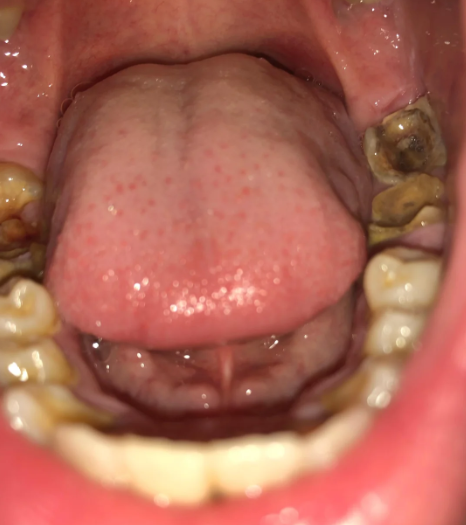
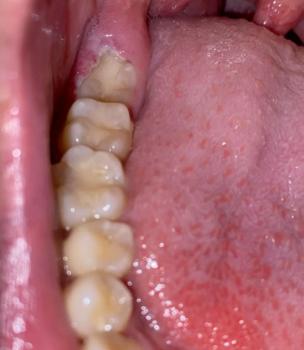
A 42-year-old patient presented with severe pain while chewing on the lower right molar. Clinical examination revealed extensive occlusal and proximal decay with bleeding gums and deep periodontal pocketing. Bitewing and periapical radiographs showed decay extending close to the pulp while moderate bone loss surrounded the tooth. After periodontal therapy and root canal treatment, the tooth was restored with a zirconia crown, allowing the patient to regain normal chewing function.
Full Analysis and Diagnosis
Upon examination, the posterior molars exhibit:
-
Extensive caries (tooth decay) on both left and right sides.
-
Possible pulp involvement — dark discoloration and cavity penetration indicate the decay may have reached the pulp chamber.
-
Heavy calculus deposits and plaque buildup along the gumline, likely contributing to inflammation or gingivitis.
-
Gingival swelling may be present, suggesting bacterial infection and poor oral hygiene.
Additional Expert Dental Guidance: Severe Lower Molar Decay Symptoms, Diagnosis, and Treatment
1. How to Recognize Advanced Decay in a Lower Molar
Severe lower molar decay can progress from a small cavity to extensive destruction of the tooth structure. The lower first and second molars play an important role in chewing, and their deep grooves and back-of-mouth location can make plaque removal more difficult.
Common symptoms of advanced lower molar decay include:
-
Persistent or throbbing toothache: Pain may occur spontaneously, at night, or while chewing.
-
Sensitivity to hot, cold, or sweet foods: Pain that continues after the trigger is removed may indicate inflammation of the dental pulp.
-
Pain when biting: This can result from deep decay, inflammation around the root, a crack, or an infection.
-
A visible cavity or broken tooth: Dark discoloration, missing tooth structure, or food repeatedly becoming trapped may indicate extensive decay.
-
Swollen or tender gums: Localized swelling, pus, or an unpleasant taste can suggest a dental abscess.
-
Pain that suddenly disappears: This does not always mean the tooth has healed. In some cases, the pulp has lost its vitality, while infection may remain around the root.
-
Facial or jaw swelling: Swelling can indicate that infection has spread beyond the tooth and requires urgent assessment.
Importantly, some severely decayed teeth cause little or no pain. A lack of symptoms does not reliably indicate that the tooth is healthy.
Clinical examination and appropriate dental X-rays help determine how deeply the decay has progressed and whether the tooth can be restored. Mayo Clinic: Cavities and tooth decay
2. What Happens When Lower Molar Decay Reaches the Dental Pulp?
The dental pulp is the living tissue inside the tooth that contains nerves, blood vessels, and connective tissue. When decay advances through the enamel and dentin, bacteria and their by-products can inflame or infect this tissue.
The condition may develop through several stages:
Stage 1 — Early enamel decay: Mineral loss begins, often without noticeable pain. Very early noncavitated lesions may be managed with fluoride and preventive care.
Stage 2 — Dentin involvement: A cavity develops deeper within the tooth. Sensitivity, food trapping, or discomfort during eating may occur.
Stage 3 — Pulp inflammation: Deep decay may cause pulpitis, with symptoms ranging from brief sensitivity to severe, spontaneous pain. Some cases require root canal treatment; the diagnosis depends on clinical findings.
Stage 4 — Pulp necrosis and infection: The pulp may die, allowing infection to develop within the root canal system. Inflammation can extend into the tissues around the root.
Stage 5 — Periapical infection or abscess: An accumulation of pus may develop near the root, sometimes accompanied by gum swelling, facial swelling, or fever.
These stages are not identical in every patient. Symptoms alone cannot establish whether the pulp is irreversibly inflamed, dead, or infected.
3. Can a Severely Decayed Lower Molar Still Be Saved?
Yes. Some severely decayed molars can be preserved, but the decision depends on how much healthy tooth structure remains, whether the roots are intact, and the condition of the surrounding gums and bone.
A dentist may recommend one of the following treatments.
Option A: Dental Filling
A filling may be appropriate when the decay can be removed while leaving enough healthy tooth structure to support a durable restoration and the pulp does not require endodontic treatment.
Option B: Root Canal Treatment and a Crown
Root canal treatment may be recommended when the pulp is irreversibly inflamed or infected but the tooth remains predictably restorable.
The procedure generally involves:
-
Examining the tooth and taking appropriate X-rays.
-
Administering local anesthesia.
-
Removing diseased pulp tissue.
-
Cleaning, disinfecting, and shaping the root canals.
-
Filling and sealing the canals.
-
Restoring the tooth with a durable filling or core and, when indicated, a crown.
Lower molars may have multiple canals, making careful assessment and treatment important. A crown is often recommended after extensive decay or root canal treatment because it helps protect weakened tooth structure from fracture.
A root canal does not rebuild a severely damaged crown by itself. The remaining tooth must be strong enough to support the final restoration. Mayo Clinic: Root canal treatment
Option C: Tooth Extraction
Extraction may be the most appropriate treatment when the molar cannot be predictably restored. Examples include extensive destruction below the gumline, a severe root fracture, or certain cases of advanced periodontal disease with inadequate supporting bone.
After extraction, replacement options may include a dental implant, a fixed bridge, or a removable partial denture. Not every patient needs immediate replacement, but the benefits, risks, cost, and consequences of leaving the space should be discussed with the dentist.
Clinical principle: Preserving a natural tooth is often desirable when a predictable outcome is possible. However, repeated attempts to save a tooth with a poor prognosis may not be the best option for every patient.
4. Why Gum Disease Can Complicate Severe Lower Molar Decay
Severe decay and periodontal disease can occur together, but they are different conditions.
Tooth decay destroys the hard tissues of the tooth. Periodontal disease affects the gums and the supporting tissues, including the bone around the roots.
When both conditions are present, the dentist may need to assess:
-
The depth and extent of the cavity.
-
Gum pocket measurements around the affected molar.
-
Bone loss and involvement of the area between the roots.
-
Tooth mobility and the stability of the remaining tooth structure.
-
Whether plaque, calculus, or food impaction is contributing to inflammation.
Professional cleaning or periodontal treatment may be needed alongside restorative or root canal treatment. The order of treatment depends on the urgency of the infection, the tooth's restorability, and the patient's periodontal condition.
A crown cannot compensate for severe loss of periodontal support. Long-term success requires treating both the damaged tooth and any significant gum disease.
5. What to Expect During Recovery After Lower Molar Root Canal Treatment
Recovery varies according to the original infection, the complexity of the procedure, and the amount of damage present before treatment.
During the first 24–72 hours: Mild tenderness around the treated tooth may occur. Follow the dentist's instructions, eat softer foods if chewing is uncomfortable, and avoid biting hard foods on the tooth until the restoration is secure.
Over the following days: Discomfort should generally improve. Use pain medication only according to the dentist's advice or the product label, taking personal contraindications into account.
During the restoration phase: Attend the follow-up appointment for the permanent filling or crown as directed. A temporary restoration is not a substitute for completing the treatment plan.
Long-term care: Brush twice daily with fluoride toothpaste, clean between the teeth daily, and attend regular dental checkups. A root-treated tooth can still develop new decay or fracture.
Contact your dentist promptly if pain is worsening, swelling develops, your bite feels uneven, the temporary filling comes out, or symptoms fail to improve as expected.
6. When Is Severe Lower Molar Decay a Dental Emergency?
Not every cavity requires emergency-department care, but some symptoms demand immediate attention.
Arrange urgent dental assessment for severe or persistent toothache, pain that prevents sleep, pus, localized gum swelling, a broken molar with significant pain, or suspected dental abscess.
Seek emergency medical care immediately if you experience difficulty breathing or swallowing, rapidly increasing swelling of the face, floor of the mouth or neck, significant difficulty opening your mouth, or swelling around the eye with visual symptoms. These may indicate a spreading infection that could threaten the airway or other structures.
Fever, marked malaise, or facial swelling with a suspected dental infection also warrants urgent same-day assessment.
Do not wait for a routine dental appointment if the swelling is spreading or you are becoming systemically unwell. NHS: Dental abscess
7. Do Antibiotics Cure Severe Tooth Decay?
No. Antibiotics do not repair a cavity and are not a substitute for root canal treatment, drainage, or extraction when these procedures are indicated.
For most pulpal and localized periapical dental conditions in otherwise healthy adults, definitive dental treatment is the priority rather than antibiotics alone. A dentist or physician may prescribe antibiotics when there are signs of systemic involvement or other specific clinical indications.
Do not take leftover antibiotics, share medication, or start an antibiotic without professional advice. If swelling persists despite antibiotics, arrange prompt reassessment because the source of infection may still require treatment.
American Dental Association: Antibiotics for dental pain and swelling
Frequently Asked Questions About Severe Lower Molar Decay
1. What are the first warning signs of severe lower molar decay?
Early decay may cause no symptoms. As it progresses, you may notice sensitivity to sweets or cold drinks, food getting trapped in a cavity, pain while chewing, or spontaneous toothache. Severe pain, swelling, or pus can indicate deeper disease and should be assessed promptly.
2. Does a black lower molar always mean the tooth is infected?
No. Black or dark areas can result from decay, staining, or other changes in the tooth. A dental examination and sometimes X-rays are necessary to determine the cause. A dark tooth with pain or swelling needs prompt assessment.
3. Can a lower molar with a large hole be saved?
Possibly. If sufficient healthy tooth structure remains and the roots and supporting tissues are suitable, a dentist may recommend a filling, root canal treatment, and a crown. If the damage is too extensive, extraction may provide a more predictable outcome.
4. Does severe lower molar decay always require a root canal?
No. A root canal is generally considered when the pulp is irreversibly inflamed or infected and the tooth can be restored. Some cavities can be treated with fillings or other pulp-preserving procedures, while non-restorable teeth may need extraction.
5. Why does my lower molar hurt more at night?
Tooth pain can become more noticeable at night because there are fewer distractions and changes in posture may affect how pain is perceived. Persistent or spontaneous nighttime pain can occur with significant pulp inflammation. It is not a reliable diagnostic test by itself, but it is a reason to arrange prompt dental assessment.
6. Why does my tooth stop hurting even though the cavity is still there?
The pulp may have lost vitality, or the inflammation may have changed. Infection can remain in the root canal system or surrounding tissues even when pain decreases. Do not assume that the tooth has healed simply because the pain has disappeared.
7. Can a dental abscess heal with antibiotics alone?
Antibiotics alone often do not eliminate the underlying source of a dental abscess. Depending on the diagnosis, treatment may require root canal therapy, drainage, or extraction. Persistent or worsening swelling needs urgent reassessment.
8. How long does a lower molar root canal take?
Many root canal treatments are completed in one or two visits, but complex molars or teeth with significant infection may require additional appointments. The duration depends on the anatomy, diagnosis, and treatment plan.
9. Will I need a crown after a lower molar root canal?
A crown is often recommended when substantial tooth structure has been lost because it can reduce the risk of fracture. The final restoration depends on the amount of remaining tooth structure, the location of the damage, and the dentist's assessment.
10. Can I chew normally after root canal treatment?
Avoid chewing hard foods on the treated tooth until your dentist confirms that it has been adequately restored. Temporary tenderness is common, but increasing pain or swelling should not be ignored.
11. What happens if I leave severe lower molar decay untreated?
Decay may progress, causing increasing destruction, pulp inflammation, pulp necrosis, root-area infection, or an abscess. The tooth may eventually become impossible to restore. In some cases, infection can spread into facial and neck tissues and become dangerous.
12. Should I extract a severely decayed molar or save it with a root canal?
The decision should be based on the tooth's restorability, periodontal support, root condition, likely long-term prognosis, cost, and your preferences. Ask your dentist to explain the expected outcome of saving the tooth compared with extraction and replacement.
13. Can I wait until next week if my lower molar is swollen?
Do not delay assessment of a suspected dental abscess or new swelling. Contact a dentist for urgent advice, preferably the same day. If you have difficulty breathing or swallowing, rapidly spreading swelling, or other emergency warning signs, seek emergency medical care immediately.
14. How can I prevent severe decay in other molars?
Brush twice daily with fluoride toothpaste, clean between your teeth daily, reduce frequent consumption of sugary foods and drinks, and attend regular dental examinations. Your dentist may recommend additional fluoride or dental sealants depending on your risk of developing cavities.
Expert Dental Conclusion
Severe lower molar decay should be evaluated before the tooth becomes non-restorable. Pain intensity alone cannot establish how much damage has occurred, and temporary relief does not rule out infection.
A proper diagnosis combines clinical examination, appropriate radiographs, pulp assessment, and evaluation of the gums and supporting bone. Depending on these findings, treatment may involve a filling, pulp therapy, root canal treatment and a crown, periodontal care, or extraction.
The safest approach is early diagnosis and definitive treatment—not waiting for the pain to become unbearable. Seek emergency care for symptoms suggesting a spreading infection or threatened airway.
Recommended Dental Procedures
-
Initial Phase (Day 1–3):
-
Full oral cleaning and scaling to remove calculus and bacterial plaque.
-
Caries excavation and temporary filling to prevent further infection.
-
-
Intermediate Phase (Day 4–10):
-
Endodontic evaluation (root canal treatment) if pulpal infection or pain is present.
-
Restoration or extraction depending on tooth structure integrity.
-
-
Final Phase (Day 11–14):
-
Permanent fillings or crowns for restored teeth.
-
Soft tissue therapy (antiseptic rinses, possible antibiotics if infection persists).
-
Why Lower Molars Fail More Often
- Deep pits and fissures
- High chewing forces
- Difficult access for brushing
- Food impaction
- Multi-root anatomy
- Plaque retention
- Gum inflammation
Severe Lower Molar Decay: Why Immediate Treatment Matters
Lower molars are among the hardest-working teeth in your mouth. Every meal places tremendous chewing pressure on these teeth. Unfortunately, their deep grooves and location near the back of the mouth also make them one of the most common places for severe tooth decay to develop.
When decay is ignored, bacteria can destroy enamel, penetrate dentin, infect the dental pulp, inflame surrounding gums, and eventually spread into the jawbone. At this stage, treatment becomes significantly more complex—and delaying care can increase the risk of losing the tooth or developing a serious infection.
Clinical Case Study
Patient Overview
Age: 42 years old
Chief Complaint
The patient reported:
- Severe pain while chewing
- Lingering sensitivity to hot and cold beverages
- Bleeding gums around the lower molar
- Bad taste in the mouth
- Difficulty chewing on one side
The discomfort had gradually worsened over several months before becoming severe enough to seek dental treatment.
Clinical Examination
The dental examination revealed:
- Extensive decay involving the chewing surface and side of a lower mandibular molar
- Significant loss of enamel
- Deep dentin destruction
- Gingival inflammation surrounding the tooth
- Bleeding during periodontal probing
- Deep periodontal pocket adjacent to the affected molar
- Heavy plaque accumulation near the gumline
The remaining tooth structure appeared weakened and at risk for fracture.
Additional Expert Dental Guide: Severe Lower Molar Decay, Hidden Infection, Root Canal Treatment, and Recovery
1. Why Severe Lower Molar Decay Requires Professional Evaluation
Lower molars play an important role in grinding food and maintaining efficient chewing. Because their chewing surfaces have grooves and pits, they can develop cavities when dental plaque and acids gradually weaken the enamel. Decay can progress through the enamel and dentin and eventually reach the dental pulp, which contains nerves and blood vessels.
Early decay may cause no noticeable symptoms. As the damage progresses, patients may experience sensitivity to cold drinks, discomfort when eating sweets, pain during chewing, or spontaneous toothache. When the pulp becomes severely inflamed or infected, the pain may become persistent or intense.
Expert dental perspective: A dentist should not determine the severity of a cavity based on appearance alone. A clinical examination, appropriate dental X-rays, and tests of the tooth's pulp and surrounding tissues help establish whether the tooth can be restored and which treatment is appropriate.
Deep decay may lead to pulp inflammation, pulp death, infection around the root, or a dental abscess if left untreated. Early diagnosis improves the opportunity to treat the problem before further damage occurs.
2. Warning Signs That Lower Molar Decay May Have Reached the Pulp
The following symptoms may indicate more advanced tooth damage:
-
Lingering sensitivity: Pain from hot or cold food and drinks continues after the temperature stimulus is removed.
-
Spontaneous toothache: Pain develops without eating or drinking and may interrupt sleep.
-
Pain when biting: The tooth hurts when chewing or applying pressure.
-
Gum swelling: The gum near the affected tooth becomes tender, swollen, or develops a pimple-like bump.
-
Persistent bad taste: Pus or drainage from an infected area may produce an unpleasant taste or odor.
-
Facial or jaw swelling: Infection may be spreading beyond the tooth.
-
Fever or feeling unwell: These symptoms can accompany a spreading dental infection.
These signs are not definitive diagnoses. A cracked tooth, gum disease, a high filling, or other dental conditions can cause similar symptoms. Some severely damaged teeth produce little pain, so the absence of a toothache does not guarantee that the tooth is healthy.
Reference: American Association of Endodontists, Tooth Pain and Abscessed Teeth.
3. What Happens If Severe Tooth Decay Is Left Untreated?
Severe decay can progress through several stages, although the exact course varies between patients.
Stage 1 — Enamel and dentin damage
A cavity develops as acids produced by plaque bacteria dissolve tooth minerals. Once the dentin is affected, the tooth may become more sensitive.
Stage 2 — Pulp inflammation
When bacteria and their by-products approach or enter the pulp, inflammation may develop. Irreversible pulpitis can cause severe, lingering, or spontaneous pain.
Stage 3 — Pulp death and infection around the root
The pulp may die, and infection can develop in the tissues surrounding the root. Pain may fluctuate or temporarily diminish, but this does not necessarily mean the infection has resolved.
Stage 4 — Dental abscess or spreading infection
An abscess may develop around the root or in nearby tissues. Symptoms can include swelling, pus, tenderness, fever, and difficulty opening the mouth.
In serious cases, a dental infection can spread into the face, neck, or deeper tissues. These complications require urgent medical and dental attention.
Expert recommendation: Do not wait for severe pain before seeking care. If the tooth is visibly broken down, has a deep cavity, or repeatedly hurts, arrange a dental assessment promptly.
4. Can a Severely Decayed Lower Molar Still Be Saved?
In many cases, yes. However, saving a tooth depends on whether enough healthy tooth structure remains and whether the roots and supporting tissues can be treated successfully.
Treatment option A: Filling or restorative treatment
If the decay has not irreversibly damaged the pulp and sufficient healthy tooth structure remains, the dentist may remove the decayed tissue and restore the tooth with an appropriate filling or other restoration.
For selected deep cavities, a dentist may use a pulp-preserving approach, such as selective caries removal or vital pulp therapy, when the clinical findings support it.
Treatment option B: Root canal treatment
Root canal treatment may be recommended when the pulp is irreversibly inflamed or infected but the tooth is still restorable.
The procedure generally involves:
-
Numbing the tooth with local anesthesia.
-
Isolating the tooth to keep it clean and reduce contamination.
-
Creating access to the pulp chamber.
-
Removing inflamed or infected pulp tissue.
-
Cleaning, shaping, and disinfecting the root canals.
-
Filling and sealing the canals.
-
Restoring the tooth with an appropriate filling or, frequently for a severely weakened molar, a crown.
A lower molar often has multiple roots and canals, so treatment can be technically demanding. Some cases benefit from referral to an endodontist, a dentist specializing in root canal treatment.
Treatment option C: Tooth extraction
Extraction may be necessary when the tooth cannot be predictably restored. Examples include certain fractures extending below the gumline, extensive destruction of the remaining tooth structure, or severe damage to the root-supporting tissues.
If extraction is necessary, the dentist can discuss replacement options, including a dental implant, bridge, or removable partial denture. The appropriate choice depends on bone health, gum condition, general health, costs, and the patient's preferences.
Important: Root canal treatment and extraction are not interchangeable decisions based only on how painful a tooth feels. A dentist must assess restorability, periodontal support, root anatomy, and the expected long-term outcome.
5. How to Recognize a Possible Dental Emergency
Severe lower molar decay with intense pain requires urgent dental assessment. The presence of swelling, fever, or difficulty opening the mouth raises additional concern.
Seek emergency medical care immediately if you experience:
-
Difficulty breathing, swallowing, or speaking.
-
Rapidly spreading swelling of the face, mouth, or neck.
-
Significant swelling under the tongue or in the floor of the mouth.
-
Swelling around the eye or changes in vision.
-
Severe systemic illness associated with a dental infection.
These symptoms can indicate a potentially dangerous spreading infection. Do not wait for a routine dental appointment.
If you have facial swelling, fever, pus, or worsening pain without airway symptoms, seek urgent dental care, preferably the same day. A dentist may need to drain the infection and treat its source.
Reference: NHS, Dental Abscess.
6. What Can You Do While Waiting for Dental Treatment?
Home care can help manage symptoms temporarily, but it cannot remove deep decay or reliably eliminate an infection inside a tooth.
-
Keep the area clean. Brush gently with fluoride toothpaste and clean around the affected tooth.
-
Rinse gently with warm salt water. This may provide temporary comfort, but do not use it as a substitute for treatment.
-
Choose soft foods. Avoid chewing on the affected side and avoid very hot, cold, or sugary foods if they trigger pain.
-
Use pain medication only when appropriate. Paracetamol (acetaminophen) or ibuprofen may help when used according to the package directions and your medical circumstances. Ask a pharmacist or clinician if you have medical conditions, take other medicines, or are unsure which option is safe.
-
Avoid putting aspirin directly on the tooth or gum. It can irritate and damage oral tissues.
-
Do not squeeze an abscess or attempt to drain it yourself.
-
Do not take leftover antibiotics. Antibiotics are not a substitute for definitive dental treatment and are not needed for every case of toothache.
If an infection is spreading or accompanied by systemic symptoms, a clinician may prescribe antibiotics alongside appropriate dental treatment. The choice depends on the clinical assessment.
7. Recovery After Lower Molar Root Canal Treatment
Recovery varies according to the extent of the original inflammation or infection and the complexity of the procedure.
First 24 hours
Local anesthesia may leave the mouth numb for several hours. Avoid chewing until normal sensation returns. Follow the dentist's instructions about eating, medication, and protecting any temporary restoration.
First few days
Mild tenderness when biting or soreness around the treated tooth can occur. The discomfort should generally improve rather than progressively worsen.
Eat comfortably and avoid hard or sticky foods on the treated tooth, especially if a temporary filling is present or the tooth has not yet received its final restoration.
Following days to weeks
The dentist will advise when the permanent restoration should be completed. A severely decayed molar may need a crown or another protective restoration to reduce the risk of fracture.
Follow-up may include an examination and, when indicated, dental X-rays to assess healing around the root.
When should you contact the dentist again?
Contact the treating dentist if you experience worsening or severe pain, increasing swelling, a returning abscess, a lost temporary filling, or a bite that feels noticeably too high. Fever or spreading swelling requires urgent assessment, while breathing or swallowing difficulty requires emergency care.
A root canal treats the diseased pulp, but the tooth still needs a durable restoration and continued oral hygiene to remain functional.
8. How to Reduce the Risk of Future Molar Decay
Preventive care can lower the likelihood of new cavities and help preserve existing teeth.
-
Brush twice daily with fluoride toothpaste.
-
Clean between the teeth daily using floss or suitable interdental cleaners.
-
Reduce the frequency of sugary snacks and sweetened drinks.
-
Avoid repeatedly sipping sugary or acidic beverages throughout the day.
-
Attend dental checkups at intervals recommended for your individual risk.
-
Ask your dentist whether fluoride treatments or dental sealants are appropriate.
-
Have existing cavities, cracked restorations, and food-trapping areas assessed before they become more difficult to treat.
Prevention is particularly important for molars because their grooves and the spaces between teeth can be difficult to clean thoroughly.
9. Expert Dentist's Final Advice
Severe lower molar decay should be treated as a condition requiring professional diagnosis, not simply as a pain-management problem. Persistent pain, lingering temperature sensitivity, pain on biting, gum swelling, or a bad taste may indicate pulp damage or infection.
A clinical examination and appropriate imaging help the dentist decide whether the tooth can be restored with a filling, requires root canal treatment and a protective restoration, or needs extraction.
The best treatment is the one that controls the disease, protects the patient's health, and offers a predictable long-term outcome. When possible, preserving a restorable natural tooth is an important goal. When a tooth cannot be saved, the dentist should explain the alternatives and their advantages and limitations.
Medical disclaimer: This educational guide is not a diagnosis or a substitute for an examination by a licensed dentist. Dental symptoms can have several causes, and treatment must be individualized.
Important Questions Before Choosing Root Canal Treatment or Tooth Extraction
A severely decayed lower molar may still be treatable, but the correct approach depends on the amount of healthy tooth structure remaining, the condition of the dental pulp, and the health of the surrounding gums and bone.
Before agreeing to treatment, ask your dentist the following questions:
1. Is my tooth strong enough to be saved?
Ask whether enough healthy tooth structure remains to support a permanent filling, core build-up, or crown. A tooth with a deep crack, extensive destruction below the gumline, or severe periodontal damage may have a poor prognosis even if root canal treatment is technically possible.
2. Has the decay reached the dental pulp?
Your dentist may use dental X-rays, temperature or electric pulp tests, percussion tests, and a clinical examination to assess the condition of the tooth. No single test is always conclusive.
3. Will I need a crown after root canal treatment?
A badly damaged molar often needs a crown or another restoration that protects the remaining tooth from chewing forces. Not every root-canal-treated tooth requires the same type of restoration, so the decision should be individualized.
4. Is gum disease affecting the prognosis?
Bleeding gums, deep periodontal pockets, and bone loss can affect how long a treated molar remains functional. Gum disease may need treatment alongside the decay and pulp infection.
5. What happens if I choose extraction?
If the tooth cannot be predictably saved, ask about the consequences of leaving the space untreated and whether a dental implant, bridge, or removable partial denture would be appropriate. The decision depends on your bite, bone and gum health, neighboring teeth, medical circumstances, and budget.
6. What is the total treatment plan?
Request an explanation of the expected appointments, temporary restoration, final filling or crown, follow-up visits, and any additional gum treatment. Understanding the complete plan helps you compare options based on long-term function rather than the initial procedure alone.
The main goal is to control the disease, protect your health, and preserve the natural tooth when it can be restored with a reasonable long-term prognosis.
Frequently Asked Questions About Severe Lower Molar Decay
1. Can a severely decayed lower molar be saved without extraction?
Sometimes. If sufficient healthy tooth structure remains and the tooth has adequate supporting tissues, treatment may involve a filling, pulp therapy, or root canal treatment followed by a suitable restoration. Extraction may be necessary when the tooth is not predictably restorable.
2. How do I know if lower molar decay has reached the nerve?
Lingering sensitivity to hot or cold, spontaneous pain, nighttime toothache, and pain on biting may suggest pulp involvement. However, symptoms alone cannot confirm the diagnosis. A dentist may use clinical tests and dental X-rays to determine the condition of the pulp and surrounding tissues.
3. Does severe tooth pain always mean I need a root canal?
No. Severe pain can arise from several dental conditions, including pulp inflammation, a cracked tooth, or other problems. Root canal treatment is appropriate when the pulp condition warrants it and the tooth can be restored. The cause must be diagnosed before treatment is selected.
4. Can a tooth infection exist without pain?
Yes. A tooth with a dead pulp may sometimes cause little or no pain even when infection is present around the root. A draining abscess can also reduce pressure temporarily without resolving the underlying problem. Persistent swelling, a gum pimple, or an unusual taste should be evaluated by a dentist.
5. How long can I wait before treating a severely decayed molar?
There is no universally safe waiting period. If the tooth has severe or persistent pain, arrange prompt dental care. Facial swelling, fever, or pus warrants urgent assessment. Breathing or swallowing difficulty, rapidly spreading swelling, or swelling around the eye requires emergency medical care.
6. Will antibiotics cure a severely decayed tooth?
Usually not on their own. Antibiotics do not remove decay or eliminate infected pulp tissue. Depending on the diagnosis, definitive treatment may require drainage, root canal treatment, or extraction. Antibiotics are reserved for situations in which the clinician determines they are indicated.
7. Is root canal treatment painful?
Local anesthesia is used to reduce pain during treatment. Some tenderness may occur afterward, particularly when the tissues around the root were already inflamed. Severe or worsening pain should be reported to the treating dentist.
8. Does every root-canal-treated molar need a crown?
Not every case requires the same restoration. However, molars with substantial loss of tooth structure often benefit from a crown or another cuspal-protecting restoration because they experience substantial chewing forces. The decision depends on the amount of remaining tooth structure, cracks, and the dentist's assessment.
9. What happens if I extract a lower molar and do not replace it?
The consequences vary by tooth and patient. Depending on the location and bite, neighboring or opposing teeth may shift, chewing efficiency may change, and the remaining teeth may experience altered forces. A dentist can explain whether replacement is advisable and whether an implant, bridge, or removable denture is suitable.
10. Can a dental abscess spread to the face or neck?
Yes. A dental infection can spread into surrounding tissues and sometimes cause serious complications. Increasing facial swelling, fever, or difficulty opening the mouth requires urgent assessment. Difficulty breathing or swallowing, or rapidly spreading swelling, is an emergency.
11. Can I continue chewing on a severely decayed molar?
It is safer to avoid chewing on the affected side until a dentist evaluates the tooth, especially if it hurts or is structurally weakened. A severely damaged tooth may fracture further under chewing pressure.
12. What should I ask my dentist before deciding on extraction?
Ask whether the tooth is restorable, whether root canal treatment is feasible, how much healthy tooth structure remains, whether a crown is needed, what the expected prognosis is, and what replacement options would be available if extraction is necessary. If the diagnosis is uncertain, a second opinion from an endodontist may help clarify the tooth-saving options.
Suggested additional reading
-
American Association of Endodontists: Root Canal Treatment
-
American Association of Endodontists: Abscessed Teeth
-
NHS: Dental Abscess
-
NHS: Tooth Decay
These resources provide additional patient education about diagnosis, root canal treatment, and urgent symptoms.
Radiographic Findings
Periapical and bitewing radiographs demonstrated:
- Deep decay approaching the pulp chamber
- Extensive dentin destruction
- Bone loss adjacent to the infected tooth
- Localized periodontal involvement
- Multi-rooted anatomy requiring careful treatment planning
Fortunately, the tooth still possessed enough remaining structure to be considered potentially restorable.
Clinical Diagnosis
The patient was diagnosed with:
- Severe dental caries involving the lower mandibular molar
- Advanced dentin destruction
- Symptomatic irreversible pulpitis (or pulpal involvement, depending on vitality testing)
- Localized chronic periodontitis surrounding the tooth
- Gingival inflammation with bleeding on probing
Without prompt treatment, the tooth was at significant risk for abscess formation, root fracture, and eventual extraction.
Why Lower Molars Are Especially Vulnerable
Lower molars are naturally more susceptible to advanced decay because they contain:
- Deep pits and fissures
- Narrow grooves that trap bacteria
- Broad chewing surfaces
- Tight contact points between teeth
- Multiple roots that complicate cleaning
Since these teeth perform the majority of chewing, they experience constant mechanical stress. Food particles and bacterial plaque often remain trapped in difficult-to-clean areas, especially when flossing is inconsistent.
Over time, bacteria convert sugars into acids that dissolve enamel. As decay progresses into dentin, bacteria multiply rapidly and move toward the nerve.
At the same time, plaque accumulating beneath the gumline triggers chronic inflammation, causing swollen gums, bleeding, and periodontal pocket formation.
How Tooth Decay Progresses
Stage 1: Enamel Demineralization
Acids produced by oral bacteria begin dissolving minerals from the enamel.
Symptoms are usually absent.
Stage 2: Dentin Decay
Once bacteria penetrate dentin:
- Cavities enlarge rapidly
- Food becomes trapped
- Cold sensitivity develops
- Chewing discomfort begins
Stage 3: Pulp Inflammation
When bacteria reach the pulp:
- Severe spontaneous toothache develops
- Hot and cold sensitivity lingers
- Nighttime pain becomes common
- Inflammation affects blood vessels and nerves
Stage 4: Infection Beyond the Tooth
If untreated:
- The pulp dies
- Bacteria spread through root canals
- Infection reaches surrounding bone
- Dental abscess forms
- Facial swelling may develop
Periodontal Disease Makes the Situation Worse
When gum disease occurs alongside severe decay, treatment becomes more challenging.
Periodontal infection causes:
- Gum recession
- Bone loss
- Deeper periodontal pockets
- Tooth mobility
- Reduced long-term stability
Saving the tooth requires addressing both the cavity and the surrounding periodontal infection.
Comprehensive Treatment Plan
A multidisciplinary approach was recommended.
Step 1: Infection Control
Professional scaling and root planing removed plaque and hardened calculus beneath the gums.
This reduced bacterial load and allowed inflamed tissues to begin healing.
Step 2: Root Canal Therapy
Because the decay had reached the pulp:
- Infected nerve tissue was removed.
- Root canals were disinfected.
- The canals were sealed to prevent reinfection.
This eliminated pain while preserving the natural roots.
Step 3: Crown Lengthening (When Necessary)
If decay extends below the gumline, additional healthy tooth structure may need to be exposed surgically.
Crown lengthening creates a stable foundation for a long-lasting restoration.
Step 4: Full-Coverage Crown
After healing, a custom porcelain or zirconia crown was placed.
The crown restores:
- Strength
- Function
- Appearance
- Protection against fracture
Lower molars experience tremendous chewing forces, making full coverage essential after extensive tooth destruction.
Recovery Expectations
Following treatment, most patients experience gradual improvement over several days.
Temporary tenderness during chewing may occur but generally resolves as tissues heal.
Long-term success depends on maintaining excellent oral hygiene and attending regular dental examinations.
Prevention Tips
You can greatly reduce the risk of severe lower molar decay by:
- Brushing twice daily with fluoride toothpaste
- Cleaning between teeth every day with floss or interdental brushes
- Limiting sugary snacks and beverages
- Drinking plenty of water
- Receiving professional dental cleanings every six months
- Treating small cavities before they become large ones
- Considering dental sealants for deep grooves when appropriate
Frequently Asked Questions (FAQ)
Why are lower molars particularly vulnerable to severe decay and gum inflammation?
Lower mandibular molars contain deep pits, grooves, and tight contact areas that trap plaque and food particles. Because these teeth are located at the back of the mouth, they are often more difficult to clean thoroughly. Plaque left near the gumline produces acids that dissolve enamel while simultaneously triggering inflammation in the surrounding gum tissue, leading to cavities and periodontal disease occurring together.
When does severe lower molar decay become an urgent dental condition?
Immediate evaluation is recommended when:
- Pain becomes spontaneous or throbbing
- Sensitivity to hot or cold lingers
- Decay extends beneath the gumline
- Swelling develops
- Pus drains from the gums
- A bad taste persists
- Chewing becomes extremely painful
- An abscess forms
- The tooth begins breaking apart
These signs may indicate pulp infection or spread into surrounding tissues.
What diagnostic tests determine whether the tooth can be saved?
Your dentist may perform:
- Comprehensive clinical examination
- Periapical radiographs
- Bitewing radiographs
- Pulp vitality testing
- Percussion testing
- Bite testing
- Periodontal probing
- Mobility assessment
- Evaluation of furcation involvement
- Occlusal analysis
These findings help determine whether restoration, root canal therapy, periodontal treatment, or extraction offers the best long-term outcome.
What treatments are usually needed?
Depending on the severity, treatment may include:
- Scaling and root planing
- Antibiotics (when clinically indicated—not routinely for every cavity)
- Root canal therapy
- Crown lengthening surgery
- Core build-up
- Porcelain or zirconia crown
- Periodontal maintenance therapy
If the tooth cannot be predictably restored because of extensive structural destruction or severe bone loss, extraction followed by tooth replacement options such as a dental implant, bridge, or removable prosthesis may be recommended.
How should I care for the tooth during healing?
Follow your dentist's instructions carefully.
General recommendations include:
- Brush gently using a soft-bristled toothbrush.
- Clean between teeth daily.
- Use any prescribed mouth rinse exactly as directed.
- Eat softer foods until chewing is comfortable.
- Avoid chewing hard foods on the treated tooth.
- Attend all follow-up appointments.
Cold Compress Guidance
For mild swelling or discomfort:
- Apply a cold compress to the outside of the cheek for 10–20 minutes at a time during the first day if recommended by your clinician.
Avoid Heat
Do not apply warm compresses to a swollen face or jaw when an active dental infection is suspected. Heat may increase blood flow and can worsen swelling in some infections. Prompt dental evaluation is far more important than relying on home remedies.
Never Attempt Home Drainage
Do not squeeze, puncture, or attempt to drain swollen gums yourself. This can spread bacteria deeper into surrounding tissues and increase the risk of serious infection.
Emergency Warning: When a Dental Infection Becomes Life-Threatening
A localized tooth infection can occasionally spread beyond the tooth into the soft tissues of the face and neck. This may progress to facial cellulitis or a deep neck infection, both of which require urgent medical attention.
Go to the nearest emergency department or call emergency services immediately if you develop:
- Difficulty breathing
- Difficulty swallowing
- Excessive drooling or inability to swallow saliva
- Rapidly spreading swelling of the face, jaw, or neck
- Swelling extending toward the eye or chest
- High fever
- Chills
- Severe weakness or extreme fatigue
- Confusion or altered mental status
- A stiff neck accompanied by signs of infection
These symptoms may indicate that the infection is spreading beyond the tooth and requires emergency medical care.
Key Takeaway
Severe lower molar decay is more than just a cavity—it can involve the tooth, gums, supporting bone, and, in advanced cases, the surrounding facial tissues. Early diagnosis, appropriate restorative and periodontal treatment, and consistent oral hygiene offer the best chance of saving the tooth and preventing serious complications. If you experience worsening pain, swelling, or any emergency warning signs, seek prompt evaluation by a dentist or emergency medical services without delay.
Possible Complications if Untreated
-
Spread of infection to adjacent teeth and gums.
-
Tooth loss due to root destruction.
-
Jawbone infection (osteomyelitis) in severe untreated cases.
-
Chronic bad breath and systemic bacterial spread.
More FAQs About Severe Lower Molar Decay
13. Can a severely decayed molar cause a headache or ear pain?
Yes. Pain from a lower molar can sometimes be referred to the jaw, temple, or ear because sensory nerves in these areas have overlapping pathways. However, headaches and ear pain have many possible causes. A dental examination is recommended if these symptoms occur alongside toothache, chewing pain, or gum swelling.
14. Why does my decayed molar hurt more at night?
Tooth pain may become more noticeable at night because there are fewer distractions, and lying down can change the perception of pressure or discomfort. Persistent nighttime pain may be associated with inflammation of the dental pulp or other dental problems. It should not be ignored, especially when pain interrupts sleep.
15. Can severe tooth decay cause a bad smell or taste in my mouth?
Yes. Food trapped in a cavity, plaque accumulation, gum disease, and drainage from a dental abscess can contribute to an unpleasant smell or taste. These symptoms do not identify the exact cause. Persistent bad breath or a foul taste accompanied by tooth pain or swelling warrants dental assessment.
16. Can a severely decayed molar heal on its own?
A cavity that has caused a physical hole in the tooth does not grow back to its original structure on its own. Very early enamel demineralization may sometimes be arrested or remineralized with fluoride and improved oral care, but advanced decay requires professional treatment. If the pulp is irreversibly inflamed or infected, additional treatment may be necessary.
17. Why does my toothache suddenly stop even though the cavity is still there?
Pain may decrease if inflammation changes, the pulp loses vitality, or an abscess begins draining. This does not prove that the tooth has healed. A severely decayed tooth may remain infected even when pain subsides, so arrange a dental examination rather than waiting for the pain to return.
18. Can I wait until next week if my lower molar is badly broken?
There is no universally safe waiting period. A broken tooth with severe or persistent pain should be assessed promptly. Facial swelling, pus, fever, or worsening symptoms require urgent dental evaluation. Difficulty breathing or swallowing, rapidly spreading swelling, or swelling involving the eye requires emergency medical care immediately.
19. Can a dentist perform root canal treatment if my gums are swollen?
Sometimes, but the cause of the swelling must first be evaluated. Swelling may arise from a tooth-root infection, gum disease, or another condition. The dentist may need to drain an abscess, address the source of infection, or manage periodontal disease as part of the treatment plan. Severe spreading infection requires urgent care.
20. Can a root canal fail after treatment?
Yes. Root canal treatment can fail if bacteria persist or re-enter the tooth, a restoration leaks or breaks, a crack develops, or an untreated canal or other complication remains. Warning signs include recurring pain, swelling, a gum pimple, or tenderness that does not improve as expected. A dentist may recommend further examination, additional treatment, specialist referral, or extraction, depending on the findings.
21. How can I protect a molar while waiting for my dental appointment?
Brush gently with fluoride toothpaste, clean the surrounding teeth carefully, and choose soft foods. Avoid chewing on the affected side and avoid foods or drinks that trigger pain. A gentle warm saltwater rinse may provide temporary comfort. Do not put aspirin directly on the tooth, squeeze a gum swelling, or attempt to remove decay yourself. Home care does not replace dental treatment.
22. Are antibiotics enough to treat an infected molar?
Usually not. Antibiotics cannot remove decayed tooth structure or reliably eliminate infection inside an infected root canal. Depending on the diagnosis, treatment may require drainage, root canal treatment, or extraction. Antibiotics are prescribed when clinically indicated, particularly in certain spreading infections or systemic illness.
23. Should I get a second opinion before extracting a molar?
A second opinion can be helpful when you are unsure whether a tooth can be saved, particularly if the treatment decision is complex. Ask whether the tooth is restorable, how much bone support remains, whether root canal treatment and a protective restoration are feasible, and what the expected prognosis is. An endodontist can provide a specialist opinion about root canal options.
24. How can I prevent another severe molar cavity?
Brush twice daily with fluoride toothpaste, clean between your teeth every day, limit frequent sugary snacks and drinks, and attend dental examinations according to your individual risk. Ask your dentist whether fluoride treatments or sealants are appropriate. Treating small cavities early can reduce the likelihood of more extensive procedures later.
Medical disclaimer: This information is for educational purposes and does not replace a diagnosis or treatment plan from a licensed dentist. Seek urgent professional care for suspected dental infection and emergency medical care for breathing or swallowing difficulty or rapidly spreading swelling.
Expert Comment
“Early treatment is key. Even advanced decay can be saved with root canal therapy and restoration if handled promptly.”
Advice to the Patient
Visit your nearest dental clinic or implant specialist for immediate evaluation and treatment. Delaying care will only increase discomfort and treatment costs.
Search nearby dental experts here:
https://cebudentalimplants.com/map-dental-clinic
Related Clinical Cases
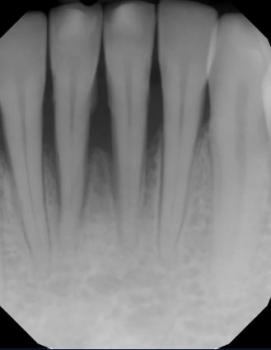
Patients with lower front gum inflammation may also experience tartar buildup, periodontal disease, gum abscesses, or tooth decay. Explore these related clinical case studies.

Other topics:
Other Dental Clinic