Because Every Tooth Deserves Care.

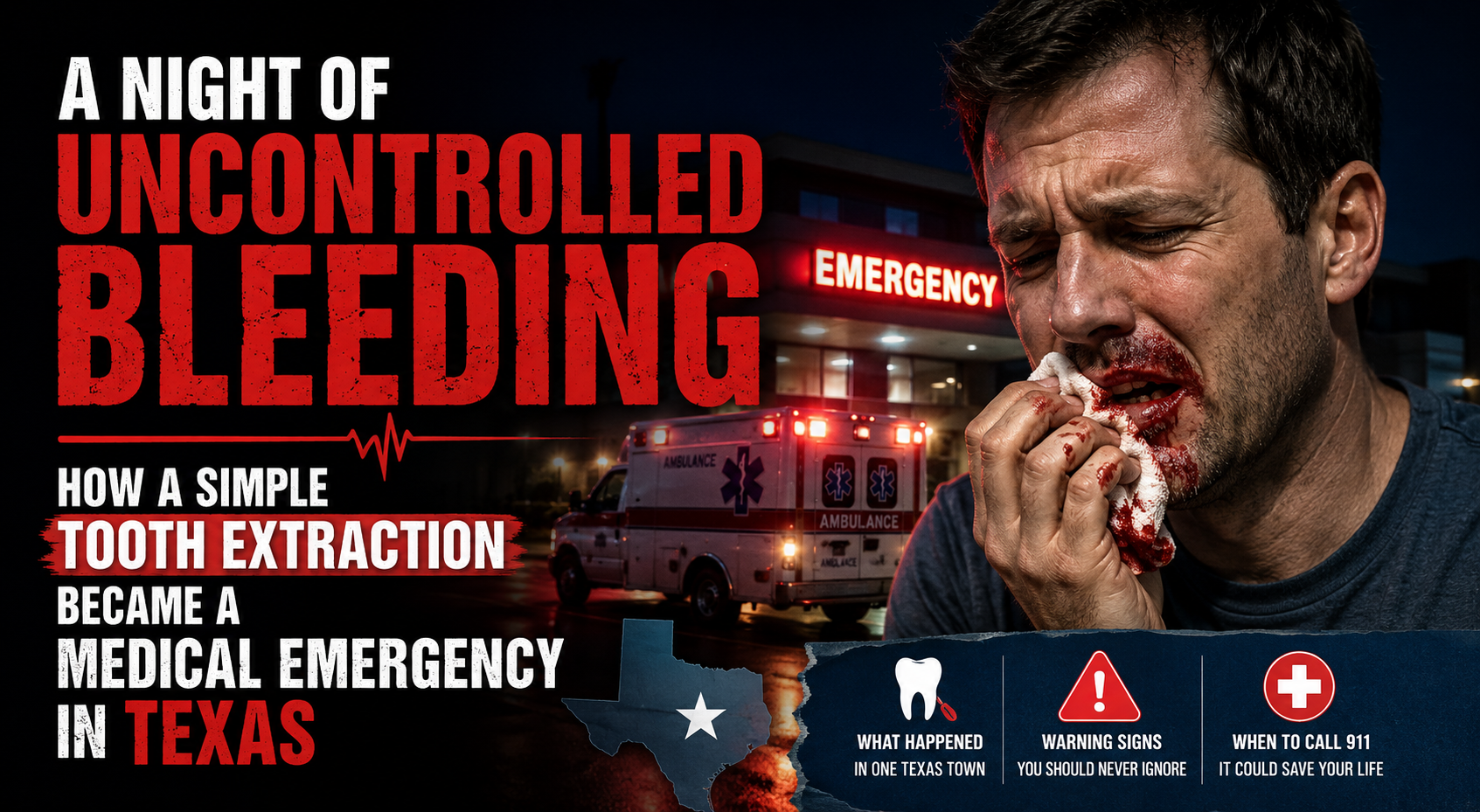
A Night of Uncontrolled Bleeding: How a Simple Tooth Extraction Became a Medical Emergency in Texas
Language :
Topics:
On a warm Friday evening in Houston, Texas, 62-year-old Michael Carter believed the hardest part of his dental appointment was already over.
Earlier that afternoon, his dentist had removed a severely decayed lower molar. The extraction had been difficult because the tooth had fractured below the gumline, but after several stitches and nearly an hour in the dental chair, Michael was sent home with standard instructions.
"Keep pressure on the gauze, avoid drinking through a straw, don't spit, and call us if the bleeding doesn't stop."
Michael nodded confidently.
"I'll be fine," he told his wife.
He had no idea that within hours, the bleeding would become one of the most frightening experiences of his life.
Everything Seemed Normal
For the first hour, everything appeared exactly as expected.
The gauze became stained red.
He replaced it.
Another hour passed.
More blood.
Still normal.
His dentist had warned him that some oozing could continue throughout the day.
Michael watched television while relaxing in his recliner.
The Bleeding Suddenly Increased
Around 8:30 PM, something changed.
Instead of light pink saliva, bright red blood began filling his mouth.
Within minutes he was swallowing blood.
Every few minutes he needed another paper towel.
His wife noticed blood running down his chin.
The sink quickly turned dark red.
They placed fresh gauze over the extraction site and applied pressure.
Nothing changed.
Twenty minutes later the bleeding was even worse.
Panic Begins
Michael stood up.
He suddenly became dizzy.
His heart was racing.
He felt cold.
His wife became frightened.
She had never seen so much blood from a tooth extraction.
Michael attempted to rinse his mouth with warm water.
Unfortunately, that removed the forming blood clot.
The bleeding became significantly heavier.
A Dangerous Medical History
Earlier that year Michael had undergone heart surgery.
His cardiologist prescribed blood-thinning medication to prevent dangerous blood clots.
Although his dentist had coordinated with his physician before the extraction, even properly managed patients sometimes experience prolonged bleeding.
Blood thinners don't always prevent dental treatment.
However, they can make bleeding much more difficult to control.
They Tried Everything
Following the post-operative instructions, they:
- Folded clean gauze tightly
- Bit down continuously for 45 minutes
- Sat upright
- Avoided talking
- Applied a cold pack outside the jaw
Nothing worked.
Blood continued flowing around the gauze.
Michael was now coughing up blood clots.
The Dentist Receives the Emergency Call
At nearly 10 PM, Michael called the emergency number provided by his dentist.
The dentist immediately asked several questions:
- Is the gauze completely soaked every few minutes?
- Are you feeling weak or dizzy?
- Are you taking blood thinners?
- Are you having trouble breathing?
- Is blood pouring continuously?
Michael answered yes to nearly every question.
The dentist immediately recognized this was no longer routine post-extraction bleeding.
A Trip to the Emergency Department
The dentist instructed Michael not to drive.
His wife immediately took him to the nearest emergency department.
Upon arrival, nurses noticed:
- Continuous bright red bleeding
- Elevated heart rate
- Mild drop in blood pressure
- Pale skin
- Signs of early blood loss
The emergency physician contacted the on-call oral surgeon.
Finding the Source
After carefully removing the clot, the oral surgeon located the problem.
One small artery inside the extraction socket had reopened.
Every heartbeat forced more blood from the vessel.
The original clot had become unstable after repeated rinsing and spitting.
Emergency Treatment
The oral surgeon quickly controlled the bleeding by:
- Cleaning the extraction socket
- Removing unstable clot material
- Applying a hemostatic dressing
- Placing additional dissolvable sutures
- Having Michael bite firmly on medicated gauze
The bleeding slowed within minutes.
Thirty minutes later, it had stopped completely.
Observation Overnight
Because Michael had lost a considerable amount of blood and remained on prescription blood thinners, physicians decided to observe him overnight.
Fortunately:
- His blood pressure stabilized.
- His oxygen level remained normal.
- He did not require a blood transfusion.
- His blood count remained within a safe range.
The following morning, he was discharged with new instructions and close follow-up with both his dentist and cardiologist.
Lessons Michael Learned
Looking back, Michael realized several mistakes made the situation worse:
- He rinsed vigorously too soon.
- He repeatedly checked the socket in the mirror.
- He frequently removed the gauze before enough pressure had been applied.
- He swallowed large amounts of blood instead of seeking help earlier.
- He underestimated how much his blood-thinning medication could affect clot formation.
Warning Signs That Require Immediate Medical Attention
Michael now encourages every patient to recognize these emergency symptoms:
- Bright red bleeding that continues despite firm pressure for several hours
- Gauze becoming soaked repeatedly
- Large blood clots filling the mouth
- Dizziness or fainting
- Rapid heartbeat
- Difficulty breathing
- Continuous swallowing of blood
- Vomiting blood
- Weakness or confusion
These symptoms should never be ignored.
The Outcome
One week later, Michael returned to his dentist.
The extraction site was healing normally.
No infection had developed.
The stitches remained secure.
The dentist reminded him that most tooth extractions heal without major complications, but uncontrolled bleeding can occasionally become a true medical emergency—especially for patients taking anticoagulants, those with bleeding disorders, or individuals whose protective blood clot becomes dislodged.
Michael considers himself fortunate.
"I thought it was just normal bleeding," he later said. "If we had waited another few hours instead of going to the hospital, things could have been much worse."
His experience serves as an important reminder that while some bleeding after a tooth extraction is expected, persistent, heavy bleeding is not. Prompt communication with your dentist—and seeking emergency medical care when advised—can prevent serious complications and, in rare cases, save a life.
Can tooth extraction cause infection? Mild inflammation is normal, but increasing swelling, fever, or severe pain may indicate infection. Learn more about post-extraction infection warning signs in this detailed guide.
Book a consultation with our Cebu dental specialists for proper evaluation and care.
Ready to get expert guidance?
If you’re experiencing severe pain or delayed healing, book a consultation with our Cebu dental specialists to get proper evaluation and care.
Consultation or contact page .
Book a Consultation
For severe discomfort or delayed healing, book a consultation with our Cebu dental specialists today.
Looking for a dentist? Browse our Cebu dental directory to find trusted clinics near you.
Medical Review and Clinical Basis
This article is based on clinical dental guidelines and real patient recovery patterns observed after tooth extraction procedures. The information reflects common post-extraction healing stages, including normal clot formation, gum tissue repair, and signs of possible complications such as dry socket or infection.
While mild discomfort is expected after a dental extraction, worsening pain after Day 3, bad odor, exposed bone, or spreading pain may require professional evaluation. These symptoms are consistent with known post-extraction complications described in standard dental practice.
About Cebu Dental Implants
Cebu Dental Implants provides comprehensive tooth extraction, surgical procedures, and dental implant services in the Philippines. Our team evaluates post-extraction healing, manages complications such as dry socket, and advises patients on proper aftercare to prevent infection and delayed healing.
If you experience severe pain or unusual symptoms after extraction, early professional assessment is recommended to prevent further complications.
Important Medical Disclaimer
This content is for educational purposes only and does not replace professional dental diagnosis. Every patient heals differently. If symptoms worsen or do not improve within a few days, consult a licensed dentist for proper evaluation and treatment.
Author
This article was prepared by the Cebu Dental Implants content team in consultation with licensed dental professionals experienced in tooth extraction and implant procedures.
Related Clinical Cases
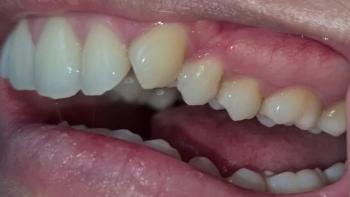
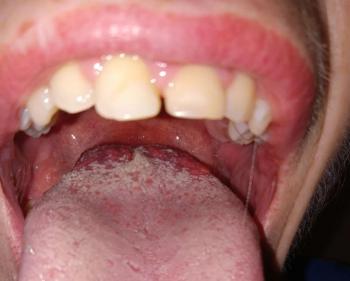
Patients with lower front gum inflammation may also experience tartar buildup, periodontal disease, gum abscesses, or tooth decay. Explore these related clinical case studies.




Other topics:
Other Dental Clinic