Your Smile, Our Passion.

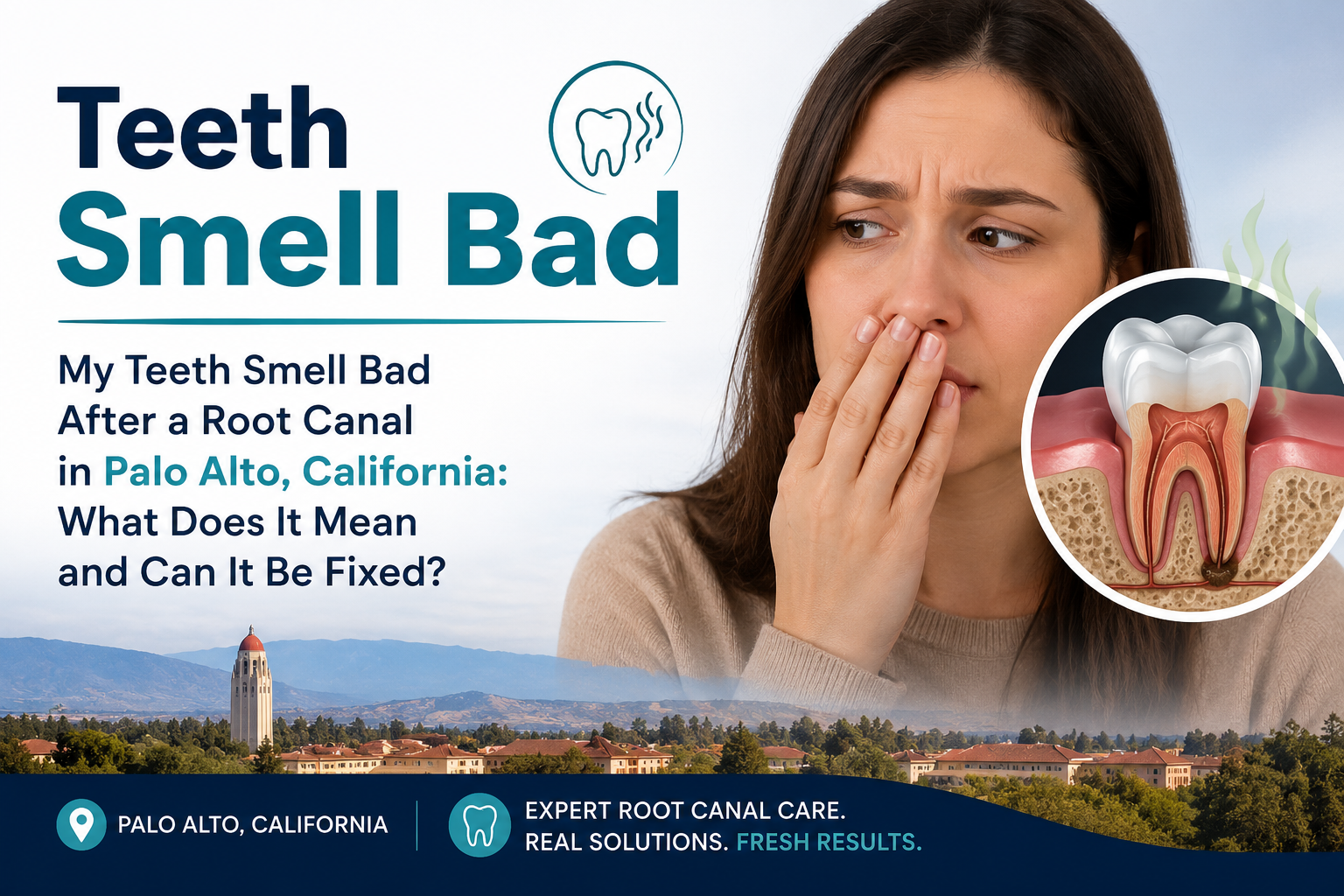
My Teeth Smell Bad After a Root Canal in Palo Alto, California: What Does It Mean and Can It Be Fixed?
Language :
Topics:
A common concern among dental patients in Palo Alto and throughout the United States is:
"Why do my teeth smell bad after a root canal?"
Many people assume that a root canal permanently solves all tooth infection problems. In most cases, root canal treatment is highly successful and eliminates pain, infection, and odor. However, some patients continue to notice a foul smell, unpleasant taste, or bad breath coming from the treated tooth months or even years after the procedure.
If you are experiencing a smelly tooth after a root canal, it should never be ignored. While the cause may be relatively minor, it can also signal an ongoing infection, a hidden crack, a failed root canal, gum disease, or bacterial buildup beneath a restoration.
As a USA dental professional, I often advise patients that bad odor coming from a tooth is usually a sign that bacteria are active somewhere in the mouth. The key is identifying the source before the problem worsens.
This comprehensive guide explains why a root canal-treated tooth may smell bad, what dentists in Palo Alto look for during diagnosis, treatment options available, and whether the tooth can still be saved.
Understanding Root Canal Treatment
What Is a Root Canal?
A root canal is a procedure performed to remove infected or damaged tissue from inside a tooth.
The procedure involves:
- Removing infected pulp tissue
- Cleaning root canals thoroughly
- Disinfecting the interior of the tooth
- Filling the canals with a specialized material
- Sealing the tooth
- Often placing a dental crown
The purpose is to eliminate infection while preserving the natural tooth.
Why Root Canals Usually Eliminate Odor
Before treatment, infected pulp tissue often contains:
- Dead tissue
- Bacteria
- Inflammatory fluids
- Pus
These materials frequently create:
- Bad breath
- Foul taste
- Tooth odor
Once the infected tissue is removed and the canals are sealed, the smell generally disappears.
When odor returns after treatment, further investigation becomes necessary.
Can a Root Canal-Treated Tooth Really Smell?
Yes
Many patients report:
- Rotten smell
- Sulfur smell
- Sour odor
- Metallic taste
- Persistent bad breath
The smell may seem to come from:
- One specific tooth
- The gum around the tooth
- The crown
- Deep between teeth
In many cases, the patient is accurately identifying a problem.
Common Causes of Smelly Teeth After Root Canal Treatment
1. Persistent Infection
The most common cause is residual infection.
Some teeth have:
- Curved canals
- Hidden canals
- Accessory canals
- Complex anatomy
Bacteria may survive treatment and continue multiplying.
Signs
- Bad odor
- Bad taste
- Pressure sensation
- Occasional swelling
- Gum tenderness
Dental Analysis
Using advanced imaging, dentists can identify hidden infection around root tips.
2. Failed Root Canal
Even well-performed root canals can fail.
Reasons include:
- Incomplete cleaning
- Missed canal anatomy
- Reinfection
- Broken restoration
- Delayed crown placement
When bacteria re-enter the tooth, odor frequently develops.
Symptoms
- Smelly tooth
- Gum bump
- Tenderness
- Intermittent discomfort
- Persistent bad breath
3. Leakage Under a Dental Crown
Many root canal-treated teeth receive crowns.
If the crown develops:
- Marginal leakage
- Tiny gaps
- Cement breakdown
Bacteria can enter beneath the crown.
Food particles may become trapped and decompose.
Result
Patients may notice:
- Rotten smell
- Bad taste
- Localized odor
Especially when flossing.
The Role of Dental Crowns
Why Crowns Matter
Root canal-treated teeth become weaker.
Crowns protect them from:
- Fracture
- Bacterial invasion
- Structural failure
However, aging crowns may develop microscopic openings.
These openings create ideal environments for bacteria.
Crown Lifespan
Typical crown longevity:
| Crown Type | Average Lifespan |
|---|---|
| Porcelain Crown | 10–15 years |
| Zirconia Crown | 15–20 years |
| Gold Crown | 15–25 years |
Poor hygiene can shorten lifespan significantly.
Hidden Tooth Cracks
Cracks Can Cause Odor
Cracked teeth are notoriously difficult to diagnose.
Tiny fractures allow:
- Saliva
- Food debris
- Bacteria
to enter areas that cannot be cleaned properly.
Symptoms
- Bad smell
- Pain when biting
- Intermittent sensitivity
- Gum irritation
Many patients experience odor long before pain develops.
Gum Disease Around the Root Canal Tooth
Periodontal Infection
Sometimes the tooth itself is healthy.
The smell originates from infected gums surrounding the tooth.
Gum pockets collect:
- Plaque
- Tartar
- Food debris
- Bacteria
The resulting odor can be severe.
Common Signs
- Bleeding gums
- Swollen gums
- Bad breath
- Gum recession
Food Impaction Between Teeth
A Surprisingly Common Cause
Food stuck between teeth may remain hidden for days.
As food decomposes, odor-producing bacteria multiply.
Patients often describe:
- Rotten smell
- Meat-like odor
- Sulfur smell
High-Risk Areas
- Crowns
- Bridges
- Tight contacts
- Areas with gum recession
Sinus-Related Problems
Upper Root Canal Teeth and Sinuses
Upper molars sit close to the sinus cavity.
Occasionally:
- Sinus infections
- Sinus drainage
- Chronic sinus inflammation
create unpleasant odors perceived as coming from the tooth.
Symptoms
- Nasal congestion
- Facial pressure
- Bad smell
- Tooth discomfort
A comprehensive examination can determine the true source.
Bacterial Biofilm Formation
The Hidden Enemy
Bacteria form communities called biofilms.
Biofilms:
- Resist cleaning
- Produce sulfur compounds
- Cause foul odors
These compounds create the classic smell many patients notice.
Examples include:
- Hydrogen sulfide
- Volatile sulfur compounds
- Methyl mercaptan
These substances are responsible for many cases of chronic bad breath.
Warning Signs You Need Immediate Dental Evaluation
Seek prompt dental care if you notice:
- Persistent tooth odor
- Swelling
- Gum boil
- Pus drainage
- Loose crown
- Facial swelling
- Fever
- Severe pain
These signs may indicate active infection.
How Dentists in Palo Alto Diagnose Smelly Root Canal Teeth
Comprehensive Examination
The first step involves:
Visual Examination
Checking for:
- Decay
- Crown defects
- Gum inflammation
- Fractures
Digital X-Rays
Reveal:
- Bone loss
- Infection
- Root abnormalities
CBCT 3D Imaging
Modern Palo Alto dental offices often utilize CBCT scans.
Benefits include:
- Three-dimensional analysis
- Detection of hidden canals
- Detection of fractures
- Precise infection mapping
CBCT frequently identifies issues missed on standard X-rays.
Bite Testing
Helps detect:
- Cracked teeth
- Structural weaknesses
Periodontal Examination
Measures:
- Gum pocket depth
- Bone support
- Gum health
Can the Tooth Still Be Saved?
Often Yes
Many smelly root canal teeth remain treatable.
The solution depends on the diagnosis.
Treatment Option 1: Root Canal Retreatment
What Is Retreatment?
The dentist:
- Removes existing filling material
- Reopens canals
- Cleans thoroughly
- Eliminates bacteria
- Refills canals
This often resolves odor-causing infection.
Success Rate
Retreatment can be highly successful when properly planned.
Treatment Option 2: Apicoectomy
Surgical Root-End Treatment
If infection remains near the root tip:
An apicoectomy may be recommended.
Procedure:
- Small gum incision
- Removal of infected tissue
- Root tip removal
- Sealing of root end
This preserves the tooth while eliminating infection.
Treatment Option 3: Crown Replacement
If odor results from leakage:
The dentist may:
- Remove the crown
- Remove decay
- Clean the tooth
- Fabricate a new crown
This often resolves bacterial contamination.
Treatment Option 4: Periodontal Therapy
For gum-related odor:
Treatment may include:
- Deep cleaning
- Scaling
- Root planing
- Antibiotic therapy
- Improved home care
Treatment Option 5: Extraction
When Extraction Becomes Necessary
Sometimes the tooth cannot be saved.
Examples include:
- Vertical root fracture
- Severe bone loss
- Extensive decay
- Repeated treatment failure
Extraction eliminates the source of infection.
Modern Tooth Replacement Options
Dental Implant
A dental implant is often the preferred replacement.
Benefits include:
- Natural appearance
- Strong chewing function
- Long-term stability
- Bone preservation
Dental Bridge
A bridge may replace the missing tooth using neighboring teeth for support.
Partial Denture
An economical option for selected patients.
Home Care Strategies While Waiting for Treatment
Excellent Oral Hygiene
Brush:
- Twice daily
- Two minutes each session
Use fluoride toothpaste.
Floss Daily
Floss removes debris that causes odor.
Pay special attention around crowns.
Water Flossers
Water flossers help clean:
- Gum pockets
- Crown margins
- Hard-to-reach areas
Antibacterial Mouth Rinse
Dentists may recommend:
- Chlorhexidine rinse
- Antimicrobial mouthwash
These help reduce bacterial load.
Hydration
Dry mouth worsens odor.
Drink plenty of water throughout the day.
What NOT to Do
Avoid:
- Ignoring the smell
- Delaying dental evaluation
- Using excessive mouthwash to mask symptoms
- Attempting self-treatment
- Picking around crowns with sharp objects
Masking odor does not eliminate the underlying problem.
How to Prevent Future Root Canal Problems
Maintain Regular Dental Visits
Professional examinations help detect issues early.
Most patients should visit every:
- 6 months
High-risk patients may require:
- Every 3–4 months
Wear a Night Guard if Needed
Grinding can damage:
- Crowns
- Root canal-treated teeth
A custom guard offers protection.
Treat Gum Disease Early
Healthy gums dramatically improve long-term outcomes.
Replace Aging Crowns
Older crowns may leak.
Routine evaluation helps identify crowns nearing replacement.
Frequently Asked Questions
Is a smelly root canal tooth always infected?
No.
Possible causes include:
- Food impaction
- Crown leakage
- Gum disease
- Sinus issues
However, infection remains one of the most common causes.
Can antibiotics solve the smell?
Antibiotics may temporarily reduce bacteria but often do not eliminate the underlying source.
Definitive dental treatment is usually required.
Can a failed root canal be fixed?
Yes.
Many failed root canals can be successfully retreated or surgically repaired.
Can a crown cause bad odor?
Absolutely.
Leakage beneath a crown is a common cause of unpleasant smell.
Is tooth extraction always necessary?
No.
Many teeth can be saved through retreatment, crown replacement, or periodontal therapy.
Why does the smell worsen when I floss?
Floss can disturb trapped bacteria and food debris.
This often indicates an area requiring professional evaluation.
If your teeth smell bad after a root canal in Palo Alto, California, the problem should not be ignored. Persistent odor is usually a sign that bacteria are present somewhere around the tooth, gums, crown, or root structure. While the cause may be as simple as trapped food debris, it can also indicate a failed root canal, crown leakage, hidden fracture, or ongoing infection.
Modern dental diagnostics, including digital radiography and advanced 3D CBCT imaging, allow dentists to identify the exact source of the odor and recommend appropriate treatment. In many cases, the tooth can still be saved through retreatment, surgical therapy, crown replacement, or periodontal care.
The most important advice is to seek professional evaluation as soon as possible. Early diagnosis typically results in simpler treatment, lower costs, better long-term outcomes, and a healthier smile. A persistent foul smell is your mouth's way of signaling that something requires attention, and addressing it promptly can prevent more serious dental complications in the future.
Can tooth extraction cause infection? Mild inflammation is normal, but increasing swelling, fever, or severe pain may indicate infection. Learn more about post-extraction infection warning signs in this detailed guide.
Book a consultation with our Cebu dental specialists for proper evaluation and care.
Ready to get expert guidance?
If you’re experiencing severe pain or delayed healing, book a consultation with our Cebu dental specialists to get proper evaluation and care.
Consultation or contact page .
Book a Consultation
For severe discomfort or delayed healing, book a consultation with our Cebu dental specialists today.
Looking for a dentist? Browse our Cebu dental directory to find trusted clinics near you.
Medical Review and Clinical Basis
This article is based on clinical dental guidelines and real patient recovery patterns observed after tooth extraction procedures. The information reflects common post-extraction healing stages, including normal clot formation, gum tissue repair, and signs of possible complications such as dry socket or infection.
While mild discomfort is expected after a dental extraction, worsening pain after Day 3, bad odor, exposed bone, or spreading pain may require professional evaluation. These symptoms are consistent with known post-extraction complications described in standard dental practice.
About Cebu Dental Implants
Cebu Dental Implants provides comprehensive tooth extraction, surgical procedures, and dental implant services in the Philippines. Our team evaluates post-extraction healing, manages complications such as dry socket, and advises patients on proper aftercare to prevent infection and delayed healing.
If you experience severe pain or unusual symptoms after extraction, early professional assessment is recommended to prevent further complications.
Important Medical Disclaimer
This content is for educational purposes only and does not replace professional dental diagnosis. Every patient heals differently. If symptoms worsen or do not improve within a few days, consult a licensed dentist for proper evaluation and treatment.
Author
This article was prepared by the Cebu Dental Implants content team in consultation with licensed dental professionals experienced in tooth extraction and implant procedures.
Related Clinical Cases
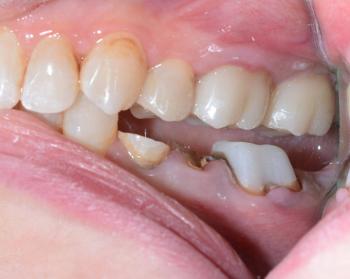
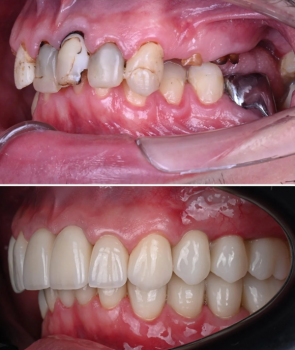
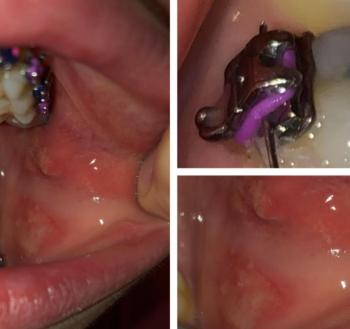
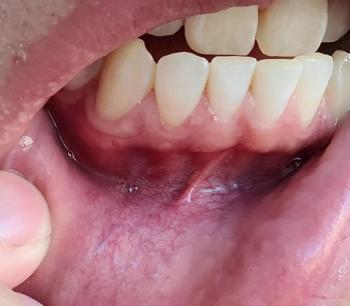
Patients with lower front gum inflammation may also experience tartar buildup, periodontal disease, gum abscesses, or tooth decay. Explore these related clinical case studies.

Other topics:
Other Dental Clinic