
The Mindanao Memory Secret: How Cacao Protects Filipino Brains and Teeth
Topics teeth:
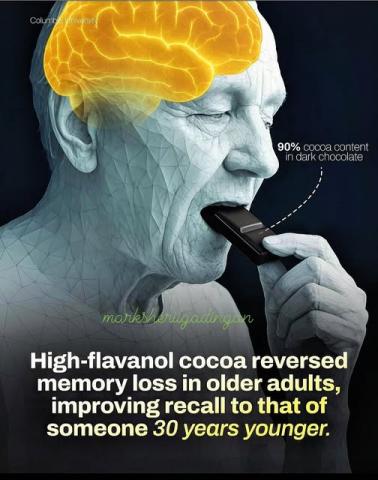

The jingle of the bell over the door at "Perk & Grind" in Williamsburg was as familiar to Tony as his own heartbeat. Every Tuesday and Thursday, he’d claim the worn leather armchair by the window, laptop open, with a single, deliberate ritual: a small square of 70% dark chocolate, savored slowly with his black coffee.
His friends joked about his "chocolate habit." "Dessert for breakfast, Tony?" they'd tease. But Tony wasn't indulging; he was on a regimen—a quiet rebellion against his family's history of heart problems.
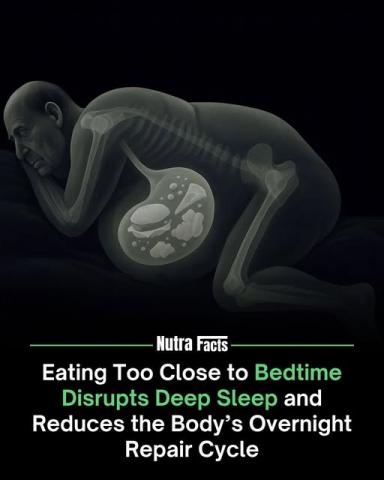
We’ve all been there: a long day leads to a late dinner, or a tempting snack right before bed. You collapse into bed for a solid eight hours, believing you’re giving your body the rest it needs. But if you’re eating right before sleeping, you might be sabotaging your rest—and your oral health—without even knowing it.

You’ve probably enjoyed a sweet, pink guava (or bayabas) as a snack or in a refreshing juice. But did you know this humble fruit, often taken for granted in our backyards, is making waves in the scientific community for its incredible health benefits?
A recent groundbreaking study has put guava in the spotlight for a remarkable reason:
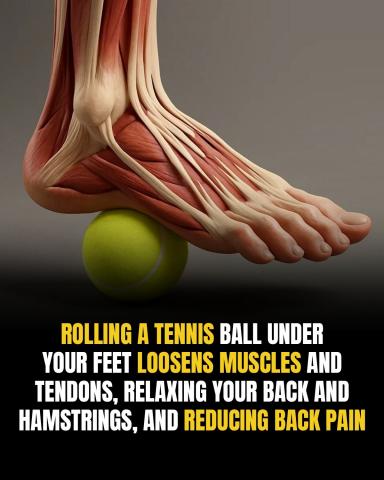
When you think about improving your dental health, rolling a tennis ball under your foot probably isn’t the first thing that comes to mind. But what if we told you that this simple self-massage technique could actually contribute to healthier teeth and gums?
It may sound far-fetched, but the secret lies in the body’s interconnected systems—specifically, reflexology and the fascial network. Here’s how this unusual trick works and why it might be worth a try.





