Keratin from Hair to Repair Teeth: The Future of Filipino Dentistry


When you think about improving your dental health, rolling a tennis ball under your foot probably isn’t the first thing that comes to mind. But what if we told you that this simple self-massage technique could actually contribute to healthier teeth and gums?
It may sound far-fetched, but the secret lies in the body’s interconnected systems—specifically, reflexology and the fascial network. Here’s how this unusual trick works and why it might be worth a try.

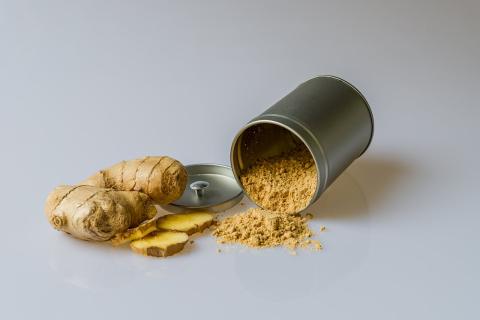
Anti-inflammatory Properties: Ginger has natural anti-inflammatory properties that can help reduce inflammation in the gums and other oral tissues.
Antibacterial Effects: The compounds in ginger, such as gingerol, can help fight oral bacteria that cause periodontal disease and cavities.
Pain Relief: Ginger can act as a natural pain reliever, which may help alleviate toothaches or gum pain.

"When I kiss my wife, she tells me my breath smells bad. Do you think my teeth have bad breath every morning because I keep my mouth closed all day?"
If this sounds familiar, you're not alone. Bad breath (halitosis) is a common issue, but the good news is that it’s usually preventable with the right oral care routine. Let’s explore expert-backed tips to keep your breath fresh all day—so you can kiss, talk, and smile with confidence.

When we think of exercise, we often imagine toned muscles, stronger hearts, or better lung capacity. But here’s something you might not expect — your daily workout is also giving your teeth a molecular upgrade.
Groundbreaking research from Stanford Medicine and the MoTrPAC consortium has revealed that physical activity triggers cellular and molecular changes in 19 different organs — and yes, that includes the systems that affect your oral health.


Copyright © 2026,
Webdevelopment by 1pagewebsite