Dentures That Feel Natural, Look Beautiful.

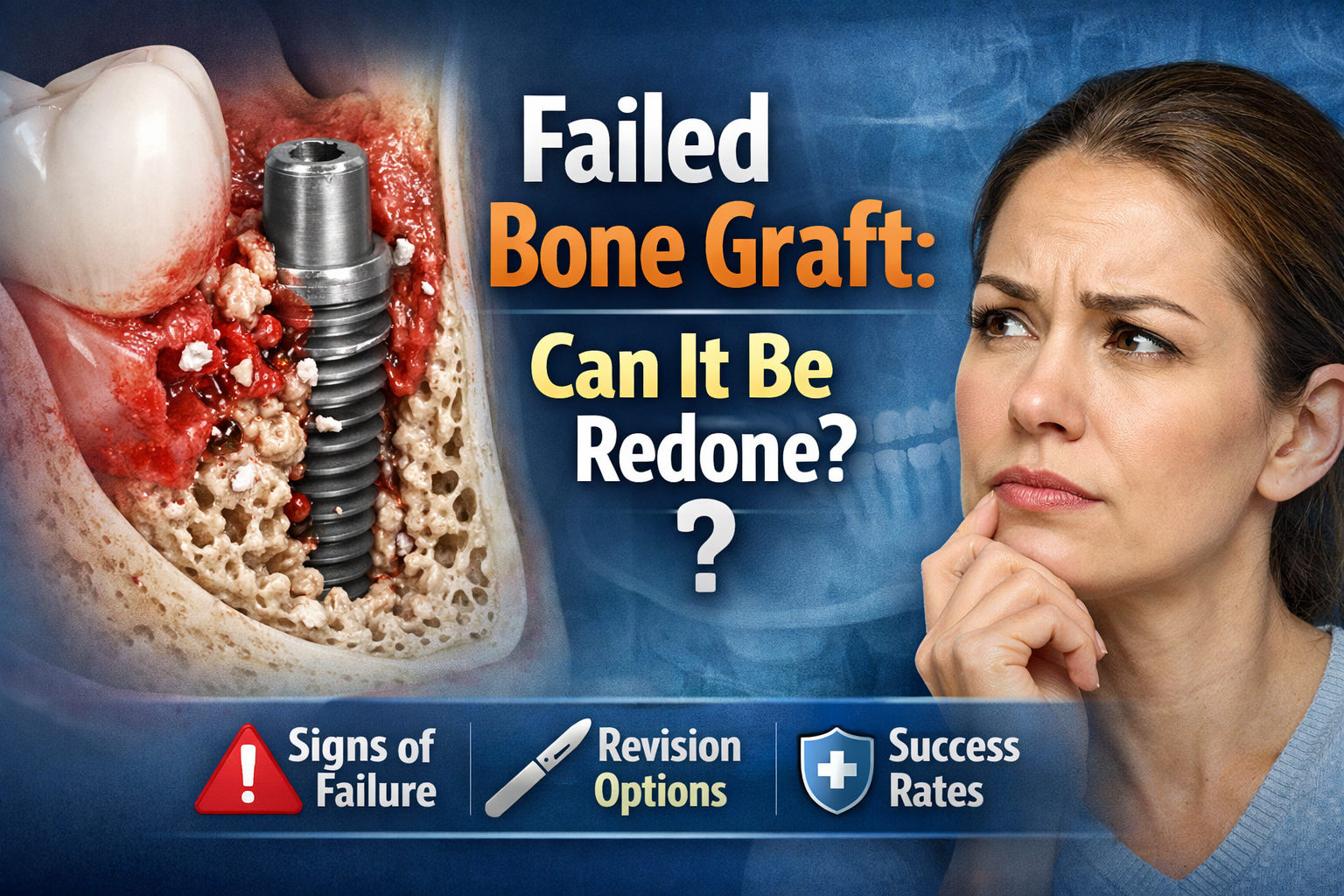
Failed Bone Graft: Can It Be Redone? Legal Rights, Malpractice & 5–10% Failure Risk Explained
Language :
Topics:
Dental bone grafting is a common procedure before implants. It rebuilds lost jawbone so a dental implant can be placed securely.
But what happens when a bone graft fails?
Many patients panic when swelling, pain, infection, or graft exposure occurs. A common question is:
Can a failed bone graft be redone?
And if it failed, can I sue my dentist?
Let’s break this down clearly and professionally.
1. How Common Is Bone Graft Failure?
In modern dentistry, bone graft success rates are generally high — around 90% to 95% when properly planned.
That means:
-
5% to 10% of cases may experience complications or failure.
-
Failure rates can be higher if the patient smokes, has diabetes, poor oral hygiene, or untreated infection.
In the United States, according to clinical data published by professional organizations like the American Dental Association and the American Academy of Implant Dentistry, grafting procedures are predictable — but not 100% guaranteed.
Important:
A complication does NOT automatically mean malpractice.
2. Signs Your Bone Graft May Have Failed
Common warning signs include:
-
Severe or increasing pain after 5–7 days
-
Pus or bad taste in the mouth
-
Swelling that worsens instead of improves
-
Membrane or graft material exposure
-
Fever
-
Implant mobility (if implant placed simultaneously)
If you notice these, see your dentist immediately. Early intervention can sometimes save the graft.
3. Can a Failed Bone Graft Be Redone?
Yes — in most cases, it can be redone.
But first, the cause of failure must be identified.
Common Causes of Failure
-
Infection
-
Poor blood supply
-
Overheating during drilling
-
Improper surgical technique
-
Premature loading of implant
-
Smoking
-
Poor patient compliance
Redo Process
-
Remove failed graft material
-
Allow healing (2–4 months)
-
Treat infection if present
-
Re-evaluate bone with CBCT scan
-
Perform graft again with improved protocol
In experienced hands, redo grafts can still be successful.
4. When Is It Considered Malpractice?
This is where legal analysis becomes important.
A failed graft alone is NOT malpractice.
To win a legal case, you must prove:
-
Duty of care – The dentist had responsibility for your treatment.
-
Breach of standard of care – The dentist acted below accepted professional standards.
-
Causation – Their mistake directly caused your injury.
-
Damages – You suffered financial or physical harm.
If proven malpractice occurred (for example: improper sterilization, wrong diagnosis, lack of informed consent, ignoring infection signs), then legal action may be possible.
5. Can You Win a Legal Case Against a Dentist?
Winning depends on:
-
Strong documentation
-
Expert witness testimony
-
Clear deviation from standard protocol
-
Objective medical evidence
In the U.S., malpractice cases require expert dental testimony confirming negligence.
If the failure happened despite proper planning and execution — it is considered a known surgical risk, not negligence.
Courts understand that medicine is not 100% guaranteed.
6. Questions to Ask Before Considering Legal Action
Before filing a lawsuit, ask:
-
Was I informed of risks before surgery?
-
Did I sign consent forms?
-
Was a CBCT scan taken before the graft?
-
Was infection present prior to treatment?
-
Did I follow post-op instructions?
If the clinic documented everything properly, a case becomes harder to win.
7. Practical Advice Before Going to Court
Legal battles are expensive and emotionally draining.
Before filing a lawsuit:
-
Request full dental records.
-
Seek a second opinion from a board-certified implant specialist.
-
Ask whether retreatment is possible.
-
Consider mediation before litigation.
Many clinics offer retreatment or partial refunds if complications occur.
8. Reality Check: Risk vs Negligence
Every surgery has risk:
-
Infection
-
Graft rejection
-
Slow healing
-
Membrane exposure
These are known complications.
Malpractice only applies when:
-
The dentist ignored clinical standards.
-
Proper diagnostics were skipped.
-
Obvious infection was untreated.
-
Wrong materials were used.
9. Financial Analysis: Is It Worth Suing?
In the U.S., legal costs can exceed $20,000–$50,000 for malpractice cases.
If the graft cost was $2,000–$5,000, many attorneys may decline the case unless:
-
Permanent nerve damage occurred
-
Severe infection required hospitalization
-
Major reconstruction was needed
Often, retreatment is more practical than litigation.
10. Final Expert Advice
If your bone graft failed:
-
Stay calm.
-
Get a second professional opinion.
-
Review documentation.
-
Ask about retreatment options.
-
Consult a malpractice attorney only if clear negligence occurred.
Most failed bone grafts can be corrected successfully when handled by experienced clinicians.
Conclusion
Yes — a failed bone graft can usually be redone.
Yes — you can file a legal case if malpractice is proven.
But not all failures are negligence.
Understanding the difference between surgical risk and professional misconduct is critical before entering a legal battle.
If you're unsure about your situation, seek expert evaluation first. A proper diagnosis may save both your jawbone — and your peace of mind.
Looking for dentist : Visit directory list
Related Clinical Cases
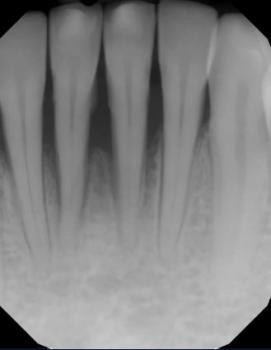
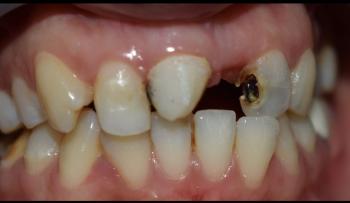
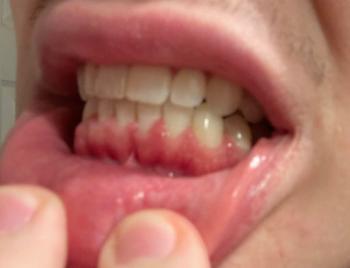
Patients with lower front gum inflammation may also experience tartar buildup, periodontal disease, gum abscesses, or tooth decay. Explore these related clinical case studies.