Because Every Tooth Deserves Care.

Dental Implant Cost in New York: Prices, Insurance & Low-Income Options
Dental implants can provide a long-term solution for people who have lost one or more teeth. However, in New York, the cost of treatment can create a significant financial barrier, especially for people with limited income.
New York has a high cost of living, and dental practices also face higher operating costs. These factors can contribute to higher prices for implant treatment compared with many other parts of the United States.
How Much Do Dental Implants Cost in New York?
The cost depends on the number of teeth being replaced, the condition of the jawbone, the type of restoration, and whether additional procedures are needed.
Typical costs may include:
-
Single dental implant: About $3,500–$6,000 or more for the implant, abutment, and final crown.
-
Tooth extraction: Approximately $150–$450, depending on the complexity of the extraction.
-
Bone grafting: Approximately $200–$3,500, depending on the amount of bone restoration required.
-
3D imaging and diagnostic procedures: Additional fees may apply.
-
Full-arch treatment such as All-on-4: Approximately $14,000 to more than $36,000 per arch, depending on the treatment plan and materials.
These figures are general estimates. A dentist must examine the patient and develop an individual treatment plan before the actual cost can be determined.
Can Low-Income People Afford Dental Implants?
For many low-income residents, paying the full private-practice price for dental implants can be difficult or impossible without financial assistance.
This creates an important social issue: access to advanced dental treatment is often influenced not only by medical need, but also by income, insurance coverage, credit availability, and geographic access to affordable providers.
Fortunately, several options may reduce the financial burden.
1. Dental Schools
Dental schools can be one of the more affordable options.
Institutions such as NYU College of Dentistry and Columbia University College of Dental Medicine provide treatment through student and resident clinics under professional supervision.
Treatment may cost substantially less than comparable private-practice care. However, patients should expect longer appointments, multiple visits, and potentially longer waiting periods.
2. New York Medicaid
New York Medicaid may provide coverage for certain medically necessary dental services for eligible adults.
However, standard dental implants are generally not a routine benefit simply because a person has missing teeth. Coverage depends on the patient's eligibility, the specific procedure, and the medical circumstances.
People considering implants should check their current Medicaid dental benefits and ask whether an alternative treatment—such as a partial denture or other restorative procedure—may be covered.
3. Federally Qualified Health Centers
Federally Qualified Health Centers (FQHCs) and other community health centers can provide dental services using income-based or sliding-fee structures.
These centers commonly provide preventive care, examinations, fillings, extractions, and other basic dental services. Some may also help patients find specialists or coordinate referrals when more advanced treatment is necessary.
4. Dental Payment Plans
Some dental offices offer financing or monthly payment plans.
This can make a large dental bill easier to manage because the patient does not have to pay the entire amount immediately. However, financing should be evaluated carefully because interest rates, promotional periods, fees, and credit requirements vary.
A low monthly payment does not necessarily mean that the treatment is inexpensive overall.
5. Charitable and Assistance Programs
Some nonprofit organizations and charitable dental programs help people who cannot afford conventional dental treatment.
Eligibility varies considerably. Some programs focus on specific populations, employment situations, medical circumstances, or financial hardship.
Patients should verify the current eligibility requirements before relying on a particular program.
Why Dental Implant Costs Matter Socially
Dental implants are not simply a medical expense. For people with limited financial resources, the decision can affect employment, confidence, nutrition, social interaction, and overall quality of life.
A person with significant tooth loss may understand the benefits of an implant but still choose a less expensive treatment because the immediate financial burden is more manageable.
This illustrates a broader issue in healthcare: having access to a treatment does not necessarily mean that everyone can realistically afford it.
For low-income New Yorkers, dental schools, community health centers, Medicaid-covered services, charitable programs, and carefully evaluated financing options may provide more realistic pathways to treatment.
Bottom Line
Dental implants in New York can cost thousands of dollars per tooth, while full-arch treatment can reach tens of thousands of dollars. For people with limited income, paying privately can be a major financial challenge.
Before choosing treatment, patients should compare the total treatment cost, investigate available insurance or public benefits, ask about dental-school and community-clinic options, and consider whether less expensive alternatives could meet their dental needs.
The most affordable option is not always the most appropriate medically, so treatment decisions should ultimately be made with a qualified dental professional.
Question:
- Can People Afford Dental Implants in New York?
- Are dental implants too expensive for people with low incomes?
- How can someone afford dental treatment when New York housing costs are so high?
- What charities help low-income people with dental care?
- Does Medicaid pay for dental implants in New York?
- Where can low-income New Yorkers get affordable dental treatment?
Related Clinical Cases
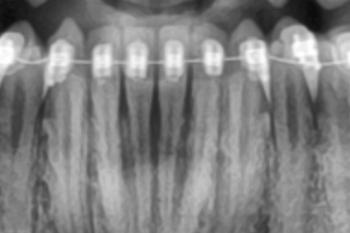
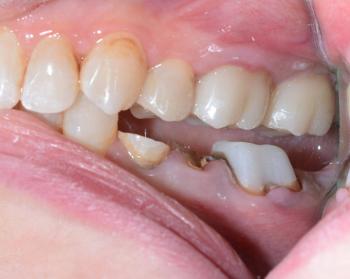
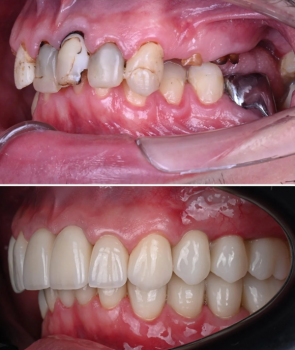
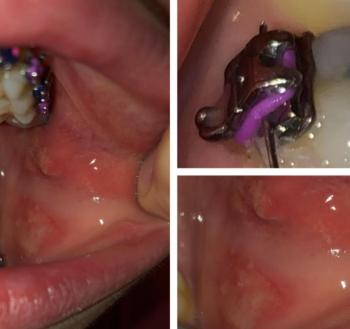
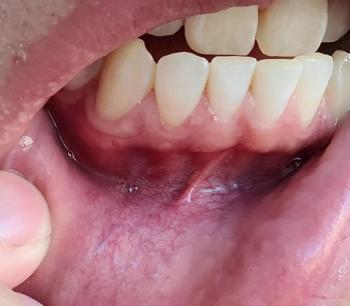
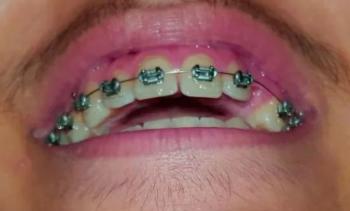
Patients with lower front gum inflammation may also experience tartar buildup, periodontal disease, gum abscesses, or tooth decay. Explore these related clinical case studies.

Other topics:
Other Dental Clinic
 |
 |
 |
 |