Where Bright Smiles Begin.

When Is the Best Time for Dental Implants After Extraction? Full Healing Guide (2026)
Language :

Topics:
When Can I Get a Dental Implant After Tooth Extraction?
Getting a dental implant after a tooth extraction is one of the most common questions patients ask. The timing depends on your healing, bone condition, and overall oral health.
There are three main options:
- Immediate implant (same day): Placed right after extraction. This saves time but requires strong bone and no infection.
- Early implant (2–8 weeks): Allows the gums to heal first. This is a balanced and commonly recommended option.
- Delayed implant (3–6 months): Done after full healing. This is the safest option for most patients.
In many cases, dentists recommend early or delayed placement because it reduces the risk of complications and improves long-term success.
Tooth Extraction Healing Stages Day by Day
Understanding how your mouth heals helps determine the best time for an implant.
Day 1–2:
A blood clot forms in the socket. This protects the bone and nerves. Avoid smoking, spitting, or rinsing aggressively.
Day 3–5:
Soft tissue begins forming (granulation tissue). Mild swelling and discomfort are normal.
Day 7–10:
The gums start to close. Pain should decrease significantly. Severe pain at this stage may indicate dry socket.
Week 2–3:
Healing continues, and the socket becomes smaller. The area looks healthier.
1–3 Months:
Bone regeneration begins. This stage is critical for implant stability.
3–6 Months:
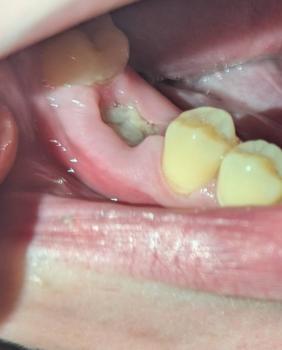
The bone fully heals and becomes strong enough to support an implant.
Healing time can vary depending on your health, age, and how well you follow aftercare instructions.
Immediate vs Delayed Dental Implants – Which Is Safer?
Both immediate and delayed implants are safe, but they are used in different situations.
Immediate Implants (Same Day)
Advantages:
- Faster treatment
- Fewer dental visits
- Helps maintain gum and bone shape
Disadvantages:
- Not suitable if infection is present
- Requires strong and healthy bone
- Slightly higher risk in some cases
Delayed Implants (3–6 Months)
Advantages:
- More predictable results
- Lower risk of implant failure
- Better for complex or infected cases
Disadvantages:
- Longer waiting time
- May require bone grafting
Which Is Safer?
For most patients, delayed implants are considered safer and more reliable. Immediate implants can work very well, but only when conditions are ideal.
Dentists usually evaluate:
- Bone quality
- Presence of infection
- Overall oral health
A personalized treatment plan is always the best approach.
Final Thoughts
Dental implants are a long-term investment in your oral health. While it may be tempting to choose a faster option, proper healing often leads to better and more stable results.
To improve your chances of success:
- Follow post-extraction care instructions
- Maintain good oral hygiene
- Attend follow-up visits
With the right timing and care, a dental implant can last for many years and function just like a natural tooth.
Can tooth extraction cause infection? Mild inflammation is normal, but increasing swelling, fever, or severe pain may indicate infection. Learn more about post-extraction infection warning signs in this detailed guide.
Book a consultation with our Cebu dental specialists for proper evaluation and care.
Ready to get expert guidance?
If you’re experiencing severe pain or delayed healing, book a consultation with our Cebu dental specialists to get proper evaluation and care.
Consultation or contact page .
Book a Consultation
For severe discomfort or delayed healing, book a consultation with our Cebu dental specialists today.
Looking for a dentist? Browse our Cebu dental directory to find trusted clinics near you.
Medical Review and Clinical Basis
This article is based on clinical dental guidelines and real patient recovery patterns observed after tooth extraction procedures. The information reflects common post-extraction healing stages, including normal clot formation, gum tissue repair, and signs of possible complications such as dry socket or infection.
While mild discomfort is expected after a dental extraction, worsening pain after Day 3, bad odor, exposed bone, or spreading pain may require professional evaluation. These symptoms are consistent with known post-extraction complications described in standard dental practice.
About Cebu Dental Implants
Cebu Dental Implants provides comprehensive tooth extraction, surgical procedures, and dental implant services in the Philippines. Our team evaluates post-extraction healing, manages complications such as dry socket, and advises patients on proper aftercare to prevent infection and delayed healing.
If you experience severe pain or unusual symptoms after extraction, early professional assessment is recommended to prevent further complications.
Important Medical Disclaimer
This content is for educational purposes only and does not replace professional dental diagnosis. Every patient heals differently. If symptoms worsen or do not improve within a few days, consult a licensed dentist for proper evaluation and treatment.
Author
This article was prepared by the Cebu Dental Implants content team in consultation with licensed dental professionals experienced in tooth extraction and implant procedures.
Related Clinical Cases
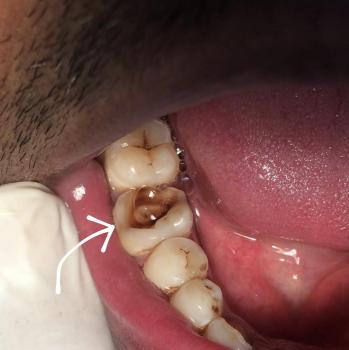
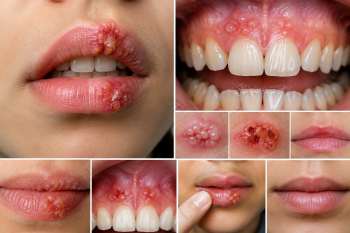
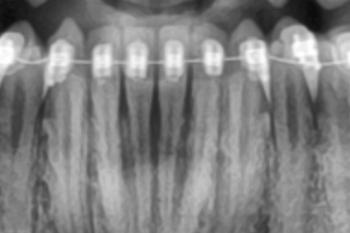
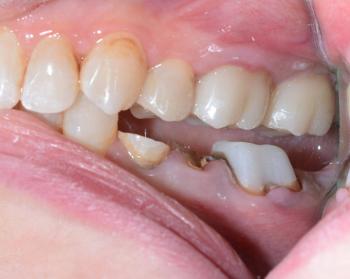
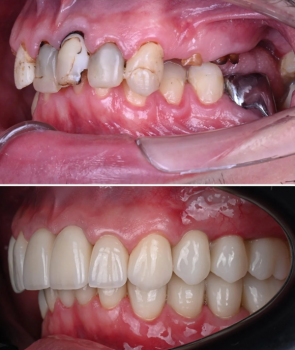
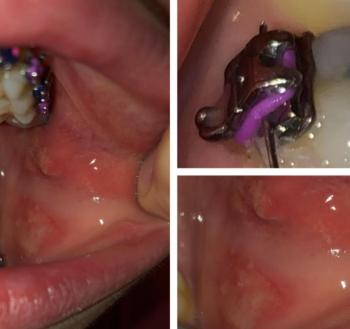
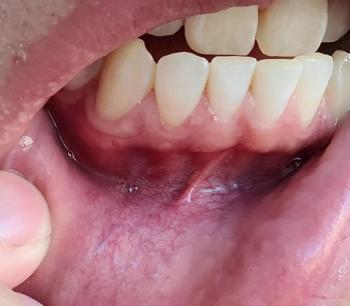
Patients with lower front gum inflammation may also experience tartar buildup, periodontal disease, gum abscesses, or tooth decay. Explore these related clinical case studies.
Other topics:
Other Dental Clinic