Because Every Tooth Deserves Care.

Bad Taste in the Mouth After a Root Canal in Los Angeles, California: A USA Dentist Explains the Causes, Warning Signs, Treatment Options, and When to Seek Help
Language :
As a dentist with decades of experience treating root canal infections, one of the most common concerns I hear from patients in Los Angeles is:
"Doctor, why do I have a bad taste in my mouth after my root canal?"
A bad taste can be alarming. Some patients immediately worry that their root canal has failed. Others fear that an infection has returned. While a temporary unpleasant taste can sometimes be harmless and short-lived, it can also signal a more serious dental problem requiring immediate attention.
The truth is that a bad taste in the mouth after root canal treatment can originate from several causes, ranging from normal healing responses to severe infections that threaten the tooth and surrounding bone.
In this comprehensive guide, I will explain:
- Why a bad taste develops after a root canal
- How dentists diagnose the source
- The difference between normal healing and dangerous symptoms
- The worst-case scenarios that can occur
- Treatment options available in Los Angeles
- How to protect your tooth and oral health long-term
Understanding Root Canal Treatment
Before discussing the causes of bad taste, it is important to understand what occurs during root canal treatment.
A root canal procedure removes:
- Infected dental pulp
- Bacteria inside the root canal system
- Dead nerve tissue
- Abscess-producing microorganisms
The cleaned canals are then disinfected, shaped, and sealed to prevent reinfection.
The goal is simple:
Save your natural tooth while eliminating infection.
When treatment is successful, pain subsides, infection resolves, and normal function returns.
However, problems can occasionally arise during healing or months and years later.
Is a Bad Taste Normal After a Root Canal?
Sometimes, yes.
Immediately after treatment, patients may notice:
- Slight medicinal taste
- Temporary chemical taste
- Mild metallic sensation
- Taste from disinfecting solutions
- Taste from temporary filling materials
These usually disappear within a few days.
A bad taste that persists beyond several days deserves professional evaluation.
Particularly if it is accompanied by:
- Swelling
- Gum drainage
- Pain
- Sensitivity
- Fever
- Facial pressure
These symptoms often suggest infection or leakage.
Common Causes of Bad Taste After a Root Canal
1. Temporary Dental Materials
Root canal procedures frequently involve:
- Temporary fillings
- Medicated dressings
- Antibacterial solutions
Some materials leave a temporary taste.
Patients may notice:
- Bitter flavor
- Metallic sensation
- Medicinal taste
This usually resolves naturally.
2. Healing Drainage from an Existing Infection
Some teeth undergo root canal treatment because a severe abscess already exists.
When the infection begins healing:
- Pus may drain
- Fluid may escape through the gums
- Patients may notice a salty or unpleasant taste
Although drainage often decreases after treatment, persistent drainage indicates incomplete healing.
3. Temporary Crown Leakage
Many Los Angeles patients receive a temporary crown between appointments.
If the temporary restoration becomes loose:
- Saliva can enter
- Bacteria can enter
- Food debris may collect
This can produce:
- Bad taste
- Bad breath
- Gum irritation
Prompt replacement is recommended.
4. Food Trapped Around the Tooth
After treatment, some patients avoid brushing the area aggressively.
Food can accumulate around:
- Temporary crowns
- Gum pockets
- Restoration margins
This bacterial buildup frequently causes:
- Sour taste
- Foul odor
- Persistent unpleasant mouth sensation
Serious Causes of Bad Taste After a Root Canal
Now let's discuss conditions that concern dentists the most.
Persistent Root Canal Infection
The most common serious cause is residual infection.
Root canals are extremely complex.
Many teeth contain:
- Hidden canals
- Curved canals
- Microscopic branches
Even modern dentistry cannot always identify every canal initially.
If bacteria remain:
- Infection continues
- Pus develops
- Drainage creates foul taste
Patients often report:
"I keep tasting something rotten."
This symptom should never be ignored.
Abscess Formation
A dental abscess can develop before or after root canal treatment.
An abscess contains:
- Bacteria
- Inflammatory cells
- Pus
- Tissue breakdown products
As pus drains into the mouth, patients experience:
- Bitter taste
- Metallic taste
- Rotten taste
- Sulfur-like taste
An abscess requires immediate dental evaluation.
Root Canal Failure
Although root canals have a high success rate, failure can occur.
Reasons include:
- Missed canals
- Incomplete cleaning
- Cracked roots
- Delayed crown placement
- Reinfection
Symptoms often include:
- Bad taste
- Swelling
- Chewing pain
- Recurring infection
Root canal retreatment may be necessary.
Cracked Tooth Syndrome
A tooth may develop a crack after root canal treatment.
Root canal-treated teeth are often more brittle because:
- Internal tooth structure was removed
- Previous decay weakened the tooth
- Large fillings compromise strength
A crack allows bacteria to enter deep inside the tooth.
Consequences include:
- Reinfection
- Gum inflammation
- Drainage
- Bad taste
Crown Leakage
Even an excellent root canal can fail if the final crown leaks.
Tiny gaps allow:
- Saliva
- Bacteria
- Food particles
to penetrate beneath the crown.
Eventually:
- Infection returns
- Pus forms
- Bad taste develops
This problem can occur years after successful treatment.
Gum Disease Around the Tooth
Sometimes the root canal itself is successful.
The real problem is advanced periodontal disease.
Deep gum pockets trap:
- Bacteria
- Plaque
- Food debris
Patients often notice:
- Persistent bad taste
- Chronic bad breath
- Bleeding gums
A comprehensive examination helps identify whether the issue is coming from the root canal or surrounding gums.
Symptoms That Require Immediate Attention
Contact a dentist promptly if a bad taste is accompanied by:
Swelling
Swelling often indicates infection.
Facial swelling can spread rapidly.
Fever
Fever suggests the infection may be affecting the body systemically.
Difficulty Swallowing
This is a potentially dangerous emergency.
Deep infections can spread into facial spaces and neck tissues.
Difficulty Breathing
Seek emergency medical care immediately.
This can become life-threatening.
Pus Drainage
Visible pus usually indicates active infection.
Professional treatment is necessary.
Increasing Pain
Pain that worsens rather than improves deserves immediate evaluation.
How Dentists Diagnose the Cause
At our Los Angeles dental offices, diagnosis starts with a comprehensive examination.
Dental History Review
We ask questions such as:
- When did treatment occur?
- When did symptoms begin?
- Is pain present?
- Is swelling present?
- Is the taste constant or intermittent?
These answers provide important clues.
Clinical Examination
We inspect:
- Crown integrity
- Filling margins
- Gum tissues
- Drainage sites
- Bite alignment
Visible signs often reveal the source.
Digital X-Rays
Modern digital imaging identifies:
- Hidden infections
- Bone loss
- Failed root canals
- Abscesses
Radiographs remain essential.
CBCT 3D Imaging
For difficult cases, Cone Beam CT scans provide:
- Three-dimensional views
- Hidden canal detection
- Fracture identification
- Precise infection mapping
CBCT technology has transformed root canal diagnosis.
Bite Testing
Patients may bite on special instruments.
Pain during release often suggests:
- Cracked tooth syndrome
- Root fractures
Worst-Case Scenarios After a Root Canal
Patients frequently ask:
"What is the worst thing that can happen?"
Let's discuss realistic worst-case situations.
Severe Bone Infection
Untreated infections can spread into surrounding bone.
This condition may lead to:
- Bone destruction
- Chronic inflammation
- Tooth instability
Extensive treatment may be required.
Root Fracture
Vertical root fractures are among the most challenging complications.
When a root splits:
- Bacteria enter deep tissues
- Infection becomes chronic
- Prognosis declines
Extraction is often necessary.
Facial Cellulitis
Dental infections can spread through facial tissues.
Patients may experience:
- Rapid swelling
- Facial asymmetry
- Fever
- Severe discomfort
Hospital treatment may occasionally be required.
Multiple Tooth Involvement
An untreated infection can affect adjacent teeth.
This may increase treatment complexity and cost.
Tooth Loss
The ultimate worst-case scenario is losing the tooth.
Extraction may become unavoidable if:
- Infection persists
- Root fracture develops
- Bone support is lost
Can a Bad Taste Mean the Root Canal Failed?
Not necessarily.
A bad taste alone does not automatically mean failure.
However, persistent bad taste combined with:
- Swelling
- Pain
- Drainage
- Radiographic changes
raises concern.
Only a professional examination can determine the true cause.
Treatment Options
Treatment depends entirely on diagnosis.
Monitoring and Observation
Minor symptoms during healing may simply require monitoring.
Many cases resolve naturally.
Professional Cleaning
If food accumulation or gum inflammation is responsible:
- Cleaning
- Irrigation
- Improved hygiene
may solve the problem.
Crown Repair or Replacement
If leakage exists:
- Crown replacement
- Margin repair
- Restoration upgrade
may eliminate bacterial entry.
Root Canal Retreatment
When infection remains inside the canal system:
The dentist may:
- Remove previous filling material
- Re-clean canals
- Disinfect thoroughly
- Reseal the tooth
Retreatment often saves teeth that would otherwise be lost.
Apicoectomy
In certain cases, endodontic surgery may be recommended.
This procedure removes:
- Root tip infection
- Inflamed tissue
- Persistent bacterial contamination
while preserving the tooth.
Periodontal Therapy
If gum disease contributes to symptoms:
Treatment may include:
- Deep cleaning
- Scaling and root planing
- Antibacterial therapy
Tooth Extraction
When the tooth cannot be predictably saved:
Extraction may become necessary.
Reasons include:
- Vertical root fracture
- Extensive decay
- Severe bone destruction
Modern replacement options remain available.
Replacing a Lost Tooth
If extraction is necessary, options include:
Dental Implant
The gold standard replacement.
Benefits:
- Preserves bone
- Long-term success
- Natural appearance
Dental Bridge
Useful when neighboring teeth require restoration.
Partial Denture
Can replace missing teeth at a lower cost.
How to Prevent Root Canal Problems
Prevention remains the best strategy.
Complete the Crown Promptly
One of the biggest mistakes patients make is delaying final crown placement.
A crown protects:
- Tooth structure
- Root canal seal
- Long-term success
Maintain Excellent Oral Hygiene
Brush twice daily.
Floss every day.
Use antimicrobial rinses when recommended.
Attend Recall Visits
Regular dental examinations identify problems early.
Small issues become easier and less expensive to treat.
Avoid Chewing Hard Objects
Avoid:
- Ice
- Hard candy
- Pens
- Bottle caps
These habits increase fracture risk.
Address Symptoms Early
Do not ignore:
- Swelling
- Bad taste
- Pain
- Drainage
Early treatment usually leads to better outcomes.
Los Angeles Root Canal Cost Considerations
Costs vary based on:
- Tooth location
- Treatment complexity
- Specialist involvement
- Crown requirements
- Imaging needs
Retreatment procedures generally cost more than initial treatment because of the added complexity.
Early diagnosis often reduces overall expenses.
When Should You See a Dentist?
Schedule an evaluation immediately if:
- Bad taste lasts more than several days
- Swelling develops
- Pain returns
- Pus is visible
- Crown becomes loose
- Gum drainage occurs
Waiting frequently allows infection to worsen.
Final Thoughts from a USA Dentist
A bad taste in the mouth after a root canal is not something patients should automatically panic about, but it should never be ignored.
Sometimes the cause is harmless and temporary. Other times it signals a persistent infection, leaking crown, cracked tooth, abscess, or root canal failure. The sooner the source is identified, the greater the chance of preserving your natural tooth.
For patients in Los Angeles, California, my recommendation is straightforward: if the bad taste persists, worsens, or is accompanied by pain, swelling, drainage, or fever, schedule a dental examination as soon as possible. Modern diagnostic tools can usually identify the problem quickly, and early treatment often prevents serious complications.
Remember, the goal of root canal therapy is not merely to eliminate pain—it is to save your natural tooth for many years. Prompt attention to warning signs such as a persistent bad taste can make the difference between keeping your tooth and losing it.
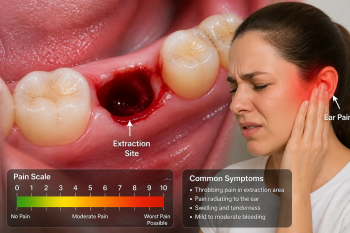
Can tooth extraction cause infection? Mild inflammation is normal, but increasing swelling, fever, or severe pain may indicate infection. Learn more about post-extraction infection warning signs in this detailed guide.
Book a consultation with our Cebu dental specialists for proper evaluation and care.
Ready to get expert guidance?
If you’re experiencing severe pain or delayed healing, book a consultation with our Cebu dental specialists to get proper evaluation and care.
Consultation or contact page .
Book a Consultation
For severe discomfort or delayed healing, book a consultation with our Cebu dental specialists today.
Looking for a dentist? Browse our Cebu dental directory to find trusted clinics near you.
Medical Review and Clinical Basis
This article is based on clinical dental guidelines and real patient recovery patterns observed after tooth extraction procedures. The information reflects common post-extraction healing stages, including normal clot formation, gum tissue repair, and signs of possible complications such as dry socket or infection.
While mild discomfort is expected after a dental extraction, worsening pain after Day 3, bad odor, exposed bone, or spreading pain may require professional evaluation. These symptoms are consistent with known post-extraction complications described in standard dental practice.
About Cebu Dental Implants
Cebu Dental Implants provides comprehensive tooth extraction, surgical procedures, and dental implant services in the Philippines. Our team evaluates post-extraction healing, manages complications such as dry socket, and advises patients on proper aftercare to prevent infection and delayed healing.
If you experience severe pain or unusual symptoms after extraction, early professional assessment is recommended to prevent further complications.
Important Medical Disclaimer
This content is for educational purposes only and does not replace professional dental diagnosis. Every patient heals differently. If symptoms worsen or do not improve within a few days, consult a licensed dentist for proper evaluation and treatment.
Author
This article was prepared by the Cebu Dental Implants content team in consultation with licensed dental professionals experienced in tooth extraction and implant procedures.
Related Clinical Cases
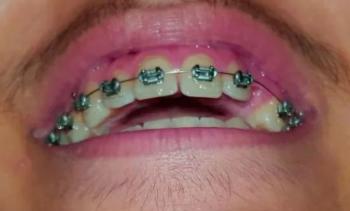
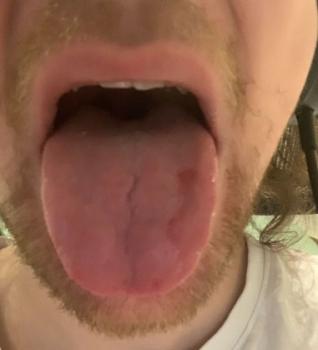
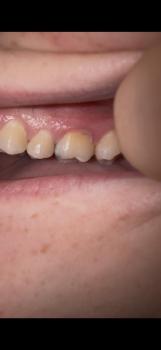
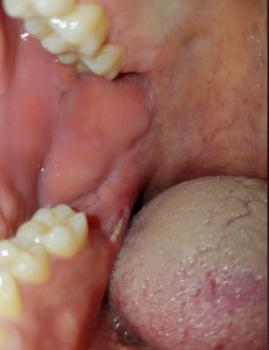
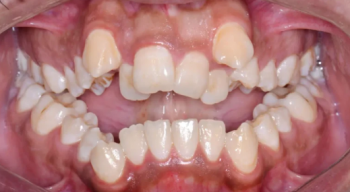
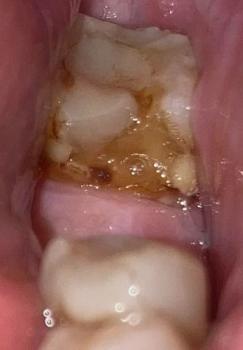
Patients with lower front gum inflammation may also experience tartar buildup, periodontal disease, gum abscesses, or tooth decay. Explore these related clinical case studies.

Other topics:
Other Dental Clinic