Strong Teeth, Fresh Breath, Brighter You.

Are Dental Implants Too Expensive for People With Low Incomes?
Dental implants are considered a normal and widely used treatment in modern dentistry. They are designed to replace missing tooth roots and can provide strong, long-term support for a dental crown, bridge, or other restoration.
The bigger question is not whether dental implants are “normal” — it is whether ordinary people can afford them.
For a person with a high income, spending several thousand dollars on one tooth may be manageable. For a low-income household, the same expense can represent months of available income after paying for basic necessities.
How Do Low-Income Households Budget for a $3,000–$6,000 Dental Procedure?
Consider a household living in a major city such as New York.
Before thinking about dental implants, the household may already need to budget for:
-
Rent or housing
-
Food and groceries
-
Electricity and utilities
-
Transportation
-
Health insurance and medical expenses
-
Childcare or family expenses
-
Phone and internet bills
-
Debt payments
-
Emergency savings
After these essential expenses are paid, there may be very little money left for a multi-thousand-dollar dental procedure.
This creates an important distinction between medical availability and financial accessibility. An implant may be available in the city, but that does not mean every resident has a realistic ability to purchase it.
What Happens When the Budget Cannot Cover an Implant?
Low-income patients may use different strategies when faced with major dental expenses.
1. They postpone treatment.
A person may save for several months or longer before seeking treatment. Unfortunately, delaying dental care can sometimes allow an existing dental problem to become more complicated.
2. They choose a less expensive alternative.
Depending on the clinical situation, a dentist may discuss alternatives such as a removable partial denture or a dental bridge. These options are not appropriate for everyone, but they may have a lower initial cost than an implant.
3. They seek safety-net dental care.
Dental schools, community health centers, and other nonprofit or reduced-fee providers can sometimes make dental treatment more accessible to people with limited income.
4. They use financing.
Monthly payment plans can spread a large bill over time. However, financing does not make treatment free, and patients need to consider interest, fees, credit requirements, and the total amount they will eventually repay.
5. They simply live with the missing tooth.
For some households, the financial priorities are basic necessities. A missing tooth may therefore receive less attention than rent, food, transportation, or other immediate needs.
Is This Different From Developing Countries?
The affordability problem is not unique to New York.
In many lower-income countries, advanced dental treatments can also represent a very large percentage of a person's income. A treatment that is considered routine by dentists may still be financially inaccessible to the majority of the population.
The difference is that the economic scale changes from country to country.
In a developing economy, an implant may represent several months of income for an average worker. In a wealthy city such as New York, the price of an implant may appear relatively small compared with average professional salaries, but it can still be extremely difficult for someone working in a low-wage job while facing high housing and living expenses.
The New York Question
This leads to a broader social question:
If dental implants are considered a standard modern treatment, should everyone who needs one realistically be able to afford it?
The answer depends not only on dentistry, but also on income, insurance, housing costs, employment, access to public programs, and the availability of affordable dental providers.
For low-income New Yorkers, the practical issue is often not whether an implant exists. The issue is whether there is enough money left in the household budget after paying for the necessities of everyday life.
That is why affordable dental clinics, dental schools, public benefits, charitable programs, and lower-cost treatment alternatives can play an important role in improving access to dental care.
Related Clinical Cases
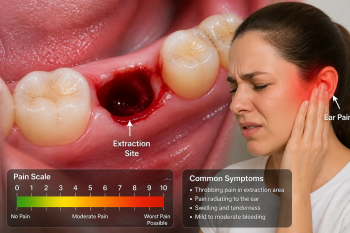
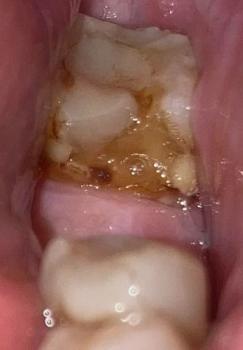
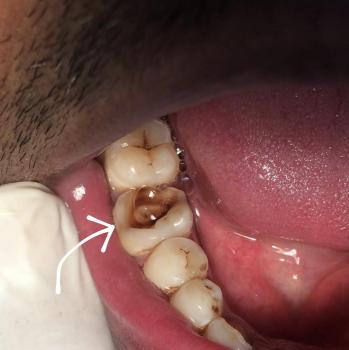
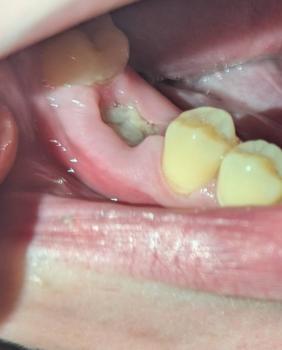
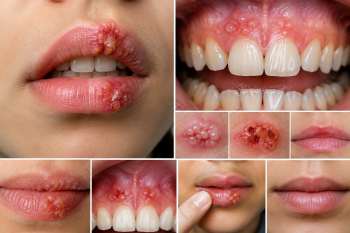
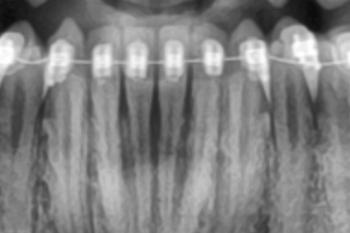
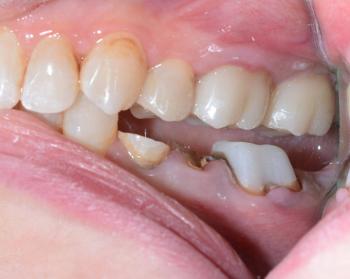
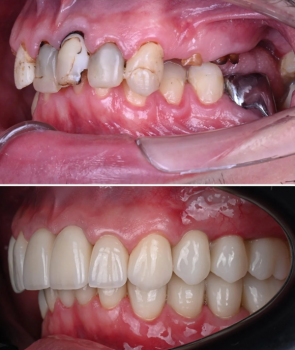
Patients with lower front gum inflammation may also experience tartar buildup, periodontal disease, gum abscesses, or tooth decay. Explore these related clinical case studies.
Other topics:
Other Dental Clinic