Smile Again with Comfort and Confidence.

All-on-4 Financing Options USA (2026 Expert Guide)
Language :
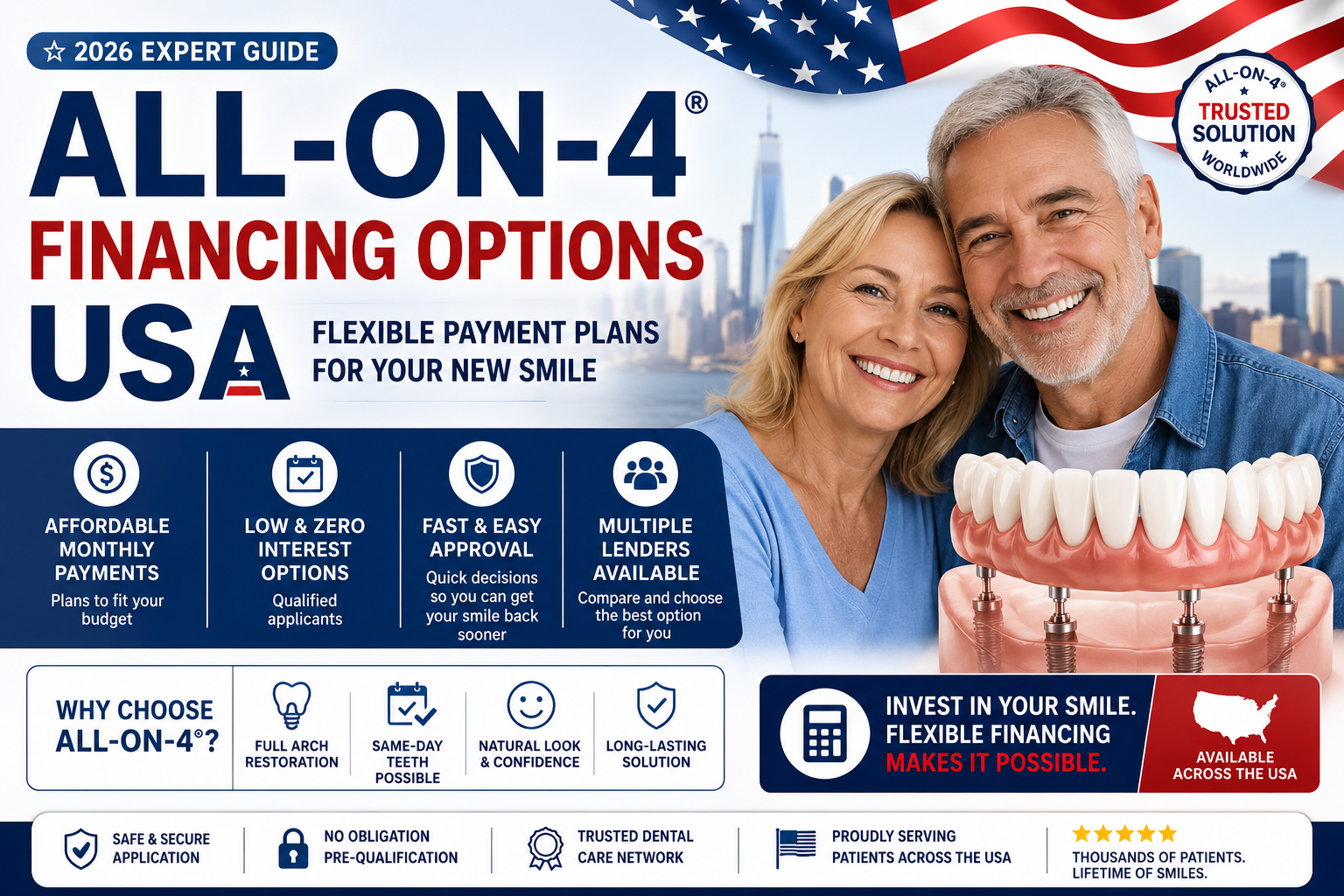
For many Americans struggling with missing teeth, many just neglect the outcome will be massive missing teeth due to bones are moving , loose dentures, severe decay, or failing dental work, All-on-4 dental implants have become one of the most life-changing treatments in modern dentistry. Patients across the United States are now choosing permanent implant-supported teeth because they provide stronger chewing ability, improved confidence, and a more natural smile compared to removable dentures.
However, one major concern prevents many people from moving forward with treatment:
“How can I afford All-on-4 dental implants?”
The reality is that full mouth implant treatment can be expensive. Depending on the city, materials, and complexity, All-on-4 treatment in the USA often ranges from:
- $20,000 to $40,000 per arch
- $40,000 to $80,000+ for full upper and lower mouth restoration
Because of these costs, financing has become one of the most important topics in implant dentistry today.
Fortunately, many dental clinics in the USA now offer flexible financing plans that allow patients to spread payments over months or years instead of paying everything upfront.
This complete expert guide explains:
- All-on-4 financing options in the USA
- Monthly payment plans
- Dental loans
- Insurance considerations
- Credit requirements
- Ways to lower treatment costs
- Practical financial advice from implant professionals
This article is designed for beginners while remaining detailed enough for patients seriously considering full mouth implant treatment.
What Are All-on-4 Dental Implants?
All-on-4 is a full arch dental implant solution that uses four implants to support a complete set of fixed teeth.
Instead of replacing every missing tooth individually, four strategically placed implants hold an entire upper or lower bridge securely in place.
This treatment is commonly recommended for patients with:
- Multiple missing teeth
- Severe tooth decay
- Advanced gum disease
- Loose dentures
- Failing crowns or bridges
- Full mouth reconstruction needs
Many patients choose All-on-4 because it offers:
- Permanent stability
- Better chewing function
- Improved speech
- More confidence
- Reduced denture movement
- Better jawbone support
Why All-on-4 Costs So Much in the USA
Before understanding financing, patients must understand why implant treatment is expensive.
All-on-4 is not simply “buying teeth.”
The treatment involves:
- Surgical planning
- Digital imaging
- CBCT scans
- Implant placement surgery
- Prosthetic fabrication
- Temporary teeth
- Final bridge restoration
- Follow-up care
- Laboratory work
- Sedation or anesthesia
Highly trained specialists often participate in treatment including:
- Oral surgeons
- Prosthodontists
- Implant dentists
- Dental laboratory technicians
The advanced technology and expertise involved contribute significantly to overall pricing.
Average All-on-4 Costs in the USA
Single Arch Cost
Most US patients pay:
- $20,000–$40,000 per arch
Full Mouth Cost
For upper and lower arches:
- $40,000–$80,000+
What Influences the Price?
Several factors affect treatment cost.
Implant Material
Premium implant brands usually cost more.
Final Teeth Material
Patients may choose:
- Acrylic hybrid bridges
- Zirconia bridges
- Porcelain restorations
Zirconia generally costs more but offers greater durability.
Bone Grafting
Some patients require:
- Bone grafting
- Sinus lifts
- Additional surgery
These procedures increase overall cost.
Geographic Location
Major cities like:
- New York City
- Los Angeles
- San Francisco
often have higher implant costs compared to smaller cities.
Why Financing Is So Popular for All-on-4
Even financially stable patients often finance implants. The high cost of living and skilled to pay dentist.
Why?
Because financing allows patients to:
- Preserve savings
- Manage monthly budgets
- Start treatment earlier
- Avoid delaying oral health care
Many Americans prefer manageable monthly payments instead of paying tens of thousands of dollars at once.
Main All-on-4 Financing Options in the USA
There are several common financing methods available.
Dental Office Financing Plans
What Is In-House Financing?
Some implant clinics offer financing directly through their office.
Instead of working with outside lenders, the clinic creates:
- Monthly payment arrangements
- Installment plans
- Structured payment schedules
Advantages of In-House Financing
Benefits may include:
- Faster approval
- Flexible terms
- Lower initial payment
- Easier qualification
Possible Disadvantages
Some offices:
- Require larger down payments
- Offer shorter repayment periods
- Charge interest
Patients should always review financing details carefully.
CareCredit for Dental Implants
What Is CareCredit?
CareCredit is one of the most common healthcare financing companies used in American dentistry.
It functions similarly to a healthcare credit card.
Patients can use it for:
- Dental implants
- Extractions
- Orthodontics
- Cosmetic dentistry
- Oral surgery
CareCredit Financing Features
Plans may include:
- Promotional financing
- Deferred interest
- Fixed monthly payments
Repayment periods may range from:
- 6 months
- 12 months
- 24 months
- Longer extended plans
Important Warning About Deferred Interest
Some promotional financing plans charge deferred interest if the balance is not fully paid during the promotional period.
Patients should understand:
- Interest rates
- Payment schedules
- Late fee policies
before accepting financing.
Personal Loans for Dental Implants
Using Medical or Personal Loans
Some patients use:
- Personal loans
- Medical financing loans
- Credit union loans
to fund implant treatment.
Advantages of Personal Loans
Benefits may include:
- Fixed monthly payments
- Predictable interest rates
- Flexible repayment terms
- Immediate treatment access
Comparing Interest Rates
Interest rates vary based on:
- Credit score
- Income
- Loan amount
- Loan term
Patients with excellent credit usually receive lower interest rates.
Dental Insurance and All-on-4
Does Insurance Cover All-on-4?
Most dental insurance plans in the USA provide limited implant coverage.
Insurance may partially cover:
- Extractions
- Diagnostics
- Bone grafting
- Individual implant components
However, many plans do not fully cover:
- Full arch zirconia bridges
- Cosmetic upgrades
- Complete implant reconstruction
Annual Maximum Limitations
Many dental plans have annual maximums between:
- $1,000
- $2,500
This is far below the total cost of full mouth implants.
Medical Insurance Possibilities help the burned high payment cost
In some medically necessary cases, portions of treatment may qualify for medical insurance consideration.
This depends on:
- Trauma
- Disease
- Reconstructive needs
- Medical documentation
Patients should verify benefits carefully.
Health Savings Accounts (HSA) and Flexible Spending Accounts (FSA)
Using Tax-Advantaged Accounts
Many Americans use:
- HSA accounts
- FSA accounts
for implant treatment.
These accounts allow patients to use pre-tax dollars for qualified healthcare expenses.
Benefits of HSA and FSA Payments
Advantages include:
- Tax savings
- Reduced out-of-pocket burden
- Flexible healthcare budgeting
Credit Cards for Implant Financing
Is Using a Credit Card a Good Idea?
Some patients pay with:
- Standard credit cards
- Low-interest promotional cards
This may help earn:
- Reward points
- Cashback
- Airline miles
However, high-interest debt can become risky if balances are not managed properly.
Comparing Financing Options
Financing Comparison Table
| Financing Method | Advantages | Disadvantages |
|---|---|---|
| In-house financing | Flexible approval | May require down payment |
| CareCredit | Widely accepted | Deferred interest risk |
| Personal loans | Fixed payments | Credit approval needed |
| Credit cards | Rewards possible | High interest risk |
| HSA/FSA | Tax advantages | Contribution limits |
How Credit Scores Affect Approval
Why Credit Matters
Most financing companies review:
- Credit score
- Payment history
- Income
- Debt levels
Higher credit scores usually improve:
- Approval odds
- Interest rates
- Financing limits
Can Patients With Poor Credit Get Approved?
Some patients with lower credit scores may still qualify through:
- Co-signers
- In-house financing
- Larger down payments
- Specialized lenders
Approval varies by provider.
Typical Monthly Payments for All-on-4
Estimated Monthly Costs
Monthly payments depend on:
- Total treatment cost
- Interest rate
- Loan term
Examples:
| Treatment Cost | Estimated Monthly Payment |
|---|---|
| $20,000 | $350–$600/month |
| $40,000 | $700–$1,200/month |
| $60,000 | $1,000–$1,700/month |
These are general estimates only.
How to Reduce All-on-4 Costs
Get Multiple Consultations
Patients should compare:
- Pricing
- Materials
- Experience
- Warranty policies
Ask About Package Pricing
Some clinics offer:
- Full treatment packages
- Promotional pricing
- Bundled services
Consider Traveling Within the USA
Some patients travel to states with lower implant costs such as:
- Texas
- Florida
- Arizona
while still receiving quality care.
Avoid Choosing Based Only on Price
Extremely low-cost implant advertisements can sometimes involve:
- Lower-quality materials
- Fewer implants
- Inexperienced providers
- Hidden fees
Long-term success matters more than short-term savings.
The Importance of Implant Quality
Implant Brand Matters
Well-established implant systems often provide:
- Better research support
- Replacement part availability
- Long-term reliability
Final Prosthesis Quality
Patients should ask:
- Is the final bridge zirconia or acrylic?
- Which laboratory fabricates the teeth?
- Is a warranty included?
These details significantly affect long-term outcomes.
Temporary Teeth vs Final Teeth
Understanding Immediate Teeth
Many All-on-4 patients receive temporary teeth immediately after surgery.
These are not always the final restoration.
Why Final Teeth Take Longer
Permanent restorations are usually placed after healing because:
- Implants need time to integrate with bone
- Bite adjustments may be necessary
- Final fit precision improves after healing
Common Mistakes Patients Make
Focusing Only on Monthly Payment
Lower monthly payments may mean:
- Longer loan terms
- More total interest
Patients should evaluate total repayment cost.
Ignoring Warranty Details
Some clinics include:
- Implant warranties
- Prosthetic repair coverage
Others do not.
Not Asking About Hidden Costs
Always clarify whether pricing includes:
- Sedation
- Extractions
- Bone grafting
- Temporary teeth
- Final bridge
Choosing Clinics Without Experience
Full mouth implant reconstruction requires advanced skill.
Patients should research:
- Before-and-after cases
- Clinical experience
- Patient reviews
- Implant training
How Long Do All-on-4 Implants Last?
Implant Longevity
The titanium implants themselves may last:
- 20 years
- 30 years
- Sometimes a lifetime
Prosthetic Lifespan
The bridge attached to implants may eventually require:
- Repair
- Maintenance
- Replacement
Typical lifespan:
- Acrylic: 5–10 years
- Zirconia: 10–20+ years
Recovery After All-on-4 Surgery
Immediate Recovery
Most patients experience:
- Swelling
- Mild soreness
- Temporary dietary restrictions
during the first week.
Healing Timeline
Full integration between implant and bone usually requires:
- 3–6 months
Eating After Surgery
Patients often begin with:
- Soft foods
- Smooth foods
- Non-chewy meals
Hard foods are gradually reintroduced.
Emotional Benefits of All-on-4
Many patients report dramatic improvements in:
- Self-confidence
- Social comfort
- Eating enjoyment
- Speech clarity
For some people, implant treatment becomes life-changing.
Practical Financial Advice From Implant Experts
Create a Realistic Budget
Patients should evaluate:
- Monthly income
- Existing debt
- Emergency savings
before financing treatment.
Understand the Entire Treatment Plan
Request detailed written information about:
- Procedure stages
- Total costs
- Follow-up appointments
- Long-term maintenance
Avoid Rushing the Decision
All-on-4 is a major investment.
Patients should:
- Research providers carefully
- Compare financing options
- Understand risks and benefits
Questions Patients Should Ask Before Financing
Important Questions
- What is included in the quoted price?
- Is the final bridge zirconia?
- What happens if an implant fails?
- Are follow-up visits included?
- Is there a warranty?
- What financing companies are accepted?
- Are there prepayment penalties?
The Future of Implant Financing in the USA
The demand for dental implants continues growing rapidly in the United States.
As technology advances, future trends may include:
- Faster approvals
- AI-based financing evaluation
- More flexible payment systems
- Subscription-style dental care
- Expanded healthcare lending
Financing accessibility will likely continue improving.
Frequently Asked Questions (FAQs)
How much are monthly payments for All-on-4 implants?
Monthly payments vary widely depending on:
- Treatment cost
- Credit approval
- Interest rate
- Repayment term
Many patients pay between several hundred to over one thousand dollars monthly.
Can I get All-on-4 implants with bad credit?
Some patients with lower credit scores may still qualify through:
- Co-signers
- In-house financing
- Specialized lenders
Approval is never guaranteed.
Does insurance fully cover All-on-4 implants?
Most insurance plans only provide partial coverage.
Patients often combine insurance with financing.
Is zirconia worth the extra cost?
Many implant experts believe zirconia offers:
- Better durability
- More natural appearance
- Longer lifespan
However, acrylic remains a more affordable option.
Can retirees finance dental implants?
Yes. Many retirees use:
- Savings
- Financing plans
- HSA funds
- Medical loans
for implant treatment.
Is traveling for implants safe?
Traveling within the USA for experienced providers can sometimes reduce overall costs while maintaining treatment quality.
Conclusion: Understanding All-on-4 Financing in the USA
All-on-4 dental implants have transformed modern dentistry by giving patients a permanent alternative to removable dentures. Across the United States, more people are investing in implant-supported smiles because of the dramatic improvements in comfort, chewing ability, confidence, and long-term oral health.
However, the financial aspect remains one of the biggest concerns for patients considering treatment.
Fortunately, modern financing solutions now make All-on-4 implants more accessible than ever before.
Patients may choose from:
- In-house financing
- CareCredit
- Personal loans
- HSA/FSA accounts
- Monthly payment plans
- Healthcare lending programs
The best financing choice depends on:
- Budget
- Credit profile
- Long-term financial goals
- Treatment complexity
Most importantly, patients should never rush into treatment based solely on low pricing or attractive advertisements.
A successful All-on-4 case depends on:
- Experienced implant professionals
- High-quality materials
- Proper surgical planning
- Clear financial transparency
- Long-term maintenance care
When carefully planned, All-on-4 treatment can become one of the most rewarding investments a patient makes in both oral health and quality of life.
Can tooth extraction cause infection? Mild inflammation is normal, but increasing swelling, fever, or severe pain may indicate infection. Learn more about post-extraction infection warning signs in this detailed guide.
Book a consultation with our Cebu dental specialists for proper evaluation and care.
Ready to get expert guidance?
If you’re experiencing severe pain or delayed healing, book a consultation with our Cebu dental specialists to get proper evaluation and care.
Consultation or contact page .
Book a Consultation
For severe discomfort or delayed healing, book a consultation with our Cebu dental specialists today.
Looking for a dentist? Browse our Cebu dental directory to find trusted clinics near you.
Medical Review and Clinical Basis
This article is based on clinical dental guidelines and real patient recovery patterns observed after tooth extraction procedures. The information reflects common post-extraction healing stages, including normal clot formation, gum tissue repair, and signs of possible complications such as dry socket or infection.
While mild discomfort is expected after a dental extraction, worsening pain after Day 3, bad odor, exposed bone, or spreading pain may require professional evaluation. These symptoms are consistent with known post-extraction complications described in standard dental practice.
About Cebu Dental Implants
Cebu Dental Implants provides comprehensive tooth extraction, surgical procedures, and dental implant services in the Philippines. Our team evaluates post-extraction healing, manages complications such as dry socket, and advises patients on proper aftercare to prevent infection and delayed healing.
If you experience severe pain or unusual symptoms after extraction, early professional assessment is recommended to prevent further complications.
Important Medical Disclaimer
This content is for educational purposes only and does not replace professional dental diagnosis. Every patient heals differently. If symptoms worsen or do not improve within a few days, consult a licensed dentist for proper evaluation and treatment.
Author
This article was prepared by the Cebu Dental Implants content team in consultation with licensed dental professionals experienced in tooth extraction and implant procedures.
Related Clinical Cases
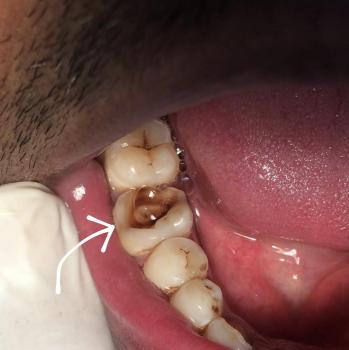
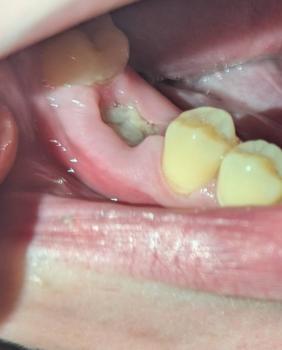
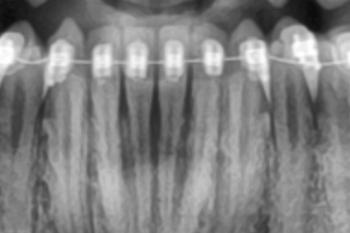
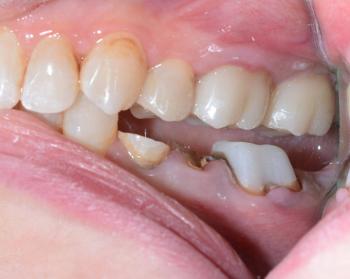
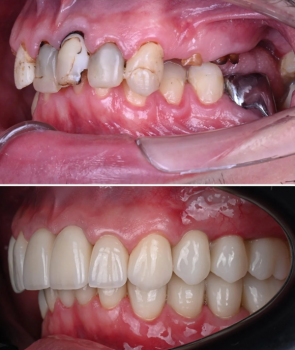
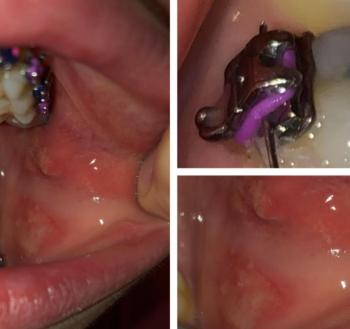
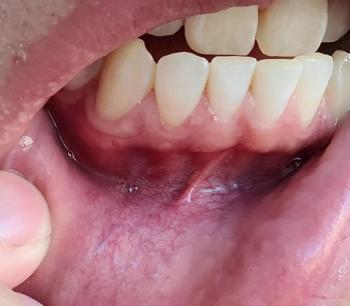
Patients with lower front gum inflammation may also experience tartar buildup, periodontal disease, gum abscesses, or tooth decay. Explore these related clinical case studies.

Other topics:
Other Dental Clinic