From Pain to Perfect — We Care for Your Smile.

Urgent Clinical Analysis: Acute Periodontal Abscess
Image:
Severity:
Teeth Problems:
Full Analysis and Diagnosis
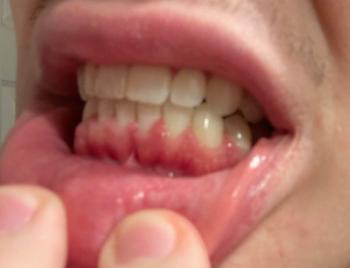
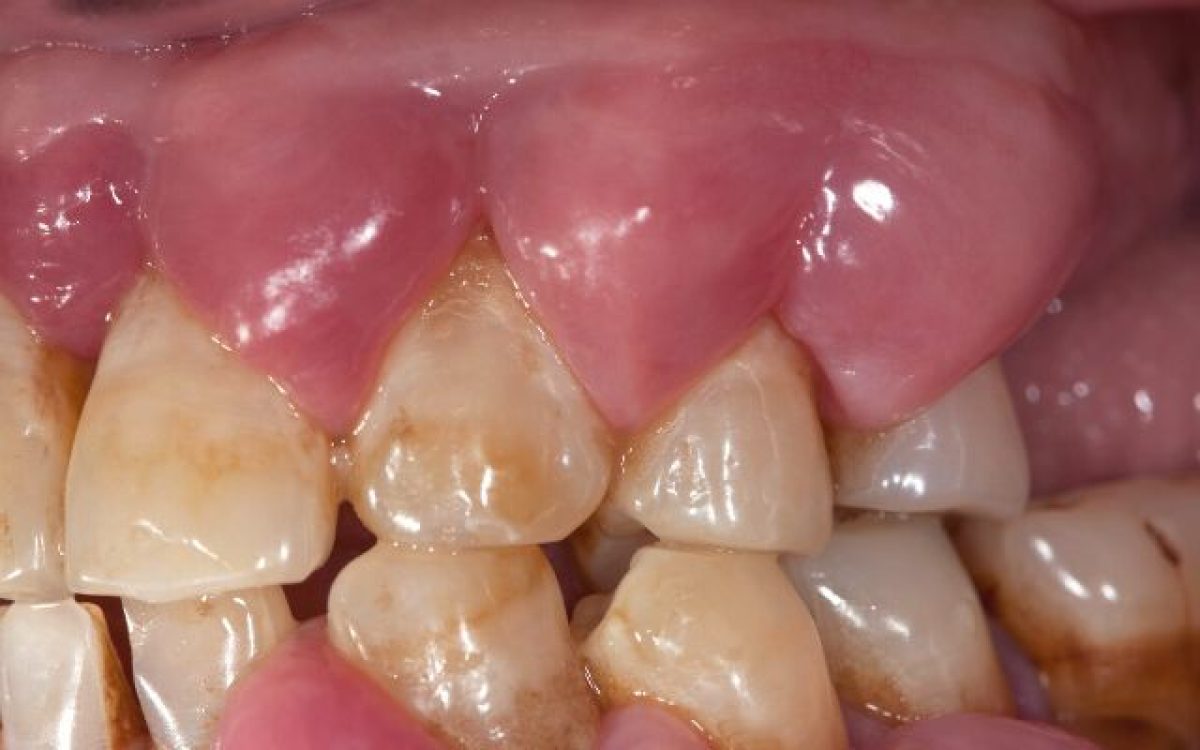
The provided image clearly illustrates an Acute Periodontal Abscess. This is a localized collection of pus (a thick fluid containing dead white blood cells, bacteria, and tissue debris) within the gingival (gum) tissue adjacent to a tooth.
Detailed Examination:
-
Diagnosis: Periodontal Abscess (sometimes called a gum boil).
-
Scale All Teeth: The abscess appears localized to the area of one specific tooth (likely a molar or premolar due to the image angle), but the underlying cause is Periodontitis (gum disease), which often affects multiple teeth. A full examination, including X-rays and periodontal charting (measuring pocket depths), is mandatory to assess all teeth and determine the extent of the generalized disease.
-
Cause: This type of abscess forms when bacteria and debris trapped inside a deep periodontal pocket (the space between the tooth and gum created by advanced gum disease) cannot drain. The infection rapidly progresses, causing the gum tissue to swell and fill with pus.
Antibiotics: Antibiotics are not required for every periodontal abscess. A dental professional will assess whether they are indicated based on the extent of infection, systemic symptoms, and the patient's individual risk factors. Drainage and treatment of the underlying cause remain important. Patients should not self-prescribe antibiotics.
Process to Execute (Immediate and Definitive Treatment)
The treatment is a two-step process: immediately relieve the pressure/infection, then treat the underlying cause.
-
Phase 1: Emergency Treatment (Drainage and Relief)
-
Incision and Drainage (I&D): The dentist will make a small cut (incision) in the swollen area or insert a probe into the periodontal pocket to allow the pus to drain out. This relieves pressure and provides immediate pain relief.
-
Irrigation/Flushing: The pocket is thoroughly flushed with an antiseptic solution (e.g., saline, chlorhexidine) to clean out the infection.
-
Antibiotics: Oral antibiotics are usually prescribed, especially if there is facial swelling, fever, or swelling of the lymph nodes, to prevent the infection from spreading systemically.
-
-
Phase 2: Definitive Treatment (Treating the Root Cause)
-
Scaling and Root Planing (Deep Cleaning): After the acute symptoms subside, the underlying cause—plaque and calculus in the deep periodontal pocket—must be addressed. This involves a deep cleaning to remove all deposits from the tooth root surface, allowing the gums to re-attach or the pocket to shrink.
-
Surgical Options: If the pocket is extremely deep and bone loss is severe, the patient may require Flap Surgery (pocket reduction surgery) or procedures like Bone Grafting to try and regenerate lost support structure.
-
Acute Periodontal Abscess: Symptoms, Diagnosis, Emergency Warning Signs, and Treatment
What Is an Acute Periodontal Abscess?
An acute periodontal abscess is a localized collection of pus in the tissues surrounding a tooth, commonly associated with an infected periodontal pocket. It may develop in people with existing gum disease or when drainage from a periodontal pocket becomes obstructed.
The condition can cause sudden pain, swelling, tenderness, and discomfort during chewing. In some cases, pus may drain from the affected area, creating an unpleasant taste or bad breath.
A periodontal abscess should be distinguished from a periapical abscess, which originates around the root tip of a tooth and may be associated with infection of the dental pulp. These conditions can sometimes have overlapping symptoms, so an accurate diagnosis is important.
Common Signs and Symptoms
Symptoms vary according to the location and severity of the infection. Possible signs include:
-
Localized swelling or redness of the gum near a tooth.
-
Tenderness when touching the affected area or biting.
-
Pus draining from the gum or a periodontal pocket.
-
A bad taste in the mouth or persistent bad breath.
-
Increased tooth mobility in teeth with supporting tissue damage.
-
Fever, fatigue, or facial swelling if the infection is more extensive.
Not every patient experiences all these symptoms. The absence of severe pain does not necessarily mean that an infection is harmless.
When Is a Periodontal Abscess a Dental Emergency?
A suspected periodontal abscess requires urgent dental assessment. Do not wait for a routine appointment if swelling or pain is progressing.
Seek emergency medical care immediately if you experience difficulty breathing or swallowing, rapidly spreading facial or neck swelling, or significant swelling inside the mouth that may threaten the airway. Fever with worsening swelling, marked difficulty opening the mouth, or feeling severely unwell also warrants urgent assessment.
A spreading dental infection can extend beyond the gum tissues and may require hospital treatment.
How Dentists Diagnose a Periodontal Abscess
A dentist may examine the affected tooth and surrounding gums, assess periodontal pocket depth, check for pus and tooth mobility, and review the patient's symptoms and dental history.
Dental X-rays may be used to evaluate supporting bone and help investigate the source of infection. Additional tests may be necessary when the findings suggest another condition, such as a tooth-root infection or a combined periodontal-endodontic lesion.
A photograph can show visible swelling or redness, but it cannot reliably establish the depth of infection, the condition of the tooth root, or the amount of bone loss. A definitive diagnosis requires appropriate clinical assessment.
How Is an Acute Periodontal Abscess Treated?
Treatment depends on the cause, the extent of infection, and the condition of the affected tooth.
1. Drainage and Local Cleaning
When indicated, a dental professional may establish drainage and clean the affected periodontal pocket to remove pus, debris, and other contributing material. Patients should not attempt to puncture, squeeze, or drain the abscess at home.
2. Treatment of the Underlying Cause
The dentist may recommend periodontal cleaning, scaling and root planing, or additional periodontal treatment depending on the extent of gum disease. If the infection originates from the tooth pulp or root, a different treatment approach may be necessary.
In severely damaged or non-restorable teeth, extraction may be considered after the available options have been evaluated.
3. Appropriate Use of Antibiotics
Antibiotics are not a substitute for drainage and treatment of the source of infection. They are not routinely necessary for every localized periodontal abscess.
A dentist or physician may consider antibiotics when there is spreading infection, systemic illness, or another clinical reason that warrants their use. The choice of medication depends on the diagnosis, medical history, allergies, and other relevant factors.
Patients should not use leftover antibiotics or take prescription medication without professional guidance.
Recovery and Follow-Up
Recovery depends on the severity of the infection, the treatment provided, and the patient's underlying periodontal health.
The dentist should explain how to clean the affected area, what symptoms to monitor, and when a follow-up examination is required. If pain, swelling, fever, or discharge persists or worsens after treatment, contact the dental professional promptly.
Even when the swelling improves, ongoing periodontal disease may require additional treatment to help protect the supporting tissues and reduce the risk of recurrence.
Can a Periodontal Abscess Be Prevented?
Good oral hygiene and appropriate periodontal maintenance can reduce the risk of gum disease and related complications.
Helpful preventive measures include:
-
Brushing twice daily with fluoride toothpaste.
-
Cleaning between the teeth daily using appropriate interdental tools.
-
Attending dental examinations and professional cleaning as recommended.
-
Seeking assessment for persistent gum bleeding, swelling, or tooth mobility.
-
Following a personalized periodontal maintenance plan if gum disease has been diagnosed.
People with a history of periodontitis may require more frequent professional monitoring than people with healthy gums.
Frequently Asked Questions
Can a periodontal abscess disappear on its own?
Symptoms may temporarily decrease if pus drains, but this does not necessarily mean that the infection or its underlying cause has resolved. Professional assessment is important.
Does every periodontal abscess require antibiotics?
No. Treatment commonly focuses on drainage and management of the underlying cause. Antibiotics are considered when clinically indicated, particularly when infection is spreading or systemic symptoms are present.
Can a periodontal abscess cause tooth loss?
It can threaten a tooth when substantial supporting tissue has been damaged or the infection cannot be adequately controlled. The outcome depends on the tooth's condition and the response to treatment.
Can I treat a gum abscess at home?
Home care cannot reliably eliminate the source of a periodontal abscess. Do not puncture the swelling or apply caustic substances to the gums. Arrange urgent dental assessment, and seek emergency care if you develop warning signs of a spreading infection.
Recovery and Healing After Treatment
Recovery varies according to the severity of the infection, the treatment performed, and the condition of the surrounding periodontal tissues. Some symptoms may improve after appropriate treatment, but complete healing cannot be guaranteed within a fixed number of days.
Attend the recommended follow-up appointments. Contact your dentist promptly if pain or swelling worsens, fever develops, or pus continues to drain. Seek emergency medical care for difficulty breathing or swallowing or rapidly spreading facial or neck swelling.
Clinical Assessment and Diagnostic Limitations
The visible appearance may be consistent with a localized gum infection, including a possible periodontal abscess. However, a photograph alone cannot confirm the diagnosis or determine whether the infection originates from the periodontal tissues or the tooth pulp.
A dentist should assess the affected tooth, periodontal pocket depths, surrounding tissues, and relevant dental history. Dental radiographs may be indicated to help identify the source of infection and assess supporting bone.
Comments
This condition is an urgent warning sign of existing severe gum disease. While antibiotics and drainage are effective for the emergency, they only treat the symptom. The long-term health of the tooth depends entirely on thorough treatment of the underlying periodontitis. The patient must be committed to excellent daily oral hygiene and follow-up with a dental professional (ideally a Periodontist—a gum specialist).
Visit Nearest Location Area
Given the urgent nature of an abscess, you need to find a dental clinic immediately. Please use the provided directory link to search for the nearest available dentist:
Directory Listing: https://cebudentalimplants.com/map-dental-clinic
Conclusion
An acute periodontal abscess is a potentially serious gum infection that should be assessed promptly. Recognizing the warning signs, obtaining an accurate diagnosis, treating the source of infection, and following professional advice can help reduce complications and protect oral health.
Medical disclaimer: This article is for educational purposes and does not replace an examination by a qualified dental professional. Treatment decisions must be individualized.
References for Further Reading
-
American Dental Association: Antibiotics for Dental Pain and Swelling.
-
Scottish Dental Clinical Effectiveness Programme: Dental Abscess.
-
NHS inform: Dental Abscess.
Sources:
-
European Federation of Periodontology — Clinical guideline on acute periodontal conditions.
-
American Dental Association — Antibiotics for dental pain and swelling
Related Clinical Cases
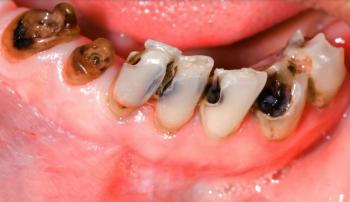
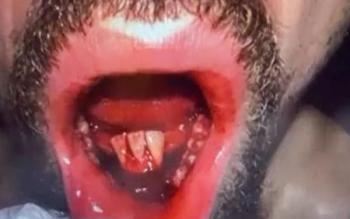
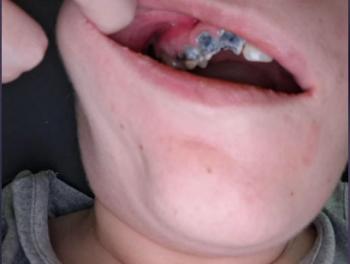
Patients with lower front gum inflammation may also experience tartar buildup, periodontal disease, gum abscesses, or tooth decay. Explore these related clinical case studies.