Strong Teeth, Fresh Breath, Brighter You.

Swollen Gums: Causes, Treatment & When to See a Dentist in the Philippines
Swollen Gums
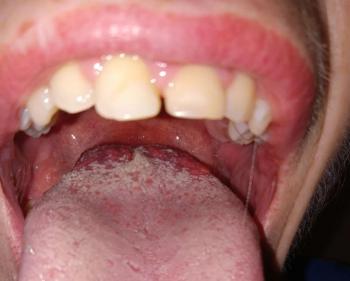
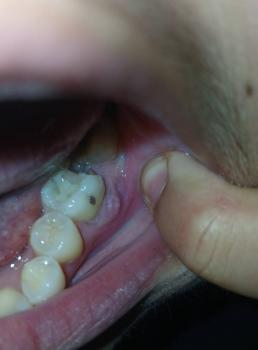
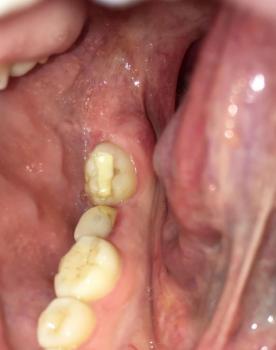
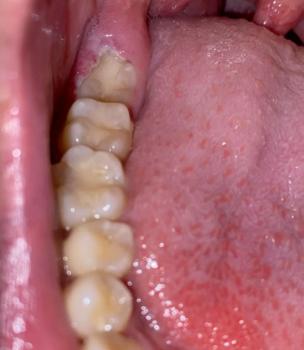
Swollen gums are a common dental problem that can affect children, teenagers, and adults. The gums may look red, enlarged, tender, or bleed when brushing or eating.
For many patients, swollen gums are associated with poor dental hygiene, heavy smoking, unhealthy eating habits, and lack of regular dental care. What may begin as mild gum inflammation can become more serious when it is ignored for a long time.
Common Causes of Swollen Gums
Several conditions can cause the gums to become swollen:
- Plaque and tartar buildup – Bacteria around the teeth can irritate the gums and cause inflammation.
- Gingivitis – Early gum disease commonly causes redness, swelling, and bleeding.
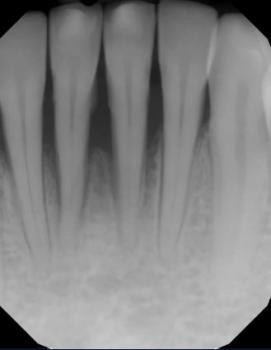
- Periodontitis – Untreated gum disease can progress deeper and may eventually affect the bone supporting the teeth.
- Heavy smoking – Smoking can seriously affect gum health and make it harder for the mouth to fight infection.
- Poor dental hygiene – Infrequent brushing, flossing, and professional cleaning can allow plaque and tartar to accumulate.
- Poor diet – A diet lacking important nutrients may contribute to poor oral and overall health.
- Food trapped between teeth – This can irritate the surrounding gum tissue.
- Dental infection or abscess – Localized swelling may sometimes indicate an infection that needs prompt dental treatment.
Why Do My Gums Keep Swelling?
If your gums repeatedly become swollen, the problem may not simply be from brushing too hard or eating certain foods. Persistent swelling can be a sign of gum disease, heavy tartar buildup, or an infection.
Smoking can also make oral problems more complicated. A person who smokes heavily may not notice the severity of gum disease because smoking can affect normal gum responses.
What Can I Do for Swollen Gums?
Good oral hygiene is an important first step. Brush gently twice a day with fluoride toothpaste and clean between the teeth regularly.
However, if there is significant tartar buildup, home brushing cannot remove hardened tartar. A dental examination and professional cleaning may be necessary.
If you smoke, reducing or stopping smoking can also help improve your overall oral health.
When Should I See a Dentist?
See a dentist if gum swelling:
- Lasts for more than a few days
- Keeps coming back
- Causes significant bleeding
- Is associated with bad breath or a bad taste
- Causes pain when chewing
- Is accompanied by loose teeth
- Produces pus
- Causes swelling of the face or jaw
- Comes with fever
Facial swelling, difficulty breathing or swallowing, or rapidly increasing swelling requires urgent medical or dental attention.
Frequently Asked Questions About Swollen Gums
1. Why are my gums swollen?
Swollen gums are commonly caused by plaque, tartar, gum disease, poor oral hygiene, smoking, food trapped between teeth, or dental infection.
2. Is swollen gum a serious problem?
It can be. Mild inflammation may be an early sign of gingivitis, while persistent or severe swelling can indicate more advanced gum disease or infection.
3. Can smoking cause swollen gums?
Yes. Heavy smoking is strongly associated with poor gum health and increases the risk of gum disease. Smokers should have regular dental examinations.
4. Can swollen gums go away by themselves?
Sometimes mild irritation may improve with better oral hygiene. But swelling caused by tartar, gum disease, or infection usually requires professional dental treatment.
5. Why do my gums bleed when I brush?
Bleeding can be a sign of inflamed gums, particularly gingivitis or periodontal disease. It should not simply be considered normal.
6. Can poor diet affect my gums?
Yes. A balanced diet supports healthy teeth, gums, and the body's normal ability to maintain oral tissues. Poor nutrition combined with poor dental hygiene can contribute to oral health problems.
7. Does tartar cause swollen gums?
Tartar can irritate the gums and provide a surface where bacteria accumulate. Once tartar has hardened, it generally needs to be professionally removed.
8. Can swollen gums cause tooth loss?
Untreated gum disease can damage the tissues and bone supporting the teeth. In advanced cases, teeth can become loose and may eventually be lost.
9. What happens if I ignore swollen gums?
The swelling may temporarily decrease while the underlying problem remains. Untreated gum disease or infection can become more difficult and expensive to manage later.
10. Should I see a dentist even if my gums don't hurt?
Yes. Gum disease does not always cause significant pain in its early stages. Regular dental examinations can help identify problems before they become severe.
Protect Your Teeth and Gums
Swollen gums should not be ignored, especially when they are persistent or associated with smoking, heavy tartar, bleeding, bad breath, or tooth problems. Early dental care is usually simpler than waiting until the condition becomes severe.
For patients in the Philippines, regular dental checkups, professional cleaning, good daily oral hygiene, a healthier diet, and avoiding tobacco can all play an important role in maintaining healthy gums.
Related Clinical Cases
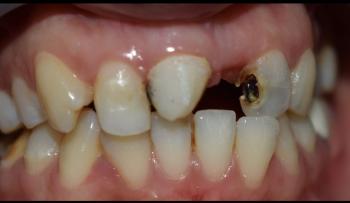
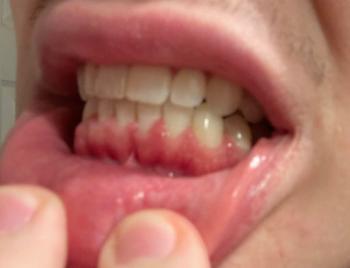
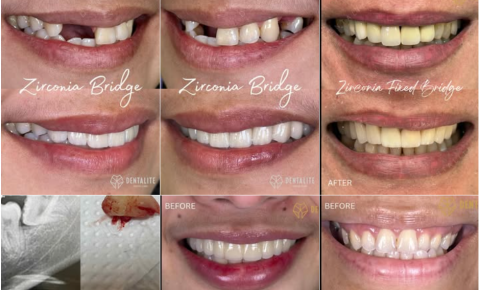
Patients with lower front gum inflammation may also experience tartar buildup, periodontal disease, gum abscesses, or tooth decay. Explore these related clinical case studies.