Healthy Teeth, Happy Life.

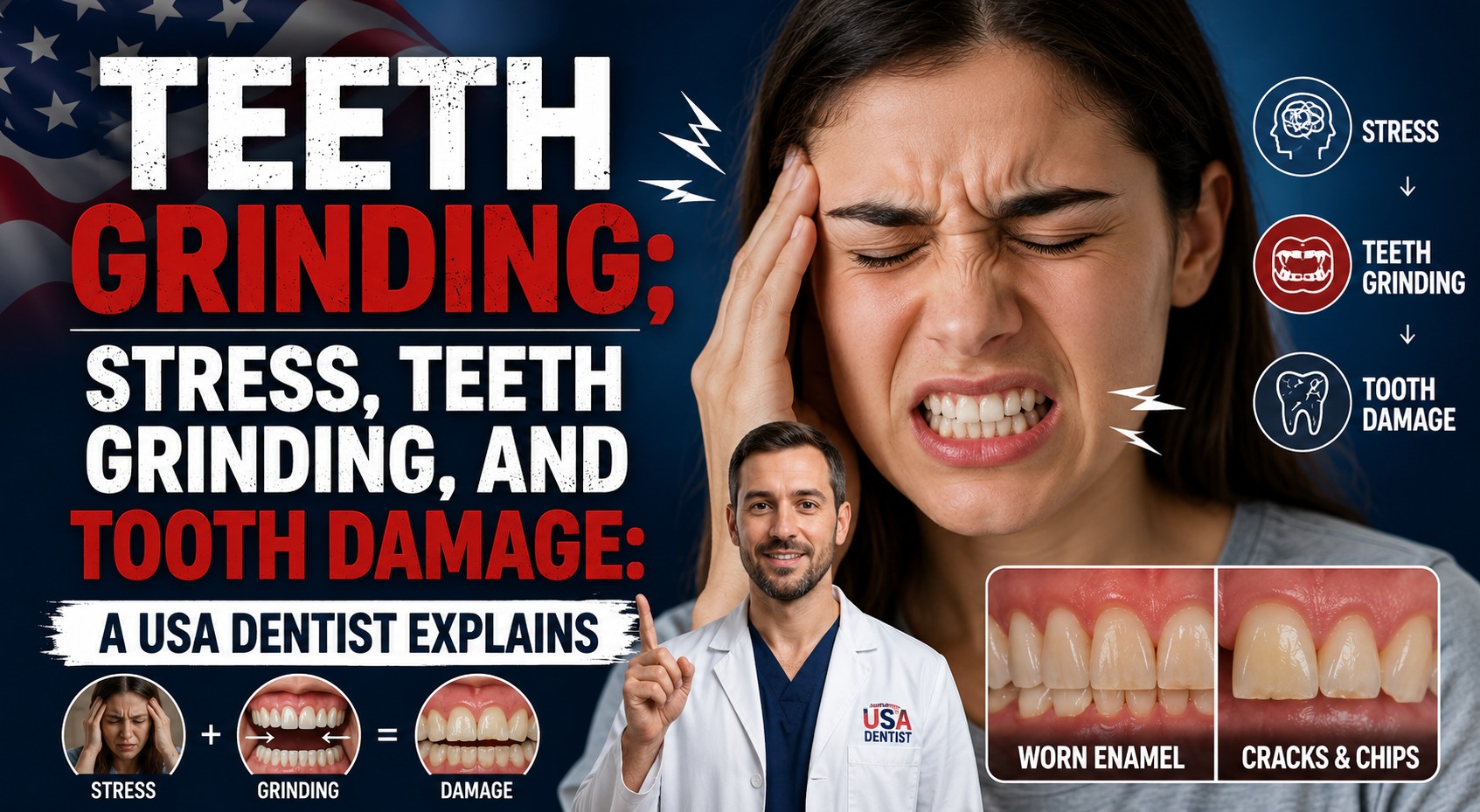
Stress, Teeth Grinding, and Tooth Damage: A USA Dentist Explains
Language :
Topics:
I Couldn't Stop Worrying for a Month—Then My Teeth Started Hurting: A USA Dentist with 20 Years of Experience Explains the Link Between Stress, Sleep, Bruxism, and Abfraction
When Worry Begins to Show Up in Your Mouth
Over my 20 years as a practicing dentist in the United States, I have treated thousands of patients suffering from tooth pain, gum sensitivity, cracked teeth, jaw discomfort, and unexplained dental damage. Surprisingly, many of these patients shared something in common: prolonged periods of stress and anxiety.
One patient, a 45-year-old man, came into my office with a simple concern.
"Doctor, I've been worried constantly for almost a month. Now my gums hurt, my teeth feel sensitive, and I noticed small notches near the gumline."
At first, he thought he had cavities.
Then he suspected gum disease.
What we eventually discovered was something incredibly common but often overlooked: stress-related teeth clenching during sleep.
The human body has remarkable ways of expressing emotional stress physically. Some people develop headaches. Others experience digestive issues, muscle tension, insomnia, or elevated blood pressure.
Many people don't realize that the mouth often becomes one of the first places where chronic stress leaves visible damage.
If you have been worrying constantly, waking up with jaw soreness, experiencing tooth sensitivity, or noticing unusual wear near your gumline, your symptoms may be connected.
Let's explore how stress, sleep, bruxism, and abfraction work together—and why early intervention matters.
The Hidden Cost of Chronic Worry
Worry is a normal human emotion.
Everyone experiences periods of uncertainty.
However, when stress continues day after day, week after week, the body can remain stuck in a state of heightened alertness.
Even while sleeping, your nervous system may remain activated.
Many patients tell me:
-
"I can't turn my brain off."
-
"I keep thinking about finances."
-
"I wake up tired despite sleeping."
-
"I feel tense all the time."
Although your body may appear to be resting, your muscles may tell a different story.
One of the most common stress responses involves tightening the jaw muscles.
Over time, this can develop into a condition known as bruxism.
What Is Bruxism?
Bruxism refers to:
-
Clenching your teeth
-
Grinding your teeth
-
Tightening jaw muscles excessively
Bruxism can occur:
-
During the day
-
During sleep
-
During periods of concentration
-
During stressful situations
Sleep bruxism is particularly concerning because it occurs without conscious awareness.
You cannot simply tell yourself to stop.
Many patients have no idea they are grinding their teeth until a spouse hears it during the night or a dentist notices the signs.
Why Stress Triggers Teeth Grinding
The relationship between stress and bruxism is well documented.
When the brain perceives stress, it activates muscles throughout the body.
Common areas include:
-
Neck
-
Shoulders
-
Back
-
Face
-
Jaw
During sleep, this tension can translate into repetitive jaw movements and clenching episodes.
Some patients generate hundreds of pounds of pressure while grinding.
To put that into perspective, the force produced during severe nighttime grinding can exceed the force used during normal chewing.
Night after night, this pressure can damage teeth, gums, jaw joints, and surrounding structures.
A Real-Life Example
Recently, I treated a patient who had been experiencing intense financial stress.
For nearly a month, he constantly worried about bills, employment, and family responsibilities.
He reported:
-
Morning headaches
-
Jaw tightness
-
Tooth sensitivity
-
Gum discomfort
-
Interrupted sleep
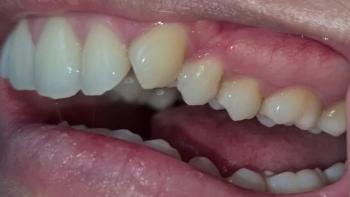
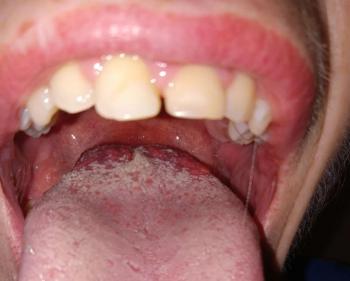
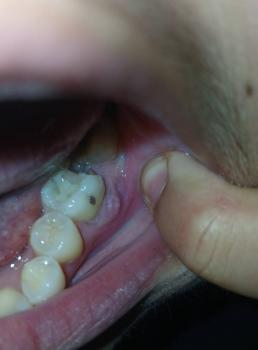
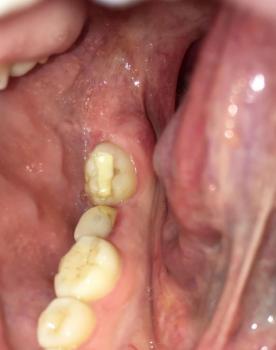
Upon examination, I noticed:
-
Wear facets on the teeth
-
Gumline notches
-
Mild gum recession
-
Signs of excessive bite pressure
The diagnosis was clear.
His stress had triggered nighttime bruxism, which was creating damage throughout his mouth.
Understanding Abfraction
One of the most fascinating yet misunderstood dental conditions associated with bruxism is abfraction.
Abfraction appears as:
-
Small V-shaped notches
-
Wedge-shaped defects
-
Tooth structure loss near the gumline
Many patients assume these areas are cavities.
Often they are not.
Instead, they are mechanical injuries caused by excessive force.
How Abfraction Develops
Every tooth flexes slightly under pressure.
Normally this movement is minimal and harmless.
However, repeated clenching places tremendous force on the tooth structure.
Over time:
-
The tooth bends microscopically
-
Stress concentrates near the neck of the tooth
-
Tiny enamel fractures occur
-
Small pieces gradually break away
The result is a visible notch near the gumline.
Think of bending a paperclip repeatedly.
Eventually the metal weakens and breaks.
Similarly, repetitive stress weakens tooth structure.
Why the Gumline Is Vulnerable
The area near the gumline represents one of the weakest points on a tooth.
Enamel is thinner there.
The transition between crown and root creates a natural stress concentration point.
When powerful biting forces occur repeatedly, damage often begins in this region.
This explains why abfraction lesions frequently develop near healthy gums.
Why Your Gums Hurt Too
Patients often ask:
"If the problem is in the tooth, why do my gums hurt?"
The answer involves force transmission.
When you clench your teeth:
-
Teeth absorb pressure
-
Supporting ligaments absorb pressure
-
Surrounding gum tissues absorb pressure
Repeated trauma can cause:
-
Gum inflammation
-
Tenderness
-
Swelling
-
Sensitivity
In some cases, gum recession may occur.
As the gums recede, sensitive root surfaces become exposed.
This can significantly increase discomfort.
Signs You May Be Grinding Your Teeth at Night
Many people are unaware they grind their teeth.
Common clues include:
Morning Headaches
Frequent headaches upon waking often indicate jaw muscle strain.
Jaw Soreness
Pain around the cheeks or jaw joints can signal nighttime clenching.
Tooth Sensitivity
Pressure and enamel wear can increase sensitivity.
Chipped Teeth
Grinding weakens enamel and raises fracture risk.
Flattened Teeth
Excessive grinding gradually wears chewing surfaces.
Ear Pain
Jaw tension can radiate toward the ears.
Neck and Shoulder Tension
Muscle strain frequently extends beyond the jaw.
How Stress Affects Sleep Quality
Many patients focus on sleep duration.
However, sleep quality is equally important.
When worry dominates your thoughts, the body may remain partially alert.
This can lead to:
-
Frequent awakenings
-
Shallow sleep
-
Muscle tension
-
Increased grinding episodes
You may spend eight hours in bed yet wake feeling exhausted.
The jaw muscles may have been working throughout the night.
The Role of the Temporomandibular Joint (TMJ)
The TMJ connects the jaw to the skull.
Excessive clenching can overload this joint.
Symptoms may include:
-
Jaw clicking
-
Popping sounds
-
Pain when chewing
-
Difficulty opening the mouth
-
Facial discomfort
Not every grinder develops TMJ disorders, but prolonged stress significantly increases risk.
Why Age 45 Can Be a Critical Time
Many patients around age 45 face significant life pressures.
These may include:
-
Career concerns
-
Financial responsibilities
-
Family obligations
-
Health worries
-
Retirement planning
The cumulative effect of these stressors can increase bruxism risk.
As we age, teeth also accumulate years of wear.
This combination can make dental damage more noticeable.
The Consequences of Ignoring the Problem
One month of stress may not destroy a smile.
However, months or years of untreated bruxism can lead to serious complications.
Potential outcomes include:
Larger Abfraction Lesions
Small notches can deepen over time.
Severe Sensitivity
Exposed dentin reacts strongly to temperature changes.
Cracked Teeth
Repeated stress weakens tooth structure.
Broken Fillings
Dental restorations may fail prematurely.
Gum Recession
Continued trauma can worsen gum problems.
TMJ Disorders
Joint symptoms may become chronic.
Tooth Fractures
Advanced cases sometimes require crowns or root canals.
Why Early Treatment Matters
One important fact every patient should understand is this:
Lost tooth structure does not grow back.
Unlike skin, enamel cannot regenerate naturally.
This means prevention and early intervention are critical.
The sooner bruxism is identified, the easier it is to prevent further damage.
The Importance of a Professional Dental Evaluation
If you suspect grinding or clenching, schedule a dental examination.
Your dentist may look for:
-
Wear patterns
-
Abfraction lesions
-
Cracks
-
Gum recession
-
Muscle tenderness
-
TMJ symptoms
A comprehensive evaluation helps determine the true cause of your symptoms.
Not every notch is abfraction.
Not every sensitive tooth is caused by grinding.
Accurate diagnosis matters.
The Night Guard: A Powerful Solution
One of the most effective treatments for sleep bruxism is a custom night guard.
This appliance fits over the teeth while you sleep.
Its benefits include:
-
Reducing grinding damage
-
Distributing biting forces
-
Protecting enamel
-
Preventing crack progression
-
Reducing jaw muscle strain
Many patients report significant improvement within weeks.
Why Custom Night Guards Are Better
Store-bought guards may provide temporary relief.
However, custom-fitted appliances offer:
-
Better comfort
-
Improved durability
-
More accurate fit
-
Enhanced protection
Because every bite is unique, personalized treatment often produces superior results.
Managing Stress Before Bed
Since stress is often the trigger, addressing it directly can help.
Healthy strategies include:
-
Deep breathing exercises
-
Meditation
-
Gentle stretching
-
Reading
-
Limiting screen time
-
Journaling concerns
-
Consistent sleep schedules
These techniques help calm the nervous system before sleep.
The Connection Between Financial Stress and Dental Health
Financial anxiety is one of the most common stressors I hear about.
Patients often worry about:
-
Medical bills
-
Family expenses
-
Employment uncertainty
-
Debt
Ironically, delaying dental care due to cost concerns can sometimes lead to more expensive treatment later.
Many dental offices offer:
-
Payment plans
-
Financing programs
-
Monthly installment options
Asking about available solutions can reduce both financial and emotional stress.
Restoring Existing Damage
If abfraction lesions have already developed, treatment options may include:
Monitoring
Small lesions may simply be observed.
Bonding
Tooth-colored fillings can restore lost structure.
Desensitizing Treatments
Special products reduce sensitivity.
Crowns
Severely damaged teeth may require full coverage.
Treatment depends on:
-
Severity
-
Symptoms
-
Cosmetic concerns
-
Structural integrity
A Message From a Dentist With 20 Years of Experience
After treating patients for more than two decades, I have learned that dental health and emotional health are deeply connected.
Many people think stress only affects the mind.
In reality, stress affects the entire body—including the teeth, gums, jaw joints, and muscles.
If you have spent the last month worrying constantly and are now noticing tooth sensitivity, gum discomfort, jaw soreness, or unusual wear near the gumline, do not ignore these warning signs.
Your mouth may be telling you something important.
The good news is that effective treatment exists.
A professional dental examination, a properly fitted night guard, and practical stress-management strategies can help stop the cycle before serious damage occurs.
Remember, small notches can become large cracks.
Minor sensitivity can become chronic pain.
Early action often prevents bigger problems later.
Protecting your teeth today may save you from extensive and costly dental treatment tomorrow.
Most importantly, understand that you are not alone. Stress-related bruxism is incredibly common, especially during challenging periods of life. Recognizing the connection between worry, sleep, and oral health is the first step toward protecting your smile for years to come.
Can tooth extraction cause infection? Mild inflammation is normal, but increasing swelling, fever, or severe pain may indicate infection. Learn more about post-extraction infection warning signs in this detailed guide.
Book a consultation with our Cebu dental specialists for proper evaluation and care.
Ready to get expert guidance?
If you’re experiencing severe pain or delayed healing, book a consultation with our Cebu dental specialists to get proper evaluation and care.
Consultation or contact page .
Book a Consultation
For severe discomfort or delayed healing, book a consultation with our Cebu dental specialists today.
Looking for a dentist? Browse our Cebu dental directory to find trusted clinics near you.
Medical Review and Clinical Basis
This article is based on clinical dental guidelines and real patient recovery patterns observed after tooth extraction procedures. The information reflects common post-extraction healing stages, including normal clot formation, gum tissue repair, and signs of possible complications such as dry socket or infection.
While mild discomfort is expected after a dental extraction, worsening pain after Day 3, bad odor, exposed bone, or spreading pain may require professional evaluation. These symptoms are consistent with known post-extraction complications described in standard dental practice.
About Cebu Dental Implants
Cebu Dental Implants provides comprehensive tooth extraction, surgical procedures, and dental implant services in the Philippines. Our team evaluates post-extraction healing, manages complications such as dry socket, and advises patients on proper aftercare to prevent infection and delayed healing.
If you experience severe pain or unusual symptoms after extraction, early professional assessment is recommended to prevent further complications.
Important Medical Disclaimer
This content is for educational purposes only and does not replace professional dental diagnosis. Every patient heals differently. If symptoms worsen or do not improve within a few days, consult a licensed dentist for proper evaluation and treatment.
Author
This article was prepared by the Cebu Dental Implants content team in consultation with licensed dental professionals experienced in tooth extraction and implant procedures.
Related Clinical Cases
Patients with lower front gum inflammation may also experience tartar buildup, periodontal disease, gum abscesses, or tooth decay. Explore these related clinical case studies.