Smile Again with Comfort and Confidence.

Root Canal vs Extraction in the Philippines: Cost, Benefits & Which Is Better?
When a tooth becomes badly decayed, infected, or painful, patients are often faced with two main options: root canal treatment or tooth extraction.
In the Philippines, cost can strongly influence this decision. Some patients may choose extraction because it is often less expensive upfront. Others may prefer root canal treatment because it can preserve the natural tooth.
What Is a Root Canal?
A root canal treatment is a procedure used to remove infected or damaged tissue from inside the tooth. The dentist cleans and disinfects the root canals, fills them, and usually restores the tooth with a filling or crown.
The main goal is to save the natural tooth whenever it can still be properly restored.
Root canal treatment may be considered when:
- The tooth has deep decay
- The dental nerve is infected
- There is a severe toothache
- The tooth has developed an abscess
- The tooth has suffered trauma
- The tooth can still be structurally restored
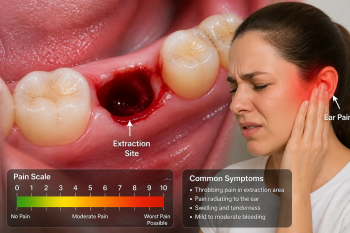
What Is Tooth Extraction?
Tooth extraction means removing the damaged or infected tooth.
Extraction may be recommended when a tooth is too damaged to restore, has severe structural damage, has extensive infection, or has a poor long-term prognosis.
For some Filipino patients, extraction can appear to be the more practical choice because the initial cost may be lower than root canal treatment and restoration.
However, removing a tooth creates another issue: what will replace the missing tooth?
Possible replacement options include:
- Dental bridge
- Removable partial denture
- Dental implant
These additional treatments can increase the total long-term cost.
Why Do Some Filipinos Choose Extraction?
Dental treatment costs can be a major concern for families in the Philippines. When someone is experiencing severe tooth pain, the immediate priority may simply be to stop the pain as quickly and affordably as possible.
Extraction can sometimes provide a less expensive immediate solution.
However, patients should ask their dentist about the total cost of treatment over time, not just the price of removing the tooth.
A tooth that could potentially be saved may be worth evaluating before deciding on extraction.
Is Root Canal Treatment Better Than Extraction?
There is no single answer for every patient.
If a tooth has a good prognosis and can be restored, preserving the natural tooth may be an excellent option. If the tooth is severely damaged and cannot predictably be restored, extraction may be the more appropriate treatment.
The decision should be based on:
- Condition of the tooth
- Amount of remaining tooth structure
- Severity of infection
- Bone and gum condition
- Overall oral health
- Cost of treatment
- Long-term restoration options
- Dentist's clinical assessment
Root Canal vs Extraction: Simple Comparison
| Root Canal | Extraction |
|---|---|
| Attempts to save the natural tooth | Removes the natural tooth |
| Usually requires more treatment | Often simpler initially |
| May require a crown afterward | Missing tooth may need replacement |
| Preserves the tooth in the mouth | Leaves a space after healing |
| Can involve higher upfront costs | Often lower initial cost |
| Requires proper restoration and maintenance | Future bridge, denture, or implant may add costs |
Don't Decide Based on Price Alone
For patients with limited finances, cost is a real concern. But before removing a tooth, it is worth asking the dentist:
"Can this tooth still be saved?"
Also ask:
"If I extract it, what will happen afterward?"
The cheapest treatment today is not necessarily the least expensive solution over several years.
For patients who can afford restorative treatment, root canal therapy may provide an opportunity to keep a natural tooth when the dentist believes it has a reasonable chance of lasting.
What Should You Ask Your Dentist?
Before choosing between root canal treatment and extraction, ask:
- Can my tooth still be saved?
- How severe is the infection?
- How much healthy tooth structure remains?
- Will I need a crown after a root canal?
- What is the total cost of saving the tooth?
- What will happen if I extract the tooth?
- Will I need a bridge, denture, or dental implant?
- What will the long-term cost be?
- How long can the tooth reasonably be expected to last?
- What option does the dentist recommend and why?
Root canal treatment and extraction are not simply a choice between expensive and cheap treatment. They are different approaches with different long-term consequences.
For some Filipino patients, financial limitations make extraction the only realistic option. For others, saving the natural tooth through root canal treatment and proper restoration may be preferable.
The best choice depends on the condition of the tooth, the patient's overall oral health, finances, and the dentist's professional assessment.
If your dentist says a tooth may be saved, ask about all available options before deciding to extract it.
Related Clinical Cases
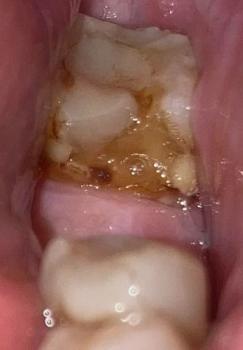
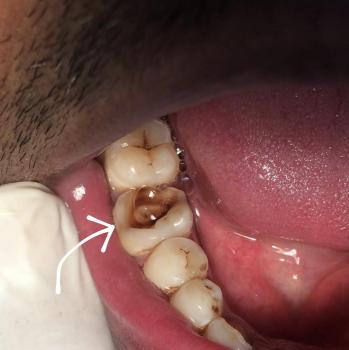
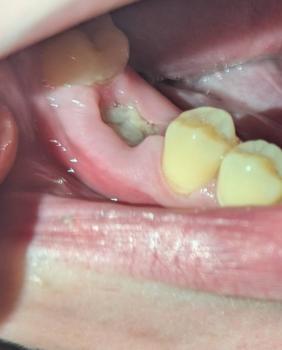
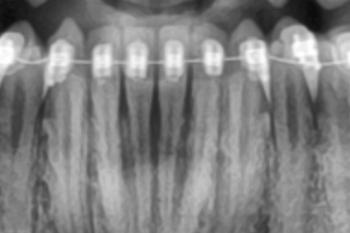
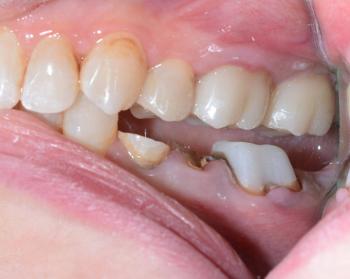
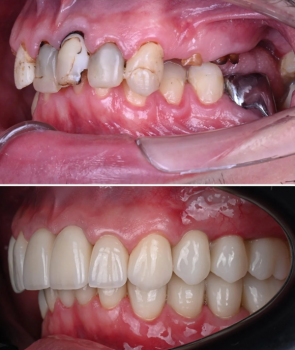
Patients with lower front gum inflammation may also experience tartar buildup, periodontal disease, gum abscesses, or tooth decay. Explore these related clinical case studies.

Other topics:
Other Dental Clinic