Your Smile, Our Passion.

Dental Implants with Bad Credit: Financing Options in the USA
Overview of Dental Implant Financing with Bad Credit in the USA
Dental implants can be a significant investment in the United States. A single dental implant may cost approximately $3,000–$6,000 or more, while full-arch treatments such as All-on-4® can cost $20,000–$45,000+, depending on the procedure, location, materials, and individual treatment needs.
For patients with a low or subprime credit score, financing the entire treatment can be challenging. Traditional healthcare financing companies may decline applications or offer less favorable terms. However, being denied for one financing option does not necessarily mean dental implants are unaffordable.
Patients may have other options, including dental office payment plans, alternative lenders, staged treatment, co-signers, or saving toward treatment.
Can You Get Dental Implants with Bad Credit?
Yes, it may still be possible to receive dental implant treatment with bad credit. Approval requirements vary significantly between dental practices and financing providers.
Instead of trying to finance the entire treatment at once, some patients may benefit from breaking treatment into smaller clinical and financial stages.
Your dentist should first determine which procedures are medically necessary and which treatments can safely be delayed.
Staging Dental Implant Treatment
If a patient needs extensive treatment but cannot obtain financing for a large loan, the treatment plan may sometimes be divided into phases.
1. Urgent Dental Treatment
The first priority is addressing problems that could affect oral health, such as:
- Active dental infections
- Severely damaged or hopeless teeth
- Necessary tooth extractions
- Gum disease
- Bone preservation
- Emergency dental pain
Treating these problems first can help stabilize the mouth before more extensive implant treatment.
2. Temporary or Interim Teeth
Depending on the patient's condition, a dentist may recommend an interim solution while the patient prepares financially for implants.
Possible options may include:
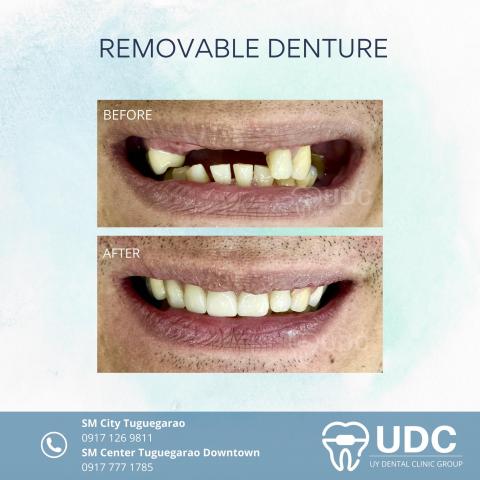
- Temporary partial dentures
- Conventional dentures
- Temporary prosthetic teeth
- Removable overdenture solutions
The appropriate option depends on the patient's oral health and treatment plan.
3. Long-Term Implant Restoration
Once the patient's oral health and finances are more stable, implant treatment can proceed according to the dentist's recommended schedule.
For some patients, treatment may involve placing implants or restoring different areas at different stages. Not every implant case can safely be divided into separate stages, so the dentist should determine the appropriate sequence.
Dental Implant Financing Options for Bad Credit
Patients with poor credit may encounter several types of financing.
| Financing Option | How It Works | Potential Advantage | Main Consideration |
|---|---|---|---|
| Dental Office Payment Plan | Payments are arranged directly with the dental practice | May have more flexible qualification requirements | Not every practice offers financing |
| Specialized Medical Lender | A third-party lender evaluates the patient's application | May approve applicants who do not qualify for prime financing | APR and fees can be higher |
| Second-Look Financing | An alternative financing option may be offered after an initial denial | Provides another opportunity to qualify | May involve higher interest rates |
| Co-Signer | Another person applies or guarantees the financing | Stronger credit may improve approval chances | Co-signer can be financially responsible if payments are missed |
| Cash/Savings | Patient pays directly using available funds | No loan interest | Requires sufficient savings |
| Staged Treatment | Treatment is divided into clinically appropriate phases | Reduces the amount needed immediately | Must be planned by the dentist |
Ask About Prequalification Before Applying
Patients concerned about their credit may want to ask whether a financing provider offers prequalification or a soft credit inquiry before submitting a full application.
A soft inquiry generally does not have the same effect on a credit score as a hard inquiry. However, the exact process varies by lender.
Before applying, ask:
- Is there a soft-pull prequalification?
- Will the final application require a hard credit inquiry?
- What APR will I receive if approved?
- Are there application or origination fees?
- What is the total amount I will repay?
- What happens if I make a late payment?
- Can I pay the balance early without a penalty?
Be Careful with High-Interest Financing
Bad-credit financing can make treatment possible, but the total repayment amount is important.
For example, a $10,000 dental treatment financed at a high interest rate over several years can ultimately cost substantially more than the original treatment price.
Do not compare financing offers based only on the monthly payment. Compare:
Loan amount + interest + fees = total repayment
A lower monthly payment may simply mean that the loan is being repaid over a longer period.
In-House Dental Payment Plans
Some dental offices offer payment arrangements directly through the practice.
Depending on the office, patients may be able to discuss:
- Down-payment requirements
- Monthly installments
- Treatment milestones
- Separate payments for different stages
- Promotional financing
- Deposit requirements
In-house financing policies vary widely, so patients should ask the dental office for the complete payment terms before beginning treatment.
What If Your Dental Financing Is Denied?
A financing denial does not necessarily mean you have no options.
Consider asking the dental office:
- Whether another financing provider is available.
- Whether prequalification is available.
- Whether the treatment can be clinically staged.
- Whether a temporary dental solution is appropriate.
- Whether a different down payment changes the financing amount.
- Whether the practice offers an in-house payment arrangement.
- What the total cost will be for each treatment option.
Most importantly, do not postpone necessary treatment for an active infection simply because implant financing is unavailable. Speak with a dentist about treating the immediate dental problem first.
Dental Implants with Bad Credit: What to Consider
Patients with bad credit should look beyond the approval decision and consider the overall cost and risks of financing.
Before accepting a financing agreement, review:
- Interest rate/APR
- Loan term
- Monthly payment
- Total repayment amount
- Application fees
- Origination fees
- Late-payment penalties
- Early repayment conditions
- Whether the financing covers the complete treatment
- Whether additional procedures could increase the final cost
A written dental treatment estimate can make it easier to compare financing options accurately.
Frequently Asked Questions
Can I get dental implants with a 500 credit score?
Possibly. There is no universal credit-score requirement for dental implants because financing requirements depend on the lender or dental practice. A lower credit score may limit available financing or result in higher borrowing costs.
Can I finance dental implants with no credit?
Some dental offices and alternative financing providers may have options for patients with limited or no credit history. Approval is not guaranteed, and the terms can vary considerably.
Can I get All-on-4 with bad credit?
Potentially. Full-arch implant treatment can be expensive, so patients with bad credit may need to consider multiple financing sources, a larger down payment, or a staged treatment plan when clinically appropriate.
Should I apply to several dental lenders?
Be careful about submitting multiple full applications in a short period. Ask whether each lender provides prequalification with a soft inquiry before proceeding with a formal credit application.
What is the cheapest way to get dental implants?
There is no single cheapest option for everyone. The final cost depends on the number of implants, extractions, bone grafting, type of restoration, location, materials, and other procedures. Patients should compare the complete treatment cost, not just the implant price.
Final Thoughts
Getting dental implants with bad credit can be difficult, but a financing denial does not necessarily close the door to treatment. Patients may have options such as dental office payment plans, alternative financing, co-signers, savings, or clinically appropriate staged treatment.
Before choosing a financing plan, compare the APR, fees, monthly payment, loan term, and total repayment amount. Most importantly, work with a qualified dentist to determine which treatment is medically necessary and whether treatment can safely be completed in stages.
Dental financing should support your treatment plan—not determine which treatment you receive.
Related Clinical Cases
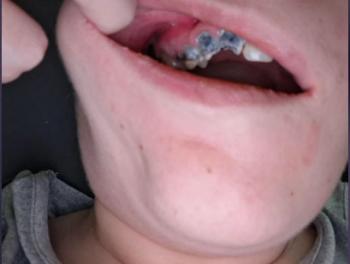
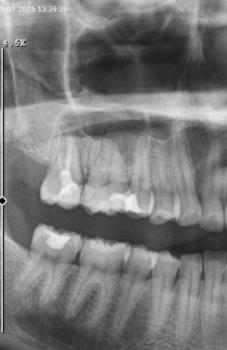
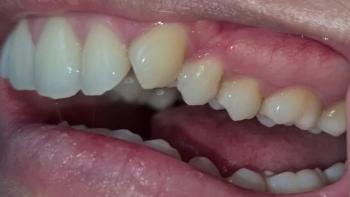
Patients with lower front gum inflammation may also experience tartar buildup, periodontal disease, gum abscesses, or tooth decay. Explore these related clinical case studies.





Other topics:
Other Dental Clinic
 |
 |
 |
 |