Strong Teeth, Fresh Breath, Brighter You.

Horizontally Impacted Wisdom Teeth: Clinical Overview, Treatment, Costs & Recovery
Country:
A horizontally impacted wisdom tooth is a third molar that develops in a nearly sideways position rather than following the normal vertical path of eruption. In many cases, the crown points toward the adjacent second molar and may press against, contact, or become trapped beneath it.
Horizontal impaction is one of the more technically challenging forms of third-molar impaction because the tooth may be deeply embedded in bone and positioned close to the roots of the second molar or the inferior alveolar nerve.
An impacted tooth does not automatically require removal. The decision is based on the tooth's position, symptoms, surrounding structures, oral-health risks, and radiographic findings. The American Association of Oral and Maxillofacial Surgeons (AAOMS) recommends considering removal when there is pathology or a significant clinical indication, while some disease-free, fully bone-covered wisdom teeth may instead be monitored.
Why Horizontal Impaction Can Be a Problem
1. Damage to the Second Molar
A horizontally positioned wisdom tooth can contact the neighboring second molar. Depending on the exact anatomy, this may contribute to:
-
Tooth decay on the second molar
-
Periodontal defects
-
Damage to the supporting bone
-
Root resorption
-
Difficulty cleaning between the teeth
The American Dental Association notes that improperly positioned wisdom teeth can trap food and bacteria and may be associated with damage to neighboring teeth.
2. Infection and Pericoronitis
When part of the wisdom tooth communicates with the oral cavity, bacteria and food debris can become trapped around the tooth. This may result in inflammation or infection of the surrounding gum tissue, commonly called pericoronitis.
Symptoms can include:
-
Pain behind the second molar
-
Swollen or tender gums
-
Bad taste or bad breath
-
Difficulty opening the mouth
-
Facial or jaw swelling
-
Fever in more significant infections
Impacted third molars may also be associated with other dental pathology, including periodontal disease, decay, cysts, and infection.
3. Cysts and Other Pathology
An impacted third molar can occasionally be associated with a cyst or other lesion involving the tooth follicle. Such pathology may damage surrounding bone or affect neighboring teeth.
Radiographic evaluation is therefore important when determining whether an impacted tooth should be removed or monitored.
4. Relationship to the Inferior Alveolar Nerve
Lower horizontally impacted wisdom teeth can sometimes be positioned close to the inferior alveolar nerve, which supplies sensation to the lower lip and chin.
This relationship is particularly important before surgery. Panoramic radiography and, when appropriate, three-dimensional imaging such as CBCT can help the surgeon evaluate the tooth's relationship to the nerve and surrounding anatomy.
Nerve-related sensory changes are a recognized complication of impacted third-molar surgery.
How a Horizontal Wisdom Tooth Is Diagnosed
Diagnosis normally begins with a dental examination and imaging.
A dentist or oral surgeon may evaluate:
-
The angle and depth of impaction
-
The amount of bone covering the tooth
-
The condition of the second molar
-
The tooth's root development
-
The relationship between the roots and the inferior alveolar nerve
-
Evidence of infection, cysts, decay, or bone loss
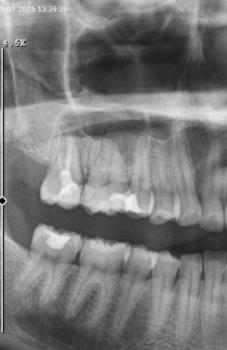
A panoramic X-ray is commonly used for an initial assessment. CBCT may be recommended when additional three-dimensional information is needed for surgical planning. AAOMS specifically emphasizes imaging to evaluate the third molar's relationship to the adjacent second molar, inferior alveolar nerve, maxillary sinus, and other important structures.
Treatment: Surgical Extraction
When removal is indicated, a horizontally impacted wisdom tooth generally requires surgical extraction rather than a simple extraction.
The procedure may involve:
-
Local anesthesia
-
Sedation when appropriate
-
A small incision in the gum
-
Removal of some surrounding bone
-
Sectioning the wisdom tooth into smaller pieces
-
Removal of the tooth sections
-
Cleaning the surgical site
-
Suturing the gum when necessary
Oral and maxillofacial surgeons routinely perform extraction of impacted third molars and are trained in multiple forms of anesthesia and sedation.
However, IV sedation or general anesthesia is not automatically required for every horizontal impaction. The anesthesia plan depends on the patient's medical history, anxiety level, surgical complexity, expected duration, surgeon preference, and applicable safety requirements. The ADA maintains current guidelines covering sedation and general anesthesia in dentistry.
Is Extraction Always Necessary?
No.
A horizontally impacted tooth may be recommended for removal when there is evidence of:
-
Recurrent infection
-
Pain
-
Damage to the second molar
-
Tooth decay that cannot reasonably be treated
-
Periodontal disease
-
Cyst or other pathology
-
Significant disease risk associated with the tooth
-
Another clinical indication for removal
Conversely, a completely bone-covered impacted wisdom tooth without symptoms or relevant pathology may sometimes be monitored rather than immediately removed. AAOMS specifically recognizes monitoring as an option in selected patients.
The decision should therefore be individualized rather than based solely on the word "horizontal."
U.S. Treatment Costs
The cost of removing a horizontally impacted wisdom tooth in the United States can vary substantially.
Factors that influence the final bill include:
-
Geographic location
-
Oral surgeon's fees
-
Degree of bone impaction
-
Tooth position and anatomy
-
Whether the tooth must be sectioned
-
Number of teeth removed
-
X-rays or CBCT imaging
-
Type and duration of anesthesia or sedation
-
Facility fees
-
Insurance benefits and annual maximums
The commonly quoted ranges of several hundred dollars to more than $1,000 per surgically difficult tooth should be treated only as broad planning estimates, not a guaranteed national price. A complex multi-tooth case performed under sedation can result in a substantially higher total bill.
Patients should request a written treatment estimate from the oral surgeon and ask the insurance company for a predetermination or pre-treatment estimate when available.
Dental insurance benefits vary considerably between plans. Common limitations include deductibles, annual maximums, exclusions, waiting periods, and negotiated fee schedules.
Example Planning Range
For educational planning purposes, a patient may encounter a total bill ranging from roughly $1,200 to $4,000+ for multiple difficult wisdom-tooth extractions with sedation. This is not a standardized U.S. average, and actual costs can fall below or substantially above this range depending on the case and location.
Patients should not assume that insurance will pay 50% of the entire bill. The actual benefit depends on the specific dental plan, procedure codes, deductible, annual maximum, network status, and exclusions.
Recovery After Horizontal Wisdom Tooth Surgery
Recovery varies according to the depth and complexity of the extraction.
First 24 Hours
Swelling, soreness, mild bleeding, and jaw stiffness can occur. Patients are generally instructed to protect the blood clot and follow the surgeon's postoperative instructions.
Common precautions may include:
-
Avoiding smoking
-
Avoiding straws
-
Avoiding vigorous rinsing immediately after surgery
-
Eating softer foods
-
Maintaining appropriate oral hygiene without disturbing the surgical site
-
Taking prescribed or recommended pain medication as directed
The ADA's current evidence-based guidance supports NSAIDs such as ibuprofen or naproxen, alone or combined with acetaminophen when appropriate, as effective options for acute pain after dental extraction. Individual patients should follow their dentist's or physician's advice, particularly if they have medical conditions or take interacting medications.
Days 3–5
Swelling can remain noticeable and may sometimes reach its peak during the first several days. Many patients can resume ordinary, non-strenuous activities within several days, depending on the complexity of surgery and how they feel.
About 1–2 Weeks
The gum and soft tissues generally make substantial progress toward healing during the first one to two weeks, although deeper bone healing continues for considerably longer.
Important Surgical Risks
Like any surgical procedure, removal of a horizontally impacted wisdom tooth has potential complications.
These can include:
-
Dry socket (alveolar osteitis)
-
Infection
-
Bleeding
-
Swelling
-
Jaw stiffness
-
Damage to the neighboring second molar
-
Temporary or, less commonly, persistent nerve-related sensory changes
-
Sinus complications for upper wisdom teeth
-
Damage to surrounding structures
The risk profile depends heavily on the tooth's anatomy and its relationship to surrounding structures.
When a lower wisdom tooth is extremely close to the inferior alveolar nerve, an oral surgeon may discuss alternatives such as coronectomy, in which the crown is removed while selected root portions are left in place. AAOMS identifies coronectomy as an option in certain nerve-adjacent cases when removal is clinically indicated.
When to Seek Urgent Dental or Medical Care
A patient with an impacted wisdom tooth should seek prompt professional evaluation for:
-
Increasing facial swelling
-
Fever
-
Pus or significant drainage
-
Difficulty swallowing
-
Difficulty breathing
-
Rapidly worsening pain
-
Severe limitation in opening the mouth
-
Swelling extending into the neck or floor of the mouth
Difficulty breathing or swallowing, rapidly spreading facial/neck swelling, or other signs of a potentially serious infection require urgent medical assessment.
Patient Takeaway
A horizontally impacted wisdom tooth can be technically challenging because its sideways position may place it directly against the second molar and sometimes near important nerves.
However, horizontal position alone does not determine whether extraction is necessary. The decision should be based on symptoms, pathology, damage to neighboring teeth, radiographic findings, surgical risks, and the patient's overall circumstances.
For a complex lower horizontal impaction, evaluation by an oral and maxillofacial surgeon is often appropriate. A panoramic X-ray—and CBCT when clinically indicated—can help determine the safest treatment approach.
Medical Disclaimer
This article is for general educational purposes and is not a substitute for an examination, dental X-ray, CBCT scan, or individualized advice from a dentist or oral and maxillofacial surgeon. Treatment recommendations and costs vary by patient, provider, location, and insurance plan.
Related Clinical Cases
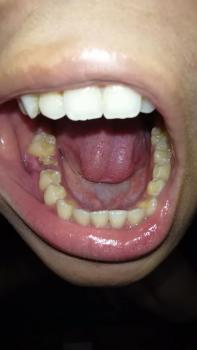
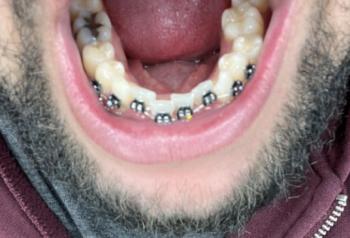
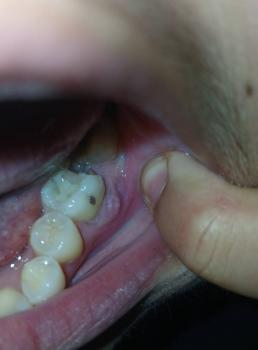
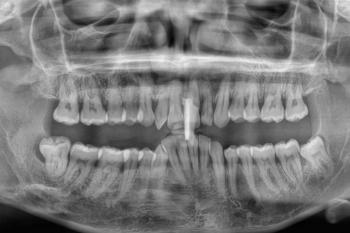
Patients with lower front gum inflammation may also experience tartar buildup, periodontal disease, gum abscesses, or tooth decay. Explore these related clinical case studies.
Other topics:
Other Dental Clinic