From Pain to Perfect — We Care for Your Smile.

Dental Bridge Cost in Iceland: Client Reviews, Insurance & Government Assistance
image hero:
Country:
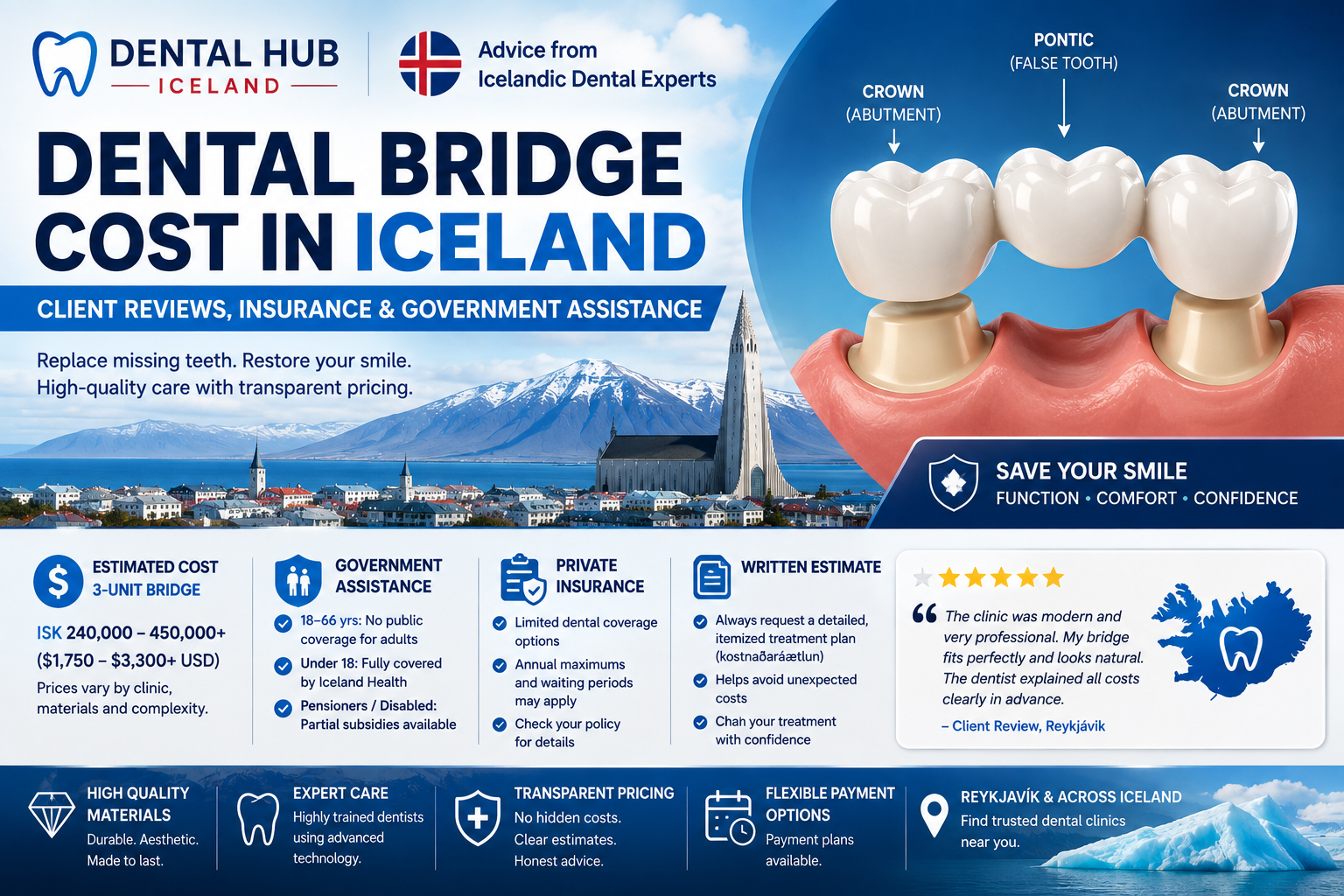
A dental bridge can be an effective fixed solution for replacing one or more missing teeth. A traditional bridge normally uses crowns on the supporting teeth, called abutments, with one or more artificial teeth, called pontics, positioned between them.
In Iceland, patients considering a bridge should look beyond the headline price. The final cost depends on the number of teeth involved, the condition of the supporting teeth, the material selected, laboratory fees, and whether additional treatment is required.
There is also an important distinction between private dental fees and Iceland Health reimbursement. Government assistance is available to certain groups and circumstances, but it does not operate as a universal dental-insurance system for all adults.
1. How Much Does a Dental Bridge Cost in Iceland?
Private dental clinics in Iceland establish their own fees, so there is no single nationwide private price for a dental bridge.
As a practical budgeting guide, a conventional three-unit bridge can potentially cost several hundred thousand Icelandic króna, particularly when two supporting crowns and laboratory fabrication are included.
The commonly quoted estimate of approximately ISK 240,000–450,000+ for a three-unit bridge should be treated as an indicative planning range rather than an official Iceland-wide average.
Current Icelandic clinic prices demonstrate why costs vary.
For example, Krýna lists a porcelain crown on a premolar at ISK 255,184, with anesthesia, a temporary crown, and dental laboratory work included. The clinic notes that its prices are estimates and that specialist fees are not included.
Other Icelandic clinics publish porcelain crown prices around ISK 200,000–235,000, again demonstrating substantial variation between providers.
Because a traditional three-unit bridge can involve two crown components plus a pontic and laboratory work, patients should request a complete treatment quotation rather than multiplying a basic crown price without checking what the clinic includes.
2. What Determines the Final Bridge Price?
Several factors can significantly change the cost.
Number of Units
A bridge replacing one missing tooth may be considerably less expensive than a restoration replacing several teeth.
A typical three-unit bridge consists of:
-
One crown on the first abutment
-
One artificial tooth
-
One crown on the second abutment
Longer bridges require additional planning and laboratory work.
Material
Possible materials include:
-
Porcelain-fused-to-metal
-
Full ceramic
-
Zirconia
-
Other laboratory-fabricated restorative materials
The appropriate material depends on the position of the missing tooth, aesthetics, bite forces, remaining tooth structure, and the condition of the supporting teeth.
Condition of the Supporting Teeth
This is one of the most important clinical considerations.
A bridge is only as reliable as its supporting teeth.
If an abutment tooth has extensive decay, a large existing restoration, periodontal disease, a crack, or an infected pulp, additional treatment may be required before the bridge can be fabricated.
3. Additional Costs Patients Should Consider
The bridge itself may not represent the entire treatment bill.
Potential additional costs include:
-
Dental examination
-
X-rays
-
Local anesthesia
-
Tooth preparation
-
Temporary restoration
-
Core buildup
-
Root-canal treatment
-
Periodontal treatment
-
Tooth extraction
-
Bone or gum treatment
-
Laboratory fees
-
Final cementation
-
Follow-up adjustments
For example, Krýna currently lists approximately ISK 30,057 for a one-canal root canal and ISK 54,301 for a three-canal root canal on its published estimated price list.
This demonstrates why a patient should ask for the complete treatment cost, especially if one of the abutment teeth requires root-canal treatment.
4. Traditional Bridge vs. Implant-Supported Bridge
Patients should also ask whether a traditional bridge is actually the best option.
Traditional Fixed Bridge
A traditional bridge uses neighboring teeth as abutments.
Advantages:
-
Fixed restoration
-
Does not require a removable appliance
-
Can restore chewing function
-
Usually requires fewer surgical procedures than an implant
-
Can provide an immediate cosmetic improvement once completed
Disadvantages:
-
Healthy neighboring teeth may need to be prepared
-
The supporting teeth carry additional forces
-
If an abutment fails, the bridge may be compromised
-
Hygiene underneath the pontic requires special attention
Implant-Supported Bridge
Implants can sometimes support a bridge without using neighboring natural teeth as traditional abutments.
However, implant treatment may require:
-
Implant surgery
-
Bone assessment
-
Possible bone grafting
-
Healing time
-
Abutments
-
Laboratory fabrication
-
Multiple appointments
The correct choice depends on the patient's oral health, bone volume, remaining teeth, medical circumstances, and long-term treatment goals.
5. Does Iceland Health Pay for Dental Bridges?
This is where patients need to be particularly careful.
It is not accurate to describe Icelandic dental assistance simply as “working-age adults receive no government assistance and pensioners receive 50%.”
Current Iceland Health information provides specific categories of dental participation.
Iceland Health states that it contributes to dental costs for children, pensioners, and qualifying cases involving congenital defects, accidents, and diseases.
Children Under 18
Iceland Health currently states that it pays 100% of dental costs for children up to age 18 for covered general dental treatment, subject to the applicable rules and limitations. The annual dentist registration fee is currently ISK 3,500.
Pensioners
Iceland Health defines pensioners for these dental rules as people aged 67 and older and people with more than 75% disability.
For general dental treatment, Iceland Health pays 75% according to the applicable agreement and limitations. General dentistry includes examinations, diagnosis, X-rays, dental procedures, root canals, periodontal treatment and extractions.
However, fixed prostheses such as bridges and other fixed dental prostheses are handled differently.
Iceland Health currently states that pensioners may receive a grant of up to ISK 146,677 during each 12-month period for fixed dental prostheses or implants in a dentate jaw in the specified area and subject to the applicable rules.
Therefore, a patient should not assume that a bridge automatically receives the same 75% participation as ordinary general dental treatment.
6. Other Government Assistance
There are additional circumstances in which Iceland Health can contribute more substantially.
For example, Iceland Health states that certain qualifying serious congenital defects and diseases can receive 95% participation in necessary dental and orthodontic treatment according to the applicable tariff and limitations.
There are also specific provisions for:
-
Qualifying intellectual disabilities
-
Certain chronic illnesses
-
Dental damage caused by accidents
-
Serious dental injuries
-
Certain congenital dental conditions
For qualifying dental injuries, Iceland Health states that people aged 18 and older may receive 80% of the applicable price-list cost, subject to restrictions. Serious qualifying dental injuries may receive 95% participation under the applicable rules.
The important point is that assistance depends on why the treatment is required and whether the patient meets the eligibility requirements.
7. Private Dental Insurance
Private or employer-provided insurance may provide another source of assistance, but patients should read the policy carefully.
Potential restrictions can include:
-
Annual benefit limits
-
Waiting periods
-
Exclusions for existing dental problems
-
Exclusions for previously missing teeth
-
Restrictions on prosthetic treatment
-
Percentage reimbursement limits
-
Requirement for pre-authorization
A patient should never assume that having private health insurance means that a dental bridge will automatically be covered.
Ask the insurer specifically:
“Is a fixed dental bridge covered, and what is my maximum reimbursement?”
8. Client and Expat Reviews: What Patients Commonly Notice
When evaluating dental treatment in Iceland, patient reviews often focus on two very different issues: clinical experience and financial cost.
Positive Clinical Experience
Patients may value:
-
Professional dental teams
-
Modern clinic environments
-
Digital diagnostic technology
-
Clear communication
-
English-language communication
-
Careful treatment planning
-
High standards of hygiene
For international residents, being able to communicate comfortably with the dental team can be particularly important when discussing a complicated bridge treatment.
Financial “Sticker Shock”
The most significant concern for many patients is the cost of extensive restorative dentistry.
A bridge can involve several crowns, laboratory fabrication, preparation, and sometimes treatment of the supporting teeth.
Therefore, a patient who initially asks for “the price of one missing tooth” may receive a significantly larger quotation once the complete treatment plan is prepared.
This is not necessarily an indication of unnecessary treatment. It may reflect the number of clinical and laboratory stages required.
9. Ask for a Written Kostnaðaráætlun
Before starting major restorative treatment, I strongly recommend requesting a written kostnaðaráætlun, or treatment cost estimate.
Ask the dentist to identify:
-
Examination cost
-
X-ray costs
-
Cost of preparing the abutment teeth
-
Number of bridge units
-
Material
-
Laboratory fees
-
Temporary restoration
-
Root-canal treatment if required
-
Core buildup if required
-
Final cementation
-
Follow-up appointments
-
Expected patient contribution
-
Any Iceland Health reimbursement
This makes it much easier to compare two dental clinics.
10. Why the Cheapest Bridge Is Not Always the Best Value
A bridge is a long-term restoration.
The clinical success of a bridge depends on factors such as:
-
Quality of the abutment teeth
-
Periodontal health
-
Bite forces
-
Oral hygiene
-
Accuracy of the restoration
-
Laboratory quality
-
Appropriate material selection
-
Patient maintenance
A low initial price may not represent good value if the supporting teeth are poorly evaluated or the restoration requires early replacement.
Conversely, a higher quotation may include more comprehensive diagnosis, laboratory work, temporary restoration, and follow-up.
The correct comparison is therefore:
Total cost + clinical suitability + materials + laboratory work + aftercare.
11. Bridge or Denture?
For some patients, a removable partial denture may provide a lower-cost way of replacing missing teeth.
A denture can be appropriate when:
-
Several teeth are missing
-
Fixed treatment is financially difficult
-
The remaining teeth cannot reliably support a bridge
-
A removable solution is clinically acceptable
However, dentures and bridges provide different experiences in terms of stability, maintenance, chewing function, aesthetics, and long-term care.
The dentist should explain the advantages and disadvantages of each option.
12. Bridge or Implant?
A dental implant can replace a missing tooth without preparing adjacent natural teeth.
However, implants are not automatically the better choice for every patient.
Factors include:
-
Bone quantity and quality
-
Gum health
-
Smoking
-
Oral hygiene
-
Existing medical conditions
-
Treatment time
-
Cost
-
Need for bone grafting
-
Patient preference
A properly planned bridge can remain a very useful treatment option.
13. Dental Treatment Abroad
Because restorative dental treatment can be expensive in Iceland, some patients investigate treatment elsewhere in Europe.
Iceland Health states that qualifying dental treatment performed within the EEA, United Kingdom, and Switzerland can potentially receive the same type of payment participation available domestically, subject to the applicable rules.
However, this does not mean that any foreign bridge automatically receives reimbursement.
The patient generally pays the foreign provider first, submits the required documentation, and Iceland Health determines the eligible reimbursement under Icelandic rules.
Patients considering treatment abroad should also account for:
-
Flights
-
Accommodation
-
Additional appointments
-
Emergency care after returning to Iceland
-
Warranty arrangements
-
Follow-up visits
-
Communication with the treating dentist
A lower advertised foreign price may not represent the lowest total cost.
14. Important Questions Before Paying for a Dental Bridge
Before treatment begins, ask your dentist:
1. Why is a bridge recommended for me?
2. How many teeth will the bridge replace?
3. How many units will the bridge contain?
4. Which teeth will support it?
5. Are the abutment teeth healthy enough?
6. Do any abutment teeth require root-canal treatment?
7. Which material is recommended?
8. Is the laboratory fee included?
9. Is the temporary bridge or temporary crown included?
10. What is the complete treatment cost?
11. Do I qualify for Iceland Health assistance?
12. Does my private insurance contribute?
13. What maintenance will the bridge require?
14. What happens if an abutment tooth fails?
15. Expert Dental Perspective
A missing tooth should not be evaluated only as a cosmetic problem.
Loss of a tooth can affect chewing, tooth positioning, aesthetics, and the distribution of forces within the dental arch. However, replacing the tooth requires a comprehensive examination.
A bridge may be an excellent option when the supporting teeth are appropriate and the patient wants a fixed restoration.
But if the neighboring teeth are completely healthy, an implant may sometimes offer an alternative that avoids preparing those teeth.
The correct treatment is therefore patient-specific.
16. Bottom Line: Dental Bridge Cost in Iceland
Dental bridge prices in Iceland vary considerably because private clinics set their own fees and because the treatment can involve multiple crowns, artificial teeth, laboratory work, and preparatory procedures.
A three-unit bridge may reasonably require a budget of several hundred thousand ISK, but patients should not treat a generic ISK 240,000–450,000 range as an official national average.
Published Icelandic clinic prices show that individual porcelain crowns alone can range from approximately ISK 200,000 to more than ISK 250,000, depending on the clinic and what is included.
Government assistance is also more nuanced than a simple “covered versus not covered” system.
Iceland Health currently provides substantial dental participation for children, pensioners, and specific medical, congenital, and accident-related situations. For pensioners, general dental treatment is covered at 75% according to the applicable rules, while fixed prostheses such as bridges may instead be subject to specific grants and limits.
Dental Hub Recommendation
If you are considering a dental bridge in Iceland:
Get the diagnosis.
Compare bridge and implant options.
Ask about the health of the supporting teeth.
Request an itemized kostnaðaráætlun.
Check Iceland Health eligibility.
Check private insurance.
Compare the complete treatment cost—not just the advertised bridge price.
A good dental bridge should be judged not only by what it costs today, but by how appropriately it restores function, protects the remaining teeth, and performs over the long term.
Client-review note: General patient and expat perspectives should not be presented as verified testimonials from specific individuals unless the original review can be independently documented. Patient experiences vary between clinics and individual treatment cases.
Pricing and insurance note: Dental fees and reimbursement rules can change. Iceland Health currently publishes a dental treatment fee schedule valid from January 1, 2026, and patients should confirm current eligibility, reimbursement, and private clinic fees before treatment.
Related Clinical Cases
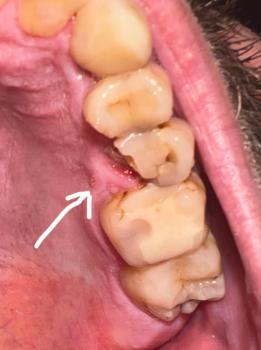
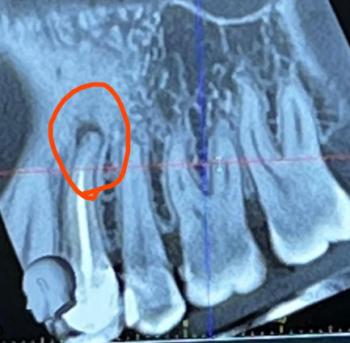
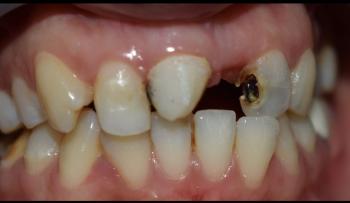
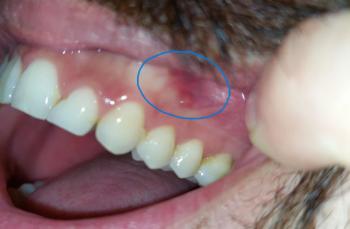
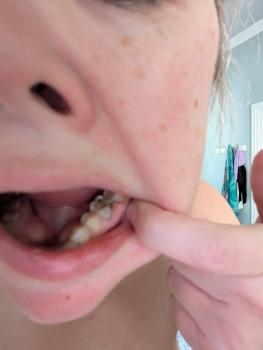
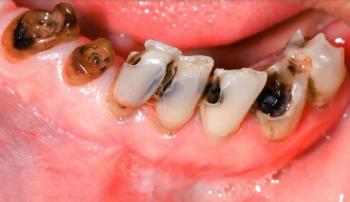
Patients with lower front gum inflammation may also experience tartar buildup, periodontal disease, gum abscesses, or tooth decay. Explore these related clinical case studies.

Other topics:
Other Dental Clinic
 |
 |
 |
 |