Healthy Teeth, Happy Life.

Benefits of Eating Guava: An Expert Health Guide to This Nutrient-Rich Tropical Fruit
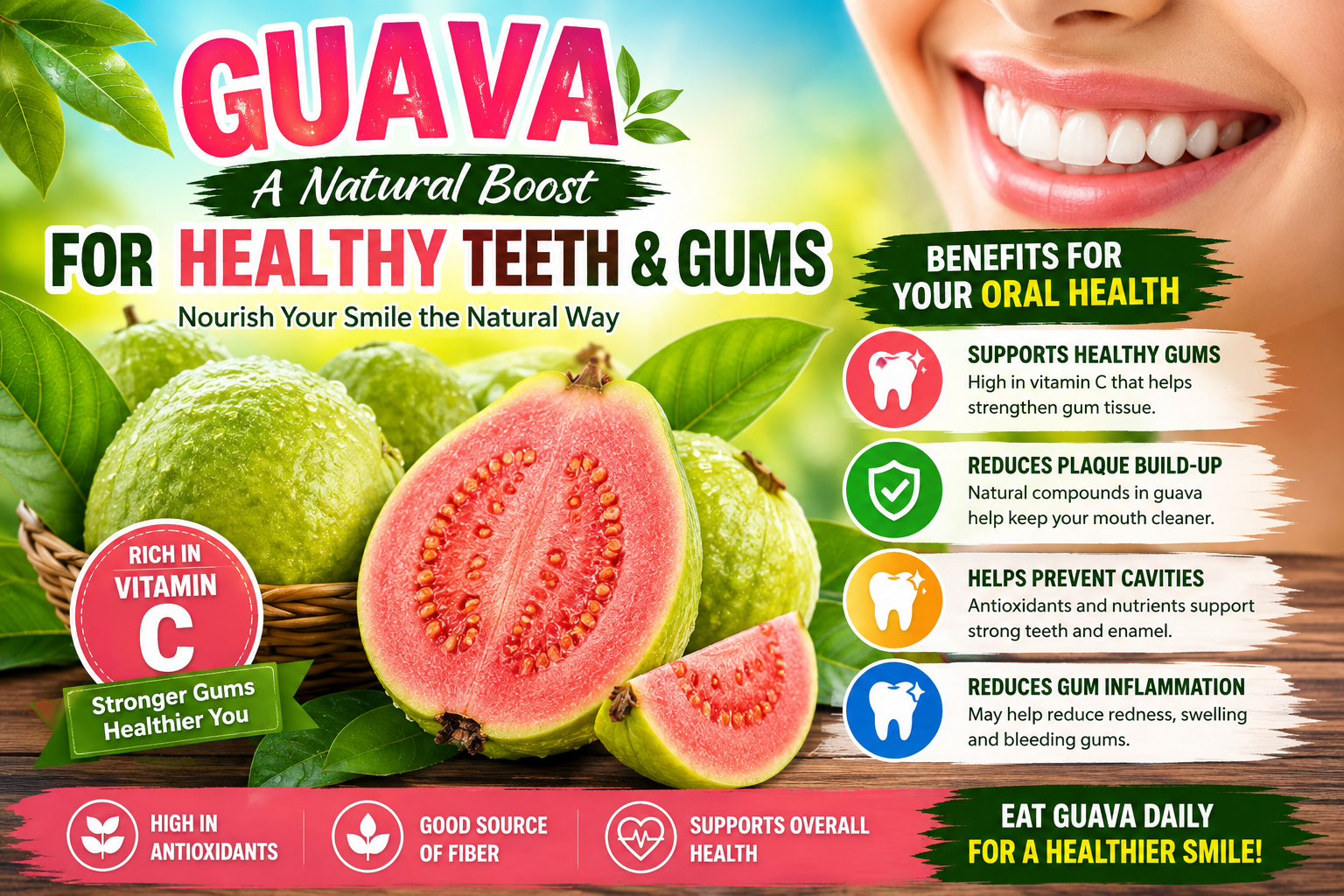
A clinical trial found that people eating about 200 g of guava daily developed significantly less experimental gingival inflammation and plaque than the control group.
How guava may help
- Gums: Vitamin C is important for healthy connective tissue and collagen. Low vitamin C intake is associated with greater periodontal disease risk.
- Bleeding gums: Adequate vitamin C may help reduce gingival bleeding, particularly when inadequate vitamin C intake is involved.
- Gum healing: Vitamin C contributes to normal tissue repair and collagen formation.
- Plaque: Research has found that guava consumption may reduce plaque development, although guava does not replace brushing or professional dental care.
Important distinction
If your tooth is decayed, cracked, infected, loose, or has significant enamel loss, eating guava will not rebuild the tooth. Those problems require appropriate dental treatment.
For everyday oral health, a good combination is:
Guava + adequate calcium and vitamin D + fluoride toothpaste + twice-daily brushing + floss/interdental cleaning + regular dental examinations.
If you eat fresh guava, you can generally eat the fruit and its seeds. You do not need to boil the seeds to obtain the main nutritional benefits. The vitamin C is primarily provided by the fruit itself.
Guava (Psidium guajava) is one of the most nutrient-dense tropical fruits you can add to a balanced diet. It is naturally rich in vitamin C, dietary fiber, antioxidants, potassium, and other plant compounds that may support overall health.
Unlike many sweet snacks and processed foods, guava provides substantial nutrition in a relatively low-calorie whole-food package. Research has identified a range of potentially beneficial compounds in guava, although some of the stronger disease-prevention claims still require additional human clinical research.
1. Guava Is Exceptionally High in Vitamin C
One of guava's most impressive nutritional characteristics is its vitamin C content.
Vitamin C is an essential nutrient involved in:
-
Normal immune-system function
-
Collagen production
-
Wound healing
-
Protection of cells from oxidative stress
-
Supporting healthy skin and connective tissues
-
Improving absorption of iron from plant foods
Regularly eating vitamin-C-rich fruits such as guava can therefore contribute to meeting daily nutritional requirements.
2. Guava Supports Digestive Health
Guava is a good source of dietary fiber. Fiber helps add bulk to stool and supports normal bowel function.
A 2025 scientific review reports approximately 5.4 grams of fiber per 100 grams of guava, although the exact nutritional composition varies according to variety and growing conditions.
Fiber can also support a healthy gut microbiome. More broadly, adequate dietary fiber is associated with beneficial effects on digestive, metabolic, and cardiovascular health.
Expert tip
Eating whole guava is generally preferable to drinking heavily processed guava juice because the whole fruit retains its fiber.
3. Guava Provides Antioxidants
Guava contains vitamin C and numerous plant compounds, including flavonoids, carotenoids, and other polyphenols.
These compounds have antioxidant activity, meaning they can help protect cells from oxidative stress.
Research has identified compounds such as quercetin, catechins, lycopene, and other polyphenols in different varieties and parts of the guava plant.
However, it is important to distinguish between antioxidant activity demonstrated in laboratory studies and proven prevention or treatment of human diseases.
4. It May Support Heart Health
Guava's combination of fiber, potassium, vitamin C, and plant compounds makes it a useful component of a heart-conscious diet.
Fiber can contribute to healthier cholesterol levels, while potassium is an important mineral involved in normal blood-pressure regulation.
One older randomized dietary study found improvements in several cardiovascular risk markers among people who incorporated guava into their diet for 12 weeks. However, the study was relatively small and should not be interpreted as proof that guava alone treats hypertension or high cholesterol.
The better approach is to view guava as one part of an overall heart-healthy eating pattern.
5. Guava Can Help Support a Healthy Immune System
Vitamin C is particularly important for normal immune function.
Because guava can provide a substantial amount of vitamin C, eating it regularly may help people meet their nutritional needs.
But guava should not be considered a cure for infections or a replacement for medical treatment.
A healthy immune system depends on many factors, including adequate nutrition, sleep, physical activity, vaccination, and appropriate medical care.
6. Guava May Be Helpful for Blood-Sugar-Conscious Eating
Whole guava contains carbohydrates, but it also provides fiber and a range of micronutrients.
Choosing whole fruit instead of sugary drinks or highly processed desserts can be a useful strategy for improving overall diet quality.
Some research has investigated guava and its plant compounds in relation to glucose metabolism. However, evidence is not strong enough to recommend guava as a treatment for diabetes. The 2025 review specifically notes that more human trials are needed to establish therapeutic effects and appropriate dosing.
For people with diabetes, portion size and total carbohydrate intake still matter.
7. Guava May Support Skin Health
Healthy skin requires adequate nutrition, and vitamin C plays an important role in collagen formation.
Guava's vitamin C and antioxidant compounds therefore make it a valuable fruit for an overall skin-supportive diet.
However, eating guava does not replace sunscreen, adequate hydration, sleep, or medical treatment for skin disorders.
8. Guava Provides Important Minerals
In addition to vitamin C and fiber, guava contains minerals including:
-
Potassium
-
Calcium
-
Phosphorus
-
Iron
The amounts vary depending on the variety, ripeness, and growing conditions.
These nutrients participate in important biological functions such as nerve signaling, muscle function, bone maintenance, and oxygen transport.
9. Guava Can Be a Smart Snack for Weight Management
Whole guava can be a useful snack because it combines water, fiber, and nutrients.
Fiber can increase feelings of fullness, which may make it easier to avoid constantly reaching for highly processed snacks.
The key is substitution.
Eating guava instead of candy, pastries, or sugar-sweetened snacks is potentially much more beneficial than simply adding extra calories to an already adequate diet.
10. What About Guava Seeds and Skin?
The edible seeds and skin can contribute additional fiber and plant compounds.
If the fruit is properly washed and suitable for eating, many people can consume guava whole.
There is no need to remove the seeds simply because they are hard. However, people with particular digestive problems may find the seeds uncomfortable.
Guava Fruit vs. Guava Juice
There is an important nutritional difference between whole guava and guava juice.
Whole guava:
-
Contains dietary fiber
-
Requires chewing
-
Generally produces slower consumption
-
Provides a broad range of nutrients and plant compounds
Sweetened guava juice:
-
May contain added sugar
-
Can contain less fiber
-
Is easier to consume in large quantities
For everyday nutrition, whole guava is usually the better choice.
How Much Guava Should You Eat?
There is no universal medical dose of guava.
For most healthy adults, guava can simply be incorporated into a varied diet as one of several daily fruit choices.
You can eat it:
-
As a fresh snack
-
With oatmeal
-
With plain yogurt
-
In a fruit salad
-
Blended into a smoothie
-
Sliced over breakfast
-
As part of a balanced meal
The goal should be dietary variety rather than relying on one "superfood."
Important Safety Considerations
Guava is generally considered a nutritious food, but eating more is not always better.
People with specific medical conditions, digestive disorders, food allergies, or dietary restrictions should consider their individual circumstances.
Also, research on guava's medicinal properties should be interpreted carefully. Laboratory and animal studies frequently show promising effects, but that does not automatically mean eating guava will prevent, treat, or cure a particular disease. Recent scientific reviews specifically emphasize the need for additional human clinical trials.
Expert Health Takeaway
Guava deserves a place in a healthy diet because it provides an impressive combination of vitamin C, dietary fiber, potassium, antioxidants, and other plant compounds.
Its strongest practical benefits come from what is already well established about nutrient-rich whole fruits: they can improve overall diet quality and help provide essential nutrients and fiber.
The most sensible way to eat guava is not as a miracle medicine, but as a nutrient-dense whole fruit within a balanced diet.
Bottom Line
Eating guava regularly can contribute to better nutrition, digestive health, antioxidant intake, immune-supporting nutrition, and a heart-conscious eating pattern.
But guava should complement—not replace—medical treatment, prescribed medication, or a balanced overall diet.
Health disclaimer: This article is for general educational purposes and does not diagnose, treat, or cure medical conditions. People with diabetes, kidney disease, gastrointestinal disorders, allergies, or other medical conditions should discuss significant dietary changes with their healthcare professional.
Related Clinical Cases
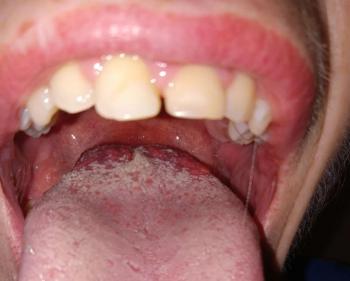
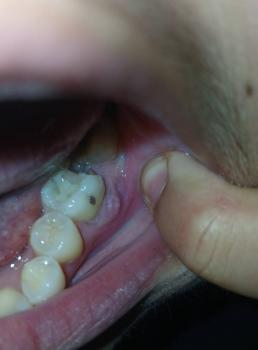
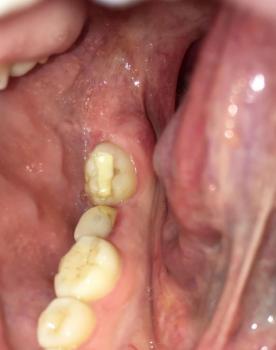
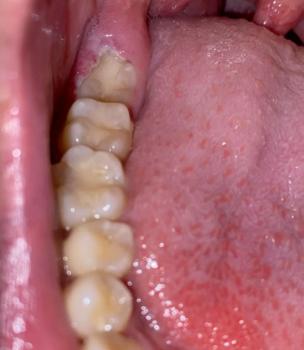
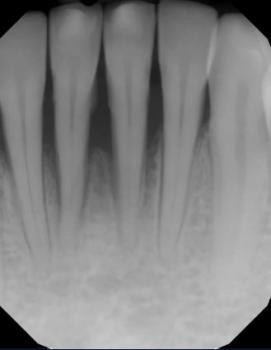
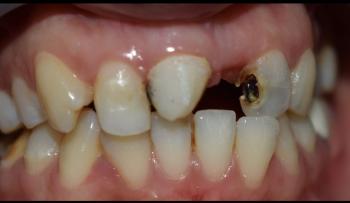
Patients with lower front gum inflammation may also experience tartar buildup, periodontal disease, gum abscesses, or tooth decay. Explore these related clinical case studies.


Other topics:
Other Dental Clinic