Modern Dentistry, Timeless Smiles.

Facial Swelling After Root Canal Treatment in Oregon: A USA Dental Expert Explains What's Normal vs. When It's a Medical Emergency
Language :
Topics:
By a USA Dental Expert
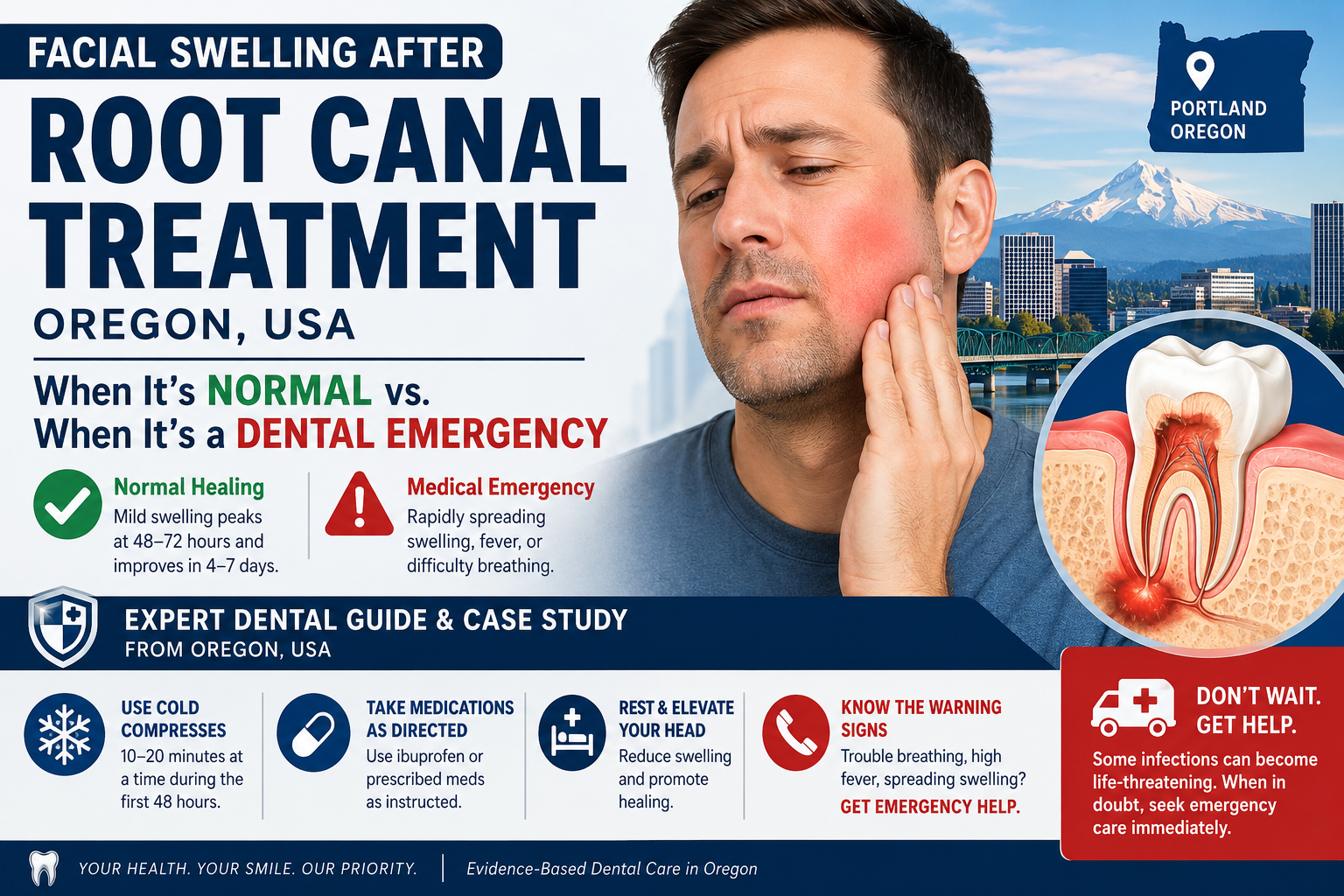
A root canal treatment is designed to eliminate infection, relieve pain, and save a natural tooth. While most patients recover without complications, it's not uncommon to experience mild facial swelling during the first few days after the procedure. The challenge is knowing whether the swelling is simply part of the normal healing process—or the first sign of a potentially life-threatening infection.
As a practicing dental professional, one of the most common questions I hear from patients is:
"My face is swollen after my root canal. Is this normal?"
The answer depends on several important clinical factors, including the size of the swelling, how quickly it develops, whether it's improving or worsening, and whether other symptoms such as fever or difficulty swallowing are present.
This clinical case study from Oregon illustrates the difference between a normal post-treatment inflammatory response and a true dental emergency.
Clinical Case Study: Mark from Portland, Oregon
Patient Background
Mark, a 38-year-old high school teacher from Portland, Oregon, visited an endodontist after experiencing severe throbbing pain in his lower left molar. Clinical examination and radiographs confirmed two diagnoses:
-
Irreversible pulpitis
-
Symptomatic apical periodontitis
Because the dental pulp was beyond saving, root canal therapy was recommended to preserve the tooth.
The Procedure
The endodontist carefully performed root canal therapy by:
-
Removing infected pulp tissue
-
Cleaning and shaping every root canal
-
Irrigating the canals to eliminate bacteria
-
Sealing the canals with a biocompatible filling material
-
Restoring the tooth to prevent future contamination
The procedure was completed successfully.
Mark returned home expecting gradual improvement.
The Unexpected Swelling
On the evening of Day 2, Mark noticed:
-
Mild swelling along his left cheek
-
Tightness near his jaw
-
Slight tenderness
By the following morning (Day 3), the swelling had increased slightly.
Like many patients, he became worried that something had gone wrong.
Clinical Telephone Assessment
Rather than ignoring the symptoms, Mark contacted his endodontic office immediately.
The dental team asked several critical triage questions.
They wanted to know:
-
Are you having difficulty breathing?
-
Are you having trouble swallowing?
-
Do you have a fever?
-
Is the swelling spreading toward your neck?
-
Is the swelling moving toward your eye?
-
Is the pain becoming unbearable?
Mark answered:
-
No breathing problems
-
No swallowing difficulty
-
No fever
-
Swelling remained localized
-
Pain was manageable with ibuprofen
Based on these findings, the clinician diagnosed a mild endodontic flare-up, which is a localized inflammatory response that occasionally develops after root canal treatment.
Home Management
Mark received several evidence-based instructions.
He was advised to:
-
Apply cold compresses
-
Continue taking ibuprofen as directed
-
Sleep with his head elevated
-
Avoid strenuous exercise
-
Never apply heat to the swollen area
-
Monitor the swelling carefully
By Day 5, the swelling had completely resolved.
No antibiotics were required.
No additional procedures were necessary.
His tooth healed normally.
Why Does Swelling Happen After a Root Canal?
Although the infected nerve has been removed, the tissues surrounding the root tip remain inflamed.
During treatment, the dentist cleans tiny bacterial deposits and infected tissue from the root canals.
This process can temporarily irritate the surrounding bone and periodontal ligament.
Your immune system then responds by increasing blood flow and inflammatory cells to begin healing.
This natural inflammatory response may produce:
-
Mild swelling
-
Localized tenderness
-
Slight facial fullness
-
Mild jaw stiffness
These symptoms are generally temporary.
Understanding an Endodontic Flare-Up
An endodontic flare-up is one of the most common reasons patients experience swelling after root canal treatment.
It is not always a sign that the procedure failed.
Instead, it represents an exaggerated inflammatory response from the body's immune system.
Possible causes include:
-
Mechanical irritation during canal cleaning
-
Temporary pressure changes around the root tip
-
Small amounts of debris passing beyond the root apex
-
Irrigation solution irritating nearby tissues
-
The immune system reacting to remaining bacterial toxins
Fortunately, most flare-ups improve within several days using conservative treatment.
Normal Healing Timeline
First 24 Hours
You may notice:
-
Mild soreness
-
Tenderness when biting
-
Slight gum irritation
These symptoms are expected.
Days 2–3
This is often when swelling reaches its maximum.
Patients may notice:
-
Mild cheek swelling
-
Jaw stiffness
-
Pressure around the treated tooth
The swelling should remain localized.
Days 4–5
Inflammation begins to decrease.
Pain improves.
Chewing becomes easier.
Days 5–7
Most swelling has disappeared.
Normal function gradually returns.
Normal Swelling vs. Dangerous Infection
| Normal Healing | Medical Emergency |
|---|---|
| Localized swelling | Rapidly spreading swelling |
| Improves after several days | Continues worsening |
| No fever | High fever and chills |
| Swallowing is normal | Difficulty swallowing |
| Breathing is normal | Difficulty breathing |
| Pain controlled with medication | Severe uncontrollable pain |
| Limited to cheek or gum | Extends into neck, eye, or jaw spaces |
The location and speed of swelling are often more important than the size alone.
Facial Cellulitis: The Dental Emergency Everyone Should Recognize
Although uncommon, bacteria can occasionally escape beyond the tooth and spread through the facial soft tissues.
This condition is called facial cellulitis.
Unlike a simple flare-up, facial cellulitis can progress rapidly.
Without immediate treatment, infection may spread into:
-
Deep neck spaces
-
The airway
-
The bloodstream
-
The tissues surrounding the eye
This can become life-threatening within hours.
Emergency Warning Signs
Seek emergency medical care immediately if facial swelling is accompanied by:
-
Difficulty breathing
-
Tightness in the throat
-
Difficulty swallowing
-
Excessive drooling
-
Rapidly expanding swelling
-
Swelling spreading into the neck
-
Swelling moving toward the eye
-
High fever
-
Chills
-
Severe fatigue
-
Confusion
-
Severe headache
-
Neck stiffness
-
Inability to fully open the mouth (trismus)
These symptoms require immediate evaluation in a hospital emergency department.
Why Heat Should Never Be Applied
One of the biggest mistakes patients make is placing a warm towel or heating pad over a swollen face.
This is dangerous if infection is present.
Heat causes blood vessels to dilate.
That increased circulation may accelerate bacterial spread through facial tissue spaces.
Instead:
Use a cold compress wrapped in a clean towel.
Apply it for:
-
10–20 minutes
-
Several times daily
-
During the first 48 hours
Cold helps reduce inflammation while limiting additional swelling.
Home Care for Mild Swelling
If your dentist confirms the swelling is a normal post-treatment response:
-
Apply cold compresses.
-
Sleep with your head elevated.
-
Take ibuprofen or prescribed medication exactly as instructed.
-
Stay well hydrated.
-
Eat soft foods.
-
Avoid smoking and alcohol.
-
Avoid strenuous exercise for 24–48 hours.
-
Keep all follow-up appointments.
Never discontinue medications early without professional advice.
When Swelling Gets Worse After Day 3
Swelling often reaches its peak between 48 and 72 hours.
However, if swelling suddenly becomes larger after this period, you should contact your dentist immediately.
Possible causes include:
-
Persistent infection
-
Secondary bacterial infection
-
Continued inflammation around the root tip
-
Need for additional drainage
-
Need for antibiotic therapy
-
Rare root canal complications
Prompt evaluation allows treatment before symptoms become more serious.
Should You Take Leftover Antibiotics?
No.
Using leftover antibiotics is unsafe.
Different dental infections require different medications.
Incorrect antibiotics may:
-
Fail to treat the infection
-
Delay emergency treatment
-
Increase antibiotic resistance
-
Cause allergic reactions
-
Create unnecessary side effects
Only take antibiotics prescribed specifically for your current dental condition.
When Should You Go to the Emergency Room?
Go directly to the nearest emergency department if facial swelling is associated with:
-
Difficulty breathing
-
Difficulty swallowing
-
Rapid neck swelling
-
High fever
-
Severe weakness
-
Confusion
-
Neck stiffness
-
Trismus (difficulty opening the mouth)
-
Swelling approaching the eye
-
Rapid progression over several hours
Hospital physicians can provide:
-
Airway protection
-
Intravenous antibiotics
-
CT imaging
-
Surgical consultation if necessary
These services cannot always be provided in a routine dental office.
Frequently Asked Questions
Is facial swelling normal after a root canal?
Yes. Mild, localized swelling is a common inflammatory response after treatment and usually peaks within 48–72 hours before gradually improving over the next several days.
What causes a root canal flare-up?
A flare-up occurs when tissues surrounding the tooth temporarily react to cleaning, pressure changes, bacterial toxins, or tiny amounts of debris beyond the root tip during treatment.
Should I use a heating pad?
No. Heat should be avoided because it may increase blood flow and potentially encourage the spread of infection. Use a cold compress instead during the first 48 hours.
How can I reduce swelling at home?
Apply cold compresses for 10–20 minutes at a time, keep your head elevated, take medications exactly as prescribed, rest, stay hydrated, and avoid strenuous activity.
What if my swelling gets worse on Day 3 or Day 4?
Contact your treating dentist or endodontist immediately. While swelling may peak around Days 2–3, new or worsening swelling after that may indicate persistent infection or another complication that requires clinical evaluation.
Can I take leftover antibiotics?
No. Never self-medicate with leftover antibiotics. Dental infections require an accurate diagnosis and the correct antibiotic selection and dosage.
When should I go to the ER instead of my dentist?
Go to the emergency room immediately if swelling is associated with difficulty breathing, difficulty swallowing, rapidly spreading neck swelling, inability to open your mouth, high fever, confusion, or swelling extending toward the eye. These symptoms may indicate facial cellulitis or another serious infection requiring urgent hospital treatment.
Final Thoughts from a USA Dental Expert
Most patients who experience mild facial swelling after a root canal are simply experiencing a normal stage of healing. As Mark's case demonstrates, a localized endodontic flare-up can often be managed successfully with cold compresses, anti-inflammatory medication, rest, and close communication with your dental team.
However, never ignore rapidly worsening swelling or systemic symptoms. The difference between routine healing and a true emergency often lies in how quickly the swelling progresses and whether it affects breathing, swallowing, or your overall health. Early recognition and prompt treatment can prevent serious complications and protect both your oral health and your life.
Medical Disclaimer: This article is intended for educational purposes only and should not replace professional medical or dental advice. If you experience severe facial swelling, difficulty breathing, difficulty swallowing, or signs of systemic illness after a dental procedure, seek immediate emergency medical care or contact your treating dental professional without delay.
Book a Consultation
For severe discomfort or delayed healing, book a consultation with our Cebu dental specialists today.
Looking for a dentist? Browse our Cebu dental directory to find trusted clinics near you.
Medical Review and Clinical Basis
This article is based on clinical dental guidelines and real patient recovery patterns observed after tooth extraction procedures. The information reflects common post-extraction healing stages, including normal clot formation, gum tissue repair, and signs of possible complications such as dry socket or infection.
While mild discomfort is expected after a dental extraction, worsening pain after Day 3, bad odor, exposed bone, or spreading pain may require professional evaluation. These symptoms are consistent with known post-extraction complications described in standard dental practice.
About Cebu Dental Implants
Cebu Dental Implants provides comprehensive tooth extraction, surgical procedures, and dental implant services in the Philippines. Our team evaluates post-extraction healing, manages complications such as dry socket, and advises patients on proper aftercare to prevent infection and delayed healing.
If you experience severe pain or unusual symptoms after extraction, early professional assessment is recommended to prevent further complications.
Important Medical Disclaimer
This content is for educational purposes only and does not replace professional dental diagnosis. Every patient heals differently. If symptoms worsen or do not improve within a few days, consult a licensed dentist for proper evaluation and treatment.
Author
This article was prepared by the Cebu Dental Implants content team in consultation with licensed dental professionals experienced in tooth extraction and implant procedures.
Related Clinical Cases
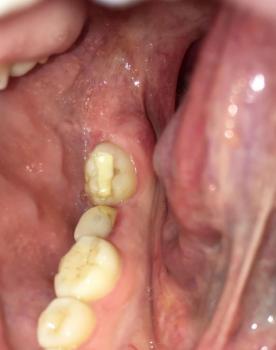
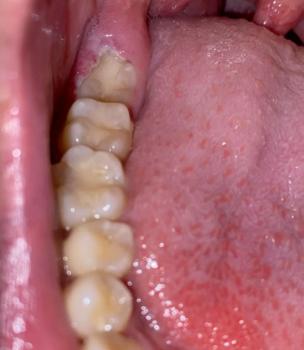
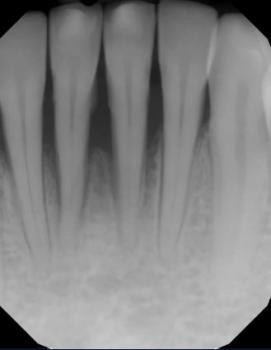
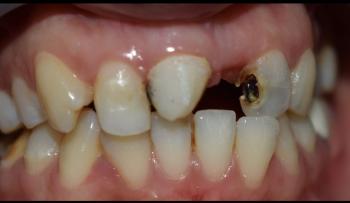
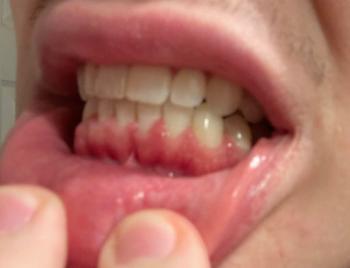
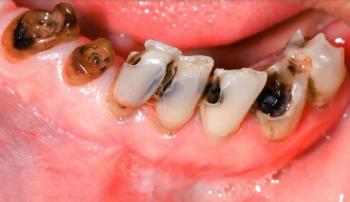
Patients with lower front gum inflammation may also experience tartar buildup, periodontal disease, gum abscesses, or tooth decay. Explore these related clinical case studies.
Other topics:
Other Dental Clinic