Your Smile, Our Passion.

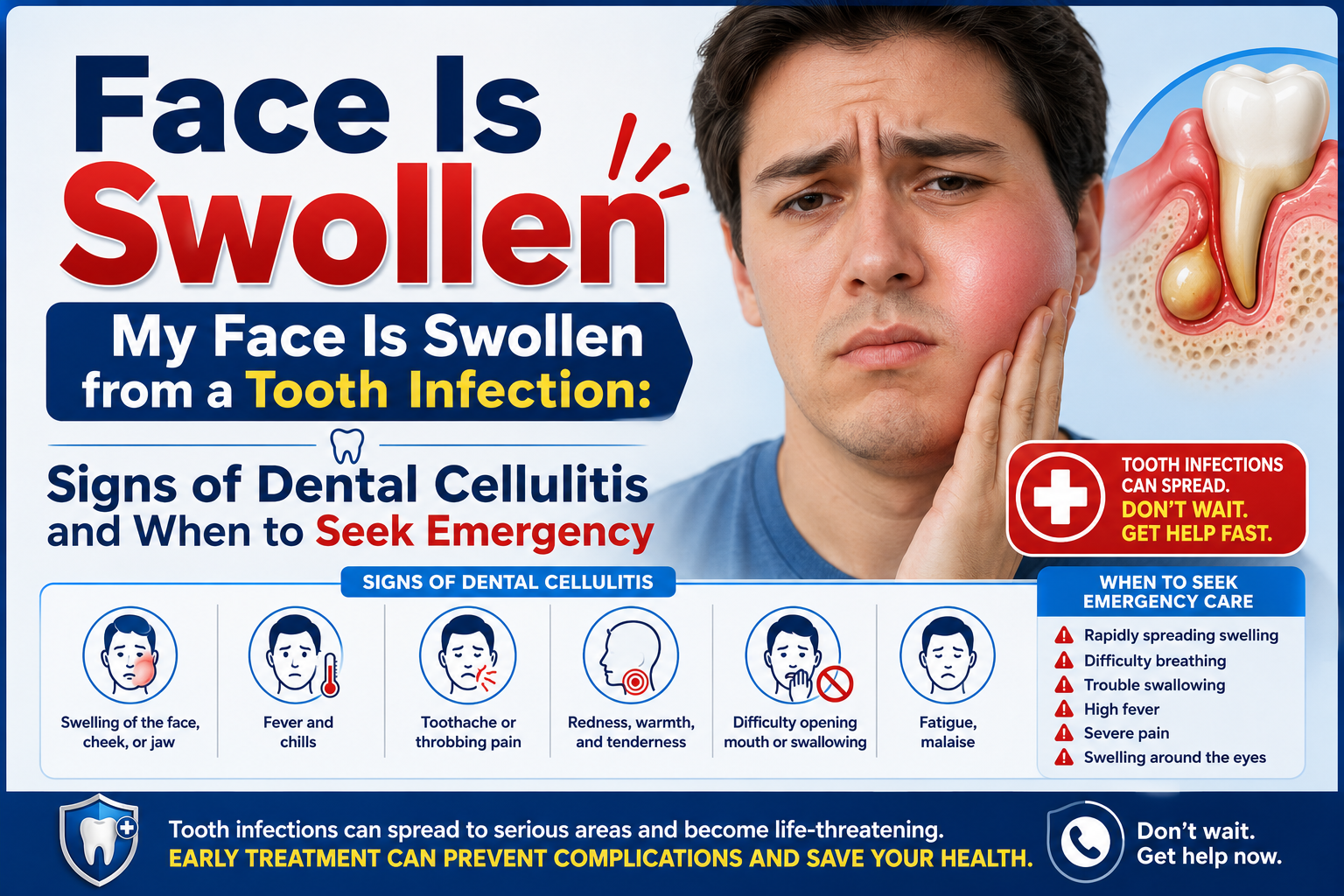
My Face Is Swollen from a Tooth Infection: Signs of Dental Cellulitis and When to Seek Emergency
Language :
Topics:
My Face Is Swollen from a Tooth Infection and I Can't Focus on Anything
"I cannot focus on anything at all. All I can think about is the infection spreading across my face. I need faster treatment from my dentist."
If this describes how you feel, you are not alone. Severe facial swelling caused by a tooth infection can be frightening. The pain may keep you awake at night, make eating difficult, interfere with work, and leave you worried that the infection is getting worse.
In some cases, facial swelling is more than a routine dental problem. It may be dental cellulitis, a potentially serious bacterial infection that has spread beyond the affected tooth into the soft tissues of the face, jaw, or neck. Unlike a cavity or a localized toothache, cellulitis requires prompt professional evaluation because it can progress quickly and, in rare cases, become life-threatening if left untreated.
This guide explains what dental cellulitis is, why it is considered a dental emergency, the warning signs you should never ignore, how dentists and hospital teams treat the condition, and what you should do while waiting to receive professional care.
What Is Dental Cellulitis?
Dental cellulitis is a bacterial infection that spreads from an infected tooth into the surrounding soft tissues of the face, cheek, jaw, or neck.
A tooth infection usually begins inside the pulp, where bacteria multiply after deep decay, a cracked tooth, or trauma. If treatment is delayed, the bacteria can travel beyond the root tip into the surrounding bone and soft tissues. Once the infection spreads beyond the tooth, the body responds with inflammation, resulting in redness, warmth, tenderness, and noticeable swelling.
Unlike a localized abscess that may remain confined to one area, cellulitis spreads through tissue planes. This is why facial swelling may enlarge over several hours or a day.
Why Facial Cellulitis Is a Medical Emergency
Your face contains many important anatomical spaces that connect with the neck, airway, bloodstream, and, in some cases, areas around the brain.
As the infection spreads, it can compress nearby structures and make breathing or swallowing difficult. Bacteria can also enter the bloodstream, causing a severe body-wide infection known as sepsis.
Although these complications are uncommon, they are the reason dentists and physicians treat facial cellulitis urgently.
Prompt treatment greatly reduces the risk of serious complications.
Common Causes
Several dental problems may lead to cellulitis.
Deep Tooth Decay
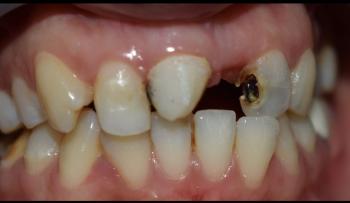
Untreated cavities allow bacteria to reach the pulp.
Dental Abscess
An untreated abscess may spread beyond the tooth.
Cracked Teeth
Fractures create pathways for bacteria.
Failed Root Canal
Persistent infection inside a previously treated tooth.
Impacted Wisdom Teeth
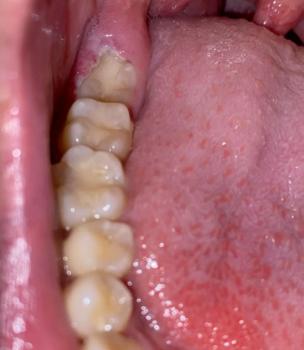
Partially erupted wisdom teeth can trap bacteria.
Advanced Gum Disease
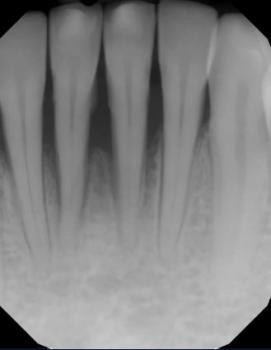
Severe periodontal infections occasionally spread into surrounding tissues.
Dental Trauma
Broken teeth after accidents or sports injuries.
Symptoms of Dental Cellulitis
Symptoms vary depending on how far the infection has progressed.
Common symptoms include:
-
Severe toothache
-
Facial swelling
-
Redness of the skin
-
Warmth over the swollen area
-
Tenderness to touch
-
Difficulty chewing
-
Pain when opening the mouth
-
Bad taste in the mouth
-
Pus drainage
-
Swollen lymph nodes
-
Fever
-
Fatigue
Some patients notice swelling only around one tooth initially. Others wake up with one side of the face dramatically enlarged.
"I Can't Focus Because My Face Hurts"
Many patients describe severe dental infections in similar ways:
-
"I can't sleep."
-
"I can't think clearly."
-
"The swelling is all I can think about."
-
"I'm afraid the infection is spreading."
-
"The pain won't stop."
Severe pain and inflammation can make it difficult to work, eat, concentrate, or carry out everyday activities. This is one reason dental cellulitis should not be ignored.
Emergency Warning Signs
Seek emergency medical attention immediately if you develop any of the following:
-
Difficulty breathing
-
Tightness in the throat
-
Difficulty swallowing
-
Excessive drooling because swallowing is difficult
-
Rapidly increasing swelling
-
Swelling involving the eye
-
Swelling extending into the neck
-
Swelling moving toward the chest
-
Fever higher than 38.5°C (101.3°F)
-
Chills
-
Extreme weakness
-
Confusion
-
Severe headache
-
Stiff neck
These symptoms may indicate that the infection is spreading and requires urgent hospital care.
What Should You Do Right Now?
If you suspect facial cellulitis from a tooth infection, take these steps:
1. Contact a dentist immediately. Explain that you have facial swelling so your condition can be assessed as soon as possible.
2. If you cannot reach a dentist promptly, go to the nearest emergency department, especially if swelling is increasing, you have fever, or you have difficulty swallowing or breathing.
3. Do not apply heat. Heat can increase blood flow and may worsen swelling. Instead, use a cold compress wrapped in a cloth for 10–20 minutes at a time to help reduce discomfort.
4. Do not try to drain the swelling yourself. Puncturing or squeezing the area can spread infection and cause additional injury.
5. Continue gentle oral hygiene unless instructed otherwise by your dental professional.
6. If antibiotics are prescribed, take them exactly as directed and complete the entire course, even if you begin to feel better before the medication is finished.
How Dentists Diagnose Dental Cellulitis
A dentist or physician will usually perform:
-
Medical history
-
Dental examination
-
Examination of facial swelling
-
Temperature assessment
-
X-rays
-
Sometimes a CT scan if deeper infection is suspected
-
Evaluation of breathing and swallowing
These tests help determine whether the infection is localized or spreading into deeper facial spaces.
Treatment
Treatment focuses on two goals:
-
Controlling the bacterial infection.
-
Eliminating the source of the infection.
Antibiotics
Antibiotics are often prescribed when cellulitis is present. The specific medication depends on factors such as the severity of the infection, allergies, and local prescribing guidelines.
For severe infections requiring hospitalization, intravenous (IV) antibiotics may be necessary.
Drainage
If an abscess has formed, drainage may be required to remove pus and reduce pressure.
Root Canal Treatment
If the tooth can be saved, root canal therapy removes the infected pulp, disinfects the canals, and seals the tooth to prevent reinfection.
Tooth Extraction
If the tooth is too damaged to restore or the infection cannot be controlled while preserving the tooth, extraction may be the safest option.
Hospital Treatment
Some patients require admission to the hospital, particularly if they have:
-
Airway involvement
-
Rapidly spreading infection
-
High fever
-
Difficulty swallowing
-
Significant facial swelling
-
Underlying medical conditions that affect immunity
Hospital treatment may include IV antibiotics, imaging, surgical drainage, and close monitoring.
Can Antibiotics Alone Cure It?
Antibiotics help control the spread of infection, but they often do not eliminate the source inside the tooth. If the infected tooth is not treated with a root canal or extraction when indicated, the infection may return after the antibiotics are finished.
Recovery
Most people begin to notice improvement within a few days after appropriate treatment. Swelling often decreases gradually over several days, while complete healing may take longer depending on the severity of the infection and the procedure performed.
Attend all follow-up appointments so your dentist can confirm that the infection has fully resolved.
Possible Complications
Without treatment, dental cellulitis may progress to:
-
Dental abscess
-
Spread into deeper facial spaces
-
Infection involving the eye area
-
Osteomyelitis (bone infection)
-
Sepsis
-
Airway compromise
Although these complications are uncommon, they underscore the importance of seeking prompt professional care.
Preventing Future Dental Infections
You can reduce your risk by:
-
Brushing twice daily with fluoride toothpaste.
-
Cleaning between your teeth every day.
-
Limiting sugary foods and drinks.
-
Attending regular dental examinations.
-
Treating cavities early.
-
Repairing cracked or broken teeth promptly.
-
Following your dentist's recommendations after dental procedures.
Early intervention often prevents a simple cavity from progressing to a painful infection.
Frequently Asked Questions
Can facial swelling from a tooth infection go away without treatment?
The swelling may temporarily improve, but the underlying infection usually remains. Dental infections generally require professional treatment to remove the source.
Should I put a hot towel on my swollen face?
No. Heat is generally not recommended for facial swelling caused by a dental infection because it may increase blood flow to the area. A cold compress wrapped in a cloth can provide temporary comfort until you receive professional care.
Is every swollen face an emergency?
Not every swollen face is life-threatening, but facial swelling associated with a tooth infection should be evaluated promptly because it can worsen quickly.
Will the emergency room treat a tooth infection?
Emergency departments can manage serious complications, provide supportive care, prescribe appropriate medications when indicated, and address airway concerns. They may also arrange referral to a dentist or oral and maxillofacial surgeon for definitive treatment of the infected tooth.
Can I wait until tomorrow?
If swelling is increasing, you have fever, difficulty swallowing, breathing problems, or significant facial swelling, you should seek emergency medical care immediately rather than waiting.
Final Thoughts
A swollen face caused by a tooth infection is more than just a painful inconvenience—it may be a sign that bacteria have spread beyond the tooth into surrounding tissues. While many dental infections are successfully treated when addressed early, delaying care increases the risk of serious complications.
If you find yourself saying, "I can't focus on anything because of this infection," take that as a signal to seek prompt professional evaluation. Contact your dentist immediately, or go to the nearest emergency department if you have rapidly increasing swelling, fever, difficulty swallowing, or trouble breathing.
With timely diagnosis, appropriate antibiotics when needed, and definitive dental treatment such as root canal therapy or extraction, most people recover well and can return to normal life without lasting complications.
Can tooth extraction cause infection? Mild inflammation is normal, but increasing swelling, fever, or severe pain may indicate infection. Learn more about post-extraction infection warning signs in this detailed guide.
Book a consultation with our Cebu dental specialists for proper evaluation and care.
Ready to get expert guidance?
If you’re experiencing severe pain or delayed healing, book a consultation with our Cebu dental specialists to get proper evaluation and care.
Consultation or contact page .
Book a Consultation
For severe discomfort or delayed healing, book a consultation with our Cebu dental specialists today.
Looking for a dentist? Browse our Cebu dental directory to find trusted clinics near you.
Medical Review and Clinical Basis
This article is based on clinical dental guidelines and real patient recovery patterns observed after tooth extraction procedures. The information reflects common post-extraction healing stages, including normal clot formation, gum tissue repair, and signs of possible complications such as dry socket or infection.
While mild discomfort is expected after a dental extraction, worsening pain after Day 3, bad odor, exposed bone, or spreading pain may require professional evaluation. These symptoms are consistent with known post-extraction complications described in standard dental practice.
About Cebu Dental Implants
Cebu Dental Implants provides comprehensive tooth extraction, surgical procedures, and dental implant services in the Philippines. Our team evaluates post-extraction healing, manages complications such as dry socket, and advises patients on proper aftercare to prevent infection and delayed healing.
If you experience severe pain or unusual symptoms after extraction, early professional assessment is recommended to prevent further complications.
Important Medical Disclaimer
This content is for educational purposes only and does not replace professional dental diagnosis. Every patient heals differently. If symptoms worsen or do not improve within a few days, consult a licensed dentist for proper evaluation and treatment.
Author
This article was prepared by the Cebu Dental Implants content team in consultation with licensed dental professionals experienced in tooth extraction and implant procedures.
Related Clinical Cases
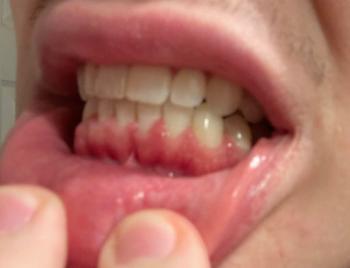
Patients with lower front gum inflammation may also experience tartar buildup, periodontal disease, gum abscesses, or tooth decay. Explore these related clinical case studies.