Transforming Smiles, Restoring Confidence.

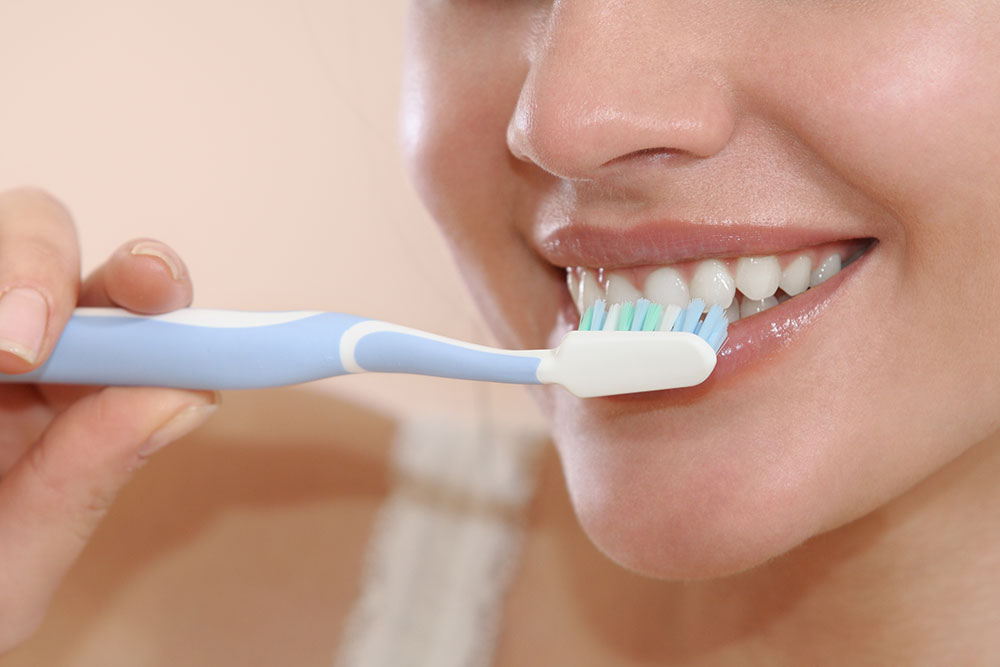
6 simple steps in brushing your teeth shiny smile
Image:
Teeth Problems:

Daily good habits is important to have a healthy teeth. Learn this 6 simple steps to get started.
Children need an adult to assist with thorough brushing until they are 8 or 9 years old.
Step 1
Place the brush at an angle on the outer gumline with the bristles facing towards the gum. Wiggle gently back and forth, repeat for each tooth.
Step 2
Then brush the inside of each tooth using the same wiggling technique as in Step 1.
Step 3
Brush the chewing surfaces of the teeth using a backward and forward motion.
Step 4
Use the tip of the brush behind each front tooth both top and bottom.
Step 5
Gently brush the tongue and gum line.
Step 6
Teeth can be flossed regularly once two teeth are touching. Use waxed floss tied in a circle.
Expert Dental Guidance: How to Brush Your Teeth Correctly for Healthier Gums and a Brighter Smile
Why Proper Toothbrushing Matters More Than Brushing Hard
A healthy smile depends on more than the appearance of the teeth. Proper brushing helps remove dental plaque, a sticky film containing bacteria that accumulates on teeth and along the gumline. If plaque is not removed regularly, it can contribute to tooth decay, gingivitis, and more advanced periodontal disease.
From a dental case-analysis perspective, patients who complain of bleeding gums, persistent bad breath, visible tartar, or tooth sensitivity may need more than a change in brushing technique. These symptoms can indicate underlying oral health problems that require professional assessment.
The goal of brushing is to remove plaque gently and consistently while protecting the enamel and gum tissues. Brushing harder does not necessarily produce cleaner teeth. The recommended routine for most adults is to brush twice daily for two minutes using a soft-bristled toothbrush and fluoride toothpaste, together with daily cleaning between the teeth.
Six Essential Steps for Effective Toothbrushing
Step 1: Choose a Soft-Bristled Toothbrush
Select a toothbrush with soft bristles and a head small enough to reach the back teeth comfortably. Both manual and powered toothbrushes can clean teeth effectively when used correctly.
Replace your toothbrush approximately every three to four months, or sooner if the bristles become frayed or damaged.
Clinical insight: Hard bristles and excessive brushing pressure can irritate the gums and contribute to tooth-surface wear. A soft toothbrush is generally the better choice for routine oral hygiene.
Step 2: Use Fluoride Toothpaste
Fluoride helps strengthen tooth enamel and makes teeth more resistant to acid attacks that cause cavities. Use a fluoride toothpaste appropriate for your age and dental needs.
For adults, follow the product instructions and your dentist's recommendations. Children require age-appropriate amounts of toothpaste and supervision to minimize swallowing.
Clinical insight: Whitening toothpaste may help remove certain surface stains, but it cannot correct every cause of tooth discoloration. Excessive use of abrasive products or unregulated whitening remedies may damage oral tissues or tooth surfaces.
Step 3: Position the Toothbrush at the Gumline
Hold the toothbrush at approximately a 45-degree angle toward the gumline. Use gentle, short strokes to clean the area where the teeth meet the gums.
Pay attention to the outer, inner, and chewing surfaces of every tooth. For the inner surfaces of the front teeth, tilt the brush vertically and use gentle up-and-down strokes.
Clinical insight: Plaque frequently accumulates near the gumline and between teeth. Missing these areas can allow inflammation to persist even when the visible front surfaces appear clean.
Step 4: Brush for Two Full Minutes
Divide your mouth into four sections:
-
Upper right
-
Upper left
-
Lower right
-
Lower left
Spend approximately 30 seconds on each section. Brush slowly enough to cover every surface rather than moving rapidly across the teeth.
A timer or an electric toothbrush with a built-in timer can help you maintain the recommended brushing duration.
Clinical insight: Brushing for only a few seconds may leave plaque behind. However, brushing for longer with excessive pressure is not a substitute for a careful, gentle technique.
Step 5: Clean Between Your Teeth and Your Tongue
A toothbrush cannot reliably reach every surface between adjacent teeth. Clean between your teeth once daily using dental floss, an appropriately sized interdental brush, or another suitable interdental cleaning device.
Gently clean your tongue with a toothbrush or tongue cleaner to remove debris and help reduce odor-causing bacteria.
Clinical insight: Persistent bad breath may be associated with tongue coating, gum disease, tooth decay, dry mouth, or other conditions. If the odor continues despite good oral hygiene, arrange a dental assessment rather than relying only on mouthwash.
Step 6: Maintain Your Routine Every Day
Brush in the morning and again before bedtime. Clean between your teeth daily, limit frequent sugary snacks and drinks, and attend dental appointments at intervals recommended for your individual needs.
After consuming acidic foods or beverages, rinse with water and avoid brushing immediately. Waiting about an hour before brushing is a useful general precaution against acid-softened enamel.
Clinical insight: Consistency is more important than occasional aggressive cleaning. Even patients who brush regularly may develop dental problems if they have untreated cavities, existing gum disease, dry mouth, or other risk factors.
Dental Case Analysis: What Common Symptoms May Indicate
Case 1: Bleeding Gums During Brushing
Bleeding gums may indicate gingivitis, which is inflammation commonly associated with plaque accumulation. Brushing too aggressively or using an unsuitable cleaning technique may also cause irritation.
Patients should use a soft-bristled toothbrush and gentle technique while continuing appropriate daily plaque removal. Persistent bleeding should not be dismissed as normal. A dentist can assess whether professional cleaning or periodontal treatment is necessary.
Case 2: Yellow or Brown Deposits Near the Gumline
Soft plaque can harden into calculus, commonly called tartar. Once calculus forms, ordinary toothbrushing cannot reliably remove it. Professional dental scaling may be needed.
Not every yellow or brown area is tartar; staining, enamel changes, and tooth decay can produce similar appearances. A dental examination is needed to distinguish them.
Case 3: Bad Breath Despite Brushing
Bad breath can result from bacteria on the tongue, plaque between teeth, gum disease, tooth decay, dry mouth, and certain dietary or medical factors.
A dentist may examine the gums, teeth, tongue, and oral tissues to identify the cause. Persistent bad breath should not simply be masked with mints or mouthwash.
Case 4: Tooth Sensitivity During or After Brushing
Sensitivity to cold, hot, sweet foods, or brushing can be associated with exposed dentin, gum recession, enamel erosion, cavities, cracks, or other dental conditions.
Use a soft toothbrush and avoid excessive pressure. A toothpaste formulated for sensitivity may help some patients, but ongoing, localized, worsening, or spontaneous pain requires dental assessment.
When Brushing Alone Is Not Enough
Daily brushing is an important preventive measure, but it cannot repair a deep cavity, remove established tartar, treat every form of gum disease, or drain a dental abscess.
Arrange a dental appointment if you experience persistent gum bleeding, swollen gums, recurring bad breath, toothache, loose teeth, or visible cavities.
Seek urgent dental or medical care if you develop facial swelling, fever with suspected dental infection, or rapidly worsening pain. Difficulty breathing or swallowing, swelling of the floor of the mouth or neck, or rapidly spreading facial swelling requires emergency assessment. Do not delay care while trying home remedies.
Frequently Asked Questions About Brushing Your Teeth
1. How many times a day should I brush my teeth?
For most people, brushing twice daily with fluoride toothpaste for two minutes each time is recommended. Brush in the morning and before bedtime unless your dentist gives you individualized instructions.
2. Is brushing harder better for cleaning teeth?
No. Excessive pressure can irritate the gums and contribute to tooth wear. Use a soft-bristled toothbrush, gentle pressure, and systematic movements to clean all tooth surfaces.
3. Why do my gums bleed when I brush?
Bleeding can be a sign of gingivitis or another gum problem. Brushing trauma may also contribute. Use gentle technique, clean between your teeth daily, and arrange a dental examination if bleeding persists or recurs.
4. Can brushing remove tartar?
No. Brushing helps remove soft plaque before it hardens, but established tartar generally requires professional removal. Avoid scraping your teeth with sharp tools at home.
5. Does brushing whiten yellow teeth?
Brushing can remove some surface plaque and stains, helping teeth look cleaner. It cannot reliably change the natural color of teeth or correct all internal discoloration. Professional advice can help identify safe whitening options.
6. Should I rinse my mouth with water immediately after brushing?
Spit out the excess toothpaste rather than immediately rinsing thoroughly with water. This helps retain fluoride on the teeth. If you use a fluoride mouthwash, use it at a separate time according to the product instructions or your dentist's advice.
7. Is an electric toothbrush better than a manual toothbrush?
Both can be effective. An electric toothbrush with a timer or pressure sensor may help people who struggle with brushing duration or pressure. Correct technique and consistent use remain essential.
8. How often should I replace my toothbrush?
Replace it approximately every three to four months, or sooner if the bristles become frayed. A damaged toothbrush may be less effective at cleaning.
9. Why do I still have bad breath after brushing?
Possible causes include tongue coating, plaque between teeth, gum disease, cavities, and dry mouth. If bad breath persists despite good oral hygiene, consult a dentist to identify and treat the underlying cause.
10. Can brushing prevent cavities completely?
No. Brushing with fluoride toothpaste substantially helps reduce cavity risk, but it cannot eliminate it entirely. Diet, fluoride exposure, saliva, tooth anatomy, medications, and existing dental conditions also influence risk.
11. Should I brush immediately after drinking soda or eating acidic food?
It is better to rinse with water and wait about an hour before brushing. Acidic drinks and foods can temporarily soften enamel, and immediate brushing may increase wear.
12. Can swollen gums heal just by brushing correctly?
Mild plaque-related gingivitis may improve with effective daily plaque removal. However, persistent swelling can indicate tartar, periodontal disease, an abscess, or another condition requiring treatment. Do not assume brushing alone will resolve the problem.
13. Is mouthwash a replacement for brushing and flossing?
No. Mouthwash may provide additional benefits in selected circumstances, but it does not replace brushing with fluoride toothpaste or daily cleaning between teeth. Ask your dentist whether a particular rinse is appropriate for your needs.
14. When should I visit a dentist even if my teeth do not hurt?
Routine dental examinations can identify early cavities, gum disease, and other problems before symptoms become obvious. Follow a schedule based on your oral health risks and your dentist's recommendations.
Final Dental Recommendation
A shiny smile should not be judged by appearance alone. Healthy teeth and gums depend on effective plaque removal, fluoride protection, appropriate dietary habits, and timely professional dental care.
Brush gently for two minutes twice daily, clean between your teeth every day, and seek professional assessment for persistent bleeding, swelling, sensitivity, or bad breath. The earlier an underlying dental problem is identified, the more likely it is that appropriate treatment can prevent further complications.
Visit and make a call in our clinic every 3 to 6 month to get healthy teeth
here in Cebu Philippines. Subscribe now! at leftside of the website.
GET FREE MONTHLY UPDATE.
Related Clinical Cases
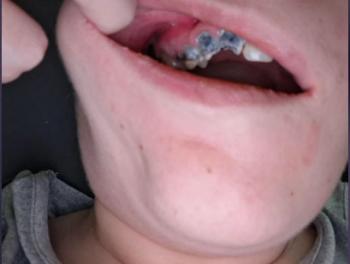
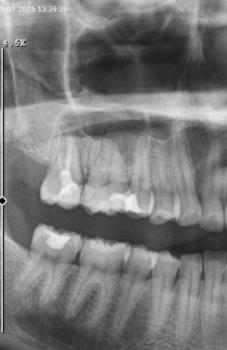
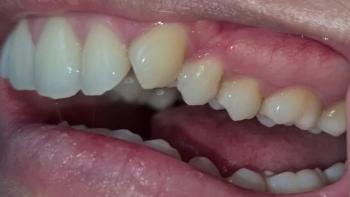
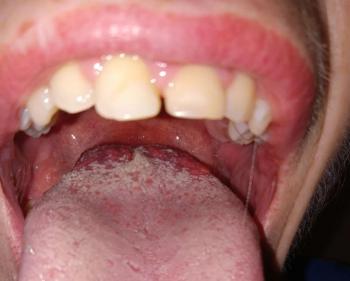
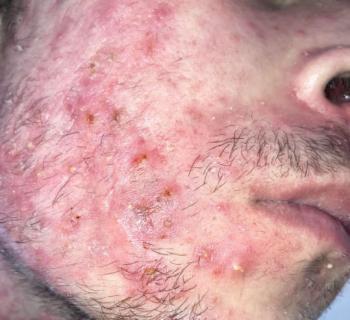
Patients with lower front gum inflammation may also experience tartar buildup, periodontal disease, gum abscesses, or tooth decay. Explore these related clinical case studies.



Other topics:
Other Dental Clinic