Building Confidence One Smile at a Time.

Lower Front Gum Infection and Inflammation Case Analysis
Image:
Severity:
Teeth Problems:
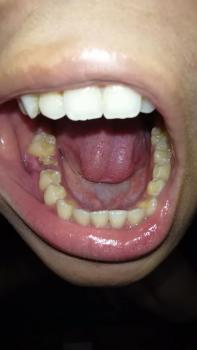
Lower Gum Inflammation, Orthodontic Braces, and Lower Molar Problems
How Lower Gum Inflammation Can Be Connected to Orthodontic Treatment and Lower Molar Health
Redness, swelling, and bleeding around the lower front teeth may indicate gingivitis, an early form of gum disease commonly associated with plaque buildup. However, when a patient also has orthodontic braces, crowded teeth, or pain around the lower molars, the dental examination should assess the entire mouth rather than focusing on the visible gum inflammation alone.
The lower front teeth and lower molars have different functions, but both areas require careful plaque control. Brackets, orthodontic wires, crowded tooth surfaces, and partially erupted molars can make cleaning more difficult.
1. Understanding Lower Front Gum Inflammation
Healthy gums generally appear firm and do not bleed easily during routine brushing. Inflamed gums may become red, swollen, tender, or prone to bleeding.
Common contributing factors include:
-
Plaque accumulation along the gumline.
-
Hardened tartar that requires professional removal.
-
Inadequate cleaning between crowded teeth.
-
Difficulty brushing around orthodontic brackets and wires.
-
Smoking, dry mouth, and certain medical conditions.
Gingivitis can often be reversed with effective daily plaque removal and professional dental cleaning. However, persistent inflammation may indicate periodontitis, which can damage the tissues and bone supporting the teeth.
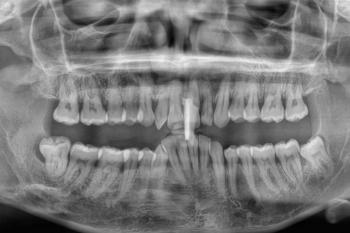
A visual examination alone cannot reliably establish whether an infection has reached deeper periodontal tissues. A dentist may need to perform periodontal measurements and take dental X-rays when indicated.
2. The Connection Between Lower Molars and Orthodontic Braces
Lower molars are important for chewing and maintaining a stable bite. During orthodontic treatment, these teeth may support molar bands, brackets, or other appliances.
Orthodontic appliances can create additional areas where plaque and food debris accumulate. Patients should pay particular attention to the gumline around the lower first and second molars, as well as the spaces between teeth.
Possible problems include:
-
Gingivitis: Inflamed gums caused by plaque accumulation.
-
Dental caries: Tooth decay developing around brackets or in hard-to-clean grooves.
-
Food impaction: Food trapped between teeth or around orthodontic appliances.
-
Pericoronitis: Inflammation around a partially erupted tooth, commonly a wisdom tooth.
-
Periodontal disease: Damage to the supporting tissues when disease progresses beyond gingivitis.
These conditions require different treatments. Swelling near a lower molar should not automatically be attributed to braces, and a swollen gum does not necessarily mean that the tooth needs extraction.
3. How a Dentist Evaluates the Problem
A clinical assessment should identify the source of the inflammation before treatment begins.
Step 1: Examine the gums and teeth. The dentist checks the location of redness, swelling, bleeding, plaque, tartar, tooth decay, and any visible discharge.
Step 2: Assess periodontal health. Periodontal probing may help determine whether there are abnormal gum pockets or signs of attachment loss.
Step 3: Examine the lower molars and orthodontic appliances. The dentist checks for food impaction, damaged brackets, gum irritation, partially erupted teeth, and possible tooth infection.
Step 4: Order imaging when necessary. Dental X-rays may help evaluate suspected decay, root problems, impacted teeth, or bone changes.
Step 5: Establish the treatment plan. Depending on the findings, treatment may involve professional cleaning, improved oral hygiene, periodontal treatment, management of tooth decay, or treatment of a dental abscess.
4. Recommended Treatment and Home Care
For uncomplicated plaque-induced gingivitis, treatment generally focuses on removing plaque and tartar and improving daily cleaning.
Patients should:
-
Brush twice daily using a fluoride toothpaste and a soft-bristled toothbrush.
-
Clean between teeth daily using floss or an appropriate interdental cleaner.
-
Use an orthodontic cleaning technique recommended by their dentist if wearing braces.
-
Clean carefully around the gumline and behind the lower molars.
-
Attend scheduled dental and orthodontic appointments.
-
Avoid smoking and tobacco products.
Tartar cannot be safely removed by brushing alone once it has hardened. Professional dental cleaning may therefore be necessary.
Do not attempt to drain a gum swelling or remove tartar with sharp household objects. Avoid taking leftover antibiotics or starting antibiotics without a dental professional's assessment. Antibiotics alone do not eliminate the underlying cause of most dental abscesses.
5. When Should You Seek Urgent Dental Care?
Arrange a prompt dental assessment if gum swelling is worsening, pus appears, a tooth becomes loose, pain persists, or a bad taste develops with localized swelling.
Seek emergency medical care if swelling spreads into the face or neck, or if you develop difficulty breathing or swallowing, severe difficulty opening your mouth, or rapidly progressing swelling.
Clinical takeaway: Lower front gum inflammation, lower molar pain, and orthodontic irritation may occur together, but they do not necessarily share the same cause. An accurate diagnosis and targeted treatment are more reliable than assuming that all symptoms are caused by braces or ordinary gingivitis.
Short Dental Case Story: A Patient in Pagadian City, Philippines
This is a fictional educational scenario, not a documented patient case.
A Concern About Bleeding Gums and Lower Molar Discomfort
A 23-year-old patient from Pagadian City noticed bleeding around the lower front teeth while brushing. The patient was also undergoing orthodontic treatment and occasionally experienced discomfort near a lower molar after meals.
At first, the patient assumed that the orthodontic wires were responsible for both problems. The patient tried brushing more aggressively but noticed that the gums remained irritated.
During a dental consultation, the dentist explained that brushing harder could worsen gum irritation without effectively removing hardened tartar. The examination focused on the lower front gumline, the spaces around the orthodontic appliances, and the lower molars.
The dentist assessed plaque accumulation and periodontal health and considered whether the molar discomfort might have a separate cause. Appropriate dental imaging would be considered if the clinical findings suggested tooth decay, a root problem, or an impacted tooth.
The treatment plan emphasized professional cleaning where indicated, gentle brushing with fluoride toothpaste, daily interdental cleaning, and continued orthodontic follow-up. The patient was also advised to report any increasing pain, pus, fever, or facial swelling rather than waiting for the next routine appointment.
The main lesson was that bleeding gums and lower molar discomfort deserve separate assessment, even when they occur during orthodontic treatment. Early evaluation helps identify the cause and reduce the risk of more serious dental problems.
Frequently Asked Questions
1. Can braces cause lower front gum inflammation?
Braces do not automatically cause gum disease, but brackets and wires can make plaque removal more difficult. Plaque accumulation may cause gingivitis, leading to redness, swelling, and bleeding. Proper brushing, interdental cleaning, and professional monitoring help control the problem.
2. Why do my lower front gums bleed when I brush?
Bleeding commonly occurs when gums are inflamed by plaque. Other causes are possible, so persistent or recurrent bleeding should be assessed by a dentist. Use a soft toothbrush and gentle technique instead of stopping oral hygiene or brushing harder.
3. Can lower molar problems cause lower front gum swelling?
A lower molar infection usually causes symptoms near the affected tooth, although pain can sometimes be referred to other areas. Generalized gum inflammation may have a separate cause. A dentist should examine both regions instead of assuming that one problem explains everything.
4. What causes swelling behind a lower molar?
Possible causes include gum inflammation, food impaction, tooth decay, a periodontal abscess, or inflammation around a partially erupted wisdom tooth. The correct diagnosis depends on the clinical findings and, when needed, dental imaging.
5. Can orthodontic treatment continue when the gums are inflamed?
Sometimes, but the decision depends on the severity and cause of the inflammation and the patient's periodontal health. The orthodontist and general dentist may coordinate cleaning, periodontal treatment, and adjustments to the oral hygiene routine. Significant untreated periodontal disease requires attention before proceeding with certain orthodontic movements.
6. How long does gingivitis take to improve?
Mild gingivitis may begin to improve within days after effective plaque control, but complete improvement varies. Professional cleaning may be necessary if tartar is present. If bleeding, redness, or swelling persists despite improved oral hygiene, arrange a dental reassessment rather than relying on a fixed healing deadline.
7. Can salt water cure an infected gum around a lower molar?
A gentle warm salt-water rinse may provide temporary comfort, but it cannot reliably treat an abscess, remove tartar, or cure an infected tooth. Suspected dental abscesses require prompt professional assessment.
8. Do I need antibiotics for swollen gums?
Not necessarily. Uncomplicated gingivitis is generally treated by controlling plaque and removing tartar when necessary. Antibiotics are reserved for selected infections when clinically indicated. The dentist must determine the appropriate treatment rather than prescribing antibiotics solely because gums are swollen.
9. When should I seek emergency care for gum infection?
Seek urgent dental care for suspected abscesses, pus, worsening swelling, or persistent significant pain. Difficulty breathing or swallowing, rapidly spreading swelling, or severe restriction in opening the mouth requires emergency medical assessment.
10. Where can patients in Pagadian City seek help for lower gum inflammation?
Patients can consult a licensed local dentist for an examination, professional cleaning when indicated, periodontal assessment, and evaluation of lower molar symptoms. Those receiving orthodontic treatment should also inform their orthodontist about bleeding gums or new discomfort.
Final Clinical Reminder
Lower front gum inflammation and lower molar orthodontic problems require accurate diagnosis rather than visual assumptions. Early professional care, consistent plaque control, and appropriate follow-up can help preserve gum health and protect the teeth supporting a patient's bite.
Medical disclaimer: This educational article does not replace an in-person dental examination, diagnosis, or individualized treatment plan.
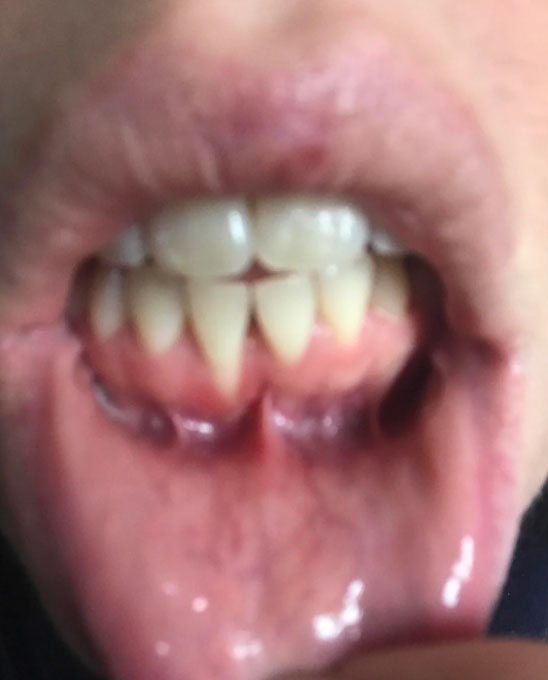
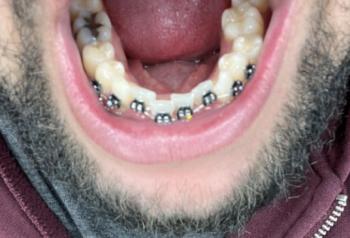
What Is Seen in This Case
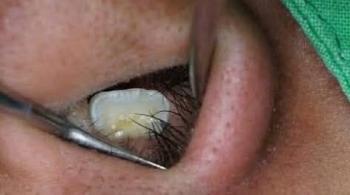
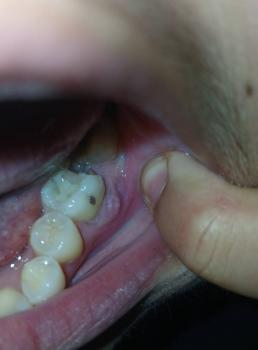
The image shows red, swollen, and darkened gum tissue below the lower front teeth. The gums appear inflamed and slightly enlarged, with a darker coloration that suggests active gum irritation or early infection. The teeth themselves look mostly intact, but the gum condition indicates a problem at the gumline.
This type of issue is often noticed when the lip is pulled down and may be accompanied by tenderness or bleeding.
Most Likely Diagnosis
Based on visual examination, the most likely conditions include:
-
Localized gingivitis in the lower front gums
-
Early gum infection
-
Gum inflammation caused by plaque buildup
-
Possible early periodontal involvement
This stage is usually treatable and reversible if addressed early.
What Causes This Gum Problem
Common causes include:
-
Plaque and tartar buildup along the lower front teeth
-
Inadequate brushing near the gumline
-
Not flossing regularly
-
Smoking or vaping
-
Mouth breathing or dry mouth
Lower front teeth are prone to plaque buildup because saliva collects in this area.
Is This a Serious Problem
At this stage, the condition is mild to moderate. However, if left untreated, it may scale up into:
-
Persistent gum bleeding
-
Worsening inflammation
-
Gum recession
-
Bad breath
-
Progression to periodontal disease
-
Long-term bone loss around teeth
Early treatment prevents permanent damage.
Recommended Treatment Process
Initial Dental Care (Days 1–3)
-
Dental examination
-
Professional cleaning to remove plaque and tartar
-
Gum evaluation and oral hygiene instruction
Healing and Control Phase (Days 4–7)
-
Improved brushing and flossing routine
-
Gentle cleaning along the gumline
-
Use of dentist-recommended mouth rinse if advised
Re-evaluation Phase (Days 8–14)
-
Redness and swelling should reduce
-
Bleeding should stop or significantly improve
-
Further treatment only if inflammation persists
Expected Healing Time
-
Mild gum inflammation: 5–7 days
-
Moderate gingivitis: up to 14 days
Healing depends on daily oral hygiene and professional care.
What Happens If Treatment Is Delayed
If ignored for more than 14 days, this condition may progress to:
-
Chronic gum inflammation
-
Gum recession
-
Early periodontal disease
-
Tooth support damage
-
Increased treatment cost
Home Care While Waiting for Treatment
These steps help control symptoms but do not replace dental care:
-
Brush twice daily with a soft toothbrush
-
Floss once daily
-
Avoid aggressive brushing
-
Avoid smoking and sugary foods
Professional Comment
This case shows inflamed lower front gums with healthy teeth, a very common condition. With early professional cleaning and good home care, gum health can be fully restored.
Visit a Dental Clinic Near You
Find a nearby dental clinic using our directory:
https://cebudentalimplants.com/map-dental-clinic
Related Clinical Cases
Patients with lower front gum inflammation may also experience tartar buildup, periodontal disease, gum abscesses, or tooth decay. Explore these related clinical case studies.
Other topics:
Other Dental Clinic