Missing Teeth? Find Your Smile Again.

Loose Tooth in Adults: Causes, Diagnosis, Treatment & When to Seek Care
A loose permanent tooth in an adult is not normal and should be evaluated by a dentist. Unlike children, adults do not normally lose permanent teeth because of natural tooth replacement. Tooth mobility can indicate damage to the gums, periodontal ligament, alveolar bone, or the tooth itself.
Clinical Overview
Adult tooth mobility occurs when the structures that anchor the tooth become weakened or injured. The most common causes include periodontal disease, excessive biting forces, bruxism, and dental trauma.
Early diagnosis is important because some loose teeth can be stabilized and preserved when the underlying cause is treated promptly.
Common Causes
1. Periodontal Disease
Advanced periodontitis is one of the leading causes of loose teeth in adults.
Plaque and tartar can accumulate around and beneath the gumline. The resulting inflammatory response can damage periodontal tissues and cause progressive loss of alveolar bone. As bone support decreases, the tooth can become increasingly mobile.
Possible signs include:
- Bleeding or swollen gums
- Gum recession
- Persistent bad breath
- Deep periodontal pockets
- Pus around the gums
- Increasing tooth mobility
2. Bruxism and Occlusal Trauma
Repeated teeth grinding or clenching can place excessive forces on the periodontal ligament and supporting tissues.
A tooth may become mobile when it is subjected to abnormal or excessive biting forces, particularly when combined with an uneven bite or existing periodontal disease.
A dentist may recommend occlusal adjustment, a night guard, or periodontal splinting, depending on the cause.
3. Acute Dental Trauma
A blow to the mouth from sports, falls, accidents, or other injuries can damage the periodontal ligament and supporting bone.
Traumatic injuries may include:
- Concussion
- Subluxation
- Extrusive luxation
- Lateral luxation
- Root or alveolar bone fracture
A recently injured loose tooth should be assessed promptly because treatment may improve the chance of preserving it.
How Is a Loose Tooth Diagnosed?
A dentist will usually perform a comprehensive examination that may include:
Tooth mobility assessment:
The dentist evaluates how much the tooth moves. Miller's mobility classification is commonly used to describe the severity.
Periodontal probing:
Measurements around the tooth help identify periodontal pockets and attachment loss.
Dental X-rays:
Periapical radiographs can show bone levels, root abnormalities, fractures, and infection. CBCT may be considered when three-dimensional imaging is needed.
Pulp testing:
Vitality testing helps determine whether the dental pulp is healthy or whether the tooth may have suffered pulpal injury or necrosis.
Bite evaluation:
The dentist may check whether excessive or abnormal biting forces are contributing to the mobility.
Treatment Options
Treatment depends on the cause of mobility, severity of bone loss, condition of the tooth, and remaining periodontal support.
Non-Surgical Periodontal Treatment
When gum disease is responsible, treatment may include professional periodontal cleaning, scaling and root planing, improved oral hygiene, and ongoing periodontal maintenance.
Reducing inflammation can sometimes decrease tooth mobility when sufficient supporting structures remain.
Occlusal Adjustment
If excessive biting forces are contributing to mobility, a dentist may adjust specific areas of the bite to reduce traumatic forces on the affected tooth.
Periodontal Splinting
A periodontal splint can connect a mobile tooth to neighboring stable teeth. This may provide temporary stabilization while the supporting periodontal tissues recover or while definitive treatment is performed.
Night Guards for Bruxism
Patients who grind or clench their teeth may benefit from a professionally fitted night guard. The appliance can help reduce damaging forces during sleep.
Periodontal Surgery
For selected teeth with localized periodontal defects, treatment may include flap surgery, bone grafting, or guided tissue regeneration. These procedures are generally considered only when adequate tooth and periodontal support remains.
Extraction and Tooth Replacement
A severely mobile tooth may have a poor or hopeless prognosis when there is extensive bone destruction, an unfavorable root fracture, or insufficient remaining support.
If extraction becomes necessary, replacement options may include:
- Dental implant
- Fixed dental bridge
- Removable partial denture
Can a Loose Adult Tooth Be Saved?
Sometimes. A loose tooth does not automatically mean that it must be extracted.
The prognosis depends on factors such as:
- Amount of remaining bone support
- Severity of periodontal disease
- Degree of tooth mobility
- Presence of root fracture
- Condition of the tooth's pulp
- Occlusal forces
- Overall periodontal health
Prompt treatment generally provides a better opportunity to identify a reversible cause and preserve the tooth.
When to See a Dentist
Arrange a dental examination if a permanent tooth feels loose, particularly if the mobility is increasing or accompanied by gum bleeding, swelling, pain, or changes in your bite.
Seek urgent dental care after significant facial or dental trauma, especially if the tooth has been displaced, severely loosened, fractured, or associated with substantial bleeding or swelling.
Key Takeaway
A loose permanent tooth in an adult is a clinical warning sign, not a normal part of aging. Periodontal disease, excessive bite forces, bruxism, and trauma are important causes. A dental examination with periodontal assessment and appropriate imaging can determine whether the tooth can be stabilized and preserved or whether replacement should be considered.
Related Clinical Cases
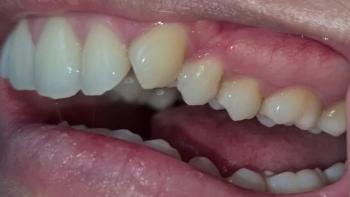
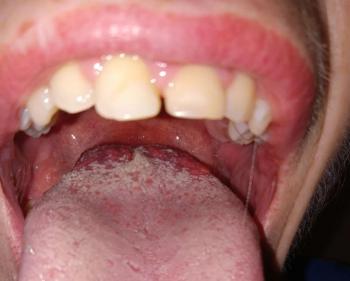
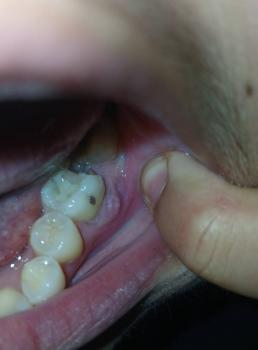
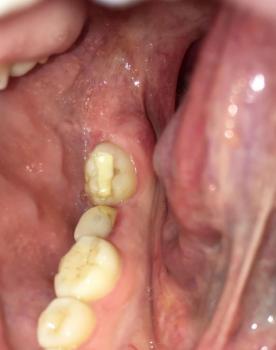
Patients with lower front gum inflammation may also experience tartar buildup, periodontal disease, gum abscesses, or tooth decay. Explore these related clinical case studies.