Your Smile, Perfected with Precision.

How Long Do Dental Implants Last? A Patient Guide to Healing, Longevity, and What to Expect
If you are considering a dental implant, one of the most common questions is: “How long will my dental implant last?”
For many patients, especially middle-aged adults, the bigger concern is not only how long the implant will last but also whether the mouth will heal properly after implant surgery.
The good news is that dental implants are designed to be a long-term tooth replacement solution. With proper planning, good oral hygiene, regular dental visits, and healthy lifestyle habits, the implant itself can potentially last for many decades and, in some patients, a lifetime.
However, the crown or other restoration attached to the implant may need replacement sooner because it is exposed to everyday chewing and wear.
What Is a Dental Implant?
A dental implant is a small post, usually made from titanium or another biocompatible material, that is placed into the jawbone to replace the root of a missing tooth.
The treatment generally has three main parts:
-
Implant: The artificial tooth root placed in the jawbone.
-
Abutment: The connector attached to the implant.
-
Dental crown: The visible tooth-shaped restoration placed on top.
The implant must become firmly integrated with the surrounding bone. This biological process is called osseointegration.
How Long Can a Dental Implant Last?
A well-planned and properly maintained dental implant can last for many years.
A patient's long-term result depends on several factors, including:
-
Bone quality and quantity
-
Oral hygiene
-
Gum health
-
Smoking or tobacco use
-
Diabetes and other medical considerations
-
Bite forces and teeth grinding
-
Quality of implant placement and restoration
-
Regular professional maintenance
The implant post itself can have a very long service life, while the crown may eventually show wear, fracture, discoloration, or other problems and may need to be replaced.
Think of the implant as the foundation and the crown as the visible part of the tooth. The foundation may remain stable even when the restoration eventually needs maintenance.
What About Healing If I Am Middle-Aged?
Being middle-aged does not automatically mean that you will heal poorly after dental implant surgery.
Many adults in their 40s, 50s, 60s, and beyond successfully receive dental implants.
Age is only one part of the overall picture. Your dentist will also consider your general health, medications, gum condition, bone volume, oral hygiene, smoking status, and other factors that can influence healing.
If you are a middle-aged man worried about healing, it is reasonable to ask your dentist:
“Is there anything about my health or oral condition that could slow my healing?”
Your dentist may recommend an examination, dental X-rays, or 3D imaging to evaluate the bone and determine whether the planned implant site is suitable.
What Happens During the Healing Process?
Healing takes place in stages.
1. The First Few Days
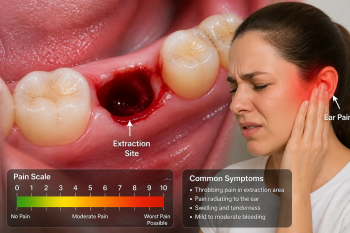
After implant placement, some swelling, tenderness, bruising, or mild discomfort can occur.
These symptoms are generally temporary. Your dental team will provide instructions regarding eating, cleaning the area, medications, and activity.
2. The First Few Weeks
The gum tissue gradually heals around the surgical area.
You may feel considerably better before the implant has completely integrated with the bone. Feeling normal does not necessarily mean the biological healing process is finished.
For this reason, following your dentist's instructions is important even when you feel comfortable.
3. Bone Integration
During the following weeks and months, the jawbone gradually forms a stable connection with the implant surface.
This process, known as osseointegration, is one of the most important stages of implant treatment.
The exact healing time varies from patient to patient and depends on the location of the implant, bone condition, surgical procedure, and whether additional procedures such as bone grafting were required.
4. Final Restoration
Once your dentist determines that healing is adequate, the abutment and permanent crown can be placed or finalized.
Your dentist will evaluate the implant before proceeding with the final restoration.
Can a Middle-Aged Patient Heal Normally?
Yes. Middle age by itself is usually not a reason to assume that dental implant healing will be poor.
Instead of focusing only on age, your dentist should evaluate your individual circumstances.
For example, your dentist may want to know about:
-
Smoking
-
Diabetes or blood-sugar control
-
Gum disease
-
Previous dental infections
-
Medications
-
Bone loss
-
Oral hygiene
-
Teeth grinding or clenching
-
Previous radiation treatment involving the jaw
-
Overall healing history
This individualized assessment is much more useful than simply asking whether you are “too old” for an implant.
What Can Cause a Dental Implant to Fail?
Dental implant failure is uncommon, but it can occur.
Potential contributing factors include:
-
Poor oral hygiene
-
Untreated gum disease
-
Smoking
-
Excessive biting forces
-
Infection around the implant
-
Insufficient bone
-
Poor implant positioning
-
Certain medical or healing problems
-
Failure to follow postoperative instructions
One important long-term concern is peri-implant disease, an inflammatory condition affecting the tissues around an implant.
Good daily cleaning and professional maintenance can help reduce the risk of problems.
How Can I Make My Dental Implant Last Longer?
Think of your implant like a long-term investment in your oral health.
Brush and clean between your teeth
Clean around the implant every day according to your dentist's recommendations.
Attend regular dental visits
Your dentist or dental hygienist can check the implant, gums, bite, and surrounding bone.
Don't ignore bleeding or swelling
Persistent bleeding, swelling, bad taste, pus, pain, or increasing mobility should be evaluated by your dentist.
Avoid smoking
Smoking can negatively affect oral health and may increase the risk of implant complications.
Protect your implant from excessive forces
If you grind or clench your teeth, ask your dentist whether a night guard or another protective approach may be appropriate.
Follow your dentist's instructions after surgery
The early healing period is important. Avoid unnecessarily disturbing the surgical site and follow the specific instructions provided by your dental team.
What Should I Expect After Implant Surgery?
Every patient is different, but many people experience some combination of:
-
Mild to moderate soreness
-
Swelling
-
Temporary sensitivity
-
Bruising
-
Minor bleeding during the early period
-
Gradual improvement over several days
Your dentist should explain what is expected in your specific case.
If pain or swelling becomes significantly worse rather than gradually improving, contact your dental office.
Likewise, contact your dentist if you develop fever, significant bleeding, pus, difficulty swallowing or breathing, or other symptoms that concern you.
Does Implant Surgery Hurt?
Modern dental implant surgery is normally performed with local anesthesia, so the procedure itself should not be painful.
After the anesthesia wears off, some soreness and swelling are possible.
Your dentist can recommend appropriate pain-control measures based on your medical history and the procedure performed.
If you are anxious about dental treatment, tell your dentist before surgery. There may be appropriate ways to make the experience more comfortable.
Is It Worth Getting a Dental Implant in Middle Age?
For many patients, a dental implant can be an excellent long-term option for replacing a missing tooth.
If you are in your 40s, 50s, or 60s, you may potentially have many years of use from an implant.
The more important question is not simply:
“Am I too old?”
A better question is:
“Am I a good candidate for an implant, and what can I do to give it the best chance of lasting?”
Your dentist can answer that after evaluating your teeth, gums, bone, bite, and overall health.
Questions to Ask Your Dentist Before Getting an Implant
If you are concerned about healing, consider asking:
-
Is my bone strong enough for an implant?
-
Do I have gum disease that should be treated first?
-
How long do you expect my implant to heal?
-
Will I need a bone graft?
-
What can I do to improve healing?
-
Does smoking affect my treatment?
-
Could any of my medications affect healing?
-
Do you recommend 3D imaging before surgery?
-
When can I return to normal eating and activities?
-
How will you monitor the implant after the crown is placed?
Frequently Asked Questions
Can dental implants last 20 years?
Yes, some dental implants remain functional for 20 years or longer. Longevity varies between patients and depends on factors such as oral hygiene, gum health, bone support, smoking, bite forces, and professional maintenance.
Can a dental implant last a lifetime?
It is possible for an implant to last for a very long time, potentially a lifetime, but no dentist can guarantee that an implant will last forever.
Does age affect dental implant healing?
Age can be one consideration, but it does not by itself determine whether an implant will heal successfully. Overall health, bone quality, gum health, lifestyle, and treatment planning are also important.
How long does it take for a dental implant to heal?
Healing varies considerably. The gum may improve relatively quickly, while the underlying bone can take considerably longer to integrate with the implant. Your dentist will determine when the implant is ready for the next stage.
Will I be without a tooth while the implant heals?
Not necessarily. Depending on your situation, your dentist may be able to provide a temporary tooth or temporary restoration while the implant heals.
What happens if my implant becomes loose?
A loose implant should be evaluated promptly by your dentist. Do not continue chewing normally on it or attempt to tighten it yourself.
Dental implants are designed to provide long-term tooth replacement, and many can function successfully for decades.
If you are a middle-aged man worried about the healing process, don't assume that your age means you will have problems. Your individual bone health, gums, general health, oral hygiene, smoking status, bite, and treatment plan are much more important considerations.
The best approach is to have your dentist evaluate your specific situation and explain how long your implant is expected to heal, what risks apply to you, and how the implant will be maintained over the years.
A dental implant is not simply a procedure—it is a long-term commitment to maintaining the health of the implant, gums, bone, and surrounding teeth.
Related Clinical Cases
Patients with lower front gum inflammation may also experience tartar buildup, periodontal disease, gum abscesses, or tooth decay. Explore these related clinical case studies.
Other topics:
Other Dental Clinic