We Bring Back the Sparkle in Your Smile.

Health Insurance in the USA: Costs, Coverage, and the Dental Insurance Gap
How Expensive Is Health Insurance in America?
Health insurance in the United States can be expensive, especially for individuals and families who must pay for their own coverage.
Unlike countries with universal healthcare systems, the United States relies on a combination of employer-sponsored insurance, private plans, government programs, and individual coverage.
For many Americans, the cost of healthcare can affect everyday financial decisions, including whether they can afford dental treatment.
1. How Much Does Health Insurance Cost in the USA?
The price of health insurance depends on several factors:
-
Age.
-
Location.
-
Income.
-
Type of insurance plan.
-
Employer contributions.
-
Family size.
-
Available government subsidies.
Employer-Sponsored Health Insurance
Many Americans receive health insurance through their employer.
In these plans, the employer usually pays part of the premium, while the employee pays the remaining share through payroll deductions.
Employees may still need to pay:
-
Monthly insurance premiums.
-
Deductibles.
-
Copayments.
-
Coinsurance.
-
Prescription costs.
Family coverage generally costs more than individual coverage.
The amount deducted from a paycheck varies significantly between employers and insurance plans.
Private Health Insurance and Obamacare
People who do not receive insurance through work may purchase a plan through the Affordable Care Act (ACA) Marketplace, also known as Obamacare.
Monthly premiums depend on:
-
Age.
-
State.
-
Household income.
-
Family size.
-
Plan level.
-
Premium tax credits.
Some eligible individuals receive financial assistance that reduces their monthly premium.
Others may pay substantially more for coverage.
Visit the official website to explore Marketplace insurance options.
Deductibles and Out-of-Pocket Expenses
Having health insurance does not mean all medical care is free.
A deductible is the amount you generally pay for covered services before your insurance begins paying according to the plan's benefits.
Other expenses may include:
-
Doctor visit copays.
-
Prescription copays.
-
Coinsurance.
-
Emergency room bills.
-
Out-of-network charges.
-
Services excluded from the insurance plan.
A person may have insurance and still struggle to pay medical bills.
2. Can Every American Get Health Insurance?
Not everyone automatically receives health insurance.
Eligibility depends on the type of coverage, income, age, employment, immigration eligibility, and other applicable requirements.
Medicare
Medicare is a federal health insurance program primarily serving:
-
People aged 65 and older.
-
Certain younger people with qualifying disabilities.
-
People with certain qualifying medical conditions.
Traditional Medicare generally does not cover routine dental care.
Medicaid
Medicaid provides health coverage for eligible low-income individuals and families.
Eligibility and adult dental benefits vary by state.
Some states offer broader dental coverage, while others provide limited benefits or no routine adult dental coverage.
Employer Insurance
Many working Americans obtain health insurance through their employer.
However, not every job offers health benefits, and employees may still face premiums and out-of-pocket costs.
ACA Marketplace Insurance
The ACA Marketplace provides an option for eligible individuals and families to purchase private health insurance.
Financial assistance may be available depending on household income and other factors.
3. What Percentage of Americans Have No Health Insurance?
The number of uninsured Americans changes over time.
The United States has a substantial health insurance system, but millions of people remain uninsured.
It is important to distinguish between two different types of coverage:
Medical Insurance
This covers eligible medical services such as doctor visits, hospital treatment, and certain prescription medicines.
Dental Insurance
Dental insurance is often purchased separately from medical insurance.
A person may have health insurance but no dental insurance.
This creates a significant barrier when they need:
-
Emergency tooth extraction.
-
Root canal treatment.
-
Dental crowns.
-
Gum disease treatment.
-
Other dental procedures.
For the latest official uninsured statistics, consult the and the .
4. Why Is Dental Insurance Often Separate?
Medical insurance and dental insurance generally operate as separate products in the United States.
Medical insurance focuses primarily on healthcare services, while dental insurance commonly covers certain dental procedures according to the plan.
Dental insurance may have:
-
Annual maximum benefits.
-
Deductibles.
-
Copayments.
-
Waiting periods.
-
Coverage limitations.
-
Exclusions for certain procedures.
Some dental plans may cover preventive care more generously than major restorative treatment.
A patient with a broken or infected tooth may still face substantial out-of-pocket costs.
5. The Dental Insurance Gap
A dental insurance gap exists when people lack dental coverage or have coverage that does not pay enough for the treatment they need.
This can affect:
-
Low-income workers.
-
Uninsured adults.
-
Older adults.
-
People working in jobs without dental benefits.
-
Families facing high living expenses.
-
People with extensive dental problems.
When dental treatment is unaffordable, patients may delay care until pain or infection becomes severe.
6. How Financial Stress Can Affect Dental Health
Imagine an American worker who earns enough to cover rent, food, transportation, and family expenses—but has no dental insurance.
A tooth begins to hurt.
The person delays treatment because of the cost.
Weeks or months later, the tooth may become severely damaged or infected.
The patient may then need more extensive treatment than if the problem had been addressed earlier.
This is why access to affordable dental care matters.
Smoking and Dental Problems
Smoking increases the risk of gum disease and tooth loss.
It can also interfere with healing after dental procedures.
For people already struggling with dental costs, smoking-related oral health problems can make treatment more difficult.
Quitting smoking can improve oral health and support better healing.
7. What Happens When Someone Has a Dental Emergency?
A dental emergency may involve:
-
Severe tooth pain.
-
Facial swelling.
-
Fever.
-
A dental abscess.
-
Difficulty swallowing.
-
Difficulty breathing.
Emergency Warning Signs
If a tooth infection causes difficulty breathing, difficulty swallowing, or rapidly increasing facial or neck swelling, seek emergency medical care immediately.
A hospital emergency department can assess serious medical complications.
However, an emergency room may not be able to provide definitive dental treatment such as a routine extraction or root canal.
The patient may still need a dentist after the emergency is stabilized.
8. Affordable Dental Care Options in the USA
People without dental insurance may explore several options.
Federally Qualified Health Centers
Community health centers may offer dental services with fees based on income and family size.
Find a nearby center through .
Dental Schools
Dental schools may provide lower-cost treatment through supervised student clinics.
Services and availability vary by school.
Dental Discount Plans
Some private dental discount plans offer reduced fees at participating dentists.
These are not the same as dental insurance. Check the terms carefully before enrolling.
Charity Care and Local Dental Programs
Some nonprofit organizations and community programs offer free or reduced-cost dental care to eligible patients.
Final Thoughts
Health insurance in the United States can be expensive, and having medical insurance does not automatically mean you have dental coverage.
For many Americans, the cost of dental treatment can become a serious financial burden.
When tooth decay, gum disease, smoking, and delayed dental care come together, a manageable problem can become a major dental crisis.
Affordable dental clinics, community health centers, dental schools, and financial assistance programs may help people access treatment.
Dental health is an important part of overall health.
Frequently Asked Questions
Is health insurance expensive in the USA?
It can be. Costs vary based on the plan, age, location, employer contribution, income, and available subsidies.
Does Medicare cover dental care?
Traditional Medicare generally does not cover routine dental care. Some Medicare Advantage plans offer dental benefits.
Does Medicaid cover dental treatment?
Medicaid dental coverage varies by state. Adult dental benefits may be limited or unavailable in some states.
Can I have medical insurance without dental insurance?
Yes. Medical and dental insurance are often separate, so having medical coverage does not necessarily mean you have dental coverage.
Where can uninsured Americans find affordable dental care?
Consider community health centers, dental schools, nonprofit dental clinics, and local financial assistance programs.
Medical Disclaimer: This article is for general educational purposes only and does not replace professional medical or dental advice. Insurance coverage, costs, eligibility, and benefits vary by state and plan. Check official government and insurance sources for current information.
Related Clinical Cases
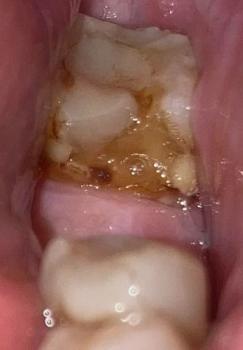
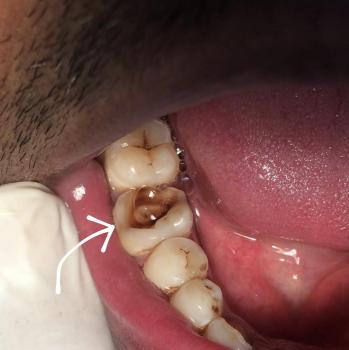
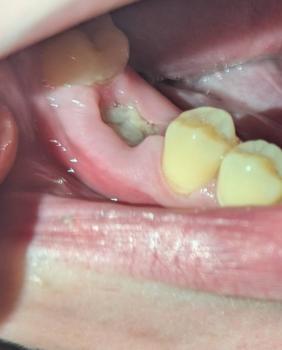
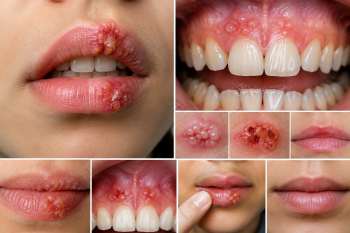
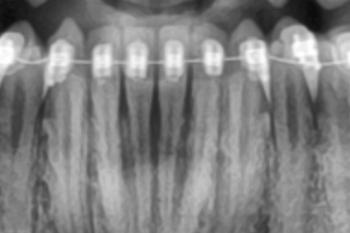
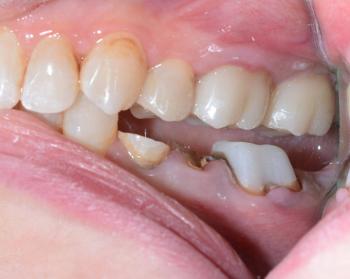
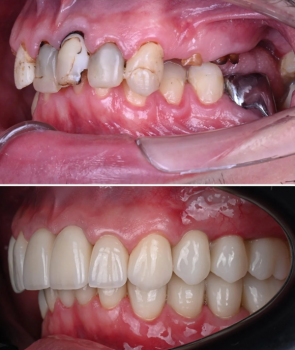
Patients with lower front gum inflammation may also experience tartar buildup, periodontal disease, gum abscesses, or tooth decay. Explore these related clinical case studies.
Other topics:
Other Dental Clinic