Your Smile, Our Passion.

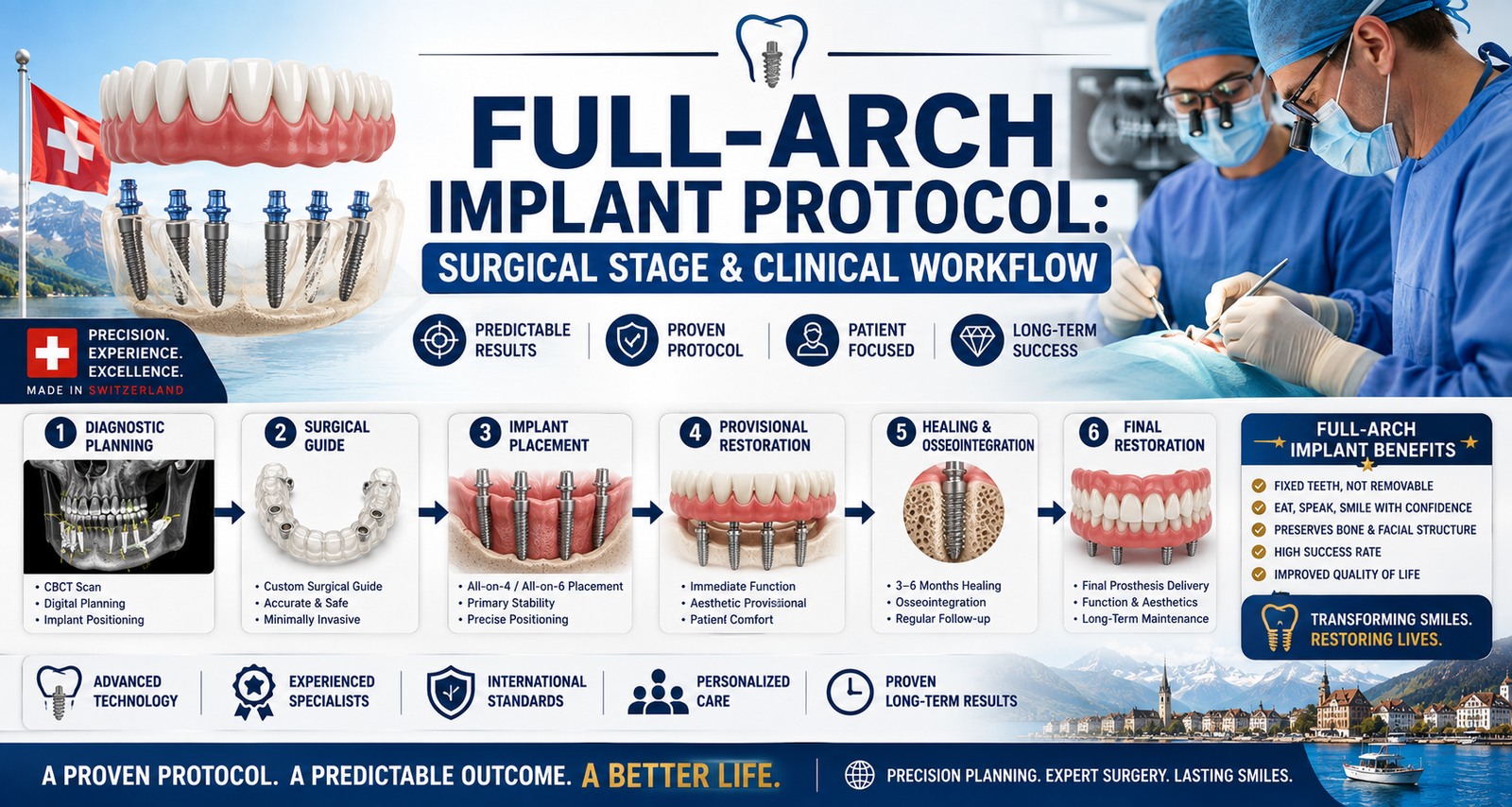
Full-Arch Implant Protocol: Surgical Stage & Clinical Workflow
image hero:
Country:
Full-arch implant rehabilitation can provide a fixed solution for patients who have multiple missing, severely damaged, or non-restorable teeth. In Iceland, treatment planning typically combines clinical examination, diagnostic imaging, digital planning, implant surgery, and carefully monitored prosthetic rehabilitation.
Step-by-Step Surgical Breakdown
1. Initial Consultation & Clinical Examination
The process begins with a comprehensive dental assessment. The dental team reviews the patient's medical and dental history and evaluates:
-
Remaining teeth and restorability
-
Gum and periodontal health
-
Jawbone condition
-
Bite and occlusion
-
Esthetic requirements
-
Overall suitability for implant treatment
The patient's expectations and treatment objectives should also be discussed before surgery.
2. Diagnostic Imaging
Dental X-rays are used to evaluate the teeth and surrounding structures. When indicated, CBCT (cone-beam computed tomography) or other 3D imaging can provide additional information about:
-
Available bone volume
-
Bone anatomy
-
Implant positioning
-
The inferior alveolar nerve
-
Maxillary sinuses
-
Other important anatomical structures
The imaging findings help the dental team develop an individualized surgical and prosthetic plan.
3. Digital Treatment Planning
The implant positions are planned according to both surgical and prosthetic requirements. The final plan may include:
-
Number and position of implants
-
Prosthetic tooth arrangement
-
Available bone
-
Esthetic considerations
-
Occlusion and functional loading
-
Surgical guide fabrication when appropriate
A prosthetically driven approach helps ensure that implant placement supports the planned final restoration.
4. Tooth Extractions
If remaining teeth cannot be predictably restored, they may need to be removed before or during implant surgery.
The clinician may perform atraumatic extraction and socket debridement. Depending on the individual case, additional bone or soft-tissue procedures may be considered.
Not every patient requires the same extraction or bone-preservation approach, so the treatment plan should be based on clinical and radiographic findings.
5. Implant Fixture Placement
In selected full-arch cases, four strategically positioned dental implants may be used to support a fixed prosthesis, following an All-on-4 or similar treatment concept.
The implant positions are selected to maximize available bone and achieve appropriate:
-
Primary stability
-
Implant distribution
-
Prosthetic support
-
Biomechanical load distribution
-
Long-term restorative positioning
The exact number of implants is determined by the patient's anatomy, treatment plan, and clinician's assessment. Some patients may require more than four implants or additional procedures.
6. Immediate Temporary Prosthesis
When sufficient primary implant stability and other clinical conditions are achieved, an immediate provisional prosthesis may be placed.
Immediate loading is not appropriate for every patient. The decision depends on factors such as implant stability, bone quality and quantity, occlusion, surgical findings, and the overall treatment plan.
The temporary restoration allows the dental team to monitor healing and function while the implants undergo osseointegration.
7. Post-Operative Review & Healing
Follow-up appointments are an important part of full-arch implant treatment. The dental team evaluates:
-
Soft-tissue healing
-
Implant stability
-
Prosthetic function
-
Occlusion
-
Patient comfort
-
Signs of complications or infection
Once healing and osseointegration have progressed appropriately, the temporary restoration can be evaluated and the definitive prosthesis planned or delivered according to the treatment protocol.
Clinical Note
Primary implant stability is an important consideration when immediate provisional loading is being considered. However, immediate loading should not be based on insertion torque alone. The clinician should evaluate the complete clinical situation, including implant stability, bone conditions, occlusion, implant positioning, and the patient's overall treatment plan.
Full-Arch Implant Treatment in Iceland
Patients considering full-arch dental implants in Iceland should receive an individualized examination and treatment plan from a qualified dental professional. Full-arch rehabilitation is a complex procedure, and treatment protocols can vary considerably between patients and dental practices.
Important: This overview describes a general clinical workflow and is not a substitute for an examination or individualized treatment plan from a dentist.
Related Clinical Cases
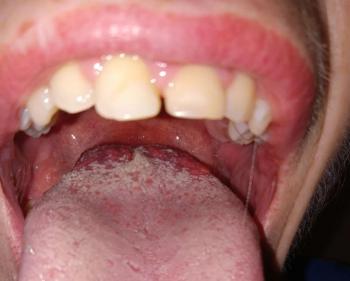
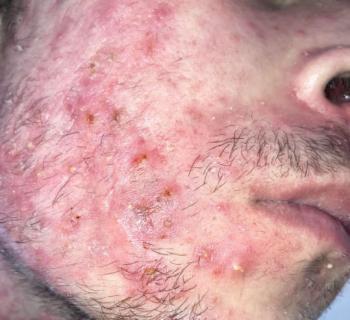
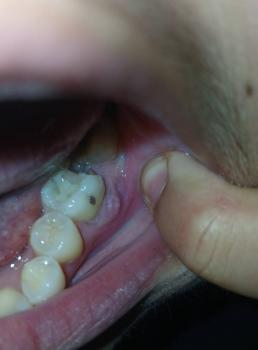
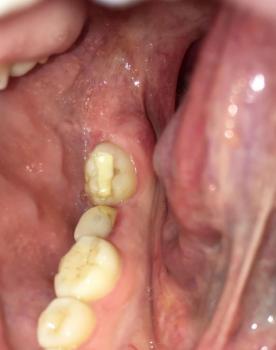
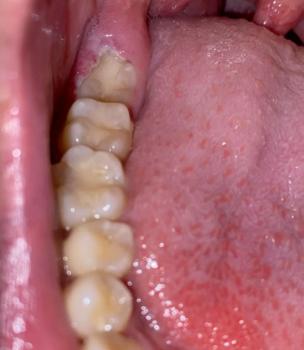
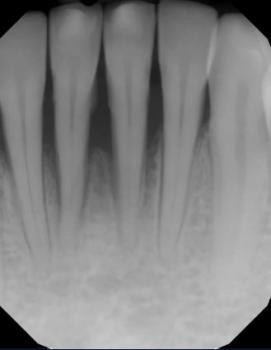
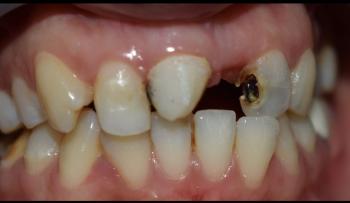
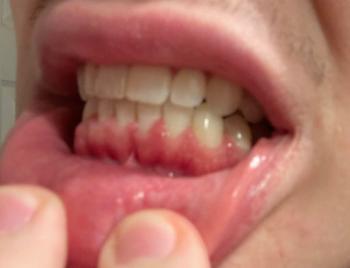
Patients with lower front gum inflammation may also experience tartar buildup, periodontal disease, gum abscesses, or tooth decay. Explore these related clinical case studies.
Other topics:
Other Dental Clinic