Transforming Smiles, Restoring Confidence.

Facial Skin Infection Possibly Linked to Dental Cause - Case Analysis
Image:
Severity:
Teeth Problems:
Dental Case Analysis – Facial Skin Infection Possibly Related to Dental Source
Case Overview
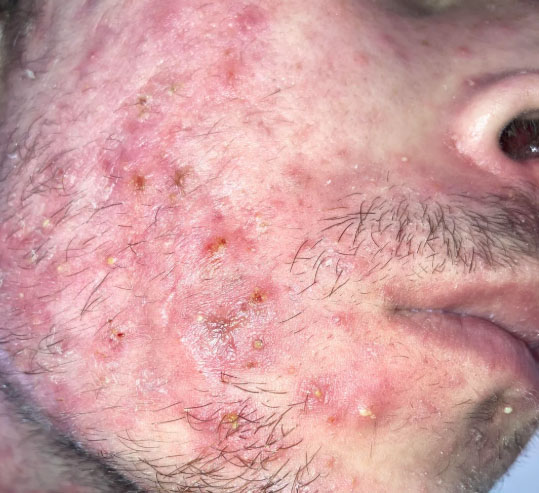
This image shows a diffuse inflammatory facial rash involving the lower cheek, beard area, and jawline. Multiple inflamed papules, pustules, and crusted lesions are present. The distribution closely follows the mandibular region, raising concern for a possible underlying dental or jaw-related inflammatory source.
Full Analysis and Diagnosis
Clinical Skin Findings
-
Widespread redness and inflammation
-
Multiple pustular and crusted lesions
-
Skin appears irritated, thickened, and reactive
-
Lesions concentrated along jaw and lower face
-
Pattern suggests chronic rather than acute condition
Possible Dental Correlation
-
Jawline distribution may correspond to underlying teeth or bone
-
Chronic dental infections can act as persistent inflammatory triggers
-
Odontogenic infections may manifest as extra-oral skin symptoms
-
Condition may worsen if dental source remains untreated
Deep Examination Considerations
Differential Assessment
-
Chronic inflammatory reaction
-
Secondary bacterial skin infection
-
Immune-mediated response
-
Possible dental-origin inflammation
-
Not typical of simple acne alone
Dental Factors to Evaluate
-
History of root canal infection
-
Jawbone infection or bone loss
-
Chronic apical periodontitis
-
Non-healing extraction sites
-
Undiagnosed abscess or sinus tract
Diagnosis (Clinical Impression)
-
Chronic inflammatory facial dermatitis
-
Secondary bacterial involvement likely
-
Possible dental or jaw-related inflammatory source (needs confirmation)
Definitive diagnosis requires combined dental and dermatologic evaluation.
Time Frame to Heal
If Dental Source Is Treated
-
Initial skin improvement: 2–4 weeks
-
Reduction in inflammation: 1–2 months
-
Full skin recovery: 3–6 months (varies by patient)
If Underlying Cause Is Untreated
-
Persistent or worsening rash
-
Skin scarring
-
Recurrent infections
-
Chronic inflammation cycle
Process to Execute (14-Day Focus)
Days 1–3
-
Full dental examination
-
CBCT or panoramic imaging
-
Identify possible odontogenic infection
-
Dermatologic assessment if available
Days 4–7
-
Treat dental infection source if identified
-
Antibiotics only if clinically indicated
-
Gentle skin care continuation
Days 8–14
-
Monitor skin response
-
Reassess inflammation level
-
Adjust treatment plan based on response
Can a Dental Infection Cause Facial Skin Inflammation?
A dental infection can sometimes spread beyond the tooth and gums, causing swelling and inflammation in the surrounding facial tissues. In some cases, an infected tooth may lead to a draining sinus tract that opens onto the skin, often near the jawline or chin. However, many facial rashes and pustular skin lesions have non-dental causes, so a dental source should be investigated rather than assumed.
How Can a Tooth Infection Affect the Facial Skin?
A tooth infection may begin when bacteria enter the dental pulp through deep tooth decay, a crack, trauma, or a failed restoration. If the infection reaches the tissues around the root, it can cause an abscess. Depending on its location and severity, the infection may spread into nearby soft tissues.
Possible dental-related conditions include:
-
Dental abscess: A collection of pus caused by infection in or around a tooth.
-
Odontogenic cellulitis: A spreading infection involving soft tissues that originates from a tooth or other dental structure.
-
Draining dental sinus tract: A channel through which infected material drains from an underlying dental infection, occasionally reaching the skin.
-
Jawbone infection: A less common but potentially serious infection involving bone, which requires prompt professional assessment.
Not every facial infection is caused by a tooth. Acne, folliculitis, infected cysts, contact dermatitis, and other skin conditions can produce redness, bumps, pustules, or crusting that may look similar.
Warning Signs That a Dental Source Should Be Investigated
Consider a dental examination if facial skin inflammation occurs alongside any of the following:
-
Toothache or pain when biting.
-
Swollen, tender, or bleeding gums near a painful tooth.
-
Facial or jaw swelling.
-
A recurring pimple-like lesion near the chin or jaw that drains fluid.
-
A persistent bad taste or discharge in the mouth.
-
A history of deep decay, dental trauma, root canal treatment, extraction, or implant complications.
A dental infection can sometimes occur without obvious tooth pain. Therefore, the absence of toothache does not completely exclude a dental cause.
How Is a Dental-Related Facial Infection Diagnosed?
Diagnosis requires an assessment of both the skin and the mouth when appropriate. A dentist may examine the teeth, gums, previous restorations, extraction sites, and dental implants. Depending on the findings, dental X-rays or other imaging may be needed to identify infection around a tooth root or within the jaw.
A panoramic X-ray or cone-beam computed tomography (CBCT) scan is not automatically necessary for every patient. The type of imaging should be selected according to the clinical examination and the specific diagnostic question.
A medical doctor or dermatologist may also need to examine the skin, especially when the lesions resemble acne, folliculitis, dermatitis, or a primary skin infection. A skin culture or other tests may be appropriate in selected cases.
Important: A photograph showing facial redness, pustules, or crusting cannot establish that a dental infection is the cause. The diagnosis must be confirmed through an appropriate clinical assessment.
Treatment: Address the Underlying Cause
Treatment depends on the diagnosis and the severity of the infection.
If a dental infection is confirmed, treatment may include root canal therapy to preserve a suitable tooth, drainage of an abscess, or extraction when the tooth cannot reasonably be saved. An infected dental implant or surrounding tissues may require specialist assessment and individualized treatment.
If the skin itself is infected, medical treatment may be necessary. A clinician may recommend appropriate skin care, topical treatment, drainage, or medication according to the cause.
What about antibiotics? Antibiotics are not a substitute for treating the source of a dental infection. Many localized dental conditions require definitive dental treatment, such as drainage or root canal treatment. Antibiotics may be indicated when infection is spreading or there are systemic symptoms, depending on the clinical assessment. They should be prescribed by a qualified clinician rather than taken from leftover supplies or purchased for self-treatment.
Do not squeeze, puncture, or attempt to drain facial lesions at home. This can worsen tissue damage and delay the correct diagnosis.
When Is Facial Swelling an Emergency?
Seek emergency medical care immediately if facial or dental swelling is accompanied by:
-
Difficulty breathing or swallowing.
-
Swelling under the tongue, in the floor of the mouth, or rapidly increasing neck swelling.
-
Rapidly spreading facial swelling.
-
Swelling around the eye with vision changes or difficulty moving the eye.
-
Severe difficulty opening the mouth, especially with worsening swelling or fever.
-
Confusion, faintness, or marked weakness with a suspected infection.
These symptoms may indicate a serious spreading infection or another urgent medical condition. Do not wait for a routine dental appointment.
Even without these emergency signs, suspected dental abscesses and new or worsening facial swelling need urgent professional assessment.
How Long Does Recovery Take?
There is no single recovery timeline for facial skin inflammation associated with a possible dental infection.
The duration depends on the underlying cause, the extent of the infection, the treatment required, and the patient's general health. A bacterial skin infection may improve on a different timeline from a draining dental sinus tract or a chronic inflammatory skin condition. Residual redness, pigmentation, or scarring may persist after the active problem has resolved.
A clinician should reassess symptoms that worsen, fail to improve as expected, or return after treatment. Do not assume that the skin will heal within a fixed number of weeks simply because a suspected dental source has been treated.
Key Takeaway
Persistent facial skin inflammation around the jawline or chin deserves proper evaluation, particularly when dental symptoms or a history of dental treatment are also present. A dental infection is one possible explanation, but it is not the only one. Coordinated dental and medical assessment can help identify the actual cause and guide appropriate treatment.
Medical disclaimer: This article is for general educational purposes and does not replace an examination, diagnosis, or treatment plan from a qualified dental professional.
Issues That Will Scale Up If Untreated
-
Chronic facial inflammation
-
Skin scarring and pigmentation changes
-
Spread of infection
-
Psychological distress
-
Long-term immune activation
-
Possible jawbone involvement
FAQ:
How Can a Tooth Infection Affect the Skin of the Face?
A dental infection can sometimes extend beyond the tooth and surrounding jawbone into nearby soft tissues. When bacteria spread into the facial tissues, the resulting inflammation may cause swelling, redness, warmth, tenderness, and pain.
This type of spreading bacterial infection is known as facial cellulitis when it involves the skin and underlying soft tissues. A dental abscess may be the source, particularly when there is untreated tooth decay, infection around a tooth root, or an infected gum pocket.
However, facial skin changes have many possible causes. Acne, contact dermatitis, insect bites, cysts, skin abscesses, and other medical conditions may look similar. A dental origin should be considered when the facial symptoms occur alongside tooth pain, gum swelling, a broken tooth, pus, or a history of dental infection.
Clinical Findings That May Suggest a Dental Source
During a dental assessment, the clinician may look for the following findings:
-
Deep tooth decay or a fractured tooth.
-
Pain when biting or chewing.
-
Tenderness around the root of a tooth.
-
Swollen gums or a localized collection of pus.
-
A draining opening in the gum or nearby skin.
-
Facial swelling that corresponds anatomically with a suspected infected tooth.
-
Dental X-ray findings consistent with infection around a tooth root.
These findings may help identify a possible dental source, but no single sign proves that the skin infection originated in the mouth. A clinical examination, appropriate dental imaging, and sometimes medical evaluation are necessary.
What Is the Difference Between a Dental Abscess, Facial Cellulitis, and a Draining Sinus Tract?
These conditions are related but are not identical.
Dental abscess: A localized collection of pus caused by infection, often near a tooth root or in the surrounding gum tissues.
Facial cellulitis: A spreading infection of the soft tissues that can cause diffuse redness, warmth, tenderness, and swelling. It may occur when bacteria from a dental infection enter surrounding facial tissues.
Draining sinus tract: An abnormal channel through which fluid or pus from a chronic infection can reach the gum surface or, less commonly, the skin of the face. A small opening may drain intermittently and may not cause severe tooth pain.
A draining tract can temporarily reduce pressure, but it does not necessarily mean the underlying infection has healed. The source must be identified and treated.
Why Can a Dental Infection Continue Even When Tooth Pain Decreases?
Reduced pain does not always mean that an infection has resolved. In some cases, the pulp inside a severely damaged tooth dies, reducing the tooth's sensitivity while bacteria remain in the root canal system or surrounding tissues.
A chronic infection may also drain through an opening in the gum or skin. This can reduce pressure temporarily, but the infected tooth or surrounding tissue may still require treatment.
If facial redness, swelling, drainage, or a skin lesion persists or repeatedly returns near a suspected dental infection, arrange a professional dental assessment. A clinician may need to coordinate care with a physician or dermatologist if the cause is uncertain.
How Is a Possible Dental-Related Facial Infection Evaluated?
The evaluation generally includes several steps:
-
Medical and dental history: The clinician asks about tooth pain, swelling, fever, recent dental procedures, previous infections, and the progression of the skin symptoms.
-
Examination of the face and mouth: The dentist checks for redness, tenderness, facial swelling, tooth decay, gum inflammation, pus, and difficulty opening the mouth.
-
Dental imaging: Periapical or panoramic X-rays may help identify disease around tooth roots. Additional imaging, such as a CT scan, may be needed in a hospital setting when a deep or spreading infection is suspected.
-
Medical or specialist assessment: If the skin lesion does not clearly originate from a tooth, a physician or dermatologist may evaluate other causes.
-
Treatment planning: Treatment is based on the location and severity of the infection, the tooth's condition, and whether the infection has spread beyond the mouth.
A photograph alone cannot reliably establish a diagnosis or determine how deeply an infection has spread.
Treatment Options When a Dental Cause Is Confirmed
Treatment depends on the source and severity of the infection.
Root Canal Treatment
If the tooth can be restored, root canal treatment may remove infected or dead pulp tissue, clean the root canal system, and seal it to help preserve the tooth.
Tooth Extraction
If the tooth is too damaged to restore or cannot be predictably treated, extraction may be necessary to eliminate the source of infection.
Drainage of an Abscess
A clinician may need to drain a collection of pus. The method depends on its location, size, and accessibility.
Antibiotics When Indicated
Antibiotics may be needed when there is spreading infection, systemic illness, or another clinical indication. They are not a substitute for definitive dental treatment when an infected tooth or abscess remains.
The appropriate antibiotic, dose, and duration must be determined by a qualified clinician based on the patient's circumstances and local guidance. Patients should not take leftover antibiotics, share medication, or change a prescribed course without professional advice.
Hospital Treatment for Severe Infection
A severe or rapidly spreading infection may require emergency hospital care, intravenous antibiotics, surgical drainage, imaging, and monitoring of the airway and other vital functions.
Warning Signs That Require Immediate Medical Attention
Seek emergency care immediately if a suspected dental or facial infection causes:
-
Difficulty breathing or swallowing.
-
Difficulty swallowing saliva or drooling because of swelling.
-
Rapidly increasing swelling of the face, jaw, or neck.
-
Swelling around the eye, particularly with eye pain or changes in vision.
-
Severe difficulty opening the mouth.
-
Confusion, faintness, or marked weakness with worsening infection.
Fever, chills, or increasing facial swelling also warrant urgent assessment. Do not wait for a routine appointment if symptoms are progressing.
Important: Do not squeeze, puncture, or attempt to drain a facial lesion or dental abscess at home. Avoid applying harsh chemicals or unprescribed creams to an infected-looking area. These measures can cause additional injury or delay appropriate treatment.
Prevention and Long-Term Oral Health
Preventing advanced tooth decay and gum disease can reduce the risk of dental infections. Helpful habits include:
-
Brush twice daily with fluoride toothpaste.
-
Clean between the teeth daily.
-
Seek early treatment for cavities, cracked teeth, and persistent gum swelling.
-
Attend regular dental checkups based on your oral health needs.
-
Follow up promptly if a previously treated tooth becomes painful or swollen.
-
Seek professional care for recurring facial lesions near the mouth or jaw.
People with diabetes or weakened immune systems should be particularly cautious about possible spreading infections and seek timely professional assessment.
Expert Dental Perspective
A facial skin infection located near a tooth should not automatically be diagnosed as a dental abscess. The relationship between the skin lesion and the underlying teeth must be assessed carefully.
When a dental source is confirmed, successful treatment usually requires addressing that source rather than treating only the visible skin changes. Early diagnosis can help prevent complications and support appropriate healing.
This information is intended for patient education and does not replace an examination by a licensed dentist or medical professional.
Frequently Asked Questions (FAQs)
1. Can a tooth infection cause a skin infection on the face?
Yes. In some cases, bacteria from an infected tooth can spread into the surrounding facial tissues, causing cellulitis or an abscess. A chronic dental infection can also occasionally form a draining tract that reaches the skin. However, many facial skin infections have non-dental causes, so a professional examination is needed.
2. What does a dental-related facial skin infection look like?
It may appear as redness, swelling, warmth, tenderness, or a painful lump near the cheek, jaw, or chin. A draining tract may resemble a small pimple or wound that repeatedly releases fluid. These appearances are not specific to dental infections and cannot confirm the diagnosis on their own.
3. Can an infected tooth cause a pimple on the cheek or chin?
Occasionally, a chronic dental infection can create a draining sinus tract that opens through the skin. It may resemble a pimple that repeatedly drains or fails to heal. Acne, cysts, and other skin conditions can look similar, so avoid squeezing the lesion and seek dental or medical assessment.
4. Can a dental infection spread even if the tooth does not hurt?
Yes. A tooth with a dead or severely damaged pulp may cause little pain even while infection persists around its root. Some chronic infections drain and reduce pressure, making symptoms less noticeable. Lack of toothache does not reliably rule out a dental source.
5. How can I tell whether facial swelling comes from a tooth or a skin problem?
The location of the swelling, tooth symptoms, oral examination, medical history, and appropriate imaging can help distinguish the causes. Facial swelling alone is not enough to establish the source. When the cause remains uncertain, coordination between a dentist and a medical clinician may be necessary.
6. Can antibiotics alone cure a dental-related skin infection?
Not always. Antibiotics may be necessary for a spreading infection, but an infected tooth or a collection of pus may require root canal treatment, extraction, or drainage. The treatment plan depends on the diagnosis and severity. Do not self-medicate or use leftover antibiotics.
7. How quickly can a dental infection spread to the face?
The speed varies. Some infections remain localized, while others progress over hours or days. Rapidly increasing swelling, fever, or worsening pain requires urgent assessment. Difficulty breathing or swallowing, swelling of the neck, or severe swelling around the eye requires emergency care.
8. Is facial redness near a tooth always a sign of dental cellulitis?
No. Facial redness can result from skin irritation, dermatitis, acne, insect bites, skin abscesses, and other conditions. Dental cellulitis is considered when there is evidence of a spreading infection in the facial tissues, sometimes linked to an infected tooth. A clinician must evaluate the findings.
9. What should I do if a facial lesion keeps draining or returning?
Arrange a dental or medical examination, particularly if the lesion is near the jaw or mouth. A recurring draining opening may indicate a persistent infection, including a possible dental sinus tract. Do not repeatedly squeeze or puncture it. The underlying cause needs to be identified.
10. Can a dental infection cause swelling near the eye?
Yes, certain infections involving the upper teeth or nearby facial spaces can spread toward the tissues around the eye, although many other conditions can also cause eye-area swelling. Swelling around the eye associated with a suspected infection needs urgent medical assessment, especially if there is eye pain, fever, impaired eye movement, or altered vision.
11. When should I go to the emergency department instead of waiting for a dentist?
Go immediately if you have difficulty breathing or swallowing, rapidly progressive facial or neck swelling, inability to swallow saliva, severe difficulty opening the mouth, or eye-area swelling accompanied by visual symptoms. These signs may indicate a serious infection that needs hospital evaluation.
12. Will the facial skin heal after the dental infection is treated?
If the skin changes are caused by a dental infection, treating the source may allow the affected tissues to heal. Recovery depends on the extent of infection, whether drainage or additional treatment is needed, and whether another skin condition is also present. Persistent redness, drainage, or a non-healing lesion requires reassessment.
13. Can a dentist identify the infected tooth with an X-ray?
Dental X-rays can reveal findings such as changes around a tooth root or bone loss that support a diagnosis. However, not every infection is visible on a conventional X-ray, and an X-ray must be interpreted alongside the clinical examination. Additional imaging or medical assessment may sometimes be required.
14. Can I apply an antibiotic cream to the facial lesion?
Do not assume that a topical antibiotic cream will treat an infection originating inside a tooth or in deeper facial tissues. Such treatment may be ineffective and could delay proper care. Use medication only as advised by a qualified clinician after the cause has been assessed.
15. Can diabetes increase the risk from a dental infection?
Diabetes, particularly when blood glucose is poorly controlled, can impair infection control and wound healing. People with diabetes who develop facial swelling, a suspected abscess, or a worsening dental infection should seek prompt professional care. Severe or rapidly progressive symptoms require emergency evaluation.
16. Does a draining facial lesion mean the infection has disappeared?
No. Drainage may reduce pressure, but the original source of infection can remain. A lesion that closes and then returns may indicate an unresolved problem. A dentist or physician should assess the cause and recommend appropriate treatment.
17. Can I wait a few days if the facial swelling is small?
Do not rely on the size of the swelling alone. If a dental infection is suspected, arrange prompt assessment, preferably the same day if facial swelling is present. Seek emergency care for rapidly increasing swelling, fever with worsening symptoms, eye involvement, or difficulty breathing or swallowing.
18. How can I reduce the risk of dental infections spreading to the face?
Treat cavities and gum disease early, maintain daily oral hygiene, and seek assessment for persistent tooth pain, gum swelling, or a broken tooth. If facial swelling develops, do not depend on home remedies or antibiotics alone. Prompt professional diagnosis and treatment are the safest approach.
Medical Disclaimer
This article provides general educational information and is not an individualized diagnosis or treatment plan. Facial skin infections have multiple possible causes. Suspected dental infections require assessment by a licensed dentist, while severe or spreading facial infections may require emergency medical care.
Suggested Further Reading
-
Dental Cellulitis: Understanding facial swelling related to a possible dental infection.
-
Dental Abscess: Learn about symptoms, causes, and treatment options.
-
Tooth Infection Warning Signs: Recognize when dental symptoms require urgent attention.
Readers should seek professional evaluation rather than attempting to diagnose a facial skin lesion from online photographs alone.
Clinical Comments
Facial skin conditions localized to the jawline should not be evaluated in isolation. Chronic dental infections are often overlooked contributors to persistent facial inflammation. Addressing the root cause is essential for lasting improvement.
Find a Dental Clinic Near You
Search for a qualified dental clinic in your area:
https://cebudentalimplants.com/map-dental-clinic
Related Clinical Cases
Patients with lower front gum inflammation may also experience tartar buildup, periodontal disease, gum abscesses, or tooth decay. Explore these related clinical case studies.
Other topics:
Other Dental Clinic