Building Confidence One Smile at a Time.

Dental Malocclusion and Tooth Crowding | Dental Case Study
Image:
Severity:
Teeth Problems:
Dental Case Analysis: Malocclusion With Irregular Tooth Alignment
Case Overview
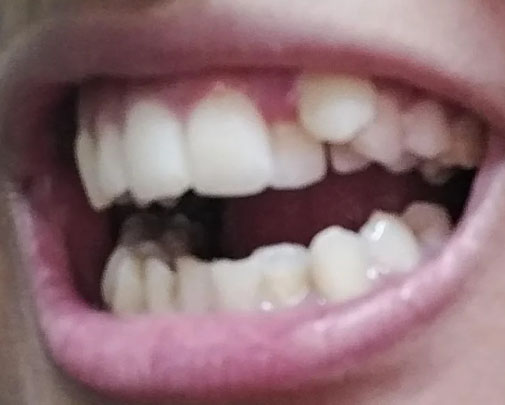
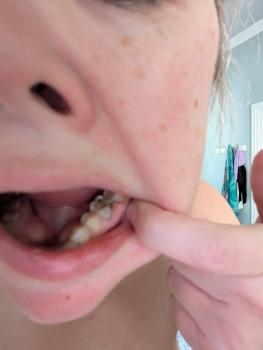
The image shows irregular alignment of upper and lower teeth, with noticeable crowding and bite imbalance. The anterior teeth appear uneven, and posterior teeth show alignment discrepancies that may affect chewing efficiency and long-term oral health.
Clinical Findings (Zoom 100% Analysis)
Tooth Alignment
-
Upper front teeth slightly protruded
-
Lower teeth show crowding and uneven positioning
-
Inconsistent contact between upper and lower teeth
-
Signs of malocclusion affecting bite harmony
Enamel Condition
-
Enamel surfaces appear generally intact
-
No obvious deep cavities visible in this image
-
Mild discoloration likely related to plaque accumulation
Gum & Soft Tissue
-
Gums appear generally healthy
-
No visible swelling or pus
-
Slight redness in some areas due to tooth positioning and plaque retention
Primary Diagnosis
Dental malocclusion with tooth crowding
Secondary Considerations
-
Increased risk of plaque accumulation
-
Difficulty maintaining oral hygiene
-
Potential uneven tooth wear over time
-
Jaw discomfort if left untreated
Additional Dental Guidance: Malocclusion and Tooth Crowding — Causes, Risks, Treatment Options, and Prevention
Understanding Dental Malocclusion and Crowded Teeth
Dental malocclusion refers to a misalignment of the teeth or an abnormal relationship between the upper and lower teeth when the mouth closes. Tooth crowding is a common form of dental misalignment that occurs when there is insufficient space in the dental arch for all the teeth to fit properly.
Crowded teeth may overlap, rotate, tilt, or erupt in an irregular position. Some patients experience only mild cosmetic concerns, while others may have difficulty cleaning between their teeth, biting comfortably, or maintaining healthy gums.
A professional dental assessment is important because the visible position of the teeth does not always reveal the full nature of the bite problem. An orthodontist can evaluate tooth alignment, jaw relationships, available space, and the condition of the surrounding tissues before recommending treatment.
Why Do Teeth Become Crowded?
Several factors can contribute to dental crowding and malocclusion:
1. Genetic and developmental factors
The size and shape of the jaws and teeth are influenced by genetics. When the teeth are relatively large compared with the available jaw space, crowding may develop.
2. Differences in jaw growth
The upper and lower jaws may develop at different rates or have different dimensions. These differences can affect how the teeth meet during biting and chewing.
3. Early loss of baby teeth
When a primary tooth is lost prematurely, neighboring teeth may drift into the space intended for a permanent tooth. This can interfere with the normal eruption and alignment of adult teeth.
4. Delayed or abnormal tooth eruption
Some permanent teeth may erupt in an unusual position or remain trapped beneath the gums. Dental examination and imaging may be necessary to identify the cause.
5. Natural changes over time
Teeth can shift throughout life, including after previous orthodontic treatment. In adults, changes may also be associated with gum disease, missing teeth, or changes in the supporting structures.
What Problems Can Crowded Teeth Cause?
Crowding does not automatically mean that a person has dental disease. However, it can create conditions that make oral care more difficult.
-
Plaque accumulation: Overlapping teeth may create areas that are difficult to reach with a toothbrush or dental floss.
-
Gum inflammation: Plaque left around crowded teeth can contribute to redness, swelling, and bleeding gums.
-
Tooth decay: Areas that are difficult to clean may be more susceptible to cavities.
-
Uneven tooth contact: Certain bite relationships can contribute to abnormal tooth wear or difficulty biting comfortably.
-
Soft-tissue irritation: Some tooth positions may contribute to repeated biting of the cheeks or lips.
-
Appearance concerns: Irregular alignment may affect a person's confidence in their smile.
Crowding alone does not prove that jaw pain, gum recession, or tooth wear will develop. These problems have multiple possible causes and should be evaluated individually.
How Is Malocclusion Diagnosed?
A dentist or orthodontist usually begins with a clinical examination of the teeth, gums, bite, and jaw relationship. Depending on the case, the assessment may include:
-
Medical and dental history: Previous orthodontic treatment, tooth loss, oral habits, symptoms, and relevant health conditions are reviewed.
-
Examination of tooth alignment: The clinician checks for overlapping teeth, rotation, spacing, protrusion, and irregular eruption.
-
Bite assessment: The way the upper and lower teeth meet is examined to identify possible overbite, underbite, crossbite, open bite, or other discrepancies.
-
Dental imaging when indicated: X-rays may help evaluate tooth roots, unerupted teeth, bone support, and jaw relationships.
-
Treatment planning: The clinician considers the severity of crowding, gum health, tooth condition, facial growth, and the patient's goals.
A photograph can illustrate visible alignment concerns, but it cannot establish a complete diagnosis or determine the safest treatment plan on its own.
Treatment Options for Tooth Crowding and Malocclusion
Treatment depends on the severity of the problem, the patient's age, oral health, available space, and the relationship between the jaws.
1. Traditional Metal Braces
Fixed braces use brackets and wires to apply controlled forces that gradually move teeth into planned positions. They can address many types of crowding and bite problems.
2. Ceramic Braces
Ceramic braces work similarly to metal braces but use tooth-colored or less conspicuous brackets. They may be an option for patients who prefer a less noticeable appliance.
3. Clear Aligners
Clear aligners are removable trays designed to move teeth progressively. They may be suitable for selected mild to complex cases, depending on the specific tooth movements required.
Successful treatment requires wearing the aligners as directed and attending scheduled reviews. Not every bite problem can be treated predictably with aligners alone.
4. Interproximal Reduction
Interproximal reduction involves carefully removing a small, planned amount of enamel between selected teeth to create space. It is appropriate only when clinically indicated and should be performed by a qualified dental professional.
5. Tooth Extraction in Selected Cases
When substantial crowding exists, extraction of one or more teeth may sometimes be recommended as part of an orthodontic plan. This decision requires careful evaluation of facial profile, bite, tooth health, available space, and alternative approaches.
Extraction is not automatically necessary for crowded teeth.
6. Expansion or Other Orthodontic Appliances
In selected patients, an orthodontist may recommend an appliance to address a narrow dental arch or a specific jaw-development problem. Suitability depends on age, skeletal development, and the type of malocclusion.
7. Retainers After Treatment
Once active orthodontic treatment is completed, retainers help maintain the corrected tooth positions. Teeth can shift again over time, so following the prescribed retainer schedule is an important part of long-term care.
Why Oral Hygiene Matters Before and During Orthodontic Treatment
Healthy teeth and gums are essential for safe orthodontic care. Braces and aligners do not replace regular preventive dental visits.
Patients should:
-
Brush twice daily with fluoride toothpaste, using a technique suited to their appliance.
-
Clean between the teeth every day with floss, interdental brushes, or another recommended aid.
-
Follow the orthodontist's instructions for cleaning braces or aligners.
-
Limit frequent sugary snacks and drinks.
-
Attend routine dental examinations and professional cleanings as recommended.
-
Have active cavities or gum disease assessed and managed before orthodontic treatment when necessary.
Poor plaque control during orthodontic treatment can contribute to gum inflammation, cavities, and permanent white marks on the enamel. Good hygiene helps protect the teeth while alignment is being corrected.
How Long Does Treatment Take?
Treatment time varies considerably according to the amount of crowding, bite complexity, tooth movement required, appliance type, and patient cooperation.
Some limited cases may take less time, while comprehensive orthodontic treatment can take two years or longer. A general estimate should never be treated as a guaranteed result.
The orthodontist should explain the expected duration, review schedule, treatment objectives, and retention requirements before treatment begins.
When Should You Seek Dental Advice?
Arrange a dental or orthodontic assessment if you notice progressive crowding, difficulty cleaning between teeth, persistent gum bleeding, repeated cheek biting, an uncomfortable bite, or a permanent tooth that appears unable to erupt normally.
Seek urgent dental care if you develop significant facial or gum swelling, fever associated with dental symptoms, pus, or rapidly worsening pain. Difficulty swallowing or breathing, or swelling that threatens the airway, requires emergency medical attention.
Professional Dental Perspective
The goal of orthodontic treatment is not simply to produce straight-looking teeth. Appropriate treatment aims to improve tooth alignment and bite function while protecting the teeth, gums, and supporting bone.
Not every case of crowding requires braces, and not every malocclusion needs correction. The benefits, limitations, risks, costs, and available alternatives should be discussed with a qualified dentist or orthodontist before treatment is chosen.
Educational note: This content is for general dental education and does not replace an individualized examination, diagnosis, or treatment recommendation.
Frequently Asked Questions About Dental Malocclusion and Tooth Crowding
1. What is the difference between malocclusion and tooth crowding?
Malocclusion describes a problem with the alignment of the teeth or the way the upper and lower teeth meet. Crowding is a specific alignment problem in which there is insufficient space for the teeth to fit normally. A patient can have crowding with or without a significant bite problem.
2. Are crowded teeth a serious dental problem?
Not always. Mild crowding may primarily affect appearance, while more pronounced crowding can make cleaning difficult or occur alongside a bite problem. A dentist can assess whether treatment is advisable based on oral health, function, and individual needs.
3. Can crowded teeth cause cavities?
Crowding does not directly cause every cavity, but overlapping teeth can make plaque removal more difficult. Plaque bacteria and frequent exposure to fermentable carbohydrates contribute to tooth decay. Effective brushing, daily interdental cleaning, fluoride toothpaste, and regular dental visits help reduce the risk.
4. Can crowded teeth cause gum disease?
Crowding may make it harder to clean certain areas. If plaque accumulates, it can contribute to gingivitis and, in susceptible patients, periodontal disease. However, crowding alone does not establish that gum disease is present. A periodontal examination is needed to assess gum inflammation and supporting bone.
5. Can adults correct crowded teeth?
Yes. Adults can receive orthodontic treatment, including braces or selected clear-aligner systems. The dentist must first assess the health of the teeth and gums, bone support, bite, and any missing or damaged teeth.
6. Do all crowded teeth need braces?
No. Treatment depends on the severity of crowding, functional problems, oral health, and the patient's preferences. Some patients may benefit from monitoring and preventive care, while others may need comprehensive orthodontic treatment.
7. Are clear aligners better than traditional braces?
Neither option is best for everyone. Clear aligners are removable and less noticeable, but they require consistent wear and may not be suitable for every type of tooth movement. Fixed braces may offer better control for certain complex movements. The appropriate choice depends on the diagnosis and treatment objectives.
8. Will I need to have teeth extracted to fix crowding?
Not necessarily. Some cases can be managed through other orthodontic approaches, depending on available space and the type of tooth movement required. Extractions may be recommended in selected cases with substantial crowding. A clinician should explain why extraction is or is not appropriate for your situation.
9. Does orthodontic treatment hurt?
Patients commonly experience temporary pressure, tenderness, or mild discomfort after braces are fitted or adjusted or when starting a new aligner. This usually improves over several days. Severe pain, worsening symptoms, or persistent discomfort should be reported to the treating dental professional.
10. How long will I need to wear braces?
The duration depends on the complexity of the case and the patient's response to treatment. Many comprehensive treatments take approximately one to two-and-a-half years, although some take less or considerably longer. Your orthodontist can provide an individualized estimate.
11. Can crowded teeth become straight naturally?
Permanent teeth generally do not reliably straighten themselves once significant crowding is established. Some changes occur naturally during growth and tooth eruption, but the direction and extent are unpredictable. Do not attempt to push teeth into position yourself.
12. Can crowded teeth move again after braces?
Yes. Teeth can shift after orthodontic treatment because the supporting tissues and bite continue to adapt and natural changes occur over time. Retainers help maintain alignment, and the orthodontist will advise how often and how long to wear them.
13. Can crowded teeth cause jaw pain or headaches?
Crowding may coexist with bite discrepancies, but it does not necessarily cause jaw pain or headaches. These symptoms can have several causes, including temporomandibular disorders, muscle tension, dental disease, and other conditions. Persistent symptoms deserve a proper clinical assessment rather than an assumption that braces will resolve them.
14. Can I get braces if I have bleeding gums or cavities?
Active tooth decay and gum disease should be evaluated and treated before orthodontic treatment when necessary. Moving teeth without adequate oral-health control can increase the risk of damage. Your dentist or orthodontist will determine when it is safe to proceed.
15. Is it too late to correct crowded teeth after age 40?
Age alone does not rule out orthodontic treatment. Adults can often improve tooth alignment, provided the teeth, gums, bone support, and general treatment circumstances permit it. Treatment planning may differ from that for growing patients.
16. What should I ask the orthodontist during my first consultation?
Consider asking:
-
What type of malocclusion or crowding do I have?
-
Do I need X-rays or other diagnostic records?
-
What are my treatment options, and what are their limitations?
-
Will tooth extraction or enamel reduction be necessary?
-
How long might treatment take?
-
What are the total estimated costs and follow-up fees?
-
What risks should I understand before treatment?
-
What type of retainer will I need afterward?
17. Where can I find a dental clinic for an orthodontic assessment?
You can use the Cebu Dental Implants dental clinic directory to look for dental clinics and contact a provider directly. Ask whether the clinic offers orthodontic assessments and whether the treating dentist has the training and qualifications appropriate for your case.
Final Patient Advice
Crowded teeth and malocclusion are common dental concerns, but the appropriate treatment varies from one patient to another. A professional assessment can help identify the underlying alignment problem, evaluate oral health, and establish a safe, realistic treatment plan.
Early evaluation can be particularly helpful for children with developing bites or teeth that appear unable to erupt normally. Adults can also benefit from an orthodontic consultation when crowding, cleaning difficulties, or bite concerns arise.
Recommended Treatment Process
Step 1: Diagnostic Phase
-
Full dental examination
-
Bite analysis and dental impressions
-
Panoramic or cephalometric X-ray if needed
Step 2: Corrective Treatment
-
Orthodontic treatment (braces or aligners)
-
Interproximal reduction if required
-
Monitoring of bite correction
Step 3: Maintenance Phase
-
Regular scaling and polishing
-
Oral hygiene reinforcement
-
Retainer use after alignment correction
Expected Healing and Correction Timeline
Initial Adjustment Phase
-
Mild discomfort during first 7–14 days
-
Soft tissue adapts to appliances
Alignment Improvement
-
Visible changes within 1–3 months
-
Continued correction over 6–18 months depending on severity
If Untreated Beyond 14 Days
Issues That May Scale Up
-
Progressive tooth wear
-
Increased risk of cavities
-
Gum inflammation and recession
-
Jaw pain or temporomandibular discomfort
-
Higher cost and longer treatment later
Professional Comment
Early correction of malocclusion improves oral hygiene, chewing efficiency, and long-term tooth preservation. Delaying treatment increases complexity and risk.
Visit Nearest Dental Clinic
Find a licensed dental clinic near you using our directory:
https://cebudentalimplants.com/map-dental-clinic
Video :
Related Clinical Cases
Patients with lower front gum inflammation may also experience tartar buildup, periodontal disease, gum abscesses, or tooth decay. Explore these related clinical case studies.
Other topics:
Other Dental Clinic