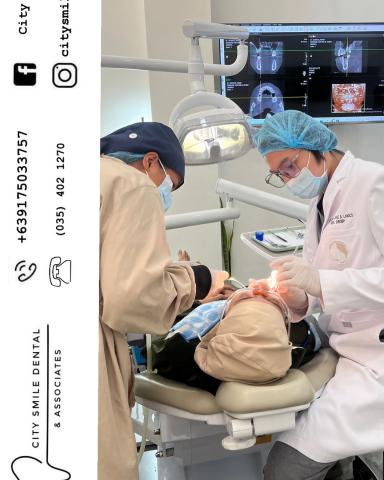
Transforming Smiles, Restoring Confidence.

Dental Implants in the USA: Why Only a Few Can Afford a Better Smile
A Dental Social Study on Missing Teeth, High Costs, and the Need for Affordable Dental Care
A beautiful smile is something many people dream of. However, for millions of Americans living with missing teeth, damaged teeth, or advanced dental problems, getting dental implants and full-mouth reconstruction can be financially difficult.
Dental implants can provide a better smile and restore chewing function, but their high cost means that only some people can afford this treatment.
While modern dentistry offers advanced solutions, many people continue to live without teeth, struggle with damaged smiles, or delay dental treatment because of financial limitations.
This page explores the social and financial challenges of dental implants in the United States.
1. Why Dental Implants Are a Privilege for Many Americans
Dental implants are among the most advanced options for replacing missing teeth. They can help restore appearance, chewing ability, and confidence.
However, the cost of treatment can be a major barrier.
A single dental implant in the United States may cost several thousand dollars. Full-mouth reconstruction involving multiple implants can cost tens of thousands of dollars or more.
For families living on a limited income, these expenses may be difficult to manage.
Why some people cannot afford implants
-
High dental treatment costs.
-
Limited dental insurance coverage.
-
Annual insurance benefit limits.
-
Additional costs for bone grafting and other procedures.
-
Household expenses, housing, food, and healthcare priorities.
-
Lack of access to affordable dental clinics.
As a result, dental implants may be available to many patients medically, but not financially.
2. How Many Americans Are Living Without Teeth?
Tooth loss remains an important public health issue in the United States.
Millions of adults have lost teeth, and some older adults have lost all of their natural teeth. Tooth loss can affect eating, speaking, confidence, and quality of life.
However, not everyone who has missing teeth chooses or can afford dental implants.
Some people use dentures, some delay treatment, and others continue living with missing teeth for years.
Why people may remain without teeth
-
The cost of dental implants is too high.
-
They cannot afford regular dental treatment.
-
They have untreated cavities or gum disease.
-
They have lost confidence in visiting a dentist.
-
They lack adequate dental insurance.
-
They may not know about available treatment options.
Missing teeth are not always a personal choice. For many people, financial circumstances and access to dental care play an important role.
3. The Problem of Neglected Teeth
When dental problems are ignored for a long time, the condition of the mouth may become more complicated.
Untreated tooth decay, gum disease, and missing teeth can contribute to further dental problems.
Possible effects of neglected dental care
-
More extensive tooth decay.
-
Gum inflammation and advanced periodontal disease.
-
Tooth loss.
-
Difficulty chewing food.
-
Changes in the appearance of the smile.
-
Reduced confidence in social situations.
-
More complicated restorative treatment.
Can missing teeth change the shape of the face?
Yes, long-term tooth loss can contribute to changes in facial appearance.
When teeth are lost, the jawbone in the area may gradually shrink because it no longer receives the same stimulation from tooth roots. This can contribute to changes in the support of the lips and cheeks.
However, facial changes vary from person to person. Not every person with missing teeth develops obvious facial deformity.
Early dental care and appropriate tooth replacement may help protect oral function and appearance.
4. Dental Implant Cost in the United States
The following are broad illustrative cost ranges. Actual prices vary by dentist, location, treatment complexity, and materials.
| Treatment | Approximate cost |
|---|---|
| Single dental implant | $3,000–$6,000 |
| Full-arch reconstruction, one arch | $20,000–$45,000+ |
| Full-mouth reconstruction, both arches | May exceed $40,000–$90,000+ |
These are not fixed national prices. A complete treatment plan may include examinations, imaging, extractions, bone grafting, temporary teeth, and final restorations.
Why full-mouth reconstruction is expensive
Full-mouth reconstruction may involve:
-
Multiple dental implants.
-
Tooth extractions.
-
Bone grafting.
-
Sinus lift procedures.
-
Temporary teeth.
-
Permanent crowns or bridges.
-
Digital scanning and treatment planning.
-
Several dental appointments.
The total cost depends on the patient's oral health and the treatment plan.
5. Dental Insurance and the Financial Gap
Dental insurance may help with certain procedures, but coverage for implants and major restorative treatment varies widely.
Some plans may exclude implants or cover only selected portions of treatment. Annual benefit limits may also leave patients paying substantial out-of-pocket costs.
For many Americans, this creates a difficult choice:
Pay for essential household expenses or save money for major dental treatment.
Affordable financing, dental discount plans, community clinics, and appropriate insurance may help some patients access care.
6. Dental Implants and Full-Mouth Reconstruction Across All 50 U.S. States
The demand for dental implants and restorative dentistry exists across the United States. However, treatment prices, dentist availability, insurance coverage, and access to affordable care can vary between states and local communities.
Northeast Region
-
Connecticut
-
Maine
-
Massachusetts
-
New Hampshire
-
New Jersey
-
New York
-
Pennsylvania
-
Rhode Island
-
Vermont
Midwest Region
-
Illinois
-
Indiana
-
Iowa
-
Kansas
-
Michigan
-
Minnesota
-
Missouri
-
Nebraska
-
North Dakota
-
Ohio
-
South Dakota
-
Wisconsin
South Region
-
Alabama
-
Arkansas
-
Delaware
-
Florida
-
Georgia
-
Kentucky
-
Louisiana
-
Maryland
-
Mississippi
-
North Carolina
-
Oklahoma
-
South Carolina
-
Tennessee
-
Texas
-
Virginia
-
West Virginia
West Region
-
Alaska
-
Arizona
-
California
-
Colorado
-
Hawaii
-
Idaho
-
Montana
-
Nevada
-
New Mexico
-
Oregon
-
Utah
-
Washington
-
Wyoming
Dental Care in Every State
Whether someone lives in California, Texas, Florida, New York, or a smaller rural community, access to dental care is important.
People across all 50 states may need:
-
Dental implants.
-
Dentures.
-
Root canal treatment.
-
Tooth extraction.
-
Gum disease treatment.
-
Full-mouth reconstruction.
-
Affordable dental consultations.
The challenge is not simply whether treatment exists. The challenge is whether patients can afford it and access the care they need.
7. The Future of Affordable Dental Care
Modern dentistry continues to improve through digital scanning, 3D treatment planning, and advanced implant technology.
These developments may improve treatment planning and patient care. However, technological progress does not automatically make treatment affordable for everyone.
More affordable dental services, better public awareness, and improved access to preventive care remain important.
What can help?
-
Regular dental checkups.
-
Early treatment of cavities.
-
Prevention and treatment of gum disease.
-
Affordable dental insurance.
-
Community dental programs.
-
Transparent dental pricing.
-
Patient education.
-
Financial assistance and payment options.
8. A Message to Americans Living With Missing Teeth
If you are living with missing teeth, you are not alone.
Many people experience tooth loss because of decay, gum disease, accidents, aging, or financial difficulties.
Dental implants are one possible treatment option, but they are not the only solution. Dentures, bridges, and other restorative treatments may be appropriate depending on your situation.
A dentist can evaluate your oral health and explain which options may be suitable for you.
Everyone deserves access to dental care, regardless of income.
A better smile should not be a privilege available only to the wealthy. Affordable, accessible dental treatment can help more people restore their oral health, confidence, and quality of life.
Dental Social Study: Important Statistics
The U.S. dental implant market is often estimated in the billions of dollars, and hundreds of thousands of implant procedures may be performed annually. However, market size and procedure estimates vary depending on the source and definition used.
The cost figures on this page are illustrative estimates, not verified national averages. More detailed statistics should be supported by current CDC, ADA, government, or peer-reviewed research.
Conclusion
Dental implants and full-mouth reconstruction offer valuable solutions for people with missing or damaged teeth. Yet high treatment costs can prevent many Americans from accessing these services.
The goal of dental education should be to explain the available treatments, raise awareness about oral health, and encourage affordable dental care for everyone.
A healthy smile should be accessible to all Americans.
Related Clinical Cases
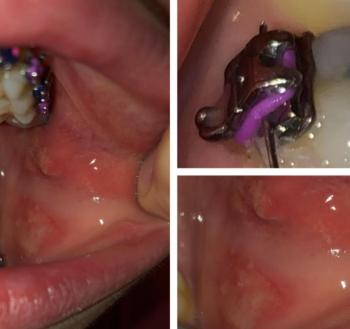
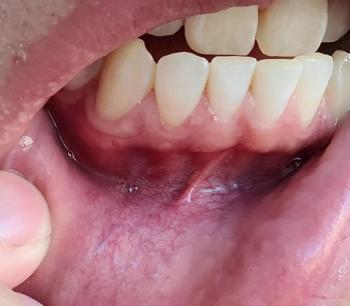
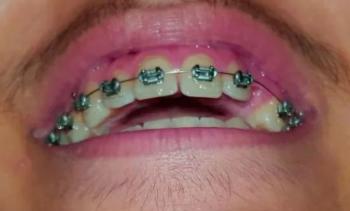
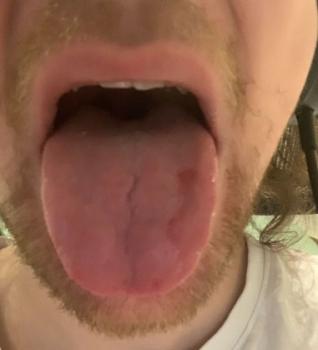
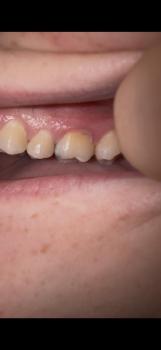
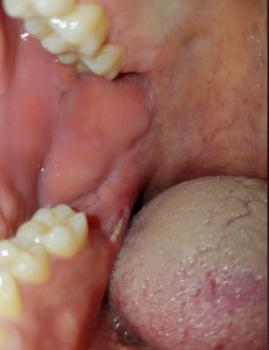
Patients with lower front gum inflammation may also experience tartar buildup, periodontal disease, gum abscesses, or tooth decay. Explore these related clinical case studies.


Other topics:
Other Dental Clinic