Because Every Tooth Deserves Care.

Dental Implant Procedure in the Philippines: Step-by-Step Guide
A dental implant procedure in the Philippines involves several stages, from the initial dental examination and 3D imaging to implant placement, healing, and the final crown.
The exact treatment process varies depending on the patient's oral health, jawbone condition, number of missing teeth, and type of implant restoration.
Dental implant treatment is available in major Philippine cities, including Manila, Cebu, Davao, and other regional centers.
What Is a Dental Implant?
A dental implant is a small medical device, usually made from titanium, that is placed into the jawbone to replace the root of a missing tooth.
After the implant has healed, it can support an abutment and dental crown, creating a replacement tooth.
A simplified treatment sequence is:
Consultation → 3D imaging → Implant placement → Healing → Abutment → Crown
Step 1: Dental Consultation and 3D Imaging
The first stage is a comprehensive dental examination.
Your dentist may examine:
-
Gums and remaining teeth
-
Jawbone condition
-
Bite and tooth alignment
-
The location of nerves
-
Sinus position for upper-jaw implants
A CBCT (Cone Beam Computed Tomography) scan may be recommended to provide a three-dimensional view of the jaw.
The scan can help the dentist plan the implant position and identify anatomical structures that need to be considered during surgery.
Treating Existing Dental Problems
Any active dental problems may need to be addressed before implant placement.
These can include:
-
Gum disease
-
Tooth decay
-
Infected teeth
-
Teeth that require extraction
Patients with insufficient bone may also require bone grafting or a sinus lift, depending on the location and condition of the implant site.
Step 2: Implant Placement Surgery
Once the treatment plan is finalized, the implant fixture is placed into the jawbone.
The procedure is commonly performed using local anesthesia. Sedation may be available for appropriate patients.
During surgery, the dentist prepares the implant site and places the implant fixture into the bone.
The implant acts as an artificial tooth root.
Depending on the treatment plan, the gum may be closed over the implant while it heals, or an appropriate healing component may be placed at the same appointment.
Temporary Tooth
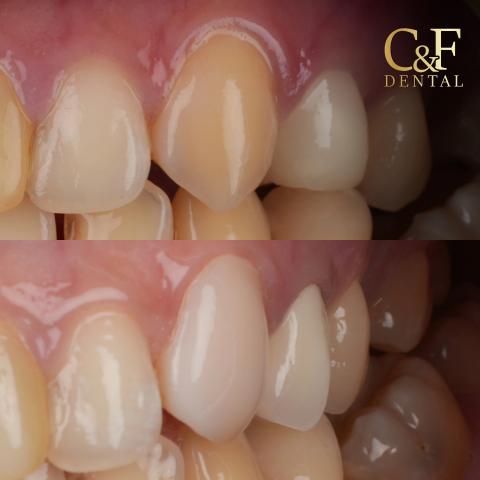
For some patients, a temporary tooth or provisional restoration may be provided, particularly when an implant replaces a visible front tooth.
Whether a temporary tooth can be placed immediately depends on factors such as implant stability, bite forces, bone condition, and the dentist's treatment plan.
Step 3: Implant Healing and Osseointegration
After implant placement, the implant needs time to integrate with the surrounding jawbone.
This biological process is called osseointegration.
Healing time varies between patients and treatment situations. A commonly used timeframe is several months, although some cases may follow different protocols.
During this period, your dentist may schedule follow-up appointments to monitor healing.
Patients should follow their dentist's instructions regarding:
-
Oral hygiene
-
Diet
-
Physical activity
-
Medications
-
Follow-up appointments
Step 4: Abutment Placement
Once the implant has adequately healed and is considered stable, the next stage involves the abutment.
The abutment is a connector between the dental implant and the final crown.
Depending on the surgical technique, the abutment or healing component may have been placed during the original implant surgery.
In other cases, a minor procedure may be required to expose the implant and attach the abutment.
The surrounding gum tissue is then allowed to heal before the final restoration is completed.
Step 5: Dental Crown Fabrication
After the implant and surrounding tissues are ready, your dentist records the shape and position of the implant.
This may involve:
-
Digital intraoral scanning
-
Traditional dental impressions
-
Bite registration
-
Shade selection
The information is sent to a dental laboratory where the final crown is manufactured.
Common crown materials include ceramic-based restorations and zirconia.
Step 6: Final Crown Placement
The completed crown is attached to the implant through the abutment.
Depending on the restoration design, the crown may be screw-retained or cement-retained.
Your dentist checks:
-
Bite
-
Crown shape
-
Appearance
-
Contact with neighboring teeth
-
Comfort during chewing
Small adjustments may be made before the treatment is considered complete.
How Long Does a Dental Implant Take?
Dental implant treatment does not always happen in one appointment.
A conventional treatment may follow this general timeline:
Day 1: Consultation and examination
Early treatment: CBCT and treatment planning
Surgery: Implant placement
Following months: Implant healing
Later appointment: Abutment/restoration stage
Final appointment: Crown placement
The actual timeline varies considerably.
Bone grafting, sinus procedures, multiple implants, extractions, and other treatments can extend the process.
Can Dental Implants Be Completed Quickly?
Some patients may qualify for immediate implant placement or immediate loading.
However, these approaches are not suitable for every patient.
The decision depends on factors such as:
-
Bone quality and quantity
-
Implant stability
-
Infection
-
Bite forces
-
Location of the missing tooth
-
Overall treatment plan
A dentist should determine whether an accelerated treatment protocol is appropriate.
Dental Implant Treatment for International Patients
Patients traveling to the Philippines for dental treatment should plan carefully.
A conventional implant treatment may require more than one treatment period because the implant needs time to heal before the final restoration.
Some patients may therefore need:
First visit: Examination, surgery, and temporary restoration if appropriate
Healing period: Several weeks or months
Second visit: Final impressions/scanning and crown placement
The exact schedule should be confirmed with the dental clinic before booking flights and accommodation.
Choosing a Dental Implant Clinic
When comparing dental implant clinics in the Philippines, consider more than the advertised price.
Ask about:
-
Dentist's qualifications and implant training
-
Implant system and brand
-
CBCT availability
-
Sterilization procedures
-
Dental laboratory used
-
Type of crown material
-
Follow-up care
-
What happens if additional treatment is required
You can also request a written treatment plan and complete quotation before beginning treatment.
Dental Implant Aftercare
After receiving an implant, maintaining good oral hygiene is important.
Your dentist may recommend:
-
Regular brushing
-
Cleaning between teeth
-
Specialized cleaning around implant-supported restorations
-
Regular dental examinations
-
Professional cleaning when necessary
Although dental implants are designed for long-term use, they still require proper maintenance.
Frequently Asked Questions
Is dental implant surgery painful?
The procedure is performed with anesthesia to control pain during surgery. Some discomfort, swelling, or tenderness can occur during the recovery period.
How many months does a dental implant take?
Many conventional treatments take several months because the implant needs time to integrate with the jawbone. The exact timeline depends on the patient's treatment.
Do I need a CBCT scan?
Not every patient requires exactly the same diagnostic tests, but CBCT imaging is commonly used when detailed three-dimensional planning is needed.
Can I get a temporary tooth?
Some patients can receive a temporary restoration. This depends on implant stability, location, bite, and other clinical factors.
Can I have the entire procedure during one trip?
Some treatment protocols can reduce the number of visits, but conventional implant treatment often requires a healing period before the final crown is placed. Discuss the timeline with the treating dentist before traveling.
Conclusion
The dental implant procedure in the Philippines generally consists of several stages:
1. Consultation and examination
2. 3D imaging and treatment planning
3. Implant placement
4. Osseointegration and healing
5. Abutment placement when required
6. Crown fabrication
7. Final crown placement
The treatment timeline and number of appointments depend on your individual dental condition.
Before starting treatment, ask your dentist for a detailed treatment plan explaining the implant system, surgical procedures, expected healing period, final restoration, total cost, and follow-up schedule.
Related Clinical Cases
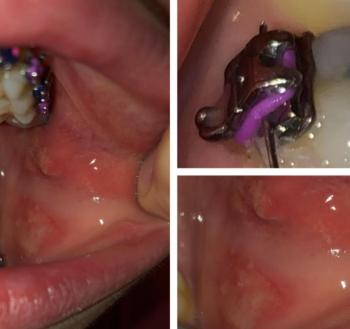
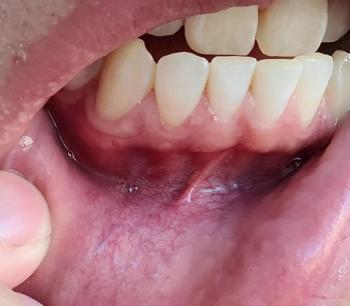
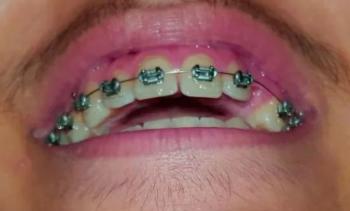
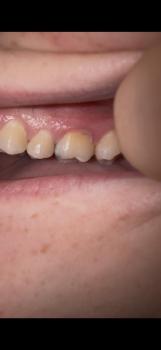
Patients with lower front gum inflammation may also experience tartar buildup, periodontal disease, gum abscesses, or tooth decay. Explore these related clinical case studies.


Other topics:
Other Dental Clinic