Strong Teeth, Fresh Breath, Brighter You.

Common Dental Problems in the Philippines by Age: Baby, Kids, Teens, Adults & Seniors
Baby
Dental problems can begin soon after the first baby teeth appear. Parents should start paying attention to oral health early.
Common dental problems in babies include:
-
Teething discomfort
-
Early childhood tooth decay
-
Baby bottle tooth decay
-
Gum irritation
-
Tooth injuries
-
Oral infections
-
Poor oral hygiene
Baby Bottle Tooth Decay
Baby teeth can develop cavities when they are frequently exposed to sugary liquids. Parents should avoid putting a baby to sleep with a bottle containing sugary drinks.
Parents should also begin cleaning the baby's mouth and teeth as soon as teeth appear.
When Should a Baby See a Dentist?
An early dental visit can help parents learn about proper brushing, fluoride use, feeding habits, and cavity prevention.
Kids
Children are commonly affected by tooth decay because brushing habits and food choices are still developing.
Common dental problems in children include:
-
Cavities
-
Toothache
-
Gum inflammation
-
Dental abscess
-
Broken or chipped teeth
-
Early tooth loss
-
Crowded teeth
-
Bite problems
-
Dental anxiety
Cavities in Children
Frequent consumption of candies, sweetened drinks, biscuits, and other sugary foods can increase the risk of tooth decay.
Parents should watch for:
-
White or brown spots on teeth
-
Holes in teeth
-
Tooth sensitivity
-
Toothache
-
Bad breath
-
Swollen gums
-
Pain when eating
Early treatment may prevent a small cavity from developing into a more serious dental problem.
Teenagers
Teenagers experience several dental changes as they become more independent.
Common dental problems include:
-
Cavities
-
Gum inflammation
-
Plaque buildup
-
Bad breath
-
Crooked teeth
-
Crowded teeth
-
Orthodontic problems
-
Tooth sensitivity
-
Sports-related dental injuries
-
Wisdom tooth problems
Braces and Dental Hygiene
Teenagers wearing braces need to pay extra attention to brushing and cleaning between their teeth.
Food and plaque can become trapped around brackets and wires, increasing the risk of cavities and gum problems.
Wisdom Teeth
Wisdom teeth commonly begin developing or erupting during the teenage years and early adulthood.
Some people have enough space for their wisdom teeth to grow normally. Others may develop impacted wisdom teeth.
A dentist can determine whether wisdom teeth should be monitored or treated.
Young Adults and Adults
Dental problems can change as people enter adulthood.
Common concerns include:
-
Cavities
-
Gum disease
-
Gum recession
-
Tooth sensitivity
-
Cracked teeth
-
Tooth wear
-
Missing teeth
-
Wisdom tooth problems
-
Bad breath
-
Tooth discoloration
-
Problems with old dental fillings or restorations
Gum Disease
Gum disease can develop gradually and may not cause significant pain in its early stages.
Possible warning signs include:
-
Bleeding gums
-
Red or swollen gums
-
Persistent bad breath
-
Tender gums
-
Gum recession
-
Loose teeth
Untreated gum disease can eventually contribute to bone loss and tooth loss.
Middle Age
Middle age can be an important period for protecting natural teeth and gums.
Years of accumulated plaque, previous dental problems, tooth grinding, smoking, dietary habits, and untreated gum disease can contribute to dental problems.
Common dental problems include:
-
Gum disease
-
Gum recession
-
Tooth loss
-
Cracked teeth
-
Tooth sensitivity
-
Tooth wear
-
Root exposure
-
Cavities around old fillings
-
Missing teeth
-
Bone loss around teeth
-
Teeth grinding
-
Dry mouth
Missing Teeth
Missing teeth can affect chewing, speech, appearance, and the position of neighboring teeth.
Depending on the patient's condition, tooth replacement options may include:
-
Dental implants
-
Dental bridges
-
Dentures
A dentist may evaluate the teeth, gums, bone support, bite, and overall oral health before recommending treatment.
Older Adults and Seniors
Dental care remains important throughout later life.
Older adults may experience several dental problems at the same time.
Common dental problems include:
-
Tooth loss
-
Gum disease
-
Root cavities
-
Dry mouth
-
Tooth sensitivity
-
Cracked teeth
-
Worn teeth
-
Loose teeth
-
Denture problems
-
Difficulty chewing
-
Oral infections
Root Decay
As gums recede, the roots of teeth can become exposed.
Exposed root surfaces are more vulnerable to decay than the enamel-covered crown of a tooth.
Good brushing, fluoride use, professional dental care, and appropriate dietary habits can help protect exposed root surfaces.
Dental Problems by Age
| Age | Common Dental Problems |
|---|---|
| Baby | Teething, early tooth decay, gum irritation |
| Kids | Cavities, toothache, gum problems, dental injuries |
| Teenagers | Cavities, braces-related problems, gum inflammation, wisdom teeth |
| Young Adults | Cavities, gum disease, wisdom teeth, tooth wear |
| Middle Age | Gum disease, gum recession, cracked teeth, missing teeth |
| Older Adults | Tooth loss, root decay, dry mouth, gum disease |
| Seniors | Tooth loss, dentures, root cavities, loose teeth, oral infections |
Why Dental Problems Can Become Serious
Many dental problems become worse when treatment is delayed.
A possible progression can be:
Small cavity
Deeper tooth decay
Nerve involvement
Dental infection
Dental abscess
Possible tooth loss
Not every dental problem follows this progression, but early diagnosis can provide more opportunities to preserve the natural tooth.
Depending on the diagnosis, treatment may include:
-
Dental filling
-
Professional dental cleaning
-
Root canal treatment
-
Dental crown
-
Gum treatment
-
Tooth extraction
-
Dental bridge
-
Denture
-
Dental implant
The appropriate treatment depends on the patient's individual dental condition.
When Should You See a Dentist?
Consider seeing a dentist if you experience:
-
Persistent toothache
-
Swollen gums
-
Facial swelling
-
Bleeding gums
-
Loose adult teeth
-
Persistent bad breath
-
Tooth sensitivity
-
Broken or cracked teeth
-
Difficulty chewing
-
Missing teeth
-
Pus around the gums
-
Repeated dental infections
Significant facial swelling, difficulty breathing or swallowing, uncontrolled bleeding, or signs of a spreading infection require urgent professional attention.
How to Protect Your Teeth at Every Age
Brush Regularly
Brush your teeth with fluoride toothpaste and use proper brushing technique.
Clean Between Your Teeth
Floss or use an appropriate interdental cleaning method.
Reduce Frequent Sugar Exposure
Limit frequent consumption of sugary foods and drinks.
Do Not Ignore Bleeding Gums
Regular bleeding while brushing should be evaluated by a dental professional.
Protect Your Teeth During Sports
A properly fitted mouthguard can help reduce the risk of dental injuries.
Visit Your Dentist Regularly
Regular dental examinations can identify problems before they become severe.
Treat Dental Problems Early
Early treatment may help prevent a small dental problem from becoming a more complicated condition.
Frequently Asked Questions
What are the most common dental problems in the Philippines?
Tooth decay and gum disease are among the major dental concerns. The most common problems can vary depending on age, oral hygiene, diet, lifestyle, and access to dental care.
At what age should a child visit a dentist?
Children should have an early dental visit rather than waiting until they develop tooth pain. A dentist can provide guidance about brushing, fluoride, diet, and tooth development.
Why do children get cavities?
Frequent sugar exposure, plaque buildup, inadequate brushing, and other factors can contribute to tooth decay.
Why do my gums bleed when I brush?
Bleeding gums can be associated with gum inflammation caused by plaque. Persistent bleeding should be evaluated by a dentist.
Is it normal for teeth to become loose with age?
Loose adult teeth are not simply a normal part of aging. Gum disease, bone loss, infection, trauma, and other dental conditions can cause teeth to become loose.
Is tooth loss normal in old age?
Tooth loss becomes more common as people get older, but it should not automatically be considered an unavoidable part of aging. Preventive dental care can help preserve natural teeth.
Can a missing tooth be replaced?
Depending on the patient's condition, a missing tooth may be replaced with a dental implant, bridge, or denture.
Can older adults get dental implants?
Age alone does not automatically prevent someone from receiving dental implants. A dentist needs to evaluate bone support, gum health, oral hygiene, existing teeth, and overall suitability for treatment.
Final Message
Dental needs change throughout life.
Babies need protection from early tooth decay. Children need good brushing habits and cavity prevention. Teenagers need attention to cavities, braces, gum health, and wisdom teeth. Adults need to protect their gums and natural teeth. Older adults may require additional attention to tooth loss, root decay, dentures, and dry mouth.
Do not wait until severe dental pain develops before seeking professional care.
Early dental evaluation can help identify problems and provide treatment before they become more complicated.
Related Clinical Cases
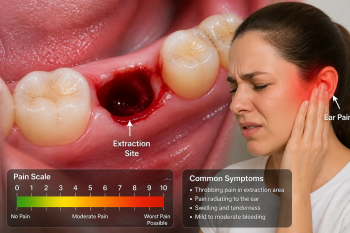
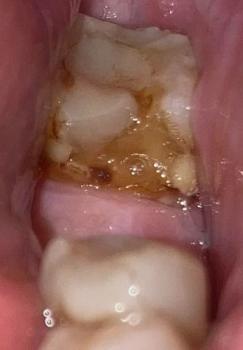
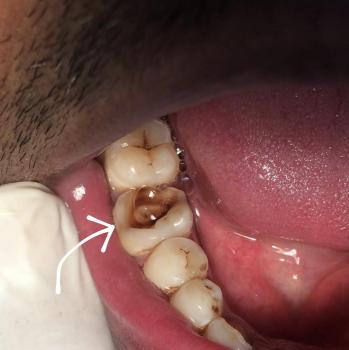
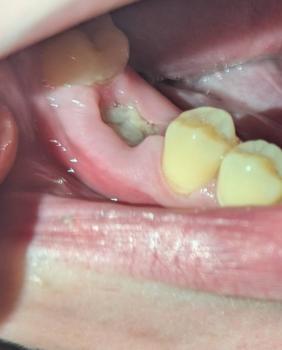
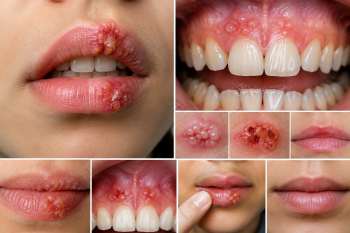
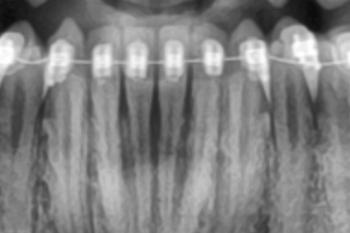
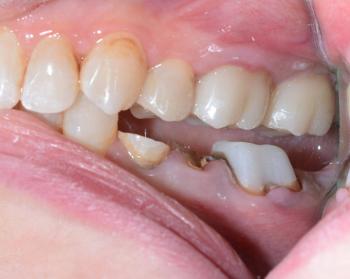
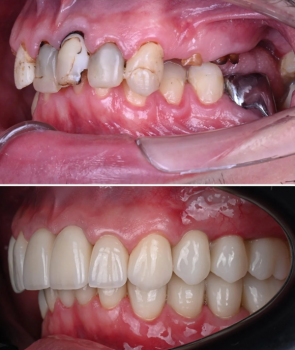
Patients with lower front gum inflammation may also experience tartar buildup, periodontal disease, gum abscesses, or tooth decay. Explore these related clinical case studies.
Other topics:
Other Dental Clinic
 |
 |
 |
 |