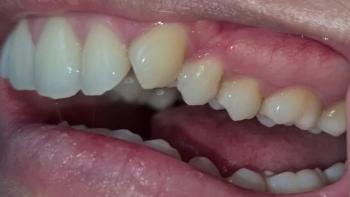
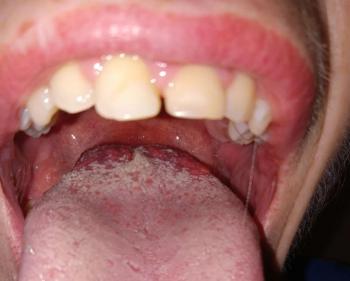
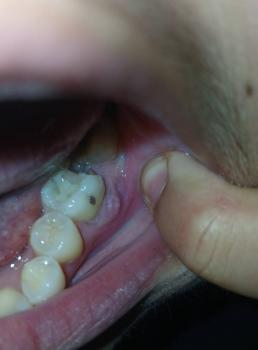
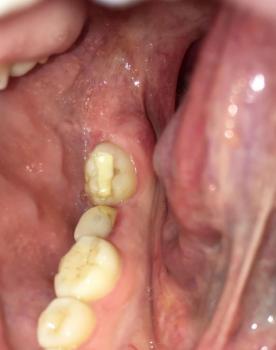
Dentures That Feel Natural, Look Beautiful.

Broken Tooth Root Symptoms: Signs, Causes & Treatment
A broken tooth root can occur after dental trauma, severe tooth decay, a previous extraction, or a fracture extending below the gumline. Sometimes a fractured root causes immediate pain and swelling. In other cases, a small retained root fragment can remain underneath the gum and produce few symptoms for months or even years.
Recognizing the signs of a broken or retained tooth root is important because untreated infection around a root fragment can contribute to pain, swelling, bone loss, and dental abscess formation.
Common Symptoms of a Broken Tooth Root
The symptoms depend on where the fracture occurred, whether the root is exposed, and whether the dental pulp or surrounding tissues have become infected.
| Symptom | What You May Notice | Possible Cause |
|---|---|---|
| Sharp or jagged area | A sharp edge may be felt with the tongue | Fractured tooth structure exposed near the gum |
| Pain when biting | Pain or pressure when chewing | Inflammation around the tooth root |
| Sensitivity to hot or cold | Brief or sharp sensitivity | Exposed dentin or inflammation of the pulp |
| Persistent dull ache | Ongoing localized discomfort | Inflammation or infection around the root |
| Gum swelling | Swollen or tender tissue near the tooth | Local inflammation or infection |
| Gum pimple | Small bump that may drain fluid or pus | Possible dental abscess or draining sinus tract |
| Bleeding or irritated gums | Localized bleeding or redness | Trauma, inflammation, or infection |
| Loose tooth fragment | Part of the tooth moves when touched | Fracture or loss of supporting structure |
| Bad taste or drainage | Foul taste or fluid from the gum | Possible infection and drainage |
| Fever or facial swelling | Fever, swelling, or feeling unwell | Potentially spreading infection requiring urgent care |
A Broken Root Does Not Always Hurt
One of the most important things to understand is that a retained or fractured root may sometimes have few or no obvious symptoms.
If the visible crown breaks away but the root remains underneath the gum, the patient may assume the problem has disappeared because the original pain is gone. However, bacteria can potentially enter through damaged tooth structure, or an existing infection can remain around the root.
A dental examination and X-ray are often necessary to determine whether a root fragment remains.
What Causes a Broken Tooth Root?
Several situations can result in root fracture or retained root fragments.
Severe Tooth Decay
Extensive decay can weaken the tooth until the crown breaks away, leaving portions of the root below the gumline.
Dental Trauma
Falls, sports injuries, vehicle accidents, and blows to the face can fracture teeth or their roots.
Previous Tooth Extraction
During an extraction, a root tip can occasionally separate from the rest of the tooth. Whether a retained fragment needs removal depends on its size, location, infection status, proximity to important structures, and other clinical factors.
Large or Previously Restored Teeth
Teeth with extensive fillings, crowns, or previous dental treatment can have weakened structures and may be more susceptible to fracture.
Root Canal–Treated Teeth
A tooth that has undergone root canal treatment can fracture, particularly when substantial tooth structure has been lost.
How Is a Broken Tooth Root Diagnosed?
A dentist usually begins with a clinical examination and dental X-rays.
Depending on the situation, diagnostic imaging may include:
- Periapical X-rays
- Multiple-angle dental radiographs
- Panoramic X-rays
- Cone-beam computed tomography (CBCT) in selected complex cases
The dentist may also check:
- Tooth mobility
- Tenderness to biting or percussion
- Gum swelling
- Drainage or a fistula
- Periodontal probing
- Pulp vitality when appropriate
- The location and direction of the suspected fracture
An X-ray is particularly important when the root fragment is hidden beneath the gum.
Treatment for a Broken Tooth Root
Treatment depends on whether the tooth can be saved and the condition and location of the fractured root.
Root Canal Treatment
If the tooth is structurally restorable and the fracture does not make the tooth hopeless, root canal treatment may sometimes be used to treat infected or damaged pulp tissue.
The tooth may subsequently require a crown or another restoration.
Surgical Root Removal
A root fragment that cannot be removed conventionally may require a surgical procedure.
The dentist or oral surgeon may need to:
- Numb the area with local anesthesia.
- Access the root through the gum.
- Remove a small amount of bone when necessary.
- Divide the root into sections if required.
- Remove the fractured pieces.
- Clean the surgical site.
- Place sutures when appropriate.
The exact procedure depends on the tooth's anatomy and the position of the fragment.
Extraction of the Remaining Tooth
If the entire tooth is severely fractured or cannot be predictably restored, extraction may be recommended.
After extraction, the dentist may discuss options such as:
- Dental implant
- Fixed bridge
- Removable partial denture
- Socket preservation or bone grafting when appropriate
Example Clinical Case: Retained Root Fragment
Consider a patient who experienced a crown fracture several years ago. The visible portion of the tooth eventually broke away, leaving a root fragment underneath the gum.
The patient later develops:
- Dull intermittent pain
- Discomfort when chewing
- Localized gum tenderness
A dental X-ray reveals a retained root fragment and an area of bone change around the root tip.
Depending on the clinical findings, the dentist may recommend surgical removal of the retained root and treatment of any associated infection.
Illustrative U.S. Cost Example
A hypothetical cash-pay treatment could include:
- Dental examination and X-ray: $140
- Surgical removal of root fragment: $380
- Additional medications if indicated: Variable
- Illustrative total: approximately $520
Actual costs vary substantially by location, dentist, complexity, insurance coverage, and whether additional treatment is required.
Broken Root After Facial Trauma
A root fracture following an accident can present differently.
A patient may experience:
- Significant tenderness
- Tooth mobility
- Pain when biting
- Gum swelling
- Discoloration
- Infection around the fractured area
Root fractures do not automatically mean that the tooth must be extracted. The prognosis depends on factors such as the fracture's location, displacement of the segments, pulp status, periodontal support, and the patient's overall clinical situation.
A dentist or endodontist should evaluate the tooth before deciding whether extraction, endodontic treatment, stabilization, or another approach is appropriate.
When Is a Broken Tooth Root an Emergency?
Seek urgent dental evaluation if you develop:
- Severe or rapidly worsening tooth pain
- Facial swelling
- Significant gum swelling
- Pus or persistent drainage
- Fever associated with dental symptoms
- A tooth that becomes suddenly loose after trauma
- Significant bleeding
- A major facial injury
Go to an Emergency Department Immediately If:
- You are having difficulty breathing.
- You are having difficulty swallowing.
- Swelling is rapidly spreading into the neck or floor of the mouth.
- You have signs of a serious systemic infection.
- A facial injury may have caused a major fracture or other medical emergency.
A hospital emergency department can stabilize serious medical complications, while definitive dental treatment may require a dentist, endodontist, oral surgeon, or other dental specialist.
Can a Broken Tooth Root Heal on Its Own?
It depends on the type and location of the fracture.
Some traumatic root fractures can be managed conservatively, particularly when the fracture is favorable and the tooth remains stable and healthy. Other fractures, especially those associated with severe infection or an unrestorable tooth, may have a poor prognosis.
Do not assume that the absence of pain means the root has healed. A dental examination and appropriate imaging are needed to determine what is happening.
Key Takeaways
- A broken tooth root can cause pain, chewing sensitivity, swelling, mobility, or infection.
- Some retained root fragments can remain relatively symptom-free.
- Dental X-rays are often necessary to locate a root fragment beneath the gum.
- Not every fractured root automatically requires extraction.
- Treatment can include monitoring, endodontic treatment, surgical root removal, or extraction, depending on the clinical situation.
- Severe facial swelling, difficulty breathing or swallowing, or systemic illness requires urgent medical attention.
Frequently Asked Questions
What does a broken tooth root feel like?
It may feel like localized pain when biting, tenderness around the gum, sensitivity, tooth mobility, or a sharp area where the tooth has fractured. Some retained roots may cause little or no noticeable sensation.
Can a broken root cause an abscess?
Yes. A fractured or retained root can be associated with bacterial infection and may contribute to an abscess, particularly when the pulp is infected or dead.
Can a dentist remove a broken root?
Yes. Depending on its position and anatomy, a dentist or oral surgeon may remove it using conventional extraction techniques or a surgical approach.
How do I know if part of my tooth root is still in my gum?
You generally cannot determine this reliably by looking at the gum. A dental examination and X-ray can identify retained root fragments.
Should a painless broken root be removed?
Not necessarily in every case. The decision depends on the fragment's location, infection status, symptoms, surrounding bone, proximity to nerves or other structures, and the risks and benefits of removal.
Disclaimer: This page provides general dental information and illustrative pricing. It is not a diagnosis or individualized treatment recommendation. A dentist should evaluate any suspected broken or retained tooth root.
Related Clinical Cases
Patients with lower front gum inflammation may also experience tartar buildup, periodontal disease, gum abscesses, or tooth decay. Explore these related clinical case studies.