Your Smile, Perfected with Precision.

Why Do My Gums Bleed? Causes, Treatment & When to See a Dentist
Gingival hemorrhage during toothbrushing or interdental cleaning is one of the most frequent clinical presentations in dentistry. While frequently normalized or dismissed by patients as minor irritation, bleeding gums serve as an explicit physiological warning sign of underlying vascular and inflammatory pathology within the periodontium.
Phase 1: Expert Dental Diagnosis — Why Do Gums Bleed?
From a diagnostic perspective, healthy gingivae do not bleed during mechanical stimulation. The onset of hemorrhage indicates that the epithelial lining of the gingival sulcus has undergone ulceration, making the underlying microvasculature vulnerable to trauma. The primary differential diagnoses evaluated by a clinician include:
-
Gingivitis (Plaque-Induced)
-
Pathological Mechanism: Accumulation of pathogenic dental biofilm triggers a localized host immune response. Pro-inflammatory cytokines increase vascular permeability, leading to engorged capillaries close to the sulcular surface. When a toothbrush mechanically disrupts this fragile tissue, the engorged vessels rupture.
-
Clinical Signs: Marginal redness, loss of knife-edge contour, edema, and bleeding on probing without clinical attachment loss or bone resorption.
-
-
Periodontitis
-
Pathological Mechanism: Untreated gingivitis progresses into periodontitis, where chronic inflammation destroys the periodontal ligament and alveolar bone. The formation of deep periodontal pockets creates anaerobic environments that sustain aggressive bacterial colonies, deepening tissue ulceration and bleeding severity.
-
Clinical Signs: Pocket depths exceeding $3\text{ mm}$, clinical attachment loss, radiographic bone loss, tooth mobility, and spontaneous or easily provoked hemorrhage.
-
-
Systemic and Hormonal Modifiers
-
Pathological Mechanism: Systemic conditions can exaggerate the gingival response to local plaque irritants. Hormonal fluctuations (puberty, pregnancy, oral contraceptives) alter vascular reactivity. Systemic disorders such as uncontrolled diabetes mellitus impair neutrophil function and collagen synthesis, while blood dyscrasias (leukemia, thrombocytopenia) or anticoagulant therapy directly compromise hemostasis.
-
-
Iatrogenic and Mechanical Factors
-
Pathological Mechanism: Aggressive brushing techniques with hard-bristled toothbrushes, improper horizontal scrubbing motions, poorly contoured dental restorations with overhanging margins, or traumatic flossing habits can mechanically lacerate healthy or mildly inflamed tissue.
-
Phase 2: Patient Feedback and Sentiment Analysis (Painful Realities)
Analyzing patient feedback, online health forums, and clinical reviews regarding bleeding gums reveals distinct psychological and behavioral patterns that impact long-term oral health outcomes:
-
The Avoidance Cycle (The Bleeding Paradox)
-
Patient Sentiment: A prevalent misconception among patients is that if gums bleed during brushing or flossing, they should stop cleaning that specific area to let it "heal."
-
Clinical Consequence: This avoidance behavior increases plaque accumulation, deepens local inflammation, and exacerbates tissue bleeding, trapping the patient in a worsening cycle of disease.
-
-
Anxiety Regarding Periodontal Disease and Tooth Loss
-
Patient Sentiment: Patients frequently experience high anxiety when they realize bleeding gums can indicate advanced periodontal disease. Reviews show that delayed diagnosis often stems from fear of hearing that they require deep scaling, root planing, or surgical intervention.
-
-
Desire for Non-Invasive Solutions vs. Professional Reality
-
Patient Sentiment: Consumer reviews for therapeutic toothpastes, mouthwashes, and oral irrigators highlight a strong consumer preference for quick, over-the-counter fixes. Frustration arises when topical products temporarily mask symptoms (masking odor or reducing superficial swelling) without resolving subgingival calculus or underlying pocketing.
-
-
Value of Patient Education During Clinical Visits
-
Patient Sentiment: High-satisfaction reviews strongly correlate with clinicians who take the time to demonstrate modified Bass brushing techniques, interdental brush sizing, and use intraoral cameras to show patients active bleeding sites. Patients appreciate a collaborative, educational approach over generalized scolding regarding their hygiene habits.
-
Related Clinical Cases
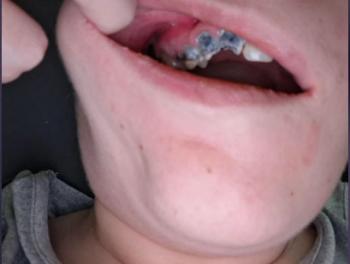
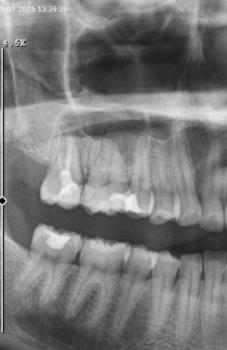
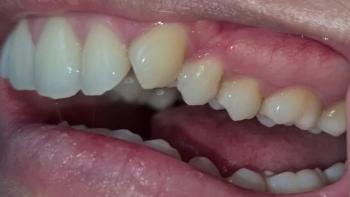
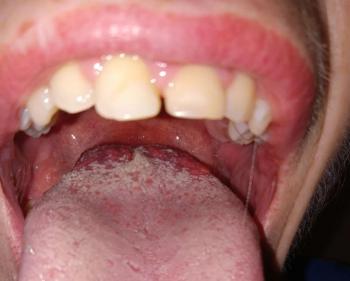
Patients with lower front gum inflammation may also experience tartar buildup, periodontal disease, gum abscesses, or tooth decay. Explore these related clinical case studies.



Other topics:
Other Dental Clinic