From Pain to Perfect — We Care for Your Smile.

When Do You Need a Dental Implant After Tooth Loss in Georgia? (2026 Expert Guide)
Language :

Losing a tooth can affect much more than your smile. Many patients in Georgia are surprised to learn that missing teeth can gradually change the shape of the jawbone, affect speech, reduce chewing ability, and even impact long-term oral health. After practicing dentistry for more than 10 years in Georgia, I’ve seen patients wait too long before replacing a missing tooth, only to face more complicated treatment later.
The good news is that modern dental implants have become one of the most reliable and natural-looking solutions available today. Dental implants are designed to replace the missing tooth root and support a crown that looks and functions like a real tooth.
One of the most common questions patients ask is simple:
“When exactly do I need a dental implant after losing a tooth?”
The answer depends on several factors, including your oral health, bone condition, gum health, medical history, and how long the tooth has been missing.
This complete Georgia dental implant guide explains everything beginners need to know, including warning signs, treatment timing, healing stages, costs, comparisons, and practical advice from a dentist with real clinical experience.
Whether you recently lost a tooth or have been living with a gap for years, this article will help you understand when dental implants become necessary and why timing matters.
Why Missing Teeth Should Never Be Ignored
Many people assume that losing one tooth is mostly cosmetic. In reality, even a single missing tooth can create serious oral health problems over time.
Once a tooth is removed or falls out, the jawbone underneath no longer receives stimulation from chewing pressure. The bone slowly begins shrinking, a process known as bone resorption.
This can lead to:
- Bone loss in the jaw
- Shifting teeth
- Bite misalignment
- Difficulty chewing
- Facial sagging or premature aging
- Increased risk of gum disease
- Speech changes
- Greater stress on remaining teeth
In my Georgia dental practice, I often explain to patients that replacing a missing tooth is not only about appearance. It is also about preserving long-term oral function and preventing future dental complications.
Dental implants are considered the gold standard because they replace both the visible tooth and the missing root beneath the gums.
What Is a Dental Implant?
A dental implant is a small titanium or zirconia post surgically placed into the jawbone. It acts like an artificial tooth root.
After healing, the implant supports:
- A dental crown
- A bridge
- Or a full denture system
Unlike removable dentures, implants are fixed in place and provide excellent stability.
Most modern implants are designed to:
- Look natural
- Feel comfortable
- Last many years
- Preserve jawbone structure
- Improve chewing strength
Patients in Georgia often choose implants because they offer long-term durability and confidence.
When Do You Need a Dental Implant?
There is no single answer that applies to every patient. However, there are several situations where dental implants are strongly recommended.
You Lost a Tooth Recently
If you recently lost a tooth due to trauma, decay, or extraction, your dentist may recommend replacing it quickly.
The earlier an implant is placed, the better the chances of preserving the jawbone.
In many cases, immediate implant placement may even be possible.
This means:
- Tooth extraction
- Implant placement
- Temporary crown
can sometimes happen on the same day.
Not every patient qualifies for immediate implants, but early treatment usually produces better long-term results.
You Have Difficulty Chewing
Missing molars can significantly affect chewing efficiency.
Patients often avoid certain foods such as:
- Steak
- Nuts
- Apples
- Hard vegetables
Over time, chewing on one side can create jaw imbalance and additional tooth wear.
Dental implants restore proper bite strength and improve daily comfort.
Your Teeth Are Shifting
Teeth naturally move into empty spaces.
When a tooth is missing for months or years, neighboring teeth may:
- Tilt
- Rotate
- Drift
- Create bite problems
This movement can make future implant treatment more complicated.
If you notice gaps changing or your bite feeling uneven, implant replacement may become necessary.
You Are Experiencing Bone Loss
Bone loss begins quickly after tooth extraction.
Research shows that significant bone reduction can occur within the first year.
Patients who wait too long may eventually require:
- Bone grafting
- Sinus lifts
- Advanced implant surgery
Early implant placement helps preserve healthy bone.
You Are Tired of Loose Dentures
Traditional dentures can shift, click, or move while eating.
Many Georgia patients choose implant-supported dentures because they:
- Improve stability
- Increase comfort
- Restore confidence
- Reduce gum irritation
Implant-supported systems are especially popular among older adults seeking long-term function.
Common Reasons Patients Need Dental Implants
Dental implants are recommended for many situations.
Severe Tooth Decay
When a tooth cannot be saved with fillings or root canal treatment, extraction may become necessary.
Implants often provide the strongest replacement option.
Gum Disease
Advanced periodontal disease can loosen teeth and damage supporting bone.
After infection is controlled, implants may help restore the smile.
Dental Trauma
Sports injuries, accidents, and falls frequently lead to tooth loss.
Implants are commonly used after traumatic tooth damage.
Cracked Teeth
Some teeth crack below the gumline and become impossible to restore.
Congenitally Missing Teeth
Some patients are born without certain permanent teeth.
Dental implants can provide permanent replacement once jaw growth is complete.
How Long Can You Wait Before Getting a Dental Implant?
This is one of the biggest concerns for patients.
The truth is that implants can still work years after tooth loss. However, delaying treatment often increases complexity.
Immediate Implant Placement
Best for:
- Healthy gums
- Strong bone
- No active infection
Advantages:
- Faster treatment
- Fewer surgeries
- Better bone preservation
Early Implant Placement
Usually performed within several weeks or months after extraction.
This allows gums to heal while preserving good bone levels.
Delayed Implant Placement
Performed months or years later.
Patients may need:
- Bone grafts
- Additional healing time
- More complex procedures
In Georgia, many patients delay implants because of cost concerns. Unfortunately, waiting too long can sometimes increase overall expenses later.
Signs You May Need a Dental Implant Soon
Many patients ignore symptoms until problems become severe.
Watch for these warning signs:
- Missing teeth
- Loose dentures
- Difficulty chewing
- Jaw discomfort
- Facial collapse
- Shifting teeth
- Bone loss visible on X-rays
- Chronic tooth infections
- Broken teeth beyond repair
If you notice these issues, scheduling a dental consultation early is important.
Who Is a Good Candidate for Dental Implants?
Most healthy adults can qualify for implants.
Ideal candidates usually have:
- Healthy gums
- Good oral hygiene
- Adequate bone density
- Controlled medical conditions
- Non-smoking habits or willingness to quit
Even patients with bone loss may still qualify after grafting procedures.
A complete examination typically includes:
- Digital X-rays
- 3D CBCT scans
- Gum evaluation
- Medical history review
Modern implant planning has become much safer and more precise over the past decade.
Who May Need Additional Treatment First?
Some patients require preparation before implant surgery.
Smokers
Smoking slows healing and increases implant failure risk.
Patients With Gum Disease
Active infections must be treated first.
Severe Bone Loss Patients
Bone grafting may be necessary.
Uncontrolled Diabetes
Blood sugar management is important for healing.
Teeth Grinding Patients
Night guards may be recommended to protect implants.
Dental Implant Procedure Step by Step
Understanding the process helps reduce anxiety.
Consultation and Imaging
Your dentist evaluates bone quality and treatment options.
Tooth Extraction (If Needed)
Damaged teeth may be removed before implant placement.
Bone Grafting (Optional)
Bone material may be added if jawbone support is insufficient.
Implant Placement
The titanium implant is inserted into the jawbone.
Healing Phase
The implant fuses with bone through a process called osseointegration.
Healing usually takes several months.
Abutment Placement
A connector piece is attached to support the final crown.
Final Crown Placement
A custom-designed crown completes the restoration.
Patients are often surprised at how comfortable the procedure can be with modern anesthesia and technology.
Dental Implant Healing Timeline
Healing varies by patient.
Typical timeline:
First Week
- Mild swelling
- Minor discomfort
- Soft food diet
First Month
- Gum healing improves
- Implant stabilizes gradually
3 to 6 Months
- Bone fully integrates with implant
- Final restoration preparation begins
Long-Term
With proper care, implants may last decades.
Dental Implant vs Dental Bridge
Many Georgia patients compare implants and bridges before making a decision.
Dental Implants
Advantages:
- Preserve bone
- Long-lasting
- Natural appearance
- No damage to neighboring teeth
Disadvantages:
- Higher initial cost
- Longer healing period
Dental Bridges
Advantages:
- Faster treatment
- Lower upfront cost
Disadvantages:
- May damage adjacent teeth
- Does not prevent bone loss
- Typically shorter lifespan
For long-term oral health, implants are often the preferred option.
Dental Implants vs Dentures
Traditional Dentures
Advantages:
- Lower initial cost
- Non-surgical
Disadvantages:
- Movement while eating
- Reduced chewing power
- Bone loss continues
Implant-Supported Dentures
Advantages:
- Greater stability
- Improved confidence
- Better chewing ability
- Reduced slipping
Many older adults in Georgia now choose implant-supported systems for improved quality of life.
How Much Do Dental Implants Cost in Georgia?
Costs vary depending on:
- Number of implants
- Bone grafting needs
- Crown materials
- Clinic location
- Dentis
Can tooth extraction cause infection? Mild inflammation is normal, but increasing swelling, fever, or severe pain may indicate infection. Learn more about post-extraction infection warning signs in this detailed guide.
Book a consultation with our Cebu dental specialists for proper evaluation and care.
Ready to get expert guidance?
If you’re experiencing severe pain or delayed healing, book a consultation with our Cebu dental specialists to get proper evaluation and care.
Consultation or contact page .
Book a Consultation
For severe discomfort or delayed healing, book a consultation with our Cebu dental specialists today.
Looking for a dentist? Browse our Cebu dental directory to find trusted clinics near you.
Medical Review and Clinical Basis
This article is based on clinical dental guidelines and real patient recovery patterns observed after tooth extraction procedures. The information reflects common post-extraction healing stages, including normal clot formation, gum tissue repair, and signs of possible complications such as dry socket or infection.
While mild discomfort is expected after a dental extraction, worsening pain after Day 3, bad odor, exposed bone, or spreading pain may require professional evaluation. These symptoms are consistent with known post-extraction complications described in standard dental practice.
About Cebu Dental Implants
Cebu Dental Implants provides comprehensive tooth extraction, surgical procedures, and dental implant services in the Philippines. Our team evaluates post-extraction healing, manages complications such as dry socket, and advises patients on proper aftercare to prevent infection and delayed healing.
If you experience severe pain or unusual symptoms after extraction, early professional assessment is recommended to prevent further complications.
Important Medical Disclaimer
This content is for educational purposes only and does not replace professional dental diagnosis. Every patient heals differently. If symptoms worsen or do not improve within a few days, consult a licensed dentist for proper evaluation and treatment.
Author
This article was prepared by the Cebu Dental Implants content team in consultation with licensed dental professionals experienced in tooth extraction and implant procedures.
Related Clinical Cases
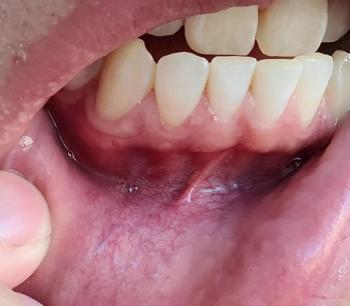
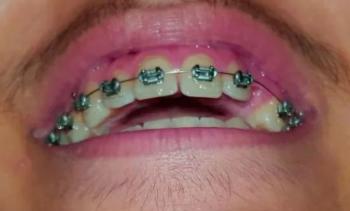
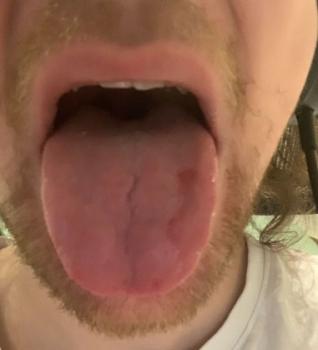
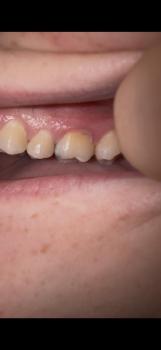
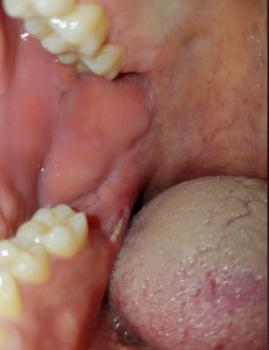
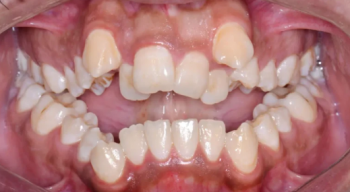
Patients with lower front gum inflammation may also experience tartar buildup, periodontal disease, gum abscesses, or tooth decay. Explore these related clinical case studies.


Other topics:
Other Dental Clinic