Strong Teeth, Fresh Breath, Brighter You.

Tooth Infection: Symptoms, Causes, and Treatment
A tooth infection, also known as a dental abscess, occurs when bacteria enter the inside of a tooth or the surrounding gum tissue. It can cause pain, swelling, and a pocket of pus.
Tooth infections often develop from untreated cavities, cracked teeth, or problems with previous dental work. Without proper treatment, the infection may spread to nearby tissues.
Common Symptoms of Tooth Infection
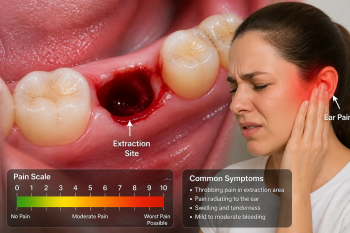
A tooth infection may cause several noticeable symptoms, including:
-
Severe toothache: Persistent or throbbing pain in the affected tooth.
-
Tooth sensitivity: Pain when drinking hot or cold beverages.
-
Pain when chewing: Discomfort when biting down or putting pressure on the tooth.
-
Swollen gums: Redness or swelling around the affected tooth.
-
Facial swelling: Swelling in the cheek, jaw, or face.
-
Bad taste or bad breath: A foul taste or odor, especially if pus drains into the mouth.
-
Fever: A possible sign that the infection is affecting the body.
What Causes a Tooth Infection?
Tooth infections can develop for several reasons:
1. Untreated Tooth Decay
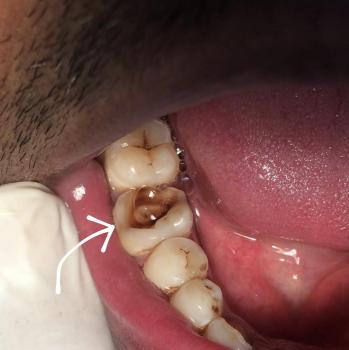
Cavities can progress through the enamel and dentin until bacteria reach the inner pulp of the tooth.
2. Cracked or Broken Teeth
A crack in the tooth may allow bacteria to enter and infect the pulp.
3. Gum Disease
Advanced gum disease can cause deep pockets around the teeth, allowing bacteria to affect the surrounding tissues.
4. Previous Dental Work
Damaged or failing fillings and crowns may allow bacteria to enter the tooth again.
How Is a Tooth Infection Treated?
A tooth infection usually needs dental treatment to remove the source of infection.
Treatment depends on the location and severity of the infection and whether the tooth can be saved.
-
Root Canal Treatment: Removes infected pulp, cleans the root canals, and seals the tooth to help preserve it.
-
Tooth Extraction: Removes a tooth that cannot be saved.
-
Incision and Drainage: A dentist may drain pus from an abscess when appropriate.
-
Antibiotics: May be prescribed when the infection is spreading or causing fever and other systemic symptoms. Antibiotics alone do not usually eliminate the source of a tooth infection.
When Is a Tooth Infection an Emergency?
Seek immediate medical attention if you experience:
-
Difficulty breathing or swallowing.
-
Rapidly increasing facial or neck swelling.
-
Swelling that affects the eye or causes vision problems.
-
Severe illness, fever, or confusion associated with the infection.
These symptoms may indicate a serious spreading infection.
When Should You Visit a Dentist?
If you have persistent tooth pain, swelling, or sensitivity, schedule a dental examination as soon as possible.
Early treatment may help prevent the infection from spreading and give you the best chance of saving your natural tooth.
Protect your smile. Don't ignore the signs of a tooth infection. Visit your dentist for proper diagnosis and treatment.
Related Clinical Cases
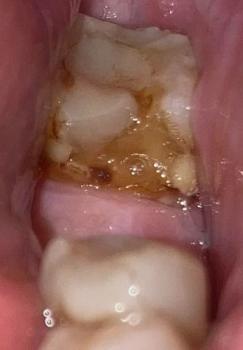
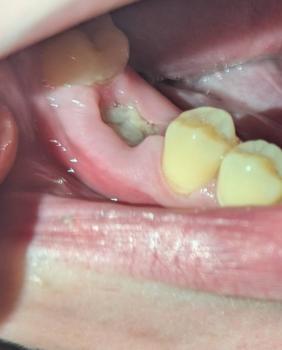
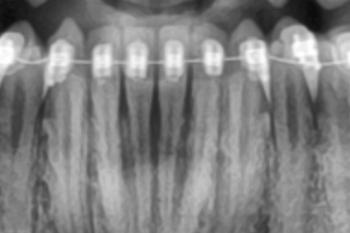
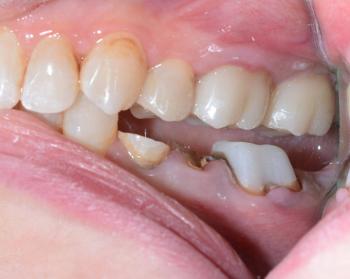
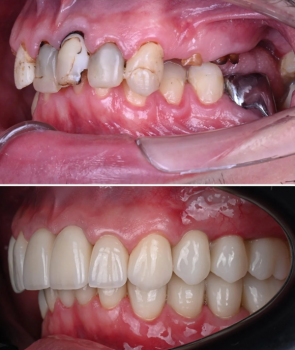
Patients with lower front gum inflammation may also experience tartar buildup, periodontal disease, gum abscesses, or tooth decay. Explore these related clinical case studies.
Other topics:
Other Dental Clinic