From Pain to Perfect — We Care for Your Smile.

Single Tooth Dental Implant Cost in the Philippines
The cost of a single dental implant in the Philippines typically ranges from approximately ₱50,000 to ₱150,000 per tooth, or roughly $850 to $2,500 USD.
From a U.S. dental perspective, the important point is not simply the advertised implant price. Patients should determine exactly what is included in the treatment package and whether additional procedures are required.
A complete implant restoration generally involves three primary components:
-
Dental implant fixture – the post placed into the jawbone.
-
Abutment – the connector between the implant and crown.
-
Final crown – the artificial tooth visible above the gum.
The actual price can vary substantially depending on the implant system, crown material, diagnostic requirements, surgical complexity, and professional fees.
Estimated Cost by Implant System
| Implant System | Typical Estimated Cost |
|---|---|
| Korean / standard systems | ₱50,000 – ₱80,000 |
| Mid-tier / U.S. systems | ₱80,000 – ₱110,000 |
| Premium Swiss / European systems | ₱110,000 – ₱150,000+ |
| Overall single-implant range | ₱50,000 – ₱150,000+ |
Examples of implant systems commonly encountered in international dental practices include Osstem, Dentium, BioHorizons, Straumann, and Nobel Biocare.
The brand alone, however, should not determine the treatment decision. Implant selection should take into account the patient's anatomy, restorative requirements, dentist's experience with the system, availability of components, and long-term maintenance considerations.
What Is Usually Included?
A complete single-tooth implant package may include:
-
Implant fixture
-
Implant placement surgery
-
Healing or temporary components
-
Abutment
-
Permanent dental crown
-
Laboratory fabrication of the restoration
However, package inclusions vary by clinic.
Before accepting an advertised price, ask the clinic for an itemized quotation. A lower initial price may not include the crown, abutment, diagnostic imaging, extraction, or bone grafting.
Additional Costs to Consider
Some patients require procedures before or during implant treatment.
| Procedure | Approximate Cost |
|---|---|
| Tooth extraction | ₱3,000 – ₱8,000 |
| Bone grafting | ₱15,000 – ₱40,000+ |
| Sinus lift | ₱35,000 – ₱70,000+ |
| 3D CBCT imaging | ₱4,000 – ₱8,000 |
These are general estimates rather than fixed national prices. Complex cases may cost more.
Tooth Extraction
If the damaged tooth is still present, extraction may be necessary before implant placement. Simple and surgical extractions can have significantly different fees.
Bone Grafting
Loss of bone following tooth loss can make implant placement more difficult. A bone graft may be recommended when there is insufficient bone volume to achieve appropriate implant positioning and stability.
Sinus Lift
For some upper back teeth, the maxillary sinus may be positioned close to the available jawbone. A sinus augmentation procedure may be necessary when there is insufficient vertical bone for the planned implant.
CBCT Scan
A three-dimensional CBCT scan can help the dental team evaluate bone dimensions and important anatomical structures before implant surgery. The need for CBCT depends on the individual case and the clinician's diagnostic protocol.
Why Do Implant Prices Differ Between Philippine Clinics?
1. Implant System
Different implant manufacturers have different pricing structures, components, and restorative systems.
Premium systems may have extensive clinical documentation and established component networks, but that does not mean every patient necessarily requires the most expensive implant available.
2. Crown Material
The final crown can significantly affect the overall price.
Common restorative options include:
-
Porcelain-fused-to-metal
-
All-ceramic
-
Zirconia
-
Other laboratory-fabricated ceramic restorations
For highly visible front teeth, esthetic considerations become particularly important.
3. Dentist's Training and Experience
Implant treatment may involve a general dentist with implant training, prosthodontist, periodontist, oral and maxillofacial surgeon, or a multidisciplinary dental team.
Professional fees can vary according to training, experience, case complexity, and the services provided.
4. Location
Prices can vary between major metropolitan areas and regional cities.
Clinics in areas such as Metro Manila, Makati, and Bonifacio Global City (BGC) may have higher overhead expenses. Cebu and other regional centers may have different fee structures.
Location alone, however, should not be used as a measure of clinical quality.
What Should Patients Ask Before Paying?
Before starting treatment, request a written treatment plan and ask:
-
What implant brand and model will be used?
-
Is the implant fixture included?
-
Is the abutment included?
-
Is the permanent crown included?
-
What crown material will be used?
-
Are X-rays or CBCT scans included?
-
Is tooth extraction included?
-
Will bone grafting be necessary?
-
Are temporary teeth included?
-
How many appointments are expected?
-
What happens if the implant does not integrate with the bone?
-
Is there a written warranty or replacement policy?
-
What is the estimated total treatment cost?
Is a More Expensive Implant Always Better?
Not necessarily.
A dental implant is only one part of the treatment. Long-term success depends on multiple factors, including appropriate diagnosis, implant positioning, bone and soft-tissue conditions, restoration design, oral hygiene, smoking status, systemic health, and regular professional maintenance.
For this reason, patients should compare the complete treatment plan, rather than choosing solely on implant brand or price.
Philippines Dental Implant Cost: Bottom Line
A single dental implant in the Philippines may cost approximately ₱50,000 to ₱150,000+, depending on the implant system, restoration, clinic, dentist, and complexity of the case.
A realistic comparison should look at the total treatment package rather than the implant fixture alone.
For patients comparing Philippine and U.S. dental implant costs, the most useful approach is to compare the same components—implant fixture, abutment, crown, diagnostics, surgery, grafting, temporary restoration, and follow-up care.
Important: Prices are estimates and can change by clinic, location, implant system, and individual treatment requirements. A dental examination and appropriate diagnostic imaging are necessary to determine the actual treatment plan and final cost.
Related Clinical Cases
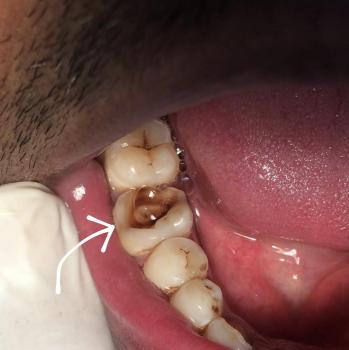
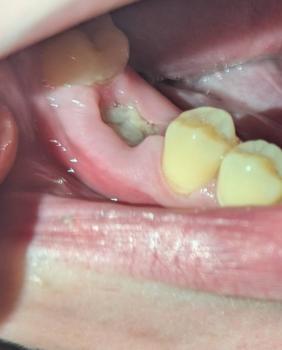
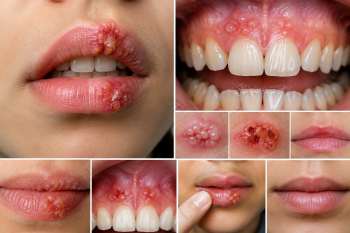
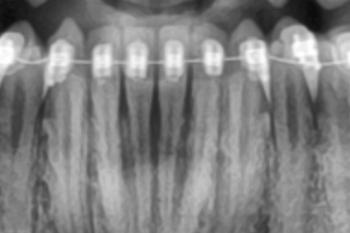
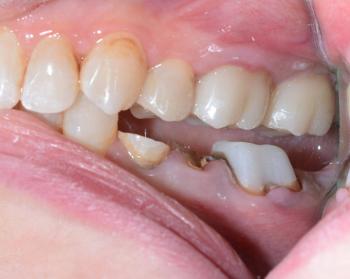
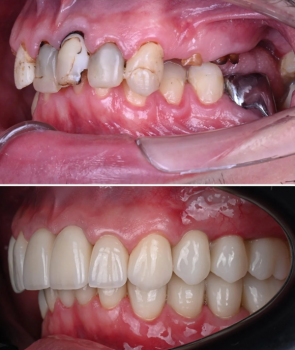
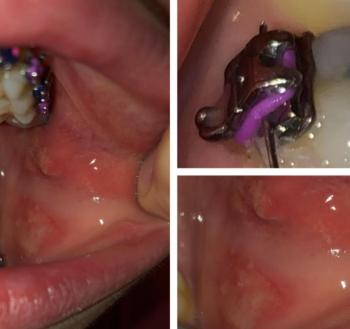
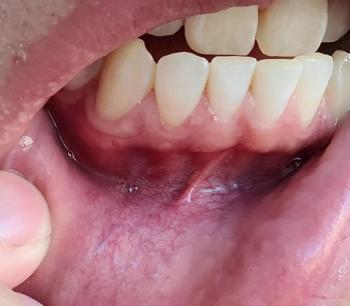
Patients with lower front gum inflammation may also experience tartar buildup, periodontal disease, gum abscesses, or tooth decay. Explore these related clinical case studies.
Other topics:
Other Dental Clinic