Healthy Teeth, Happy Life.

Google Search Ranking Update & Ongoing SEO Strategy
Update:
Google’s search algorithm is constantly changing and being updated on a regular basis. These changes can happen weekly or monthly, and Google does not publicly disclose every factor or adjustment that affects search rankings. Because of this, we do not have direct control over how Google evaluates, indexes, or ranks individual pages.
A page that is ranking well today may temporarily move down, disappear from certain search results, or fluctuate while Google reassesses the website and its content. This does not necessarily mean there is a technical problem with the website.

Our approach is to continue improving the website rather than trying to react to every short-term ranking fluctuation. We will:
-
Continue adding and updating high-quality, relevant dental content.
-
Improve existing pages based on current search intent and SEO best practices.
-
Monitor Google indexing and search visibility to identify pages that may need improvement.
-
Analyze competing dental websites and compare their content, page structure, topics, and ranking performance.
-
Expand content around high-search-volume dental problems, treatments, costs, and patient questions.
-
Strengthen internal linking and the overall topical relevance of the website.
-
Continue improving page titles, headings, descriptions, and on-page SEO where appropriate.
-
Monitor ranking changes over time rather than relying on a single day or keyword position.
SEO is a long-term process, and search rankings naturally fluctuate as Google continuously updates its systems and as competitors publish and improve their own content. Our goal is to build stronger overall website authority, topical coverage, and search visibility so the site can perform more consistently over the long term.
We will continue monitoring the competition and updating the website strategically rather than making unnecessary changes based on short-term ranking fluctuations.
Related Clinical Cases
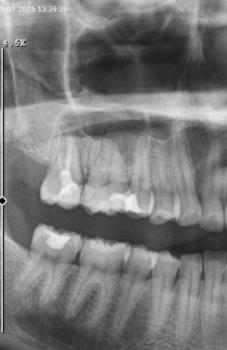
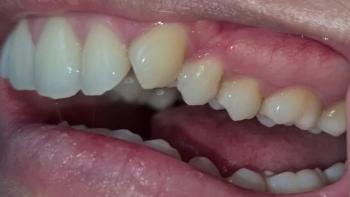
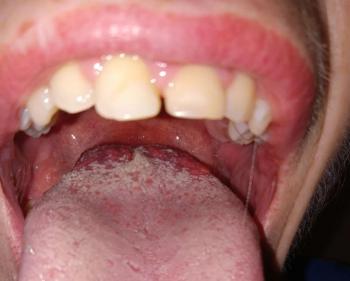
Patients with lower front gum inflammation may also experience tartar buildup, periodontal disease, gum abscesses, or tooth decay. Explore these related clinical case studies.





Other topics:
Other Dental Clinic