Dentures That Feel Natural, Look Beautiful.

Chronic Tooth Infection in the Philippines: Symptoms, Causes, Risks & Treatment
A toothache may seem like a small problem at first.
For some people, especially families struggling financially, going to a dental clinic may feel impossible. The pain may be tolerated, home remedies may be tried, or treatment may simply be postponed until there is enough money.
But a dental infection does not always go away on its own.
What begins as a small cavity, broken tooth, or gum problem can gradually become a chronic tooth infection. When treatment is delayed for months or years, the problem can become more complicated, painful, and expensive to manage.
What Is a Chronic Tooth Infection?
A chronic tooth infection is a long-lasting infection involving the tooth, the tissues around the tooth, or the gums.
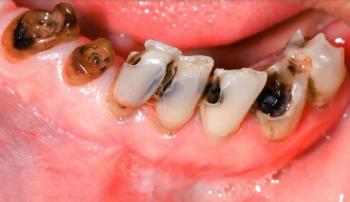
It can develop when bacteria enter a damaged or decayed tooth and eventually reach the dental pulp—the inner part containing nerves and blood vessels.
Sometimes the pain is severe.
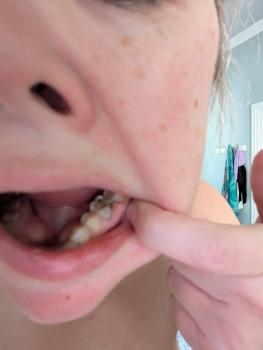
Other times, the infection can continue quietly with only occasional pain, swelling, bad taste, or a small pimple-like bump on the gum.
Less pain does not always mean the infection is gone.
Why Do Some Filipinos Delay Dental Treatment?
The reasons are understandable.
For people living on a tight budget, even a dental consultation can feel like an additional expense. Someone may think:
-
"Hindi naman masakit palagi."
-
"Pag may pera na lang."
-
"Maliit lang naman ang sira."
-
"Kaya pa naman."
-
"Baka mawala rin."
-
"Wala pa akong budget para sa dentist."
Unfortunately, waiting can sometimes turn a relatively manageable dental problem into a much more complicated one.
The Financial Problem
A small problem may sometimes be treatable with a relatively simple procedure.
But if the condition progresses, treatment may potentially require:
-
Root canal treatment
-
Tooth extraction
-
Treatment for an abscess
-
Gum treatment
-
Bone-related procedures
-
Dental imaging
-
Tooth replacement
-
Dental implants or other restorative treatment
The final cost depends heavily on the condition of the tooth and surrounding tissues.
The cheapest time to deal with a dental problem is often before it becomes a major problem.
How Does a Small Tooth Problem Become a Chronic Infection?
A common progression can look like this:
Small cavity → deeper decay → pulp infection → dental abscess → chronic infection → damage to surrounding tissues
Not every tooth follows this exact pattern, but untreated decay can progress significantly.
A tooth may initially have no pain at all.
Later, a person may experience sensitivity to cold or sweets.
Then the pain may become stronger.
Eventually, the nerve inside the tooth can become severely damaged or die. At that point, the infection may move beyond the tooth and into surrounding tissues.
Warning Signs You Should Not Ignore
Seek dental evaluation if you experience:
-
Persistent toothache
-
Repeated swelling around a tooth
-
Swollen gums
-
Pus or drainage
-
A recurring "pimple" on the gum
-
Bad taste in the mouth
-
Persistent bad breath associated with a tooth problem
-
Pain when biting or chewing
-
Sensitivity that does not go away
-
A broken or badly decayed tooth
-
Facial or jaw swelling
-
Fever associated with dental pain or swelling
A tooth infection can sometimes become serious even when the pain temporarily improves.
"It Doesn't Hurt Anymore." Is That Good?
Not necessarily.
Some people experience severe tooth pain that eventually disappears.
They may assume the tooth has healed.
But in some cases, the nerve inside the tooth may have become severely damaged or died. The infection can remain or progress even though the original pain has decreased.
That is why a disappearing toothache should not automatically be considered a cure.
The Worse the Infection Becomes, the Harder Treatment Can Be
Early treatment can sometimes preserve a tooth.
When treatment is delayed, however, there may be less healthy tooth structure remaining.
The infection may also affect the bone and tissues surrounding the tooth.
At an advanced stage, the dentist may have fewer options for saving the natural tooth.
The patient may eventually face a decision between removing the tooth and replacing it later, depending on the clinical situation.
This is one reason why early dental care matters—not only for health, but also for long-term cost.
For Families Who Cannot Afford a Private Dental Clinic
Not everyone has the financial ability to immediately visit a private dental clinic.
If money is the main barrier, consider looking for lower-cost options in your community, including:
-
Public dental services
-
Local government health centers
-
Government hospitals
-
Dental schools or university dental clinics
-
Community dental programs
-
Charitable or outreach dental services
Availability and fees vary by location, so ask what services are currently offered and whether there are reduced-cost options.
If you have severe swelling, fever, difficulty swallowing, difficulty breathing, or rapidly increasing facial swelling, do not delay emergency medical or dental evaluation because of cost concerns.
Don't Wait for the Problem to Become Unbearable
One of the biggest mistakes is waiting until the pain becomes impossible to tolerate.
By that point, the original problem may have progressed considerably.
A small cavity is easier to ignore than a severely infected tooth.
A minor gum problem is easier to postpone than facial swelling.
But postponing treatment does not necessarily make the underlying problem disappear.
A Simple Rule
Small problem + early attention = potentially simpler treatment.
Small problem + years of delay = potentially more complicated treatment.
This is not about blaming people who cannot afford dental treatment.
Many families genuinely have to choose between food, transportation, school expenses, medicine, rent, and dental care.
The goal is to encourage people to seek help as early as they reasonably can and to explore affordable dental services before the condition becomes severe.
What Can You Do Today?
If you currently have a tooth that is:
-
Decayed
-
Broken
-
Painful
-
Swollen
-
Sensitive
-
Bleeding around the gums
-
Producing pus
-
Repeatedly causing problems
Don't simply wait for it to become worse.
If you cannot afford private dental treatment, ask about lower-cost public, community, or educational dental services in your area.
Even if you cannot proceed with treatment immediately, getting an examination can help you understand how serious the problem is and what options may be available.
Frequently Asked Questions
Can a chronic tooth infection heal by itself?
A dental infection generally requires professional assessment and appropriate treatment. Pain can temporarily disappear without the underlying infection being resolved.
Can antibiotics permanently cure an infected tooth?
Antibiotics may be used in certain situations, particularly when there are signs of spreading infection or systemic involvement, but they do not replace definitive dental treatment when the source of infection is inside or around a damaged tooth.
A dentist or medical professional should determine whether antibiotics are appropriate.
What happens if I ignore an infected tooth?
The infection may remain localized, recur, or spread into surrounding tissues. Advanced infections can become medical emergencies.
Is tooth extraction always necessary?
No. Depending on the condition of the tooth, a dentist may be able to save it with appropriate treatment. However, a severely damaged or infected tooth may not be restorable.
Why is early dental treatment usually better?
Early diagnosis may provide more treatment options and can prevent a relatively small problem from developing into a more complicated condition.
I don't have enough money for a dentist. What should I do?
Look for public dental services, government health facilities, dental schools, community programs, and charitable dental outreach in your area. Explain your financial situation and ask what affordable options are available.
Dental problems should not be ignored simply because someone is poor.
A person should not have to wait until a tooth becomes severely infected before receiving help.
If you are struggling financially, look for affordable dental services and seek an examination as early as possible.
The purpose of early dental care is not simply to avoid pain.
It may help protect your natural teeth, prevent complications, reduce future treatment needs, and potentially reduce the financial burden of a much more advanced problem.
If you currently have significant facial swelling, fever, difficulty breathing, difficulty swallowing, or rapidly worsening symptoms, seek urgent medical or dental care.
Related Clinical Cases
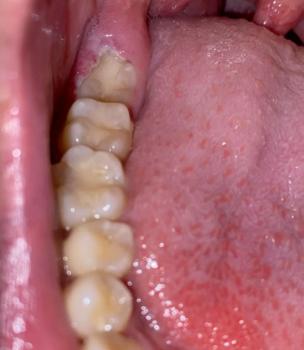
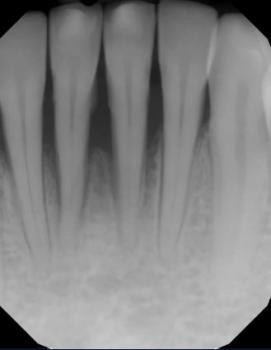
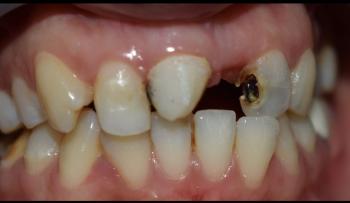
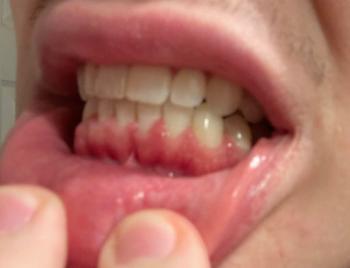
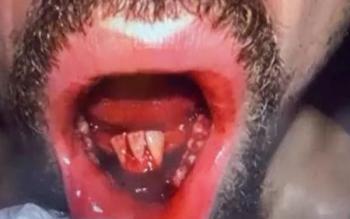
Patients with lower front gum inflammation may also experience tartar buildup, periodontal disease, gum abscesses, or tooth decay. Explore these related clinical case studies.