Where Bright Smiles Begin.

Uncontrolled Bleeding After a Tooth Extraction: What to Do, When to Call 911, and How to Stop Bleeding Safely
Language :
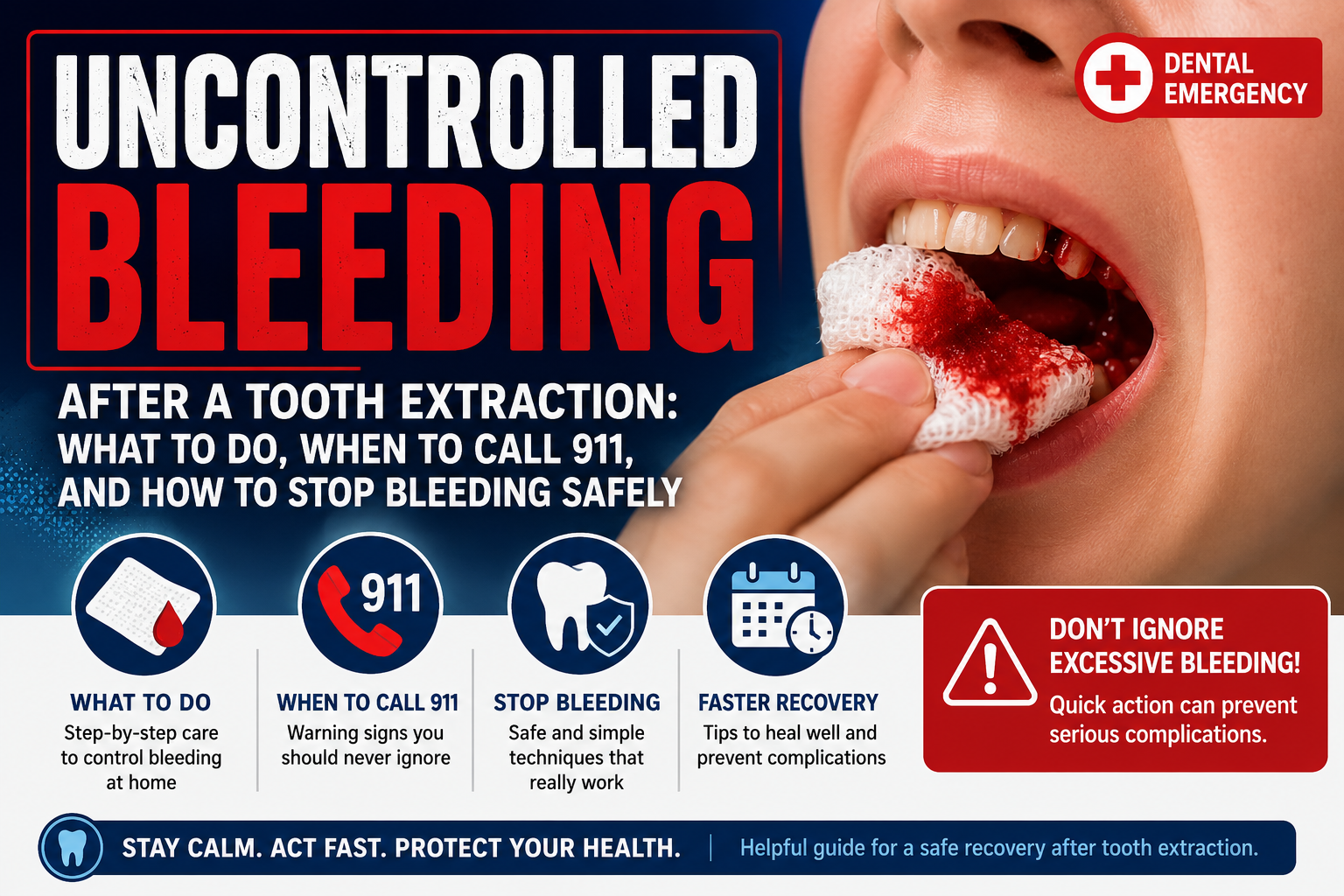
Having a tooth removed is one of the most common dental procedures in the United States. Most extractions heal without problems, and a small amount of bleeding or blood-tinged saliva during the first 24 hours is completely normal. However, continuous or heavy bleeding is not normal and should never be ignored.
As a dentist, I always remind my patients that the blood clot forming inside the extraction socket is the body's natural bandage. This clot protects the exposed bone and nerves while allowing new tissue to grow. If the clot fails to form or becomes dislodged, healing can be delayed, bleeding may continue, and painful complications such as dry socket can occur.
The good news is that most cases of post-extraction bleeding can be controlled with proper first aid at home. However, some situations require immediate emergency medical attention. Knowing the difference can protect your health and, in rare cases, save your life.
This guide explains how to recognize dangerous bleeding, what to do immediately at home, what actions to avoid, and when to contact your dentist or visit the emergency room.
What Is Normal Bleeding After a Tooth Extraction?
Many patients become worried after seeing blood in their saliva. Fortunately, light bleeding is expected.
Normal healing usually includes:
- Slight oozing for several hours
- Pink-colored saliva
- A small blood stain on the gauze
- Gradually decreasing bleeding throughout the day
Remember that saliva can make a very small amount of blood appear much heavier than it really is.
If the bleeding becomes heavier instead of lighter, additional treatment may be necessary.
When Is Bleeding an Emergency?
Seek immediate medical attention or call 911 if you experience any of these symptoms:
- Blood rapidly fills your mouth and cannot be controlled with pressure.
- You feel dizzy, faint, weak, or lightheaded.
- You swallow large amounts of blood that cause vomiting.
- Your neck or jaw suddenly becomes swollen.
- You have difficulty breathing or swallowing.
- Bleeding continues heavily despite repeated attempts to stop it.
These symptoms may indicate significant blood loss or a developing hematoma that could interfere with breathing.
Never wait if breathing becomes difficult.
Why Does Bleeding Continue?
Several factors may prevent proper clot formation.
Common causes include:
- Blood clot becomes dislodged
- High blood pressure
- Physical activity too soon after surgery
- Smoking
- Drinking through a straw
- Frequent spitting
- Vigorous mouth rinsing
- Blood-thinning medications
- Bleeding disorders
- Infection around the extraction site
- Complex surgical extraction
Older adults and patients taking blood thinners require closer observation after surgery.
Step 1: Stay Calm
The first step is not to panic.
Stress and anxiety increase blood pressure, which may worsen bleeding.
Sit upright, breathe slowly, and prepare clean gauze before checking the extraction site.
Avoid repeatedly looking inside the socket because frequent inspection can disturb the developing clot.
Step 2: Remove Large Loose Clots Carefully
Sometimes large jelly-like clots called "liver clots" develop.
These clots do not stop bleeding effectively.
Use clean gauze to gently remove loose excess blood from the mouth.
Do not:
- Scrub the socket
- Rinse forcefully
- Use mouthwash
- Pick the area with fingers
Leave the clot attached inside the socket undisturbed.
Step 3: Apply Firm Pressure
This is the most important step.
Take sterile gauze and slightly moisten it with clean water.
Place it directly over the extraction site.
Bite down firmly.
Continue applying constant pressure for 45 to 60 minutes.
During this time:
- Do not talk.
- Do not chew.
- Do not remove the gauze to check.
- Do not replace the gauze every few minutes.
Constant uninterrupted pressure allows the blood clot to stabilize.
Many patients fail because they check the socket every few minutes.
Step 4: Try the Tea Bag Method
If gauze does not control the bleeding, a regular black tea bag may help.
Black tea contains tannic acid, which helps constrict small blood vessels.
Instructions:
- Moisten a black tea bag with warm water.
- Squeeze out excess water.
- Place it directly over the extraction site.
- Bite firmly for about 45 minutes.
This simple home remedy has helped many patients control mild persistent bleeding.
Step 5: Keep Your Head Elevated
Position matters.
Remain seated or reclined with your head elevated above your heart.
Do not lie completely flat.
Avoid:
- Running
- Heavy lifting
- Bending over
- Exercise
- Housework
Any activity that raises blood pressure may restart bleeding.
What NOT to Do
Many patients accidentally remove the blood clot themselves.
Avoid these common mistakes for at least 24 to 48 hours.
Do Not Spit
Spitting creates pressure that pulls the clot from the socket.
Instead, gently wipe saliva from your lips.
Do Not Use a Straw
Suction from a straw creates negative pressure inside the mouth.
This can easily remove the fragile blood clot.
Drink directly from a glass instead.
Do Not Smoke or Vape
Smoking is one of the biggest reasons patients develop dry socket.
Heat, chemicals, and suction all interfere with healing.
Avoid tobacco and vaping for several days after surgery.
Do Not Rinse Aggressively
Avoid:
- Alcohol mouthwash
- Hot drinks
- Vigorous rinsing
- Carbonated beverages during the first day
If your dentist recommends salt-water rinses, begin only after the first 24 hours.
Foods to Eat
Choose soft foods that require little chewing.
Good choices include:
- Yogurt
- Applesauce
- Mashed potatoes
- Oatmeal
- Soup (warm, not hot)
- Scrambled eggs
- Smooth mashed bananas
- Soft pasta
Drink plenty of water.
Avoid chewing directly over the extraction site.
Foods to Avoid
Avoid foods that may disturb the clot.
These include:
- Chips
- Nuts
- Popcorn
- Rice
- Seeds
- Steak
- Hard bread
- Sticky candy
- Extremely hot foods
- Alcohol
Small food particles can become trapped inside the socket.
Patients Taking Blood Thinners
Many Americans take medications that increase bleeding.
Examples include:
- Aspirin
- Warfarin
- Eliquis
- Xarelto
- Pradaxa
- Plavix
Never stop these medications unless instructed by your physician or dentist.
If you take blood thinners, inform every healthcare provider before your extraction.
Bleeding Disorders
Certain medical conditions increase bleeding risk.
These include:
- Von Willebrand disease
- Hemophilia
- Liver disease
- Platelet disorders
Patients with these conditions often require additional planning before dental surgery.
When Home Treatment Is Not Enough
If bleeding continues after two separate 45-minute attempts using gauze or a tea bag, contact your dentist immediately.
Most dental offices provide emergency after-hours instructions.
Your dentist may:
- Place additional stitches
- Apply medicated dressings
- Use absorbable hemostatic materials
- Clean the socket
- Administer local anesthetic containing epinephrine
These treatments successfully control most cases.
Should You Visit Urgent Care?
Many patients wonder where to go after dental offices close.
General urgent care clinics may have limited dental equipment.
If bleeding remains severe and cannot be controlled, an Emergency Room is usually the better choice.
Hospitals have:
- Emergency physicians
- Blood testing
- IV fluids
- Advanced bleeding control
- Access to oral surgeons when necessary
Information to Bring
If you visit the emergency room, bring:
- Medication list
- Blood thinner information
- Medical history
- Allergies
- Dentist's contact information
- Recent extraction details
This information helps healthcare providers begin treatment quickly.
Signs Healing Is Improving
Healing usually progresses as follows:
First Day
- Mild bleeding
- Swelling begins
- Blood clot forms
Days 2–3
- Bleeding stops
- Swelling peaks
- Mild discomfort continues
Days 4–7
- New gum tissue develops
- Pain improves
- Socket begins closing
Two Weeks
Most patients notice significant healing.
Complete bone healing continues for several months.
How to Prevent Bleeding After Future Extractions
You can reduce complications by following your dentist's instructions carefully.
Remember these simple tips:
- Bite firmly on gauze.
- Rest after surgery.
- Avoid strenuous exercise.
- Keep your head elevated.
- Do not smoke.
- Skip straws.
- Eat soft foods.
- Stay hydrated.
- Take medications exactly as prescribed.
- Attend follow-up appointments.
Small precautions make a big difference.
Frequently Asked Questions
How long should bleeding last?
Light oozing may continue for up to 24 hours, but heavy bleeding should gradually improve after firm pressure.
Is pink saliva normal?
Yes. Small amounts of blood mixed with saliva often appear pink and are generally normal.
Can I sleep after an extraction?
Yes, but keep your head elevated using extra pillows.
Can I brush my teeth?
Yes, but avoid brushing directly over the extraction site during the first day.
Will bleeding restart?
Minor bleeding can occur if the clot is disturbed. Follow your dentist's instructions carefully.
Final Thoughts
Most patients recover from a tooth extraction without serious complications. Although light bleeding is expected, heavy or uncontrolled bleeding should always be taken seriously. Knowing how to apply firm pressure, protect the blood clot, and recognize emergency warning signs can prevent further complications and support faster healing.
If bleeding continues despite proper first aid, do not delay seeking professional care. Contact your treating dentist immediately. If the bleeding is severe, accompanied by dizziness, difficulty breathing, or significant swelling, call 911 or proceed to the nearest Emergency Room. Early treatment is the safest way to protect your health and ensure a smooth recovery.
Can tooth extraction cause infection? Mild inflammation is normal, but increasing swelling, fever, or severe pain may indicate infection. Learn more about post-extraction infection warning signs in this detailed guide.
Book a consultation with our Cebu dental specialists for proper evaluation and care.
Ready to get expert guidance?
If you’re experiencing severe pain or delayed healing, book a consultation with our Cebu dental specialists to get proper evaluation and care.
Consultation or contact page .
Book a Consultation
For severe discomfort or delayed healing, book a consultation with our Cebu dental specialists today.
Looking for a dentist? Browse our Cebu dental directory to find trusted clinics near you.
Medical Review and Clinical Basis
This article is based on clinical dental guidelines and real patient recovery patterns observed after tooth extraction procedures. The information reflects common post-extraction healing stages, including normal clot formation, gum tissue repair, and signs of possible complications such as dry socket or infection.
While mild discomfort is expected after a dental extraction, worsening pain after Day 3, bad odor, exposed bone, or spreading pain may require professional evaluation. These symptoms are consistent with known post-extraction complications described in standard dental practice.
About Cebu Dental Implants
Cebu Dental Implants provides comprehensive tooth extraction, surgical procedures, and dental implant services in the Philippines. Our team evaluates post-extraction healing, manages complications such as dry socket, and advises patients on proper aftercare to prevent infection and delayed healing.
If you experience severe pain or unusual symptoms after extraction, early professional assessment is recommended to prevent further complications.
Important Medical Disclaimer
This content is for educational purposes only and does not replace professional dental diagnosis. Every patient heals differently. If symptoms worsen or do not improve within a few days, consult a licensed dentist for proper evaluation and treatment.
Author
This article was prepared by the Cebu Dental Implants content team in consultation with licensed dental professionals experienced in tooth extraction and implant procedures.
Related Clinical Cases
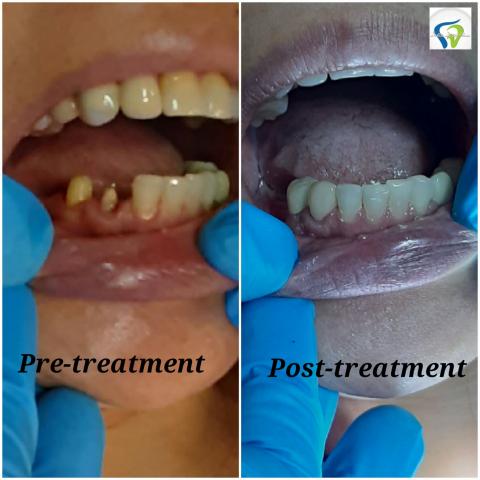
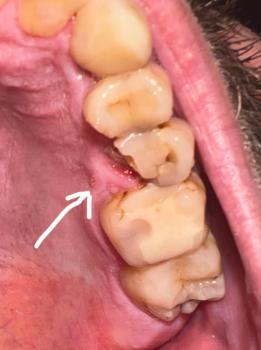
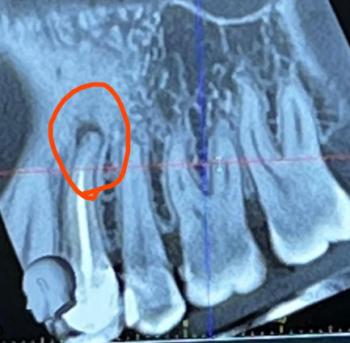
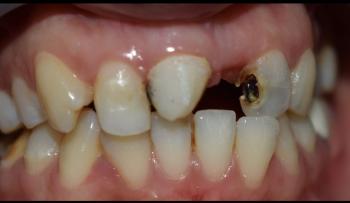
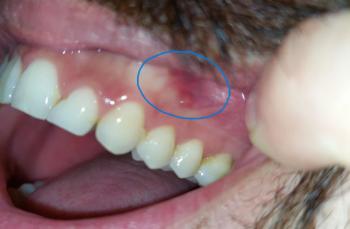
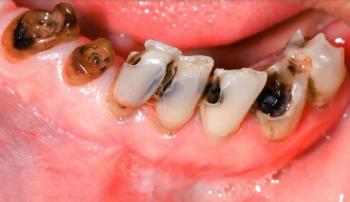
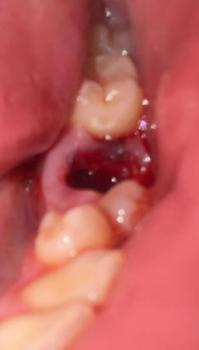
Patients with lower front gum inflammation may also experience tartar buildup, periodontal disease, gum abscesses, or tooth decay. Explore these related clinical case studies.

Other topics:
Other Dental Clinic