Healthy Teeth, Happy Life.

Gum Healing After Tooth Removal Explained: Day-by-Day Recovery Guide
Image:
Severity:
Teeth Problems:
A Complete Clinical Guide from a Dental Expert in Iowa (10 Years Experience)
Gum healing after tooth removal is one of the most important—and often underestimated—parts of dental recovery.
In my Iowa practice, I regularly remind patients:
The success of your future dental health—especially implants—depends on how well your gums heal after extraction.
This guide will walk you through:
- How gums heal step by step
- What’s normal vs abnormal
- Real clinical insights
- Recovery timeline
- Cost comparison (USA vs Philippines)
- Insurance coverage
- Financing options
- How to choose the right clinic
Why Gum Healing Matters
After a tooth is removed, your body begins rebuilding:
- Soft tissue (gums)
- Bone structure
- Blood supply
Key Insight
Healthy gum healing creates the foundation for everything that comes next—especially implants.
Stages of Gum Healing After Extraction
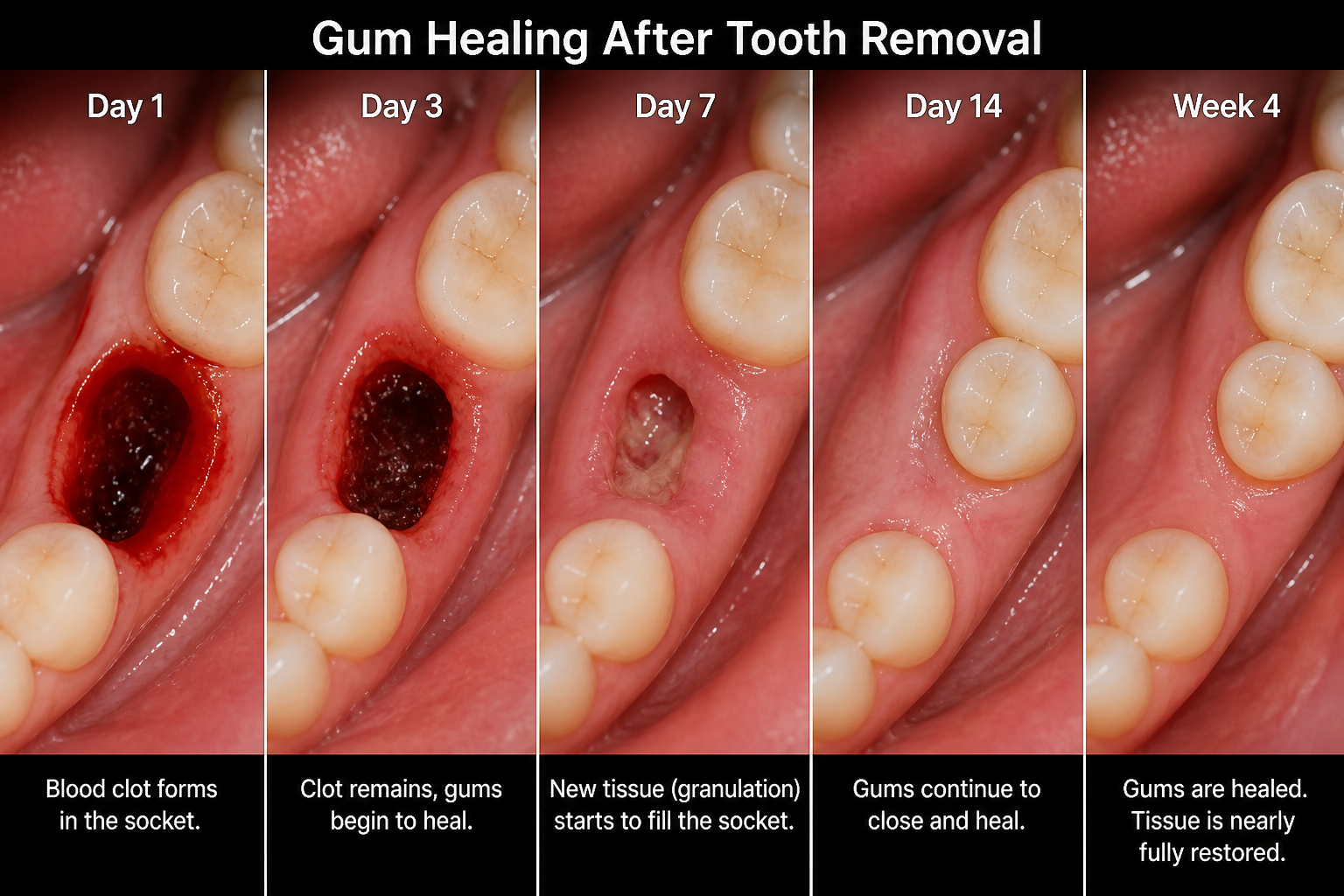
Stage 1: Blood Clot Formation (Day 1)
Immediately after extraction:
- A blood clot forms
- The socket is sealed
Why This Matters
The clot protects:
- Bone
- Nerves
- Healing tissue
Stage 2: Early Tissue Repair (Day 2–3)
What Happens
- White blood cells clean the area
- Early tissue begins forming
What You See
- Slight swelling
- Dark clot in socket
Stage 3: Soft Tissue Growth (Day 4–7)
What Happens
- New gum tissue develops
- Clot is replaced gradually
What You Notice
- Reduced pain
- Pink tissue forming
Stage 4: Gum Closure (Week 2)
- Socket begins closing
- Surface healing completes
Stage 5: Bone Healing (Weeks to Months)
- Bone regenerates underneath
- Foundation strengthens
Clinical Insight
Gums may look healed in 2 weeks—but bone healing takes months.
Additional Guide: Gum Healing After Tooth Removal — Normal Recovery, Aftercare, and Warning Signs
What Does a Healthy Tooth Extraction Site Look Like?
After a tooth is removed, the empty socket begins healing through blood clot formation, inflammation control, new tissue growth, and gradual bone remodeling. The appearance of the extraction site changes as recovery progresses.
During the first few days, the socket may look dark red or brown because of the blood clot. Later, a white or yellowish layer may appear over the wound. This can be normal healing tissue called fibrin, rather than pus. However, color alone cannot confirm whether a wound is healthy or infected.
A dentist should assess the site if you notice increasing pain, persistent swelling, discharge, fever, or other concerning symptoms.
Why Is There Still a Hole in My Gum After Tooth Extraction?
An opening or small depression in the gum is normal after a tooth has been removed. The size of the socket depends on the tooth's roots, the extraction technique, and whether surgery was necessary.
The opening gradually becomes smaller as new gum tissue grows across it. The surface may look substantially healed within one to two weeks, but deeper healing continues underneath. Some sockets take several weeks or longer to close completely.
Do not place your fingers, cotton buds, or other objects inside the socket to check its depth. Disturbing the wound can cause bleeding, irritation, or damage to the healing tissue.
Why Does My Gum Look White or Yellow After Tooth Removal?
White or pale-yellow tissue around an extraction site is not automatically a sign of infection. It may represent fibrin and other components of normal wound healing.
The more important clues are how you feel and how the area changes over time.
Signs that may be consistent with normal healing:
-
A thin white or yellowish coating over the socket.
-
Mild tenderness that gradually improves.
-
Swelling that stabilizes and then decreases.
-
No spreading redness, fever, or worsening symptoms.
Signs that require dental assessment:
-
Thick discharge that looks like pus.
-
Increasing pain after initial improvement.
-
Worsening facial or gum swelling.
-
Fever or a persistent unpleasant taste accompanied by other symptoms.
Avoid scraping or removing the white layer. If you are unsure whether it is healing tissue or discharge, arrange an examination with your dentist.
Why Does My Gum Still Hurt Several Days After Extraction?
Mild to moderate pain is common after tooth removal. Pain and swelling can increase during the first 48–72 hours, particularly after a surgical extraction, and should generally begin improving afterward.
If pain becomes severe, spreads toward the ear or temple, or worsens around days 2–5 instead of improving, dry socket is one possible explanation. Dry socket occurs when the protective blood clot breaks down or is lost prematurely. It is not the same as a bacterial infection, although both conditions can require professional care.
A dentist can examine the socket and provide appropriate treatment. Do not try to pack the socket with medication or treat it using household substances.
How to Care for Your Gums During Recovery
During the first 24 hours
-
Follow your dentist's instructions for biting on gauze if needed to control bleeding.
-
Avoid vigorous rinsing, forceful spitting, and disturbing the blood clot.
-
Choose soft, cool or lukewarm foods once it is safe to eat.
-
Avoid smoking, vaping, alcohol, and strenuous exercise.
-
Keep your head elevated when resting if this is comfortable.
After the first 24 hours
-
Gently rinse with warm salt water, unless your dentist has given different instructions.
-
A common mixture is half a teaspoon of salt in a glass of warm water.
-
Let the liquid move gently around the mouth; do not swish forcefully or spit with pressure.
-
Brush your other teeth carefully and keep the extraction area clean without injuring it.
-
Choose soft foods and gradually return to your usual diet as comfort improves.
Continue prescribed medication according to your dentist's instructions. Antibiotics are not routinely necessary after every extraction and should not be started or repeated without professional advice.
What Can Delay Gum Healing?
Several factors may interfere with recovery:
-
Smoking and vaping: These can impair healing and increase the risk of dry socket.
-
Poor oral hygiene: Plaque accumulation can contribute to oral inflammation.
-
Disturbing the socket: Aggressive rinsing, probing, or repeatedly touching the wound can interfere with healing.
-
Complex extraction: Surgical removal, impacted teeth, and extensive tissue manipulation may require longer recovery.
-
Medical conditions and medications: Diabetes, immune-system problems, and certain medicines can affect healing or bleeding risk.
If you have diabetes, take blood thinners, or have a condition that affects immunity, follow individualized instructions from your dentist or treating physician.
When Should You Contact a Dentist?
Contact your dentist promptly if you experience severe or worsening pain, increasing swelling, pus, fever, or symptoms that do not improve as expected. Persistent bleeding also needs attention.
Seek emergency medical care if you develop difficulty breathing or swallowing, rapidly spreading facial or neck swelling, or swelling that threatens your airway.
Do not wait for a routine follow-up appointment if these emergency symptoms occur.
Gum Healing Before Dental Implant Treatment
Patients considering dental implants should understand that a healed-looking gum surface does not necessarily mean the underlying jawbone is ready for implant placement.
After extraction, the socket undergoes bone remodeling and may lose some of its original width or height. The appropriate timing for an implant depends on the reason for extraction, the condition of the surrounding bone and gums, infection history, the need for bone grafting, and the patient's overall health.
Some implants can be placed immediately after extraction in carefully selected cases. Others are placed after a period of healing. Your dentist or implant specialist should assess the site clinically and use imaging when indicated to determine the appropriate treatment plan.
Important: No single waiting period is suitable for every patient. Do not schedule implant surgery based only on the number of days since your tooth was removed.
Frequently Asked Questions About Gum Healing After Tooth Removal
1. How long does it take for gums to heal after tooth extraction?
Many patients experience substantial gum-surface healing within one to two weeks. However, the socket may take several additional weeks to close fully, and bone remodeling continues for months. Surgical extractions may take longer.
2. Is it normal to have a hole in my gum two weeks after extraction?
Yes, a small opening or depression may remain at two weeks, particularly after removing a molar or wisdom tooth. The opening should generally be getting smaller over time. Seek dental advice if pain increases, swelling develops, or healing appears stalled.
3. Is white tissue inside my tooth socket normal?
It can be. White or yellowish tissue may be fibrin or other healing tissue. Do not assume it is pus based on color alone. Increasing pain, swelling, fever, or discharge should be evaluated by a dentist.
4. Should I remove food stuck in the extraction hole?
Do not probe the socket with fingers, toothpicks, or cotton buds. After the first 24 hours, gentle warm salt-water rinsing after meals can help keep the area clean. If food remains trapped or causes discomfort, contact your dentist for advice.
5. When can I brush my teeth after tooth removal?
You can generally resume careful brushing while avoiding direct trauma to the extraction site. Follow your dentist's specific instructions, especially after surgical extractions or when stitches have been placed.
6. Can I use salt water to help my gums heal?
Yes. Gentle warm salt-water rinsing is commonly recommended from 24 hours after extraction. Mix half a teaspoon of salt in a glass of warm water, rinse gently, and allow the liquid to drain out without forceful spitting.
7. Why does my extraction site smell bad?
An unpleasant odor can result from trapped food, poor oral hygiene, dry socket, or infection. Odor alone cannot establish the cause. If it persists or occurs with worsening pain, discharge, fever, or swelling, seek dental assessment.
8. How do I know if I have dry socket?
A typical warning sign is severe or increasing pain that develops a few days after extraction, sometimes radiating toward the ear or jaw. An unpleasant taste or bad breath may also occur. A dentist must examine the site to confirm the diagnosis.
9. Can I smoke after tooth extraction?
Avoid smoking and vaping for as long as possible during recovery. They can interfere with healing and increase the risk of dry socket. Follow your dentist's advice about when it is safe to resume, and remember that avoiding smoking throughout recovery is preferable.
10. Do I need antibiotics if my gums are healing slowly?
Not necessarily. Slow healing or pain does not automatically mean that antibiotics are needed. A dentist must determine whether there is a bacterial infection and whether antibiotics are appropriate. Do not take leftover antibiotics or change a prescribed course without medical advice.
11. When can I eat normally again?
Begin with soft foods and gradually increase food texture as pain and swelling improve. Avoid hard, crunchy, sticky, or sharp foods that may injure the site. The timing depends on the complexity of the extraction and your dentist's instructions.
12. How long should I wait before getting a dental implant?
There is no universal waiting period. Some patients are suitable for immediate implant placement, while others need weeks or months of healing, particularly if infection treatment or bone grafting is required. Your implant dentist should assess the gum tissue, bone volume, and clinical condition before deciding.
13. Is swelling normal three days after tooth removal?
Swelling often peaks during the first 48–72 hours, particularly after surgery. It should then begin to settle. Increasing swelling after this period, fever, or difficulty swallowing warrants prompt assessment; breathing difficulty requires emergency care.
14. Can diabetes slow gum healing after extraction?
Diabetes, especially when blood glucose is poorly controlled, can impair wound healing and increase the risk of complications. Tell your dentist about your condition and medications, and follow your diabetes treatment plan during recovery.
15. What should I do if bleeding starts again several days after extraction?
Sit upright and apply continuous firm pressure over the socket with clean, damp gauze for 20–30 minutes without repeatedly lifting it to check. If bleeding remains heavy or does not stop after sustained pressure, contact your dentist urgently. Seek emergency care for severe bleeding or symptoms such as faintness.
What Normal Healing Looks Like
- Mild swelling
- Gradual pain reduction
- Pink tissue formation
- No foul smell
Signs of Healthy Healing
- Pain improves daily
- No bleeding after 24 hours
- No increasing swelling
When Gum Healing Is NOT Normal
1. Severe Pain After Day 3
Possible Cause
Dry socket
2. Bad Taste or Odor
Possible Cause
Infection
3. Swelling That Gets Worse
Possible Cause
Inflammation or infection
4. Delayed Closure
Possible Cause
Poor healing or trauma
Real Case from My Iowa Practice
Patient: Linda, 52
Situation
- Tooth extraction with future implant plan
Day 1–3
- Followed instructions carefully
Week 1
- Healthy tissue forming
Outcome
- Ideal gum healing
- Successful implant placement later
Expert Insight
Good healing early leads to better long-term results.
Recovery Timeline Summary
| Stage | Healing Process | What You Feel |
|---|---|---|
| Day 1 | Clot formation | Mild pain |
| Day 2–3 | Early repair | Swelling |
| Day 4–7 | Tissue growth | Improvement |
| Week 2 | Gum closure | Minimal discomfort |
| Months | Bone healing | Stable |
Cost Comparison: USA vs Philippines
USA (Example: Iowa)
- Extraction: $200 – $700
- Follow-up visit: $100 – $300
- Bone graft: $600 – $3,500
- Implant: $3,000 – $6,000
Philippines
- Extraction: $50 – $150
- Follow-up care: $50 – $150
- Bone graft: $200 – $900
- Implant: $1,000 – $2,500
Key Insight
Proper healing reduces the need for additional procedures—saving money.
Insurance Policy Coverage
Major Providers
- Delta Dental
- Cigna
Coverage Includes
- Basic extraction: partial
- Follow-up care: sometimes
Limitations
- Implants often not fully covered
- Preventable complications excluded
Financing Options (Private)
Popular Providers
- CareCredit
- LendingClub
Benefits
- Monthly payments
- Flexible plans
Expert Advice
Focus on healing first—financing should be secondary.
Best Clinics to Visit (How to Choose)
USA
Look for:
- Oral surgeons
- Implant specialists
- CBCT imaging
Philippines
Top locations:
- Manila
- Cebu
Key Criteria
- Bone graft experience
- Transparent pricing
- Strong patient reviews
How to Promote Faster Gum Healing
1. Protect the Blood Clot
2. Eat Soft Foods
3. Maintain Oral Hygiene
4. Stay Hydrated
5. Avoid Smoking and Alcohol
Common Mistakes That Delay Healing
- Smoking
- Using straws
- Eating hard foods
- Ignoring instructions
Gum Healing and Dental Implants
Healthy gums are critical for:
- Implant stability
- Bone integration
- Long-term success
Expert Insight
Poor healing now = higher implant cost later.
FAQ: Gum Healing After Tooth Removal
1. How long do gums take to heal?
About 1–2 weeks for surface healing.
2. When does the socket close?
Usually within 2 weeks.
3. Is it normal to see white tissue?
Yes, it’s part of healing.
4. When should I worry?
If pain worsens or smell develops.
5. Can healing affect implants?
Yes—healthy gums improve success.
6. What helps healing most?
Good hygiene and following instructions.
Related Topics
1. Tooth Extraction Healing Stages
Understand full recovery process
2. How to Prevent Dry Socket
Protect your healing
3. What to Eat After Tooth Extraction
Support recovery with diet
Final Thoughts from an Iowa Expert
After 10 years of clinical experience, one principle stands out:
Gum healing is the foundation of successful dental treatment.
The key is simple:
- Protect the clot
- Follow instructions
- Monitor your symptoms
Because in dental recovery:
Good healing now prevents problems later.
And ultimately, it saves you time, money, and discomfort.
Successful recovery depends on protecting the blood clot, maintaining gentle oral hygiene, avoiding smoking, and recognizing complications early. Gum appearance alone cannot confirm that the socket has healed completely.
If you have worsening pain, persistent swelling, fever, unusual discharge, or ongoing bleeding, seek professional dental assessment rather than relying on home remedies.
Medical disclaimer: This article provides general educational information and does not replace an examination, diagnosis, or individualized advice from a licensed dental professional.
Related Clinical Cases
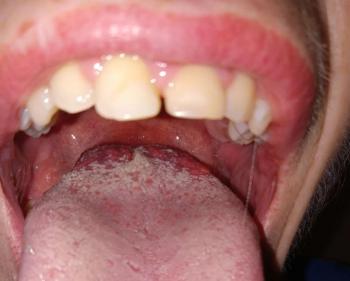
Patients with lower front gum inflammation may also experience tartar buildup, periodontal disease, gum abscesses, or tooth decay. Explore these related clinical case studies.



Other topics:
Other Dental Clinic
 |
 |
 |
 |