We Bring Back the Sparkle in Your Smile.

Post-Extraction Lower Jaw Healing With Bone Infection Risk Case Analysis
Image:

Severity:
Teeth Problems:
Lower Jaw Healing After Molar Extraction: Orthodontic Considerations, Recovery Signs, and When to See a Dentist
Understanding Lower Molar Extraction Healing
Healing after the removal of a lower molar involves more than the gum closing over the extraction site. The body must repair the soft tissues, stabilize the blood clot, and gradually rebuild the bone inside the jaw.
For patients receiving orthodontic treatment, an extraction may also affect the treatment plan. The timing of tooth movement, the condition of the surrounding gums, and the available bone must be considered before an orthodontist decides how to proceed.
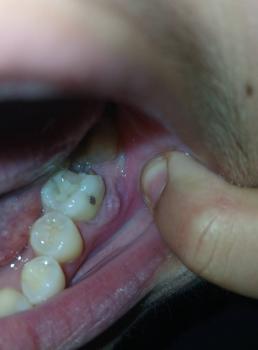
A small hole or white covering inside the extraction socket does not automatically indicate infection. The most important factors are the patient's symptoms, the time elapsed since extraction, and whether the recovery is progressing as expected.
1. What Happens During Lower Molar Healing?
The first 24 hours: Protecting the blood clot
A blood clot forms inside the socket after extraction. This clot protects the underlying tissues and provides a foundation for healing.
Patients should follow their dentist's instructions, avoid vigorous rinsing and forceful spitting, and refrain from smoking or vaping. These activities can interfere with clot stability.
Days 2–3: Swelling and tenderness
Mild to moderate pain, jaw stiffness, and swelling may occur during the first few days. Swelling often peaks around 48–72 hours after surgery.
The symptoms should subsequently begin to improve. Swelling that continues to increase, particularly when accompanied by fever or spreading pain, requires prompt dental assessment.
Days 4–7: Early tissue repair
New healing tissue develops inside the socket. A white, cream-colored, or yellowish covering may be visible as part of the normal healing process.
Pain should generally become less intense. Severe, throbbing pain that develops or worsens after an initial improvement may indicate dry socket or another complication.
Weeks 2–4: Gum recovery
The gum tissue gradually closes over the extraction site, although a small depression may remain. The surface may appear healed before the deeper bone has finished repairing.
Months 1–6 and beyond: Bone remodeling
The underlying jawbone continues to remodel over several months. Healing time varies according to the complexity of the extraction, the size of the socket, general health, and other individual factors.
2. How Can You Tell Whether a Lower Molar Socket Is Healing Normally?
The overall trend is more useful than color alone.
Findings that may be consistent with normal healing include:
-
Mild soreness that gradually decreases.
-
Swelling that stabilizes and then subsides.
-
Pink gum tissue developing around the socket.
-
White or cream-colored healing tissue.
-
A small opening that gradually becomes smaller.
Warning signs that need dental assessment include:
-
Severe or increasing pain, particularly several days after extraction.
-
Pus or persistent discharge from the socket.
-
Swelling that spreads into the face or neck.
-
Fever, chills, or feeling generally unwell.
-
Persistent bleeding that does not stop with the pressure instructions provided by the dentist.
A photograph or online description cannot reliably rule out infection, dry socket, or a retained root fragment.
3. Lower Molar Extraction and Orthodontic Treatment
Patients sometimes have a lower molar removed while undergoing orthodontic treatment or preparing for braces. These situations require coordination between the dentist who performs the extraction and the treating orthodontist.
Can braces continue after a lower molar extraction?
In many cases, orthodontic treatment can continue according to an adjusted plan. However, the timing depends on the type of extraction, the condition of the socket, the amount of inflammation, and the intended tooth movement.
The orthodontist may temporarily modify treatment or delay certain movements while the extraction site heals.
Will nearby teeth move into the extraction space?
Teeth can change position over time after a molar is removed. However, movement is not always predictable or desirable.
Depending on the treatment plan, the orthodontist may aim to close the space, preserve it, or prepare it for a future restoration. Unplanned tooth movement can affect the bite and the alignment of neighboring teeth.
Is it safe to move teeth near a healing extraction site?
Orthodontic tooth movement should be planned by a qualified orthodontist. The decision depends on the healing condition, periodontal health, available bone, and the mechanics required for treatment.
Patients should not adjust braces, change aligner schedules, or apply additional force without professional guidance.
Can a missing lower molar affect the bite?
Yes. A missing molar may affect chewing efficiency and the distribution of biting forces. Over time, neighboring teeth may tilt or opposing teeth may move into the space.
Not every extraction requires replacement, but the long-term consequences should be discussed with a dentist, especially when several teeth are missing or the bite is already compromised.
4. Safe Aftercare Following Lower Molar Extraction
To support uncomplicated healing:
-
Protect the clot. Avoid vigorous rinsing, forceful spitting, and straws during the initial recovery period.
-
Maintain oral hygiene. Brush the other teeth carefully and avoid traumatizing the socket.
-
Rinse gently after 24 hours. If appropriate for your situation, use a gentle warm saltwater rinse after meals, following your dentist's instructions.
-
Choose suitable foods. Eat soft foods initially and chew away from the extraction site when possible.
-
Avoid smoking and vaping. These can impair healing and increase the risk of complications.
-
Use medication responsibly. Take prescribed medicines as directed. Do not self-prescribe antibiotics or apply medication directly inside the socket.
-
Attend follow-up appointments. Your dentist or orthodontist can assess healing and determine when treatment should resume or change.
5. When Should You Seek Urgent Care?
Contact your dentist promptly if pain becomes significantly worse, swelling continues to increase, fever develops, or you notice pus.
Seek emergency medical care if you experience difficulty breathing or swallowing, rapidly spreading facial or neck swelling, or swelling that threatens the airway. These can be signs of a serious infection.
Short Patient Story: Lower Molar Extraction in Isabela City, Basilan
This is a fictional educational scenario, not a documented patient case.
A 28-year-old resident of Isabela City, Basilan, had a lower molar removed after a dentist determined that the tooth could not be predictably restored. The patient was also undergoing orthodontic treatment and worried that the extraction would permanently disrupt the alignment of the remaining teeth.
On the second day, the patient noticed mild swelling and a whitish layer inside the socket. Concerned about infection, the patient considered removing the material with a cotton swab.
Instead, the patient followed the dentist's aftercare instructions and contacted the clinic for advice. The dentist explained that a white or cream-colored layer can represent normal healing tissue, although appearance alone cannot confirm that the socket is healthy.
At the follow-up appointment, the dentist assessed the extraction site and coordinated with the orthodontist regarding the next stage of treatment. The orthodontic plan was reviewed rather than changed independently by the patient.
Over the following days, the discomfort gradually improved. The patient continued gentle oral hygiene, ate softer foods, and avoided disturbing the socket.
Clinical lesson: Healing after a lower molar extraction requires attention to symptoms, appropriate aftercare, and coordinated dental planning. Patients receiving orthodontic treatment should not assume that every extraction requires the same waiting period or tooth-movement strategy.
Frequently Asked Questions
1. How long does a lower molar extraction take to heal?
Pain and swelling usually improve substantially within several days to two weeks after an uncomplicated extraction. Gum healing may take several weeks, while bone remodeling continues for months.
2. Is white tissue inside a lower molar socket normal?
It can be. White, cream-colored, or yellowish tissue may be fibrin or developing healing tissue. However, pus, increasing pain, fever, and spreading swelling require dental evaluation.
3. What is the difference between normal healing and dry socket?
Normal healing generally involves gradually decreasing discomfort. Dry socket commonly causes severe, persistent or worsening pain within a few days of extraction, sometimes radiating toward the ear or temple. A dentist must examine the site to confirm the diagnosis.
4. Can I wear braces after a lower molar extraction?
Often, yes, but the orthodontist may adjust the treatment schedule or mechanics. The appropriate approach depends on the extraction, healing progress, and the overall orthodontic plan.
5. Should orthodontic treatment stop until the socket completely closes?
Not necessarily. Complete surface closure is not always required before any orthodontic treatment can continue. The treating orthodontist should decide which movements are appropriate and when they can safely proceed.
6. Can nearby teeth move into the space left by a missing lower molar?
Yes. Neighboring teeth may tilt or drift, and the opposing tooth may move toward the empty space. Whether the space should be closed, maintained, or restored depends on the patient's bite and treatment goals.
7. Can I use saltwater to clean the extraction site?
Gentle warm saltwater rinsing may be appropriate beginning 24 hours after extraction. Avoid vigorous swishing and spitting, and follow any specific instructions from your dentist.
8. When should I worry about swelling after extraction?
Swelling can peak around 48–72 hours after surgery. Swelling that continues to increase, spreads into the face or neck, or occurs with fever or worsening pain needs prompt assessment. Difficulty breathing or swallowing is an emergency.
9. Do I need antibiotics after a lower molar extraction?
Not routinely. Antibiotics are prescribed when clinically indicated, such as for certain bacterial infections or specific risk situations. They do not prevent or treat every cause of post-extraction pain.
10. When can a missing lower molar be replaced with a dental implant?
Implant timing depends on the socket, bone quality, gum condition, infection status, and treatment plan. Some patients are suitable for immediate implant placement, while others benefit from delayed placement after healing or bone grafting. An examination and appropriate imaging are needed to determine suitability.
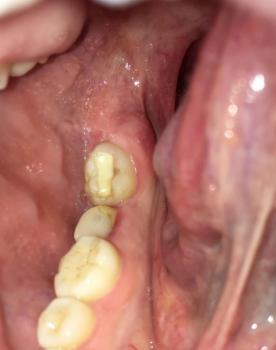
What Is Seen in This Case
The image shows the lower jaw after recent tooth extractions, with visible sutures on both sides of the lower gum. The extraction sites appear open and healing, with mild redness in the surrounding gum tissue. This is expected shortly after dental surgery, but the area must be monitored closely for signs of infection or delayed healing.
The remaining teeth appear intact, and the soft tissue is in the early healing phase.
Most Likely Diagnosis
Based on visual examination, the most likely conditions include:
-
Normal post-extraction healing phase
-
Surgical gum wounds with sutures in place
-
Mild post-operative inflammation
-
Risk of post-extraction infection if hygiene is poor
At this stage, healing is expected but requires proper care.
What Causes Problems After Tooth Extraction
Common causes of delayed healing or infection include:
-
Bacteria entering the extraction site
-
Poor oral hygiene after surgery
-
Smoking or vaping
-
Excessive mouth rinsing or spitting
-
Chewing hard food too early
These factors can disrupt blood clot formation and slow healing.
Is This a Serious Problem
Immediately after extraction, this condition is normal and manageable. However, if healing does not progress, it may scale up into:
-
Post-extraction infection
-
Dry socket
-
Increasing pain and swelling
-
Bad taste or odor from the wound
-
Bone infection
-
Delayed gum closure
Early care prevents complications.
Recommended Treatment Process
Immediate Post-Extraction Care (Days 1–3)
-
Follow dentist instructions carefully
-
Avoid disturbing the sutures
-
Take prescribed medications if given
-
Maintain gentle oral hygiene
Healing and Protection Phase (Days 4–7)
-
Swelling and tenderness should slowly reduce
-
Soft foods only
-
Gentle salt water rinses if advised
-
Avoid smoking and alcohol
Re-evaluation Phase (Days 8–14)
-
Gum tissue should begin closing over extraction sites
-
Sutures may be removed if required
-
Pain should significantly improve
Expected Healing Time
-
Initial gum healing: 7–10 days
-
Complete soft tissue healing: up to 14 days
-
Bone healing continues for several weeks
Healing speed depends on oral care and general health.
What Happens If Healing Is Delayed
If healing is delayed beyond 14 days, the risk increases for:
-
Infection of the extraction site
-
Persistent pain
-
Bone exposure
-
Abscess formation
-
Additional dental treatment
Prompt dental review is required if symptoms worsen.
Home Care While Healing
These steps support healing but do not replace professional care:
-
Keep the area clean with gentle brushing
-
Avoid hard, crunchy, or spicy foods
-
Do not touch the wounds with fingers or tongue
-
Follow all post-operative instructions
Final Clinical Takeaway
Lower molar extraction healing involves both soft-tissue repair and gradual bone remodeling. A small socket or a white healing layer can be normal, but symptoms that worsen rather than improve should not be ignored.
For patients undergoing orthodontic treatment, the safest approach is coordinated planning between the dentist and orthodontist. Individualized follow-up helps protect the healing site, maintain the intended bite, and guide appropriate long-term treatment.
Medical disclaimer: This article provides general dental education and does not replace an examination by a licensed dentist or orthodontist. Treatment decisions should be based on the patient's clinical findings and individual needs.
Professional Comment
This case shows early post-extraction healing with sutures in place, which is normal. Careful monitoring during the first two weeks is critical to prevent infection and support proper bone and gum healing.
Visit a Dental Clinic Near You
For post-extraction follow-up and wound evaluation, visit:
https://cebudentalimplants.com/map-dental-clinic
Related Clinical Cases
Patients with lower front gum inflammation may also experience tartar buildup, periodontal disease, gum abscesses, or tooth decay. Explore these related clinical case studies.