Transforming Smiles, Restoring Confidence.

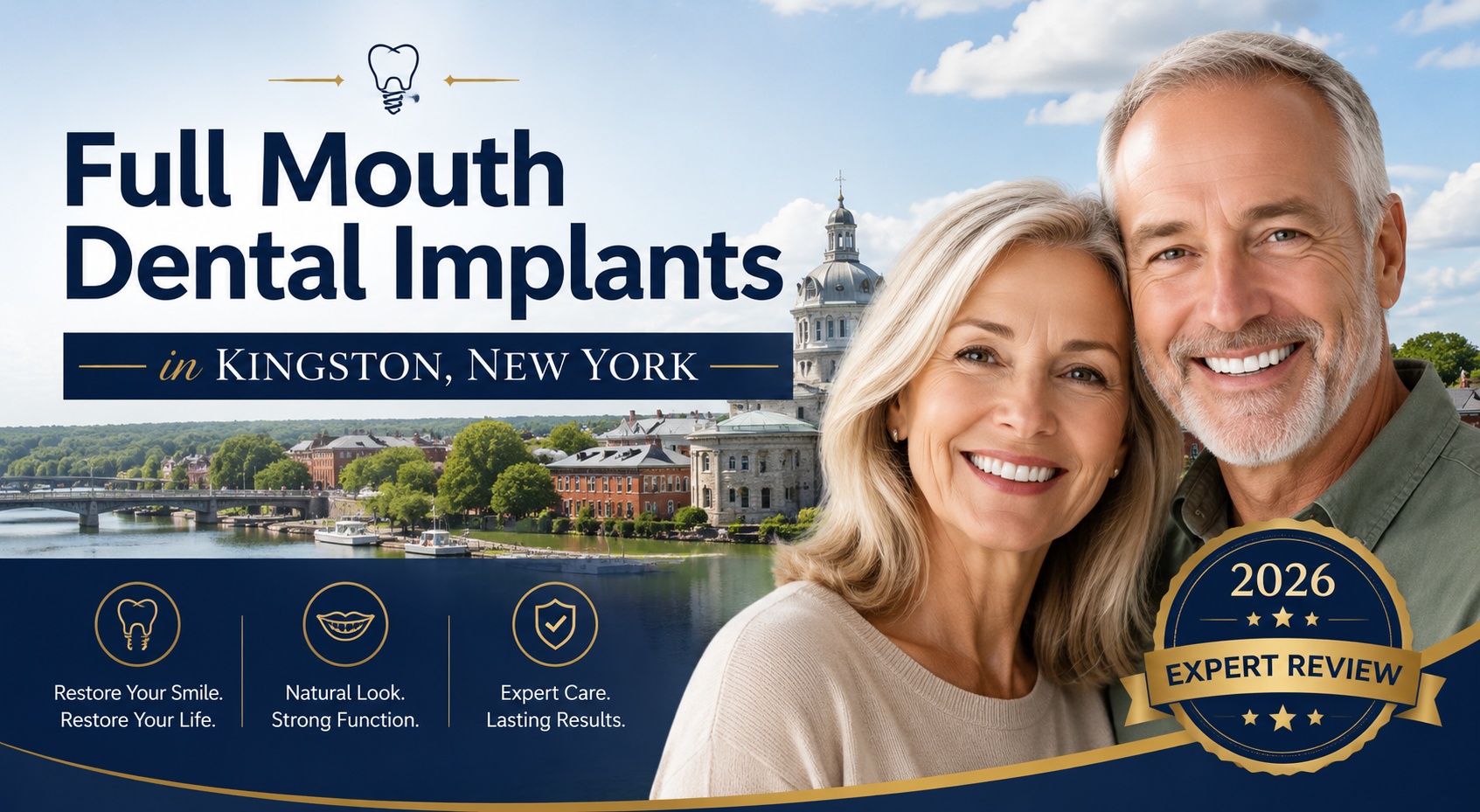
Full Mouth Dental Implants in Kingston, New York (2026 Expert Review)
Language :
Dental implants are now regarded as one of the most advanced and dependable methods for replacing missing teeth. In Kingston, more patients are selecting implants because they offer long-term stability, natural aesthetics, improved chewing strength, and preservation of jawbone health compared to removable dentures or traditional dental bridges.
One of the most frequently asked questions patients ask is:
“How much do dental implants cost in Kingston, New York?”
The answer depends on several important factors, including jawbone quality, implant systems used, restorative materials, advanced dental equipment, and the experience of the implant specialist.
Compared to large metropolitan regions such as New York City, implant treatment in Kingston is often more affordable while still providing access to advanced digital dental technology and highly trained restorative clinicians.
Modern implant dentistry increasingly reflects treatment philosophies associated with advanced UK university restorative programmes, where precision planning, minimally invasive surgery, evidence-based dentistry, and long-term oral function are prioritised.
This complete expert guide explains dental implant costs in Kingston, treatment stages, advanced dental equipment, financing options, healing timelines, comparisons, and practical advice for beginners considering dental implants in 2026.
What Are Dental Implants?
Dental implants are artificial tooth roots surgically inserted into the jawbone to support replacement teeth.
Most implants are manufactured from medical-grade titanium because titanium naturally bonds with bone through a biological process known as osseointegration.
A complete implant restoration usually includes:
1. Implant Fixture
The titanium post inserted into the jawbone.
2. Abutment
The connector attached between the implant and crown.
3. Dental Crown
The visible replacement tooth designed to resemble natural teeth.
Dental implants can replace:
- One missing tooth
- Multiple missing teeth
- Full upper teeth
- Full lower teeth
- Entire mouth restorations
Unlike removable dentures, implants are fixed securely within the jawbone, improving comfort and oral function.
Why More Patients in Kingston Choose Dental Implants
Dental implants continue to increase in popularity because they provide several major advantages over traditional tooth replacement options.
Benefits include:
- Long-term durability
- Strong chewing performance
- Natural appearance
- Improved speech
- Better facial support
- Preservation of jawbone density
- Increased confidence
- Greater comfort compared to dentures
Many patients who struggle with loose dentures prefer implants because they provide greater stability during eating and speaking.
Average Dental Implant Cost in Kingston, New York
Dental implant pricing in Kingston varies depending on treatment complexity and technology used.
Typical price ranges include:
| Treatment | Average Cost in Kingston |
|---|---|
| Single Dental Implant | $3,500 – $7,200 |
| Implant Crown | $1,300 – $3,000 |
| Bone Grafting | $500 – $3,800 |
| Sinus Lift | $1,800 – $5,000 |
| Implant-Supported Bridge | $7,000 – $18,000 |
| All-on-4 Implants | $22,000 – $42,000 |
| All-on-6 Implants | $28,000 – $52,000 |
| Full Mouth Implants | $42,000 – $90,000 |
Costs vary depending on implant systems, surgical complexity, restorative materials, and laboratory work.
Why Dental Implant Costs Vary in Kingston
Several important factors influence total treatment pricing.
1. Number of Teeth Being Replaced
Single implants cost significantly less than full-mouth reconstructions.
Complex cases require:
- Additional implants
- Advanced surgery
- Digital treatment planning
- Longer clinical appointments
- More laboratory fabrication
2. Bone Density and Jawbone Health
Successful implants require healthy jawbone support.
Some patients may need preparatory procedures before implants can be placed safely.
These procedures may include:
- Bone grafting
- Sinus augmentation
- Gum disease treatment
Bone loss commonly occurs because of:
- Long-term missing teeth
- Periodontal disease
- Denture wear
- Trauma
- Smoking
Additional procedures improve implant stability and long-term success.
3. Implant Systems and Restoration Materials
Premium implant systems often provide:
- Better engineering precision
- Improved implant surface technology
- Enhanced osseointegration
- Greater long-term durability
High-quality zirconia or ceramic crowns may also increase overall treatment cost but improve aesthetics and wear resistance.
4. Experience of the Implant Dentist
Experienced implant specialists may charge higher fees because they provide:
- Advanced surgical expertise
- Better aesthetic planning
- Full-mouth rehabilitation experience
- Reduced complication risks
- Improved long-term outcomes
Choosing an experienced provider is often critical for implant success.
Advanced Dental Equipment Used in Modern Implant Dentistry
Modern implant clinics in Kingston increasingly rely on advanced digital technology.
1. 3D CBCT Imaging
Cone Beam Computed Tomography provides highly detailed three-dimensional jawbone scans.
Benefits include:
- Accurate implant positioning
- Safer surgery
- Identification of nerves and sinus anatomy
- Better treatment planning
2. Digital Intraoral Scanners
Digital scanners replace traditional impression moulds.
Advantages include:
- Improved comfort
- Greater precision
- Faster digital workflows
- Better crown fabrication
3. Guided Implant Surgery
Computer-guided implant surgery improves placement precision.
Benefits include:
- Smaller incisions
- Reduced tissue trauma
- Faster healing
- Better implant alignment
4. CAD/CAM Technology
Computer-aided design and manufacturing systems produce highly accurate crowns and restorations.
Advantages include:
- Improved aesthetics
- Better fit
- Faster fabrication
- Enhanced durability
5. Digital Smile Design
Digital smile planning software evaluates:
- Facial balance
- Smile symmetry
- Bite alignment
- Cosmetic outcomes
This improves aesthetic predictability.
6. Advanced Sterilisation Systems
Modern implant clinics prioritise strict infection control protocols to improve surgical safety.
Kingston vs Buffalo Dental Implant Costs
Patients frequently compare Kingston and Buffalo when researching affordability.
Single Implant Comparison
| City | Average Cost |
|---|---|
| Kingston | $3,500 – $7,200 |
| Buffalo | $3,000 – $6,500 |
Buffalo may offer slightly lower pricing because clinic operating expenses are lower.
Full Mouth Implant Comparison
| City | Full Mouth Implant Cost |
|---|---|
| Kingston | $42,000 – $90,000 |
| Buffalo | $35,000 – $70,000 |
Patients closer to the New York City region often encounter higher treatment costs.
Kingston vs New York City Implant Costs
| City | Single Implant Cost |
|---|---|
| Kingston | $3,500 – $7,200 |
| New York City | $4,500 – $8,500 |
Patients in Kingston may benefit from lower costs while still receiving advanced implant care.
Single Tooth Implant Cost in Kingston
Single implants remain among the most common implant procedures.
Typical treatment breakdown:
| Procedure | Estimated Cost |
|---|---|
| Consultation | $100 – $350 |
| 3D CBCT Scan | $250 – $700 |
| Implant Placement | $2,000 – $4,000 |
| Abutment | $350 – $900 |
| Crown | $1,300 – $3,000 |
Average total:
$3,500 to $7,200
Full Mouth Dental Implants in Kingston
Patients missing many or all teeth may consider full arch implant restorations.
All-on-4 Dental Implants
This technique uses four implants to support a complete arch of teeth.
Advantages include:
- Fewer implants required
- Fixed permanent teeth
- Faster treatment
- Improved denture stability
- Reduced bone grafting requirements
Average cost:
$22,000 to $42,000 per arch
All-on-6 Dental Implants
Uses six implants for increased support and long-term durability.
Benefits include:
- Better force distribution
- Enhanced chewing performance
- Greater implant stability
Average cost:
$28,000 to $52,000 per arch
Full Mouth Reconstruction and Complex Cases
Some patients require advanced oral rehabilitation because of:
- Severe bone loss
- Multiple missing teeth
- Bite collapse
- Long-term denture wear
- Periodontal disease
Complex reconstruction may involve:
- Bone grafting
- Gum surgery
- Multiple implants
- Full arch prosthetics
- Bite correction
These treatments require highly detailed planning and longer timelines.
Dental Implants vs Dentures
Dental Implants
Advantages:
- Permanent solution
- Natural appearance
- Strong chewing ability
- Preserve jawbone
- Improved comfort
- Better speech
Disadvantages:
- Higher upfront cost
- Longer healing period
Dentures
Advantages:
- Lower initial cost
- Faster treatment
Disadvantages:
- Slipping movement
- Bone shrinkage
- Reduced chewing efficiency
- Frequent adjustments
Many Kingston patients prefer implants because they feel more stable and natural.
Dental Implants vs Bridges
Dental Implants
- Preserve jawbone
- Do not damage neighbouring teeth
- Long-lasting solution
Dental Bridges
- Faster treatment
- Lower upfront cost
- Requires trimming nearby teeth
Bridges often require replacement sooner than implants.
How Long Do Dental Implants Last?
With proper care, implants can last for decades.
Many remain successful for:
- 20 years
- 30 years
- Lifetime in some patients
Long-term success depends on:
- Excellent oral hygiene
- Healthy gums
- Regular professional cleanings
- Avoiding smoking
- Stable bite alignment
The crown may eventually require replacement because of wear.
Healing Timeline for Dental Implants
Step 1: Consultation and Planning
The implant dentist evaluates:
- Jawbone density
- Gum health
- Bite alignment
- Medical history
Digital imaging is commonly performed.
Step 2: Implant Surgery
The titanium implant is surgically inserted into the jawbone.
Healing begins immediately.
Step 3: Osseointegration
The implant bonds with the jawbone over time.
Typical healing:
3 to 6 months
Step 4: Crown Placement
The final crown is attached after healing is complete.
Patients can then chew comfortably again.
Is Dental Implant Surgery Painful?
Most patients report manageable discomfort rather than severe pain.
Dentists commonly use:
- Local anaesthesia
- IV sedation
- Sedation dentistry
- Prescription pain medication
Swelling and soreness usually improve within several days.
Dental Implant Financing in Kingston
Many clinics offer financing because implant treatment can be expensive.
Financing options may include:
- Monthly payment plans
- Healthcare financing companies
- In-house financing
- Credit-based dental loans
Patients should compare:
- Interest rates
- Repayment schedules
- Hidden fees
- Total treatment cost
Does Insurance Cover Dental Implants?
Coverage depends on the insurance provider and policy.
Some plans partially cover:
- Tooth extractions
- Bone grafting
- Diagnostic imaging
- Implant crowns
However, many insurance policies still classify implants as elective procedures.
Patients should verify:
- Annual limits
- Waiting periods
- Implant exclusions
Who Is a Good Candidate for Dental Implants?
Ideal candidates generally have:
- Healthy gums
- Adequate jawbone
- Good oral hygiene
- Stable medical conditions
Even patients with bone loss may still qualify after grafting procedures.
Many seniors in Kingston successfully receive implants.
Smoking and Implant Failure Risk
Smoking significantly increases implant complications.
Smoking may cause:
- Poor healing
- Infection
- Bone loss
- Implant failure
Patients are strongly encouraged to stop smoking before implant treatment.
Diabetes and Implant Healing
Patients with uncontrolled diabetes may experience:
- Slower healing
- Increased infection risk
- Reduced implant success rates
However, many diabetic patients still receive successful implants when blood sugar levels are well controlled.
Nutrition and Implant Recovery
Good nutrition supports healing after surgery.
Important nutrients include:
- Protein
- Calcium
- Vitamin D
- Vitamin C
Patients should avoid extremely hard foods during early healing stages.
Maintenance and Cleaning After Implant Surgery
Long-term implant success depends on excellent oral hygiene.
Patients should:
- Brush twice daily
- Floss around implants
- Use non-abrasive toothpaste
- Attend regular cleanings
- Avoid smoking
Poor maintenance may lead to peri-implantitis, an inflammatory condition affecting implant tissues.
How to Choose the Right Implant Dentist in Kingston
Choosing an experienced provider is critical for long-term success.
Patients should ask:
Experience
How many implants has the dentist placed?
Technology
Does the clinic use CBCT imaging and guided surgery?
Implant Brand
Which implant systems are used?
Warranty
Does the clinic provide implant warranty protection?
Full Cost Transparency
What exactly is included in the estimate?
Avoid choosing a clinic solely because of the lowest advertised price.
Practical Advice Before Getting Dental Implants
Compare Multiple Consultations
Meeting several implant providers helps patients understand pricing and treatment options.
Prioritise Gum Health
Healthy gums improve implant success rates.
Treat periodontal disease before surgery if necessary.
Understand the Full Timeline
Dental implants require patience and healing time.
Complex cases may take several months.
Follow Aftercare Instructions Carefully
Patients should:
- Maintain excellent oral hygiene
- Attend follow-up visits
- Avoid smoking
- Eat softer foods during healing
Frequently Asked Questions (FAQs)
How much do dental implants cost in Kingston, New York?
Single implants usually range from $3,500 to $7,200 depending on complexity and materials.
Why are full mouth implants expensive?
Full-mouth reconstruction requires multiple implants, advanced surgery, extensive laboratory work, and detailed restorative planning.
Are implants better than dentures?
Many patients prefer implants because they are permanent, stable, and preserve jawbone.
How long do implants last?
With proper care, implants can last several decades.
Can seniors receive implants?
Yes. Many older adults are excellent implant candidates.
Is implant surgery painful?
Most patients experience manageable discomfort rather than severe pain.
Can smokers receive implants?
Yes, but smoking significantly increases implant failure risk.
Do implants require special cleaning?
Yes. Good oral hygiene and regular professional maintenance are essential.
Conclusion
Dental implants in Kingston provide one of the most advanced and long-lasting solutions for replacing missing teeth. Modern implant dentistry combines advanced digital technology, evidence-based treatment planning, minimally invasive surgery, and patient-focused restorative care to improve long-term outcomes.
Although implants involve a higher initial investment than dentures or bridges, they provide substantial long-term benefits in oral function, comfort, confidence, appearance, and jawbone preservation.
Patients should focus not only on pricing but also on provider experience, implant quality, advanced dental equipment, and long-term treatment success. Properly planned implant treatment can significantly improve quality of life for many years.
Can tooth extraction cause infection? Mild inflammation is normal, but increasing swelling, fever, or severe pain may indicate infection. Learn more about post-extraction infection warning signs in this detailed guide.
Book a consultation with our Cebu dental specialists for proper evaluation and care.
Ready to get expert guidance?
If you’re experiencing severe pain or delayed healing, book a consultation with our Cebu dental specialists to get proper evaluation and care.
Consultation or contact page .
Book a Consultation
For severe discomfort or delayed healing, book a consultation with our Cebu dental specialists today.
Looking for a dentist? Browse our Cebu dental directory to find trusted clinics near you.
Medical Review and Clinical Basis
This article is based on clinical dental guidelines and real patient recovery patterns observed after tooth extraction procedures. The information reflects common post-extraction healing stages, including normal clot formation, gum tissue repair, and signs of possible complications such as dry socket or infection.
While mild discomfort is expected after a dental extraction, worsening pain after Day 3, bad odor, exposed bone, or spreading pain may require professional evaluation. These symptoms are consistent with known post-extraction complications described in standard dental practice.
About Cebu Dental Implants
Cebu Dental Implants provides comprehensive tooth extraction, surgical procedures, and dental implant services in the Philippines. Our team evaluates post-extraction healing, manages complications such as dry socket, and advises patients on proper aftercare to prevent infection and delayed healing.
If you experience severe pain or unusual symptoms after extraction, early professional assessment is recommended to prevent further complications.
Important Medical Disclaimer
This content is for educational purposes only and does not replace professional dental diagnosis. Every patient heals differently. If symptoms worsen or do not improve within a few days, consult a licensed dentist for proper evaluation and treatment.
Author
This article was prepared by the Cebu Dental Implants content team in consultation with licensed dental professionals experienced in tooth extraction and implant procedures.
Related Clinical Cases
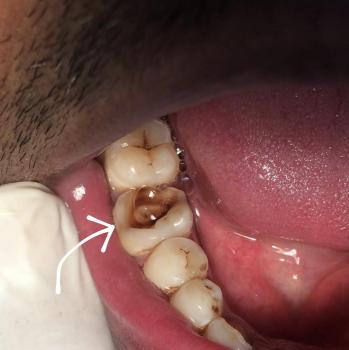
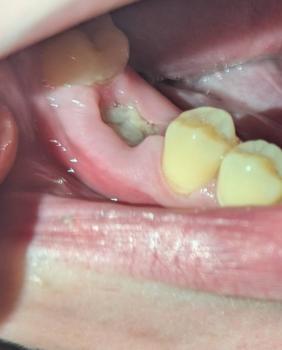
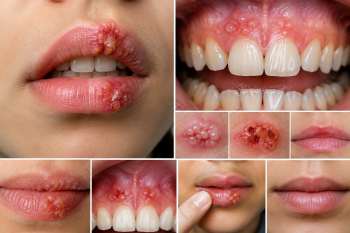
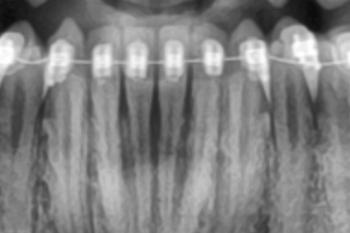
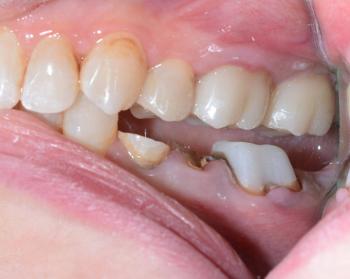
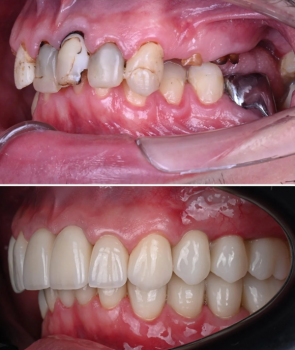
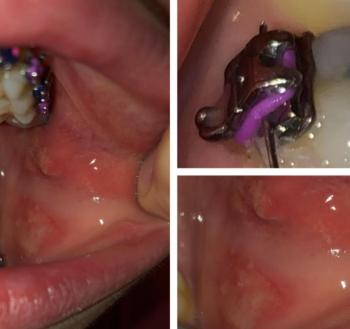
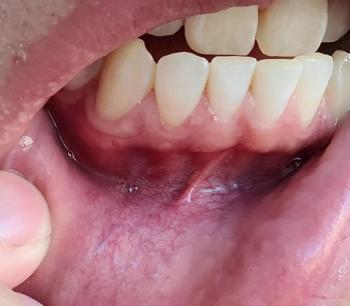
Patients with lower front gum inflammation may also experience tartar buildup, periodontal disease, gum abscesses, or tooth decay. Explore these related clinical case studies.
Other topics:
Other Dental Clinic